Works for:
based on ingredients and %- Moisturizing
- Evens skin tone
- Anti-oxidation
- Anti-aging
Can it cause trouble?
- Irritation risk: high
- Comedogenic risk ingredients: 0
Key actives
Product Summary
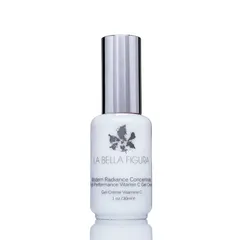
"La Bella Figura - Modern Radiance Concentrate" could be helpful for: Anti-aging, Moisturizing and Evens skin tone, but its actives are not the most effective or are not well-studied.
Ingredient callouts
- Humectants (glycerin 0.10% - 0.40%). These ingredients help attract water to the upper layer of the skin and improve the skin hydration.
Anti-oxidation
This product contains antioxidants (ferulic acid) that can help neutralize free radicals in skin. By doing so, they can lessen the damage the skin gets from the UV light (sun).
The following ingredients - centella asiatica extract also can have an antioxidant effect, but there is less evidence to confirm their effectiveness in skin.
A potent anti-oxidant that has been shown to be effective in neutralizing free radicals in skin. There seem to have a synergetic effect of ferulic acid, vitamin E and C, meaning that when the ingredients are used together, they enhance each other's ability protect the skin against free radicals. Ferulic acid also helps to stabilize other ingredients - including vitamins C and E. It can help to even out the skin tone. Ferulic acid is approved for use as a sunscreen ingredient in Japan in concentrations up to 10%
A plant extract that has been shown to be able to reduce inflammation in skin, support restoration of skin barrier function, as well as support collagen production. Contains active compounds called centelloids: asiaticoside, madecasosside, asiatic acid and madecassic acid. Might be helpful in preventing stretch marks. It can be itself be irritating though.
A plant oil that might somewhat help to neutralize free radicals. It could be irritating
A plant oil that might help neutralize free radicals and have an anti-bacterial effect
A plant extract that can help lighten the skin and calm down inflammation. Might be helpful in neutralizing free radicals
Might be helpful in neutralizing free radicals in skin
A plant extract that might have some anti-oxidant and anti-inflammatory properties but evidence for effectiveness in skin is missing
A plant extract that can help neutralize free radicals in skin. It contains a compound salicin that can theoretically be converted into salicylic acid that, in turn, helps reduce inflammation in skin, but the evidence of effectiveness in skin is lacking and the extract is usually not used in a concentration that would enable an exfoliating effect
A plant extract that might have some anti-oxidant properties. Contains an essential oil that can irritate the skin
Anti-aging
This product contains centella asiatica extract, ferulic acid. These ingredients might be able to help reduce and prevent fine lines and wrinkles, improve skin elasticity and firmness, but there is not enough evidence that it actually works.
A plant extract that has been shown to be able to reduce inflammation in skin, support restoration of skin barrier function, as well as support collagen production. Contains active compounds called centelloids: asiaticoside, madecasosside, asiatic acid and madecassic acid. Might be helpful in preventing stretch marks. It can be itself be irritating though.
A potent anti-oxidant that has been shown to be effective in neutralizing free radicals in skin. There seem to have a synergetic effect of ferulic acid, vitamin E and C, meaning that when the ingredients are used together, they enhance each other's ability protect the skin against free radicals. Ferulic acid also helps to stabilize other ingredients - including vitamins C and E. It can help to even out the skin tone. Ferulic acid is approved for use as a sunscreen ingredient in Japan in concentrations up to 10%
Traditionally used to treat sunburns, dermatitis and inflammation, but evidence for its effectiveness is lacking. The extract can contain humectants that help attract water into the skin
Evens skin tone
What does the product description say?
Our advanced formula is uniquely designed to target uneven skin tone and aid in restoring luminosity to the complexion.
Source: N/A
The following ingredient (ingredients) in this product might be helpful, but there is no evidence to confirm that it actually works: ferulic acid, glycyrrhiza glabra root extract.
A potent anti-oxidant that has been shown to be effective in neutralizing free radicals in skin. There seem to have a synergetic effect of ferulic acid, vitamin E and C, meaning that when the ingredients are used together, they enhance each other's ability protect the skin against free radicals. Ferulic acid also helps to stabilize other ingredients - including vitamins C and E. It can help to even out the skin tone. Ferulic acid is approved for use as a sunscreen ingredient in Japan in concentrations up to 10%
A plant extract that can help lighten the skin and calm down inflammation. Might be helpful in neutralizing free radicals
Moisturizing
What does the product description say?
Modern Radiance Concentrate
Source: From product name
This product can help improve hydration of the skin with the two types of ingredients.
The first type is called “humectants”:
these ingredients help attract water.
When humectants are on the surface of the skin, they “pull in” the moisture from the outside environment, or from
within deeper layers of the skin. The following ingredients in this product do the job:
glycerin, mel.
This product also contains ingredients called “occlusives”. They help reduce the speed with which our skin loses moisture to the outside environment. These ingredients also help soften the upper layer of the skin, so it feels less tight and nicer to the touch. The following ingredients in this product do the job: opuntia ficus-indica seed oil, mel.
One of the best moisturizing ingredients. Naturally present in skin. It attracts water to the upper layer of the skin working as a humectant
A plant oil that helps soften the upper layer of the skin and can support skin's barrier function due to its high content of linoleic acid. It also has anti-microbial properties
A plant extract that has been shown to be able to reduce inflammation in skin, support restoration of skin barrier function, as well as support collagen production. Contains active compounds called centelloids: asiaticoside, madecasosside, asiatic acid and madecassic acid. Might be helpful in preventing stretch marks. It can be itself be irritating though.
Helps soften the upper layer of the skin
A plant oil that might somewhat help to neutralize free radicals. It could be irritating
Helps to soften the upper layer of the skin and attract water to it
Traditionally used to treat sunburns, dermatitis and inflammation, but evidence for its effectiveness is lacking. The extract can contain humectants that help attract water into the skin
A good mix of fatty acids that forms a protective layer on the skin. Improves the shelf life of products. Derived from coconut and glycerin
How honest is this product?
| Promise | Can it deliver? |
|---|---|
| Moisturizing | |
| Evens skin tone |
Total Promises Fulfilled score: 75/100.
Potential irritants
Comedogenic ingredients
No comedogenic ingredients detected
User reviews (0)
Averages from community submissions.
No reviews yet for this product.
Be the first to share your experience!
Tried this product?
Help capture what the ingredient list can't—texture, finish, pilling, scent, and more. Answer what you can, skip the rest.
Takes ~30 seconds.
Reviews are shown in aggregate. No personal details.
Key Actives
A plant extract that has been shown to be able to reduce inflammation in skin, support restoration of skin barrier function, as well as support collagen production. Contains active compounds called centelloids: asiaticoside, madecasosside, asiatic acid and madecassic acid. Might be helpful in preventing stretch marks. It can be itself be irritating though.
A potent anti-oxidant that has been shown to be effective in neutralizing free radicals in skin. There seem to have a synergetic effect of ferulic acid, vitamin E and C, meaning that when the ingredients are used together, they enhance each other's ability protect the skin against free radicals. Ferulic acid also helps to stabilize other ingredients - including vitamins C and E. It can help to even out the skin tone. Ferulic acid is approved for use as a sunscreen ingredient in Japan in concentrations up to 10%
A plant oil that helps soften the upper layer of the skin and can support skin's barrier function due to its high content of linoleic acid. It also has anti-microbial properties
A good mix of fatty acids that forms a protective layer on the skin. Improves the shelf life of products. Derived from coconut and glycerin
One of the best moisturizing ingredients. Naturally present in skin. It attracts water to the upper layer of the skin working as a humectant
Potential irritants
Oil of a very fragrant pink rose used as fragrance in cosmetics. Extensive research has shown it has mixed benefits. In the pro column, inhaling this flower’s scent seems to have relaxing properties and the plant’s petals contain skin-soothing and antioxidant compounds that can benefit skin. On the flipside, the numerous chemicals that create this rose’s distinctive fragrance pose a risk of causing skin aggravation.
A plant oil that might somewhat help to neutralize free radicals. It could be irritating
A plant extract that might have some anti-oxidant properties. Contains an essential oil that can irritate the skin
An essential oil that is likely to be irritating and can cause photosensitivity
Aromatic plant oil used in cosmetics as a fragrance. A likely irritant
A plant extract that can help neutralize free radicals in skin. It contains a compound salicin that can theoretically be converted into salicylic acid that, in turn, helps reduce inflammation in skin, but the evidence of effectiveness in skin is lacking and the extract is usually not used in a concentration that would enable an exfoliating effect
Can be drying and contribute to skin irritation. Used in formulars to dissolve other ingredients, create a thinner product consistency or for its antibacterial properties
Traditionally used to treat sunburns, dermatitis and inflammation, but evidence for its effectiveness is lacking. The extract can contain humectants that help attract water into the skin
A plant oil that helps soften the upper layer of the skin and can support skin's barrier function due to its high content of linoleic acid. It also has anti-microbial properties
A plant extract that has been shown to be able to reduce inflammation in skin, support restoration of skin barrier function, as well as support collagen production. Contains active compounds called centelloids: asiaticoside, madecasosside, asiatic acid and madecassic acid. Might be helpful in preventing stretch marks. It can be itself be irritating though.
A plant extract that can help lighten the skin and calm down inflammation. Might be helpful in neutralizing free radicals
A plant extract that might have some anti-oxidant and anti-inflammatory properties but evidence for effectiveness in skin is missing
Might be helpful in neutralizing free radicals in skin
A good mix of fatty acids that forms a protective layer on the skin. Improves the shelf life of products. Derived from coconut and glycerin
Comedogenic ingredients
We couldn't find any comedogenic ingredients in this product
All ingredients
Traditionally used to treat sunburns, dermatitis and inflammation, but evidence for its effectiveness is lacking. The extract can contain humectants that help attract water into the skin
A plant oil that helps soften the upper layer of the skin and can support skin's barrier function due to its high content of linoleic acid. It also has anti-microbial properties
Oil of a very fragrant pink rose used as fragrance in cosmetics. Extensive research has shown it has mixed benefits. In the pro column, inhaling this flower’s scent seems to have relaxing properties and the plant’s petals contain skin-soothing and antioxidant compounds that can benefit skin. On the flipside, the numerous chemicals that create this rose’s distinctive fragrance pose a risk of causing skin aggravation.
A plant extract that has been shown to be able to reduce inflammation in skin, support restoration of skin barrier function, as well as support collagen production. Contains active compounds called centelloids: asiaticoside, madecasosside, asiatic acid and madecassic acid. Might be helpful in preventing stretch marks. It can be itself be irritating though.
Oil of a very fragrant pink rose used as fragrance in cosmetics. Extensive research has shown it has mixed benefits. In the pro column, inhaling this flower’s scent seems to have relaxing properties and the plant’s petals contain skin-soothing and antioxidant compounds that can benefit skin. On the flipside, the numerous chemicals that create this rose’s distinctive fragrance pose a risk of causing skin aggravation.
A plant oil that might somewhat help to neutralize free radicals. It could be irritating
A potent anti-oxidant that has been shown to be effective in neutralizing free radicals in skin. There seem to have a synergetic effect of ferulic acid, vitamin E and C, meaning that when the ingredients are used together, they enhance each other's ability protect the skin against free radicals. Ferulic acid also helps to stabilize other ingredients - including vitamins C and E. It can help to even out the skin tone. Ferulic acid is approved for use as a sunscreen ingredient in Japan in concentrations up to 10%
A plant extract that can help lighten the skin and calm down inflammation. Might be helpful in neutralizing free radicals
A plant extract that might have some anti-oxidant and anti-inflammatory properties but evidence for effectiveness in skin is missing
A plant extract that might have some anti-oxidant properties. Contains an essential oil that can irritate the skin
Might be helpful in neutralizing free radicals in skin
A plant oil that might help neutralize free radicals and have an anti-bacterial effect
An essential oil that is likely to be irritating and can cause photosensitivity
Aromatic plant oil used in cosmetics as a fragrance. A likely irritant
A plant extract that can help neutralize free radicals in skin. It contains a compound salicin that can theoretically be converted into salicylic acid that, in turn, helps reduce inflammation in skin, but the evidence of effectiveness in skin is lacking and the extract is usually not used in a concentration that would enable an exfoliating effect
A good mix of fatty acids that forms a protective layer on the skin. Improves the shelf life of products. Derived from coconut and glycerin
One of the best moisturizing ingredients. Naturally present in skin. It attracts water to the upper layer of the skin working as a humectant
Can be drying and contribute to skin irritation. Used in formulars to dissolve other ingredients, create a thinner product consistency or for its antibacterial properties
Ingredient list view
Aloe barbadensis leaf juice, Cocos nucifera fruit juice, Opuntia ficus-indica seed oil, Unknown, Butter, Rosa damascena extract, Centella asiatica extract, Unknown, Mel, Rosa damascena extract, Hippophae rhamnoides fruit oil, Ferulic acid, Glycyrrhiza glabra root extract, Oenothera biennis extract, Olea europaea leaf extract, Helichrysum stoechas extract, Persea gratissima seed extract, Unknown, Coffea arabica seed oil, Jasminum officinale oil, Leuconostoc/rice ferment filtrate extract, Punica granatum seed oil, Daucus carota sativa seed oil, Zingiber officinale root oil, Cymbopogon martini oil, Salix alba bark extract, Xanthan gum, Caprylic/capric triglyceride, Glycerin, Alcohol
- The Antimicrobial and Wound Healing Potential of Opuntia ficus indica L. inermis Extracted Oil from Tunisia
- Allergic contact dermatitis due to Opuntia ficus‐indica var. saboten
- Anti-Inflammatory Effect of Titrated Extract of Centella asiatica in Phthalic Anhydride-Induced Allergic Dermatitis Animal Model
- Centella asiatica in cosmetology
- Triterpene Composition and Bioactivities of Centella asiatica
- Asiaticoside induction for cell-cycle progression, proliferation and collagen synthesis in human dermal fibroblasts
- Assessment report on Centella asiatica (L.) Urban, herba
- Contact dermatitis due to Madecassol
- The Effects of a Standardized Extract of Centella asiatica on Postlaser Resurfacing Wound Healing on the Face: A Split-Face, Double-Blind, Randomized, Placebo-Controlled Trial
- Ferulic Acid: Therapeutic Potential Through Its Antioxidant Property
- Ferulic acid stabilizes a solution of vitamins C and E and doubles its photoprotection of skin
- Antioxidant Properties of Ferulic Acid and Its Possible Application
- Wound Repair Potential of Olea europaea L. Leaf Extracts Revealed by In Vivo Experimental Models and Comparative Evaluation of the Extracts' Antioxidant Activity
- Helichrysum italicum: from traditional use to scientific data
- Effect of green Coffea arabica L. seed oil on extracellular matrix components and water-channel expression in in vitro and ex vivo human skin models
- New Claims for Wild Carrot (Daucus carota subsp. carota) Essential Oil
- Zingiber officinale Rosc. essential oil, a review on its composition and bioactivity
- Efficacy and Safety of White Willow Bark (Salix alba) Extract
- An evaluation of the effect of a topical product containing salicin on the visible signs of human skin aging
- Glycerol and the skin: holistic approach to its origin and functions