Works for:
based on ingredients and %- Cleansing
Doesn't work for:
based on ingredients and %- Anti-blemish
Can it cause trouble?
- Irritation risk: high
- Comedogenic risk ingredients: 4
Key actives

Cleansing
What does the product description say?
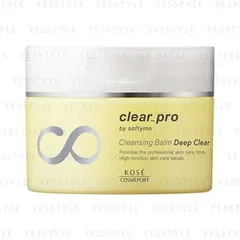
Softymo Clear Pro Cleansing Balm Deep Clear
Source: From product name
This product works by removing dirt and oil from the surface of the skin.
Keep in mind that cleansing can disrupt the skin barrier, and most people do not need to cleanse their skin more than once per day.
Helps water and oil mix together
Anti-blemish
What does the product description say?
Softymo Clear Pro Cleansing Balm Deep Clear
Source: From product name
Effective ingredients missing or their concentration is too low.
How honest is this product?
| Promise | Can it deliver? |
|---|---|
| Cleansing | |
| Anti-blemish |
Total Promises Fulfilled score: 37/100.
We receive a small commission for purchases made through these links at no cost for you. Thank you for your support! Learn more
Potential irritants
Comedogenic ingredients
User reviews (0)
Averages from community submissions.
No reviews yet for this product.
Be the first to share your experience!
Tried this product?
Help capture what the ingredient list can't—texture, finish, pilling, scent, and more. Answer what you can, skip the rest.
Takes ~30 seconds.
Reviews are shown in aggregate. No personal details.
Key Actives
A great moisturising ingredient that softens the skin and reduces water loss from its upper layer. It also can be helpful in protecting skin from free radicals
An emollient that helps soften the upper layer of the skin. Might have some weak anti-oxidant properties
An emollient that helps soften the skin
A good emoillient. Contains vitamin E which can help neutralise free radicals, however the oil is unstable. Avoid if you have gluten or wheat sensitivity (including food allergies).
An emollient that helps soften the skin and might help calm down inflammation
A great emollient that can also have anti-oxidant properties
A silicone that helps to reduce water loss from the surface of the skin. Can temporarily "fill in" lines and wrinkles, absorb oil, and create a nice product finish
Mineral oil. One of the most effective and well studied occlusive and emollient moisturizing ingredients. Helps reduce moisture loss in skin and repair skin barrier function
Helps soften the upper layer of the skin
A good mix of fatty acids that forms a protective layer on the skin. Improves the shelf life of products. Derived from coconut and glycerin
Helps water and oil mix together
An emollient that helps soften the skin. Could be comedogenic
An emollient that helps soften the skin and could be helpful in repairing its barrier function
A good moisturizing plant oil. Due to the high linoleic acid content, it helps soften the upper layer of the skin, reduce water loss and support skin barrier function
Softens the upper layer of skin and helps restore the healthy skin barrier. Has shown to help calm down inflammation in skin. It is a stable oil, meaning that it retains its properties even when exposed to air.
Potential irritants
Helps oil and water mix together and can enhance the penetration of other ingredients into the skin. It can be irritating
An essentil oil from orange peel. Potential allergen and can be irritating
Oil of a very fragrant pink rose used as fragrance in cosmetics. Extensive research has shown it has mixed benefits. In the pro column, inhaling this flower’s scent seems to have relaxing properties and the plant’s petals contain skin-soothing and antioxidant compounds that can benefit skin. On the flipside, the numerous chemicals that create this rose’s distinctive fragrance pose a risk of causing skin aggravation.
An aromatic blend of unspecified and possibly irritating ingredients
An emollient that helps soften the skin and creates a thicker product texture
A good mix of fatty acids that forms a protective layer on the skin. Improves the shelf life of products. Derived from coconut and glycerin
An emollient that helps soften the skin and could be helpful in repairing its barrier function
An emollient that helps soften the upper layer of the skin. Might have some weak anti-oxidant properties
An emollient that helps soften the skin but is not effective for restoring its barrier function. Might be helpful to calm down inflammation
Being a lipid soluble form of vitamin C, it is more stable and can penetrate the skin better than L-Ascorbic acid. It is effective in protecting the skin from free radicals, as well as evening the skin tone, but is less effective in stimulating collagen production compared to L-Ascorbic acid.
A great emollient that can also have anti-oxidant properties
Softens the upper layer of skin and helps restore the healthy skin barrier. Has shown to help calm down inflammation in skin. It is a stable oil, meaning that it retains its properties even when exposed to air.
Plant oil from nuts that helps soften the upper layer of the skin. Contains a high concentration of oleic acid that can weaken skin's barrier function and increase water-loss while enhancing penetration of other ingredients
Comedogenic ingredients
An emollient that helps soften the skin. Could be comedogenic
A good emoillient. Contains vitamin E which can help neutralise free radicals, however the oil is unstable. Avoid if you have gluten or wheat sensitivity (including food allergies).
A great moisturising ingredient that softens the skin and reduces water loss from its upper layer. It also can be helpful in protecting skin from free radicals
All ingredients
Mineral oil. One of the most effective and well studied occlusive and emollient moisturizing ingredients. Helps reduce moisture loss in skin and repair skin barrier function
An emollient that helps soften the skin and creates a thicker product texture
Helps oil and water mix together and can enhance the penetration of other ingredients into the skin. It can be irritating
A good mix of fatty acids that forms a protective layer on the skin. Improves the shelf life of products. Derived from coconut and glycerin
Used to stabilize product formulations and thicken product consistency
An emollient that helps soften the skin. Could be comedogenic
An emollient that helps soften the skin and could be helpful in repairing its barrier function
An emollient that helps soften the upper layer of the skin. Might have some weak anti-oxidant properties
An emollient that helps soften the skin but is not effective for restoring its barrier function. Might be helpful to calm down inflammation
An essentil oil from orange peel. Potential allergen and can be irritating
Oil of a very fragrant pink rose used as fragrance in cosmetics. Extensive research has shown it has mixed benefits. In the pro column, inhaling this flower’s scent seems to have relaxing properties and the plant’s petals contain skin-soothing and antioxidant compounds that can benefit skin. On the flipside, the numerous chemicals that create this rose’s distinctive fragrance pose a risk of causing skin aggravation.
A good emoillient. Contains vitamin E which can help neutralise free radicals, however the oil is unstable. Avoid if you have gluten or wheat sensitivity (including food allergies).
A good moisturizing plant oil. Due to the high linoleic acid content, it helps soften the upper layer of the skin, reduce water loss and support skin barrier function
An emollient that helps soften the skin and might help calm down inflammation
A great moisturising ingredient that softens the skin and reduces water loss from its upper layer. It also can be helpful in protecting skin from free radicals
Pure form of vitamin E. Can help moisturise and protect the skin from free radicals. Often used to help stabilise other ingredients or the formula itself
Being a lipid soluble form of vitamin C, it is more stable and can penetrate the skin better than L-Ascorbic acid. It is effective in protecting the skin from free radicals, as well as evening the skin tone, but is less effective in stimulating collagen production compared to L-Ascorbic acid.
A great emollient that can also have anti-oxidant properties
Softens the upper layer of skin and helps restore the healthy skin barrier. Has shown to help calm down inflammation in skin. It is a stable oil, meaning that it retains its properties even when exposed to air.
Plant oil from nuts that helps soften the upper layer of the skin. Contains a high concentration of oleic acid that can weaken skin's barrier function and increase water-loss while enhancing penetration of other ingredients
Helps to dissolve other ingredients in a formulation. Slows down the rate of product drying
A silicone that helps to reduce water loss from the surface of the skin. Can temporarily "fill in" lines and wrinkles, absorb oil, and create a nice product finish
A preservative. It helps prevent bacterial growth in cosmetic products
An aromatic blend of unspecified and possibly irritating ingredients
A broad spectrum sunblock (protects from both UVA and UVB rays). Is suitable for most sensitive skins. In small concentrations, can be used as a colorant
Ingredient list view
Paraffinum liquidum, Cetyl ethylhexanoate, Propylene glycol, Triethylhexanoin, Caprylic/capric triglyceride, Peg-20 glyceryl triisostearate, Synthetic wax, Isopropyl myristate, Silica, Salmon oil, Persea gratissima oil, Argania spinosa kernel oil, Prunus armeniaca kernel oil, Olea europaea fruit oil, Citrus aurantium dulcis peel oil, Unknown, Rosa damascena extract, Unknown, Triticum vulgare germ oil, Oryza sativa germ oil, Sesamum indicum seed oil, Carthamus tinctorius seed oil, Butyrospermum parkii butter, Ascorbyl dipalmitate, Salvia officinalis oil, Unknown, Tocopherol, Adansonia digitata seed oil, Ascorbyl palmitate, Vitis vinifera seed oil, Simmondsia chinensis seed oil, Macadamia ternifolia seed oil, Prunus persica kernel oil, Bht, Dipropylene glycol, Dimethicone, Zea mays germ oil, Phenoxyethanol, Parfum, Zinc oxide
- A review on the extensive skin benefits of mineral oil
- Surfactants and experimental irritant contact dermatitis
- Propylene Glycol
- Skin-sensitizing and irritant properties of propylene glycol
- Amended Safety Assessment of Triglycerides as Used in Cosmetics
- Safety Evaluation of Polyethylene Glycol (PEG) Compounds for Cosmetic Use
- Natural vegetable fats in the prevention of irritant contact dermatitis
- Use of “natural” oils for moisturization: Review of olive, coconut, and sunflower seed oil
- Protein and oil composition of sesame seeds (Sesamum indicum, L.) grown in the Gizan area of Saudi Arabia
- Triglyceride composition of Sesamum indicum seed oil
- Seed oil content and fatty acid composition in East African sesame (Sesamum indicum L.) accessions evaluated over 3 years
- Vitamin E in dermatology
- Vitamin E and Skin Health
- Fatty acids profile of oil from nine varieties of Macadamia nut
- Dimethicone as a protective ingredient in topical medications
- Final Report on the Safety Assessment of Dimethicone Copolyol
- A review of inorganic UV filters zinc oxide and titanium dioxide
- Risk assessment of zinc oxide, a cosmetic ingredient used as a UV filter of sunscreens
- Characterization of the UVA protection provided by avobenzone, zinc oxide, and titanium dioxide in broad-spectrum sunscreen products
- Ultraviolet Protection Properties of Commercial Sunscreens and Sunscreens Containing Zno Nanorods
- ZnO nanoparticles and organic chemical UV-filters are equally well tolerated by human immune cells