Works for:
based on ingredients and %- Moisturizing
Doesn't work for:
based on ingredients and %- Anti-aging
- Evens skin tone
Can it cause trouble?
- Irritation risk: high
- Comedogenic risk ingredients: 2
Key actives


Product Summary
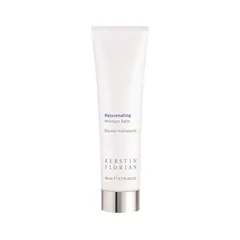
Based on the ingredients included, "Kerstin Florian - Rejuvenating Moisture Balm" works well for moisturizing the skin. As we expect from a proper moisturizer, the formula includes a combo of effective humectants and emollients. These are the two different types of ingredients that are essential for improving the skin hydration and supporting a healthy skin barrier. Sorbitol in this product (humectants) attract water molecules to the upper layer of the skin (the water comes from the outside air or from the deeper layers of the skin if the air is dry). Emollients in this formulation (paraffinum liquidum, copernicia cerifera wax, cetyl alcohol and isopropyl palmitate) help to reduce the moisture loss from the skin. They also soften the skin surface and relieve the feeling of dryness and tightness.
Irritation risk
We assess the overall irritancy of this moisturizer to be high. For a detailed overview of all potential irritants: click here
You can see the detailed formula review with the breakdown of all actives in the product and the full ingredient list with estimated concentrations in the tables below.
Price
The product retails for 65.80A$ in Australia and for 58.00$ in the United States.
For a detailed price comparison: click here.
Moisturizing
What does the product description say?
Rejuvenating Moisture Balm
Source: From product name
This product can help soften the skin and reduce its moisture loss with emollients and occlusives: copernicia cerifera wax, cetyl alcohol.
Keep in mind that this product does not contain effective ingredients to attract water to the upper layer of the skin. This is why an additional product with humectants like glycerin or hyaluronic acid can be helpful (apply it before this product for the best results).
The following ingredients in this product are especially good for supporting the skin barrier and helping with the hydration level: paraffinum liquidum
Mineral oil. One of the most effective and well studied occlusive and emollient moisturizing ingredients. Helps reduce moisture loss in skin and repair skin barrier function
Helps to soften the upper layer of the skin and create a nice product consistency
Used to stabilize the product formulations and works as an emollient
A non-drying alcohol that works to soften the skin and stabilize product formulations helping oil and water mix together
Helps soften the upper layer of the skin and create a thicker product consistency
Helps attract water to the upper layer of the skin and improves the product texture
An exfoliating and moisturizing alpha-hydroxy acid (AHA). Typically causes less irritation than other AHAs, for example, glycolic acid. At high concentrations (about 15%), lactic acid can help reduce lines and wrinkles. Recent studies show that lactic acid can support the "good" bacteria living on skin's surface (healthy skin microbiome)
Anti-aging
What does the product description say?
Skin is left feeling replenished, supple and comfortable with a more youthful appearance.
Source: Recreate Yourself
This product does not contain ingredients that are able to reduce fine lines and wrinkles or help with skin elasticity, but it can improve the look of the skin temporarily through moisturization. Well-moisturized skin might also be able to repair the sun damage better.
An exfoliating and moisturizing alpha-hydroxy acid (AHA). Typically causes less irritation than other AHAs, for example, glycolic acid. At high concentrations (about 15%), lactic acid can help reduce lines and wrinkles. Recent studies show that lactic acid can support the "good" bacteria living on skin's surface (healthy skin microbiome)
Evens skin tone
What does the product description say?
Improving skin hydration and comfort, it will effectively calm and relieve the complexion and hands; its soothing ingredients help to calm redness and irritation, whilst St. John’s Wort clarifies and promotes a more even tone.
Source: Recreate Yourself
Effective ingredients missing or their concentration is too low
An exfoliating and moisturizing alpha-hydroxy acid (AHA). Typically causes less irritation than other AHAs, for example, glycolic acid. At high concentrations (about 15%), lactic acid can help reduce lines and wrinkles. Recent studies show that lactic acid can support the "good" bacteria living on skin's surface (healthy skin microbiome)
How honest is this product?
| Promise | Can it deliver? |
|---|---|
| Moisturizing | |
| Anti-aging | |
| Evens skin tone |
Total Promises Fulfilled score: 50/100.
We receive a small commission for purchases made through these links at no cost for you. Thank you for your support! Learn more
Potential irritants
Comedogenic ingredients
User reviews (0)
Averages from community submissions.
No reviews yet for this product.
Be the first to share your experience!
Tried this product?
Help capture what the ingredient list can't—texture, finish, pilling, scent, and more. Answer what you can, skip the rest.
Takes ~30 seconds.
Reviews are shown in aggregate. No personal details.
| Product | Similarity | Price | Irritancy |
|---|---|---|---|
 Kerstin Florian Rejuvenating Moisture Balm | Current | $58.00 | |
Illamasqua Cream Pigment | 58% | $12.50 | |
L'Oréal Paris Age Perfect Intense Nutrition Day Cream | 57% | $23.98 | |
 Macro Natural Vitamin E Cream | 57% | $13.99 | |
 LOreal Paris Age Perfect LOreal Age Perfect Manuka Honey Day Cream | 56% | $16.20 | |
 ADVANCED CLINICALS Vitamin C Cream | 56% | $15.00 |
Key Actives
An active component of chamomile plant that historically has been used to calm down irritated skin. A recent study shows that bisabolol indeed can have some anti-inflammatory effect on skin, even though conclusive data is lacking. Bisabolol has a sweet floral scent and can be added to products for its aromatic properties
Mineral oil. One of the most effective and well studied occlusive and emollient moisturizing ingredients. Helps reduce moisture loss in skin and repair skin barrier function
Helps to soften the upper layer of the skin and create a nice product consistency
A plant extract that can help calm down inflammation in skin. Can, however, itself be irritating
Potential irritants
Helps oil and water mix together and can enhance the penetration of other ingredients into the skin. It can be irritating
Can be drying and contribute to skin irritation. Used in formulars to dissolve other ingredients, create a thinner product consistency or for its antibacterial properties
An aromatic blend of unspecified and possibly irritating ingredients
A plant extract that can be irritating. It can have some anti-bacterial properties, but there are no evidence of a beneficial effect for skin
Plant extract. Might have some anti-oxidant properties. Can be irritating
A plant extract that can help calm down inflammation in skin. Can, however, itself be irritating
Helps soften the upper layer of the skin and create a thicker product consistency
A more stable but less bio-available form of vitamin E compared to Tocopherol. Might help moisturize and protect the skin from free radicals, but mostly used in low concentrations to stabilize other ingredients.
An exfoliating and moisturizing alpha-hydroxy acid (AHA). Typically causes less irritation than other AHAs, for example, glycolic acid. At high concentrations (about 15%), lactic acid can help reduce lines and wrinkles. Recent studies show that lactic acid can support the "good" bacteria living on skin's surface (healthy skin microbiome)
Comedogenic ingredients
Used to stabilize the product formulations and works as an emollient
Helps soften the upper layer of the skin and create a thicker product consistency
All ingredients
Mineral oil. One of the most effective and well studied occlusive and emollient moisturizing ingredients. Helps reduce moisture loss in skin and repair skin barrier function
Used to stabilize the product formulations and works as an emollient
A non-drying alcohol that works to soften the skin and stabilize product formulations helping oil and water mix together
Helps soften the upper layer of the skin and create a thicker product consistency
Helps to soften the upper layer of the skin and create a nice product consistency
Helps attract water to the upper layer of the skin and improves the product texture
Helps oil and water mix together and can enhance the penetration of other ingredients into the skin. It can be irritating
A preservative. It helps prevent bacterial growth in cosmetic products
Can be drying and contribute to skin irritation. Used in formulars to dissolve other ingredients, create a thinner product consistency or for its antibacterial properties
An active component of chamomile plant that historically has been used to calm down irritated skin. A recent study shows that bisabolol indeed can have some anti-inflammatory effect on skin, even though conclusive data is lacking. Bisabolol has a sweet floral scent and can be added to products for its aromatic properties
A more stable but less bio-available form of vitamin E compared to Tocopherol. Might help moisturize and protect the skin from free radicals, but mostly used in low concentrations to stabilize other ingredients.
An aromatic blend of unspecified and possibly irritating ingredients
An exfoliating and moisturizing alpha-hydroxy acid (AHA). Typically causes less irritation than other AHAs, for example, glycolic acid. At high concentrations (about 15%), lactic acid can help reduce lines and wrinkles. Recent studies show that lactic acid can support the "good" bacteria living on skin's surface (healthy skin microbiome)
A plant extract that can be irritating. It can have some anti-bacterial properties, but there are no evidence of a beneficial effect for skin
Plant extract. Might have some anti-oxidant properties. Can be irritating
A plant extract that can help calm down inflammation in skin. Can, however, itself be irritating
Ingredient list view
Water, Peg-2 stearate, Paraffinum liquidum, Glyceryl stearate se, Cetyl alcohol, Isopropyl palmitate, Copernicia cerifera wax, Sorbitol, Propylene glycol, Phenoxyethanol, Alcohol, Methylparaben, Bisabolol, Hydroxypropyl chitosan, Propylparaben, Tocopheryl acetate, Parfum, Lactic acid, Ethylparaben, Butylparaben, Arnica montana flower extract, Aesculus hippocastanum seed extract, Hamamelis virginiana extract, Hedera helix extract, Hypericum perforatum extract, Vitis vinifera leaf extract
- A review on the extensive skin benefits of mineral oil
- Final Report on the Safety Assessment of Isopropyl Isostearate
- Surfactants and experimental irritant contact dermatitis
- Propylene Glycol
- Skin-sensitizing and irritant properties of propylene glycol
- α-(-)-Bisabolol Reduces Pro-Inflammatory Cytokine Production and Ameliorates Skin Inflammation
- Epidermal and dermal effects of topical lactic acid
- Dual Effects of Alpha-Hydroxy Acids on the Skin
- Effects of Topical Arnica Gel on Post-Laser Treatment Bruises
- Effects of microcurrent application alone or in combination with topical Hypericum perforatum L. and Arnica montana L. on surgically induced wound healing in Wistar rats
- The seamy side of natural medicines: contact sensitization to arnica (Arnica montana L.) and marigold (Calendula officinalis L.)
- Accelerated resolution of laser‐induced bruising with topical 20% arnica: a rater‐blinded randomized controlled trial
- Contact dermatitis as an adverse reaction to some topically used European herbal medicinal products – part 1: Achillea millefolium–Curcuma longa
- Anti-Inflammatory Efficacy of Topical Preparations with 10% Hamamelis Distillate in a UV Erythema Test
- Anti-inflammatory activity of hamamelis distillate applied topically to the skin
- ASSESSMENT REPORT ON HAMAMELIS VIRGINIANA L., CORTEX HAMAMELIS VIRGINIANA L., FOLIUM HAMAMELIS VIRGINIANA L., FOLIUM ET CORTEX AUT RAMUNCULUS DESTILLATUM
- The Antiinflammatory and Antiarthritic Properties of Ethanol Extract of Hedera helix