Works for:
based on ingredients and %- Moisturizing
Can it cause trouble?
- Irritation risk: high
- Comedogenic risk ingredients: 3
Key actives

Product Summary
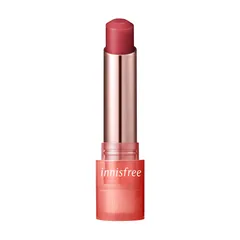
"innisfree - Dewy Tint Lip Balm - Rose Brick" is effective for: Moisturizing
Ingredient callouts
- Another benefit is that this moisturizer contain ceramides (phytosphingosine 0.15% - 0.55% and ceramide np 0.15% - 0.55%). Ceramides are an important part of our natural skin barrier. The Ceramides used in skincare are synthetic or come from plants. They help soften the skin and can help "fill the gaps" in the skin barrier, keeping the skin hydrated and resilient for longer.
Price
The product retails for 15.00$ in the United States.
For a detailed price comparison: click here.
Works for
Moisturizing
What does the product description say?
Infused with Jeju Camelia Seed Oil, Ceramide, and Hyaluronic Acid, our lip balms provide nourishing comfort to the lips!
Source: Innisfree
This product can help improve hydration of the skin with the two types of ingredients.
The first type is called “humectants”:
these ingredients help attract water.
When humectants are on the surface of the skin, they “pull in” the moisture from the outside environment, or from
within deeper layers of the skin. The following ingredients in this product do the job:
glycerin.
This product also contains ingredients called “occlusives”. They help reduce the speed with which our skin loses moisture to the outside environment. These ingredients also help soften the upper layer of the skin, so it feels less tight and nicer to the touch. The following ingredients in this product do the job: cera microcristallina, astrocaryum murumuru seed butter.
The following ingredients in this product are especially good for supporting the skin barrier and helping with the hydration level: ceramide np, phytosphingosine
An emollient that helps soften the skin. Often used to stabilize other ingredients, for example, sunscreen
A type of lipid similar to ceramides naturally present in skin. Helps to soften the upper layer of the skin and supports the skin barrier function to keep it hydrated. Can help to prevent inflammation in skin
Helps soften the upper layer of the skin. Could be comedogenic due to the myrisic acid content
Helps to soften the upper layer of the skin, reduce water loss from its surface and create a thicker product consistency
A type of lipid that is naturally present in skin. It might help in repairing skin barrier function and has anti-bacterial effect
One of the best moisturizing ingredients. Naturally present in skin. It attracts water to the upper layer of the skin working as a humectant
A mix of amino acids and plant-based lipids. Helps to soften the upper layer of the skin and reduce water loss over time
Helps to soften the upper layer of the skin
An emollient that helps soften the skin and create a nice product texture
Helps soften the upper layer of the skin and create a thicker product consistency
Helps to soften the upper layer of the skin and create a nice product texture
Prevents water loss from the skin surface and thickens the product consistency
Used to create a nice product consistency while softening the upper layer of the skin
Helps soften the upper layer of the skin and create a nice product consistency
One of the best moisturizing ingredients. Attracts water into the upper layer of the skin. Naturally present in skin. Typically has large molecule size unless advertised otherwise on the product label. Helps support skin's barrier function and may help to reduce inflammation
Pure form of vitamin E. Can help moisturise and protect the skin from free radicals. Often used to help stabilise other ingredients or the formula itself
Used mostly for creating emulsions - helping oil and water mix together. Helps soften the upper layer of the skin
How honest is this product?
| Promise | Can it deliver? |
|---|---|
| Moisturizing |
Total Promises Fulfilled score: 100/100.
We receive a small commission for purchases made through these links at no cost for you. Thank you for your support! Learn more
Potential irritants
Comedogenic ingredients
User reviews (0)
Averages from community submissions.
No reviews yet for this product.
Be the first to share your experience!
Tried this product?
Help capture what the ingredient list can't—texture, finish, pilling, scent, and more. Answer what you can, skip the rest.
Takes ~30 seconds.
Reviews are shown in aggregate. No personal details.
| Product | Similarity | Price | Irritancy |
|---|---|---|---|
 innisfree Dewy Tint Lip Balm - Rose Brick | Current | $15.00 | |
 KAINE Glowing Melting Lip Balm | 46% | ≈ $10.51 | |
 Hanskin Seven Layer Ceramide Lip Balm | 43% | - | |
 FRUDIA Coconut Honey Salve Lip Cream | 43% | ≈ $5.59 | |
 PEACH & LILY Collagen Cushion Peptide Lip Balm - Clear | 42% | $22.00 | |
 Hue.Calm Phyto Firming Cream | 39% | $27.00 |
Key Actives
A type of lipid similar to ceramides naturally present in skin. Helps to soften the upper layer of the skin and supports the skin barrier function to keep it hydrated. Can help to prevent inflammation in skin
A type of lipid that is naturally present in skin. It might help in repairing skin barrier function and has anti-bacterial effect
One of the best moisturizing ingredients. Attracts water into the upper layer of the skin. Naturally present in skin. Typically has large molecule size unless advertised otherwise on the product label. Helps support skin's barrier function and may help to reduce inflammation
A mix of amino acids and plant-based lipids. Helps to soften the upper layer of the skin and reduce water loss over time
An emollient that helps soften the skin. Often used to stabilize other ingredients, for example, sunscreen
Helps to soften the upper layer of the skin, reduce water loss from its surface and create a thicker product consistency
Helps soften the upper layer of the skin. Could be comedogenic due to the myrisic acid content
Works as a UV filter when used in high concentrations. It is photostable and is effective mostly against the UVB light, with some protection in the UVA range. In small concentrations, used for its ability to improve the color of cosmetic products. Is usually well tolerated by the skin
One of the best moisturizing ingredients. Naturally present in skin. It attracts water to the upper layer of the skin working as a humectant
Potential irritants
Oil of a very fragrant pink rose used as fragrance in cosmetics. Extensive research has shown it has mixed benefits. In the pro column, inhaling this flower’s scent seems to have relaxing properties and the plant’s petals contain skin-soothing and antioxidant compounds that can benefit skin. On the flipside, the numerous chemicals that create this rose’s distinctive fragrance pose a risk of causing skin aggravation.
An essential oil that can be very irritating. Has some anti-bacterial properties
A common frangrance that can easily irritate skin, especially if exposed to air, light or heat
Used to create a thicker product consistency
Helps soften the upper layer of the skin. Could be comedogenic due to the myrisic acid content
Used to create a thicker product consistency and stabilize the formulation
Helps soften the upper layer of the skin and create a thicker product consistency
Comedogenic ingredients
An emollient that helps soften the skin and create a nice product texture
Helps soften the upper layer of the skin and create a thicker product consistency
All ingredients
Oil of a very fragrant pink rose used as fragrance in cosmetics. Extensive research has shown it has mixed benefits. In the pro column, inhaling this flower’s scent seems to have relaxing properties and the plant’s petals contain skin-soothing and antioxidant compounds that can benefit skin. On the flipside, the numerous chemicals that create this rose’s distinctive fragrance pose a risk of causing skin aggravation.
Helps soften the upper layer of the skin and create a nice product consistency
An emollient that helps soften the skin. Often used to stabilize other ingredients, for example, sunscreen
Used to create a thicker product consistency
A mix of amino acids and plant-based lipids. Helps to soften the upper layer of the skin and reduce water loss over time
Used to create a nice product consistency while softening the upper layer of the skin
Used to stabilize product formulations and thicken product consistency
Prevents water loss from the skin surface and thickens the product consistency
Helps to soften the upper layer of the skin, reduce water loss from its surface and create a thicker product consistency
A plant oil that helps to soften the upper layer of the skin and can help restore skin's barrier function. Might have an anti-oxidant effect
Helps soften the upper layer of the skin. Could be comedogenic due to the myrisic acid content
Helps to soften the upper layer of the skin and create a nice product texture
An essential oil that can be very irritating. Has some anti-bacterial properties
Works as a UV filter when used in high concentrations. It is photostable and is effective mostly against the UVB light, with some protection in the UVA range. In small concentrations, used for its ability to improve the color of cosmetic products. Is usually well tolerated by the skin
Used to create a thicker product consistency and stabilize the formulation
An umbrella term for the following three colorants: CI 77491, CI 77492, CI 77499. They might be able to offer some protection against visible light, but the degree of the protection is not clear
An emollient that helps soften the skin and create a nice product texture
Used mostly for creating emulsions - helping oil and water mix together. Helps soften the upper layer of the skin
Helps soften the upper layer of the skin and create a thicker product consistency
A common frangrance that can easily irritate skin, especially if exposed to air, light or heat
An umbrella term for the following three colorants: CI 77491, CI 77492, CI 77499. They might be able to offer some protection against visible light, but the degree of the protection is not clear
One of the best moisturizing ingredients. Naturally present in skin. It attracts water to the upper layer of the skin working as a humectant
The same compound that is used safely in dental implants and bone cements. In cosmetics, it is used to improve the consistency of products
Pure form of vitamin E. Can help moisturise and protect the skin from free radicals. Often used to help stabilise other ingredients or the formula itself
A type of lipid similar to ceramides naturally present in skin. Helps to soften the upper layer of the skin and supports the skin barrier function to keep it hydrated. Can help to prevent inflammation in skin
A type of lipid that is naturally present in skin. It might help in repairing skin barrier function and has anti-bacterial effect
One of the best moisturizing ingredients. Attracts water into the upper layer of the skin. Naturally present in skin. Typically has large molecule size unless advertised otherwise on the product label. Helps support skin's barrier function and may help to reduce inflammation
Helps to retain moisture by creating a protective barrier on the skin. Rich in fatty acids. Improves product texture and helps with the penetration of other ingredients.
Ingredient list view
Tin, Rosa damascena extract, Polyisobutene, Phytosteryl/isostearyl/cetyl/stearyl/behenyl dimer dilinoleate, Diisostearyl malate, Octyldodecyl neopentanoate, Pentaerythrityl tetraisostearate, Phytosteryl/octyldodecyl lauroyl glutamate, Pentaerythrityl tetraethylhexanoate, Synthetic wax, Paraffin, Microcrystalline wax, Cera microcristallina, Camellia japonica seed oil, Astrocaryum murumuru seed butter, Polyglyceryl-2 triisostearate, Eucalyptus globulus leaf oil, Titanium dioxide, Ci 77891, Polyhydroxystearic acid, Ci 19140, Iron oxides, Ci 77491, Polyglyceryl-2 diisostearate, Ci 15850, Ethylhexyl palmitate, Lecithin, Isostearic acid, Isopropyl palmitate, Limonene, Ci 15850, Unknown, Ci 45380, Polyglyceryl-3 polyricinoleate, Iron oxides, Ci 77499, Glycerin, Alumina, Tocopherol, Ceramide np, Phytosphingosine, Hyaluronic acid, Hydrogenated lecithin
- Final report of the cosmetic ingredient review expert panel on the safety assessment of Polyisobutene and Hydrogenated Polyisobutene as used in cosmetics
- Amended Safety Assessment of Alkyl Esters as Used in Cosmetics
- Safety Assessment of Pentaerythrityl Tetraesters as Used in Cosmetics
- Safety Assessment of Pentaerythrityl Tetraesters as Used in Cosmetics
- AMAZON RAINFOREST COSMETICS: CHEMICAL APPROACH FOR QUALITY CONTROL
- Safety Assessment of Polyglyceryl Fatty Acid Esters as Used in Cosmetics
- Analysis of Dyes in Cosmetics: Challenges and Recent Developments
- Final Report on the Safety Assessment of Isopropyl Isostearate
- Glycerol and the skin: holistic approach to its origin and functions
- Safety Assessment of Alumina and Aluminum Hydroxide as Used in Cosmetics
- Vitamin E in dermatology
- Vitamin E and Skin Health
- Skin hydration is significantly increased by a cream formulated to mimic the skin’s own natural moisturizing systems
- Topically Applied Ceramides Interact with the Stratum Corneum Lipid Matrix in Compromised Ex Vivo Skin
- Efficacy of a New Topical Nano-hyaluronic Acid in Humans
- Physiochemical properties and application of hyaluronic acid: a systematic review