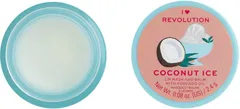
Works for:
based on ingredients and %- Moisturizing
Can it cause trouble?
- Irritation risk: medium
- Comedogenic risk ingredients: 2
Key actives
Works for
Moisturizing
What does the product description say?
Apply the balm liberally overnight to use as a deep hydrating mask or swipe on as needed to keep lips soft and nourished all day.
Source: Ulta
This product can help soften the skin and reduce its moisture loss with emollients and occlusives: cera microcristallina, copernicia cerifera wax.
Keep in mind that this product does not contain effective ingredients to attract water to the upper layer of the skin. This is why an additional product with humectants like glycerin or hyaluronic acid can be helpful (apply it before this product for the best results).
The following ingredients in this product are especially good for supporting the skin barrier and helping with the hydration level: paraffinum liquidum
Helps to soften the upper layer of the skin and create a nice product consistency
Mineral oil. One of the most effective and well studied occlusive and emollient moisturizing ingredients. Helps reduce moisture loss in skin and repair skin barrier function
Helps to soften the upper layer of the skin, reduce water loss from its surface and create a thicker product consistency
Helps to soften the upper layer of the skin
Used to improve the product consistency and soften the upper layer of the skin
A great moisturising ingredient that softens the skin and reduces water loss from its upper layer. It also can be helpful in protecting skin from free radicals
An emollient that helps soften the skin and could be helpful in repairing its barrier function
Softens the upper layer of skin and helps restore the healthy skin barrier. Has shown to help calm down inflammation in skin. It is a stable oil, meaning that it retains its properties even when exposed to air.
A good mix of fatty acids that forms a protective layer on the skin. Improves the shelf life of products. Derived from coconut and glycerin
Pure form of vitamin E. Can help moisturise and protect the skin from free radicals. Often used to help stabilise other ingredients or the formula itself
How honest is this product?
| Promise | Can it deliver? |
|---|---|
| Moisturizing |
Total Promises Fulfilled score: 100/100.
Potential irritants
Comedogenic ingredients
User reviews (0)
Averages from community submissions.
No reviews yet for this product.
Be the first to share your experience!
Tried this product?
Help capture what the ingredient list can't—texture, finish, pilling, scent, and more. Answer what you can, skip the rest.
Takes ~30 seconds.
Reviews are shown in aggregate. No personal details.
| Product | Similarity | Price | Irritancy |
|---|---|---|---|
 I Heart Revolution Lip Mask And Balm | Current | - | |
 Victoria's Secret Lip Mask Nourishing Lip Treatment | 50% | - | |
 ARITAUM Ginger Sugar Overnight Lip Mask | 49% | ≈ $15.67 | |
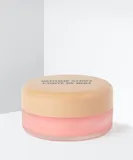 Jason Wu Beauty Good Night Mr. Wu Overnight Lip Mask | 44% | $21.00 | |
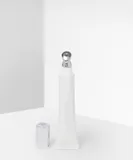 Sigma Beauty Conditioning Lip Mask | 35% | ≈ $22.66 | |
 ULTA Lip Sleeping Mask | 35% | - |
Key Actives
Pure form of vitamin E. Can help moisturise and protect the skin from free radicals. Often used to help stabilise other ingredients or the formula itself
A great moisturising ingredient that softens the skin and reduces water loss from its upper layer. It also can be helpful in protecting skin from free radicals
Helps to soften the upper layer of the skin, reduce water loss from its surface and create a thicker product consistency
Helps to soften the upper layer of the skin, reduce water loss from its surface and create a thicker product consistency
Mineral oil. One of the most effective and well studied occlusive and emollient moisturizing ingredients. Helps reduce moisture loss in skin and repair skin barrier function
Helps to soften the upper layer of the skin and create a nice product consistency
Octinoxate. When used in higher concentrations, works as a sunscreen protecting the skin from UVB rays. When used in lower concentration, helps to preserve the product formulation. Is shown to be harmful to coral reefs - consider avoiding bathing in coral reef areas when wearing a product with this ingredient. It can be irritating
Softens the upper layer of skin and helps restore the healthy skin barrier. Has shown to help calm down inflammation in skin. It is a stable oil, meaning that it retains its properties even when exposed to air.
An emollient that helps soften the skin and could be helpful in repairing its barrier function
A good mix of fatty acids that forms a protective layer on the skin. Improves the shelf life of products. Derived from coconut and glycerin
Potential irritants
An aromatic blend of unspecified and possibly irritating ingredients
Octinoxate. When used in higher concentrations, works as a sunscreen protecting the skin from UVB rays. When used in lower concentration, helps to preserve the product formulation. Is shown to be harmful to coral reefs - consider avoiding bathing in coral reef areas when wearing a product with this ingredient. It can be irritating
Fragrance with sweet balsamic smell. Help to preserve products and dissolve other ingredients. Could trigger allergic reactions and be irritating
Softens the upper layer of skin and helps restore the healthy skin barrier. Has shown to help calm down inflammation in skin. It is a stable oil, meaning that it retains its properties even when exposed to air.
A more stable but less bio-available form of vitamin E compared to Tocopherol. Might help moisturize and protect the skin from free radicals, but mostly used in low concentrations to stabilize other ingredients.
An emollient that helps soften the skin and could be helpful in repairing its barrier function
Used to stabilize the product formulation
A good mix of fatty acids that forms a protective layer on the skin. Improves the shelf life of products. Derived from coconut and glycerin
Comedogenic ingredients
A great moisturising ingredient that softens the skin and reduces water loss from its upper layer. It also can be helpful in protecting skin from free radicals
All ingredients
Used to improve the product consistency and soften the upper layer of the skin
Helps to soften the upper layer of the skin, reduce water loss from its surface and create a thicker product consistency
Helps to soften the upper layer of the skin, reduce water loss from its surface and create a thicker product consistency
Mineral oil. One of the most effective and well studied occlusive and emollient moisturizing ingredients. Helps reduce moisture loss in skin and repair skin barrier function
Used to stabilize product formulations and thicken product consistency
Helps to soften the upper layer of the skin and create a nice product consistency
A preservative. It helps prevent bacterial growth in cosmetic products
Used to create a thicker product consistency
A great moisturising ingredient that softens the skin and reduces water loss from its upper layer. It also can be helpful in protecting skin from free radicals
An aromatic blend of unspecified and possibly irritating ingredients
Octinoxate. When used in higher concentrations, works as a sunscreen protecting the skin from UVB rays. When used in lower concentration, helps to preserve the product formulation. Is shown to be harmful to coral reefs - consider avoiding bathing in coral reef areas when wearing a product with this ingredient. It can be irritating
Softens the upper layer of skin and helps restore the healthy skin barrier. Has shown to help calm down inflammation in skin. It is a stable oil, meaning that it retains its properties even when exposed to air.
A more stable but less bio-available form of vitamin E compared to Tocopherol. Might help moisturize and protect the skin from free radicals, but mostly used in low concentrations to stabilize other ingredients.
An emollient that helps soften the skin and could be helpful in repairing its barrier function
Used to stabilize the product formulation
Used to create a gel-like product texture
Used to increase stability of product formulations
Pure form of vitamin E. Can help moisturise and protect the skin from free radicals. Often used to help stabilise other ingredients or the formula itself
A good mix of fatty acids that forms a protective layer on the skin. Improves the shelf life of products. Derived from coconut and glycerin
Fragrance with sweet balsamic smell. Help to preserve products and dissolve other ingredients. Could trigger allergic reactions and be irritating
An umbrella term for the following three colorants: CI 77491, CI 77492, CI 77499. They might be able to offer some protection against visible light, but the degree of the protection is not clear
An umbrella term for the following three colorants: CI 77491, CI 77492, CI 77499. They might be able to offer some protection against visible light, but the degree of the protection is not clear
An umbrella term for the following three colorants: CI 77491, CI 77492, CI 77499. They might be able to offer some protection against visible light, but the degree of the protection is not clear
Ingredient list view
Hydrogenated polyisobutene, Diisostearyl malate, Bis-behenyl/isostearyl/phytosteryl dimer dilinoleyl dimer dilinoleate, Cera microcristallina, Microcrystalline wax, Cera microcristallina, Polyisobutene, Paraffinum liquidum, Synthetic wax, Copernicia cerifera wax, Phenoxyethanol, Ethylene/propylene/styrene copolymer, Butyrospermum parkii butter, Parfum, Ethylhexyl methoxycinnamate, Ethylhexylglycerin, Simmondsia chinensis seed oil, Tocopheryl acetate, Persea gratissima oil, Diethylhexyl syringylidenemalonate, Butylene/ethylene/styrene copolymer, Bht, Pentaerythrityl tetra-di-t-butyl hydroxyhydrocinnamate, Tocopherol, Caprylic/capric triglyceride, Benzyl benzoate, Ci 77492, Iron oxides, Ci 77491, Iron oxides, Ci 77499, Iron oxides, Ci 45410
- Final report of the cosmetic ingredient review expert panel on the safety assessment of Polyisobutene and Hydrogenated Polyisobutene as used in cosmetics
- A review on the extensive skin benefits of mineral oil
- Safety Assessment of Styrene and Vinyl-type Styrene Copolymers as Used in Cosmetics
- Safety Assessment of Pentaerythrityl Tetra-Di-t-Butyl Hydroxyhydrocinnamate as Used in Cosmetics