Works for
CleansingSodium cocoyl apple amino acids, Sodium cocoyl glutamate + 7 moreCleanses gently
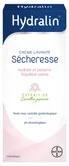
“Dryness Cleansing Cream”
This product works by removing dirt and oil from the surface of the skin. It uses a combination of mild cleansing agents (cetearyl alcohol, cetyl alcohol, cocamidopropyl hydroxysultaine, coco-glucoside, glycol distearate, peg-7 glyceryl cocoate, polysorbate 20, sodium cocoyl apple amino acids, sodium cocoyl glutamate) and should be able to cleanse the skin gently. Still keep in mind that any cleansing can disrupt the skin barrier, and most people do not need to cleanse their skin more than once per day.
Even though this formulation is mild, the following cleansing agents could trigger an irritation or allergy for some people: coco-glucoside
Can it cause trouble?
Irritancy1 strong irritant: ParfumMedium risk
Comedogenic2 ingredients rated 2 or more on the 0–5 pore-clogging scale2 flagged
User reviews
Be the first — your take helps the next person decide.
Ingredients
Filter by role to see what each ingredient is doing.
Water~45–55%
Sodium cocoyl apple amino acids~6.9–8.5%
Sodium cocoyl glutamate~4.5–5.5%
- Irritation risk
- Medium
Helps oil and water mix together
More about Sodium cocoyl glutamateCoco-glucoside~4.1–5.1%
- Irritation risk
- High
Used as a cleansing agent (surfactant) in cleansers. Helps water and oil mix together in lotions. Can be irritating
More about Coco-glucosidePeg-7 glyceryl cocoate~2.2–2.7%
- Irritation risk
- Medium
Helps oils and water mix together and works as a cleansing agent
More about Peg-7 glyceryl cocoateCetearyl alcohol~1.9–2.3%
- Irritation risk
- Low
- Comedogenicity
- 2/5
A non-drying alcohol. Works as an emollient. Helps water and oil mix together and creates a nice product texture
More about Cetearyl alcoholCetyl alcohol~1.6–2%
- Irritation risk
- Low
A non-drying alcohol that works to soften the skin and stabilize product formulations helping oil and water mix together
More about Cetyl alcoholCocamidopropyl hydroxysultaine~1.7–2.1%
- Irritation risk
- Medium
Used as a cleansing agent. Helps water and oil mix together
More about Cocamidopropyl hydroxysultaineLactic acid~1.1–1.4%
- Irritation risk
- Medium
An exfoliating and moisturizing alpha-hydroxy acid (AHA). Typically causes less irritation than other AHAs, for example, glycolic acid. At high concentrations (about 15%), lactic acid can help reduce lines and wrinkles. Recent studies show that lactic acid can support the "good" bacteria living on skin's surface (healthy skin microbiome)
More about Lactic acidPolysorbate 20~0.95–1.2%
Castoryl maleate~0.7–1.05%
- Irritation risk
- Low
Sorbitol~0.6–0.9%
- Irritation risk
- Low
Helps attract water to the upper layer of the skin and improves the product texture
More about SorbitolGlycol distearate~0.65–0.95%
- Irritation risk
- Medium
Helps water and oil mix together
More about Glycol distearateGuar hydroxypropyltrimonium chloride~0.5–0.8%
- Irritation risk
- Low
Helps water and oil mix together and create a nice product texture
More about Guar hydroxypropyltrimonium chloridePhospholipids~0.5–0.7%
- Irritation risk
- Low
Emollients that are naturaly present in skin. In addition, they help water and oil mix together in the product
More about PhospholipidsP-anisic acid~0.45–0.7%
- Irritation risk
- High
Helps preserve products. Can mask unpleasant smell. Could be irritating
More about P-anisic acidParfum~0.4–0.65%
- Irritation risk
- High
An aromatic blend of unspecified and possibly irritating ingredients
More about ParfumGlycine~0.35–0.65%
- Irritation risk
- Low
Helps to attract water to the upper layer of the skin and can help restore the skin barrier function
More about GlycineGlycine soja oil~0.35–0.6%
- Irritation risk
- Medium
- Comedogenicity
- 2/5
A good emollient that helps soften the skin and helps repair its barrier function. It can clog pores if used in high concentrations.
More about Glycine soja oilHydroxyethylcellulose~0.3–0.55%
- Irritation risk
- Low
Used to thicken product formulations and create gel-like textures
More about HydroxyethylcelluloseSodium benzoate~0.25–0.45%
Disodium edta~0.2–0.4%
Sodium hydroxide~0.2–0.35%
Glycolipids~0.15–0.3%
- Irritation risk
- Low
Caprylyl glycol~0.15–0.3%
- Irritation risk
- Medium
Helps preserve products and creates a nice product texture
More about Caprylyl glycolSodium chloride~0.15–0.3%
- Irritation risk
- Low
Used to stabilize mixtures of oil and water, and create thicker, gel-like product textures
More about Sodium chloride1,2-hexanediol~0.1–0.15%
Butylene glycol~0.05–0.15%
- Irritation risk
- Low
Used to create a nice product texture and help delivery of other ingredients. Might be somewhat helpful in attracting water to the upper layer of the skin
More about Butylene glycolGlycine soja sterols~0.1–0.2%
- Irritation risk
- Low
An emollient that helps soften the skin
More about Glycine soja sterolsTocopheryl acetate~0.05–0.1%
- Irritation risk
- Medium
A more stable but less bio-available form of vitamin E compared to Tocopherol. Might help moisturize and protect the skin from free radicals, but mostly used in low concentrations to stabilize other ingredients.
More about Tocopheryl acetateIngredient list view
Water, Sodium cocoyl apple amino acids, Sodium cocoyl glutamate, Coco-glucoside, Peg-7 glyceryl cocoate, Cetearyl alcohol, Cetyl alcohol, Cocamidopropyl hydroxysultaine, Lactic acid, Polysorbate 20, Castoryl maleate, Unknown, Sorbitol, Glycol distearate, Guar hydroxypropyltrimonium chloride, Phospholipids, P-anisic acid, Parfum, Glycine, Glycine soja oil, Hydroxyethylcellulose, Sodium benzoate, Disodium edta, Sodium hydroxide, Glycolipids, Caprylyl glycol, Sodium chloride, 1,2-hexanediol, Butylene glycol, Glycine soja sterols, Tocopheryl acetate
Compare prices
Retailers ranked by price — lowest first.
Affiliate links · As an Amazon Associate, WIMJ earns from qualifying purchases.
Worth comparing, line by line.
Match % combines shared ingredients, the first five ingredients, shared actives and hero ingredients, irritancy (lower counts in the alternative's favour), texture and body area. Only products in the same routine step are compared.
| HydralinDryness Cleansing CreamYOUR PRODUCT | NiveaIntimo Body Wash Lotion | SanexZero % Sensitive Skin Shower Gel | EucerinUrea Plus Shower Foam | |
|---|---|---|---|---|
| Match | — | 45% | 44% | 41% |
| Price | — | — | $1.50 | $10.52 |
| Shared key ingredients | — | 4 of 13 | 1 of 13 | 2 of 13 |
| Key difference | — | Bisabolol | Glycerin | Urea |
| Irritancy | Medium | Medium | Low | Medium |
| Drying alcohol | — | — | — | — |
| View product | Shop | Shop | Shop |


More alternatives: Hipp Wash Gel SensitiveThe Perfect V VV Beauty Sheets
Sources cited in this review
Every concentration estimate and effectiveness label is anchored to one of these 11 studies and safety reviews.
- 1
- 2
- 3
- 4Allergen of the Year—Alkyl Glucosidepracticeupdate.com
- 5Epidermal and dermal effects of topical lactic acidncbi.nlm.nih.gov
- 6Dual Effects of Alpha-Hydroxy Acids on the Skinpdfs.semanticscholar.org

Affiliate links · As an Amazon Associate, WIMJ earns from qualifying purchases.