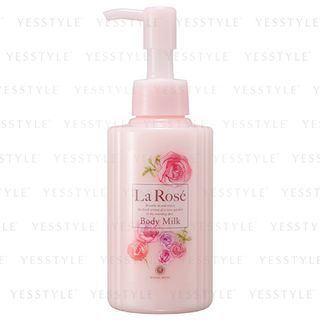
Works for
1 of 1 advertised claim delivered
Moisturizing16 ingredients credited for this claimGood support
“The moisturizing veil keeps your skin moisturized.”
This product can help improve hydration of the skin with the two types of ingredients.
The first type is called “humectants”:
these ingredients help attract water.
When humectants are on the surface of the skin, they “pull in” the moisture from the outside environment, or from
within deeper layers of the skin. The following ingredients in this product do the job:
arginine, glycerin.
This product also contains ingredients called “occlusives”. They help reduce the speed with which our skin loses moisture to the outside environment. These ingredients also help soften the upper layer of the skin, so it feels less tight and nicer to the touch. The following ingredients in this product do the job: arginine, beeswax.
Anti-oxidationNot advertised by the brand · 4 ingredients credited for this claimStrong support
This product contains antioxidants (vitis vinifera seed extract) that can help neutralize free radicals in skin. By doing so, they can lessen the damage the skin gets from the UV light (sun).
Anti-agingNot advertised by the brand · 2 ingredients credited for this claimModerate support
This product contains vitis vinifera seed extract. This ingredient might be able to help reduce and prevent fine lines and wrinkles, improve skin elasticity and firmness, but there is not enough evidence that it actually works.
Evens skin toneNot advertised by the brand · 1 ingredient credited for this claimModerate support
The following ingredient (ingredients) in this product might be helpful, but there is no evidence to confirm that it actually works: stearyl glycyrrhetinate.
Can it cause trouble?
Irritancy8 strong irritants: Rosa damascena bud extract, Rosa damascena flower extract + 6 more — patch-test recommendedHigh risk
ComedogenicClean of flagged comedogenic ingredientsNone flagged
User reviews
Be the first — your take helps the next person decide.
Ingredients
Filter by role to see what each ingredient is doing.
Water~45–55%
Glycerin~4.4–5.4%
- Irritation risk
- Low
One of the best moisturizing ingredients. Naturally present in skin. It attracts water to the upper layer of the skin working as a humectant
More about GlycerinButylene glycol~4–4.8%
- Irritation risk
- Low
Used to create a nice product texture and help delivery of other ingredients. Might be somewhat helpful in attracting water to the upper layer of the skin
More about Butylene glycolSimmondsia chinensis seed oil~3.2–3.9%
- Irritation risk
- Medium
Softens the upper layer of skin and helps restore the healthy skin barrier. Has shown to help calm down inflammation in skin. It is a stable oil, meaning that it retains its properties even when exposed to air.
More about Simmondsia chinensis seed oilHydrogenated polyisobutene~2.4–2.9%
- Irritation risk
- Low
Used to improve the product consistency and soften the upper layer of the skin
More about Hydrogenated polyisobuteneDiphenylsiloxy phenyl trimethicone~1.9–2.3%
- Irritation risk
- Low
Help improve the product's texture
More about Diphenylsiloxy phenyl trimethiconeBehenyl alcohol~1.7–2%
- Irritation risk
- Low
Non-drying alcohol that helps water and oil mix together. Also serves as an emollient
More about Behenyl alcoholGlyceryl myristate~1.5–1.8%
Rosa damascena bud extract~1.1–1.4%
- Irritation risk
- High
Rosa damascena flower extract~0.95–1.15%
Lac~0.65–1%
- Irritation risk
- Low
Helps form a film on the surface of the skin and disperse other ingredients (like colorants) in cosmetics. Lac is a resinous substance secreted by parasite insects living on trees
More about LacRosa damascena extract~0.55–0.85%
- Irritation risk
- High
Oil of a very fragrant pink rose used as fragrance in cosmetics. Extensive research has shown it has mixed benefits. In the pro column, inhaling this flower’s scent seems to have relaxing properties and the plant’s petals contain skin-soothing and antioxidant compounds that can benefit skin. On the flipside, the numerous chemicals that create this rose’s distinctive fragrance pose a risk of causing skin aggravation.
More about Rosa damascena extractRosa damascena flower extract~0.5–0.75%
Rosa canina seed oil~0.5–0.75%
- Irritation risk
- Medium
A plant oil that helps soften the upper layer of the skin. It might have anti-oxidant properties. Might help reduce inflammation in skin and help against blemishes
More about Rosa canina seed oilRosa damascena flower water~0.4–0.6%
- Irritation risk
- High
Used to add a nice rose smell to the product. Might help attract water to the upper layer of the skin and have some anti-oxidant effect. Can be irritating
More about Rosa damascena flower waterVitis vinifera seed extract~0.45–0.65%
- Irritation risk
- Low
A plant extract that contains resveratrol and other anti-oxidant compounds that can help neutralize free radicals, reduce inflammation in skin and even out its tone. Can be also used to stabilize the product formulation
More about Vitis vinifera seed extractMel~0.45–0.65%
- Irritation risk
- Low
Helps to soften the upper layer of the skin and attract water to it
More about MelTin~0.35–0.6%
Geranium maculatum oil~0.3–0.55%
Silk~0.3–0.6%
- Irritation risk
- Low
Sodium hyaluronate~0.3–0.5%
- Irritation risk
- Low
One of the best moisturizing ingredients. Attracts water into the upper layer of the skin
More about Sodium hyaluronateEthylhexylglycerin~0.3–0.5%
Stearyl glycyrrhetinate~0.25–0.45%
- Irritation risk
- Medium
A fatty acid derived from licorice. Works as an emollient and can help calm down inflammation
More about Stearyl glycyrrhetinateBeeswax~0.3–0.6%
- Irritation risk
- Low
Forms a protective barrier that holds water and keeps dry skin hydrated. Keeps an emulsion from separating into its oil and liquid components, and increases the thickness of a product. Can be an allergen
More about BeeswaxDimethicone~0.3–0.6%
- Irritation risk
- Low
A silicone that helps to reduce water loss from the surface of the skin. Can temporarily "fill in" lines and wrinkles, absorb oil, and create a nice product finish
More about DimethiconeAcrylates/ethylhexyl acrylate crosspolymer~0.25–0.5%
- Irritation risk
- Low
Sorbitan sesquioleate~0.25–0.5%
- Irritation risk
- High
Used to help oil and water mix together. Can be irritating
More about Sorbitan sesquioleateGlyceryl stearate~0.3–0.55%
- Irritation risk
- Low
An emollient that softens the skin and forms a protective layer on its surface. Helps water and oil mix together
More about Glyceryl stearateStearyl lactate~0.3–0.55%
- Irritation risk
- Low
Sclerotium gum~0.25–0.45%
- Irritation risk
- Low
Used to create gel-like formulas and stabilize emulsions
More about Sclerotium gumCarbomer~0.25–0.45%
- Irritation risk
- Low
Helps create a thicker or gel-like product texture. It is not a surfactant but can be used in gentle cleansing formulations
More about CarbomerArginine~0.2–0.4%
- Irritation risk
- Low
An amino acid that is naturally present in skin and helps keep it hydrated. When used together with AHAs, it can reduce their irritating effect on the skin
More about ArginineSilica~0.35–0.65%
Sodium metaphosphate~0.2–0.35%
Alcohol~0.15–0.3%
- Irritation risk
- High
Can be drying and contribute to skin irritation. Used in formulars to dissolve other ingredients, create a thinner product consistency or for its antibacterial properties
More about AlcoholTocopherol~0.15–0.3%
- Irritation risk
- Low
Pure form of vitamin E. Can help moisturise and protect the skin from free radicals. Often used to help stabilise other ingredients or the formula itself
More about TocopherolPhenoxyethanol~0.15–0.25%
- Irritation risk
- Low
A preservative. It helps prevent bacterial growth in cosmetic products
More about PhenoxyethanolMethylparaben~0.1–0.2%
Ethylparaben~0.1–0.2%
Parfum~0.05–0.1%
- Irritation risk
- High
An aromatic blend of unspecified and possibly irritating ingredients
More about ParfumIngredient list view
Water, Glycerin, Butylene glycol, Simmondsia chinensis seed oil, Hydrogenated polyisobutene, Diphenylsiloxy phenyl trimethicone, Behenyl alcohol, Unknown, Glyceryl myristate, Rosa damascena bud extract, Unknown, Rosa damascena flower extract, Lac, Rosa damascena extract, Rosa damascena flower extract, Rosa canina seed oil, Rosa damascena flower water, Vitis vinifera seed extract, Mel, Unknown, Tin, Unknown, Geranium maculatum oil, Silk, Sodium hyaluronate, Ethylhexylglycerin, Stearyl glycyrrhetinate, Beeswax, Dimethicone, Acrylates/ethylhexyl acrylate crosspolymer, Sorbitan sesquioleate, Glyceryl stearate, Unknown, Stearyl lactate, Sclerotium gum, Carbomer, Arginine, Silica, Sodium metaphosphate, Alcohol, Tocopherol, Phenoxyethanol, Methylparaben, Ethylparaben, Parfum
Compare prices
Retailers ranked by price — lowest first.

Sources cited in this review
Every concentration estimate and effectiveness label is anchored to one of these 17 studies and safety reviews.
- 1
- 2
- 3Nutrient composition of rose (Rosa canina L.) seed and oilsncbi.nlm.nih.gov
- 4
- 5
- 6

Affiliate links · As an Amazon Associate, WIMJ earns from qualifying purchases.