Works for:
based on ingredients and %- Anti-aging
- Exfoliation
- Moisturizing
Can it cause trouble?
- Irritation risk: high
- Comedogenic risk ingredients: 4
Key actives
Product Summary
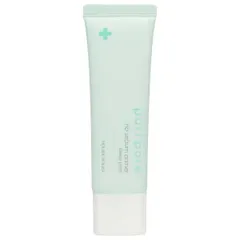
"Holika Holika - Puri Pore No Sebum Deep Pore Primer" is effective for: Exfoliation and Moisturizing
This product could be helpful for: Anti-aging, but its actives are not the most effective or are not well-studied.
Ingredient callouts
- Ceramides (ceramide ap 0.20% - 0.35% and ceramide np 0.40% - 0.60%). Ceramides are a type of lipids that our skin produces itself. They are a building block of the skin's barrier. Ceramides used in skincare are synthetic or extracted from plants. They work well for softening the skin surface and "patch holes" in the skin's barrier.
- Humectants (histidine 0.20% - 0.40%, alanine 0.30% - 0.55%, glycine 0.30% - 0.55%, pca 0.30% - 0.50%, aspartic acid 0.25% - 0.50%, hydroxyethyl urea 0.30% - 0.50%, arginine 0.25% - 0.50%, sodium lactate 0.30% - 0.50% and sodium pca 0.30% - 0.50%). These ingredients help attract water to the upper layer of the skin and improve the skin hydration.
Price
The product retails from 14.95£ up to 16.45£ in the United Kingdom.
For a detailed price comparison: click here.
Works for
Exfoliation
This product can help exfoliate the skin. In other words, it helps break down the bonds between dead cells on the surface of the skin and speed up the skin turnover. Skin often appears softer and brighter after exfoliation, but overdoing it can result in disrupted skin barrier. The following ingredient is doing the exfoliating job in this product: hydroxyethyl urea.
A derivative of urea, a compound that is naturally present in skin. Attracts water to the upper layer of the skin. Can enhance penetration of other ingredients
Moisturizing
This product can help improve hydration of the skin with the two types of ingredients.
The first type is called “humectants”:
these ingredients help attract water.
When humectants are on the surface of the skin, they “pull in” the moisture from the outside environment, or from
within deeper layers of the skin. The following ingredients in this product do the job:
alanine, arginine.
This product also contains ingredients called “occlusives”. They help reduce the speed with which our skin loses moisture to the outside environment. These ingredients also help soften the upper layer of the skin, so it feels less tight and nicer to the touch. The following ingredients in this product do the job: arginine, dimethicone.
The following ingredients in this product are especially good for supporting the skin barrier and helping with the hydration level: ceramide ap, ceramide np
An amino-acid that helps to attract water to the upper layer of the skin. In combination with other amino-acids, might help to reduce fine lines and wrinkles
A marine extract that helps attract water to the upper layer of the skin. It is claimed to have anti-inflammatory properties but research is lacking
An amino acid that is naturally present in skin and helps keep it hydrated. When used together with AHAs, it can reduce their irritating effect on the skin
An amino-acid that helps increase skin hydration and might help to slightly improve skin firmness, potentially reducing lines and wrinkles
A type of lipid similar to ceramides naturally present in skin. Helps to soften the upper layer of the skin and supports the skin barrier function to keep it hydrated. Can help to prevent inflammation in skin
A type of lipid similar to ceramides naturally present in skin. Helps to soften the upper layer of the skin and supports the skin barrier function to keep it hydrated. Can help to prevent inflammation in skin
A silicone that helps to reduce water loss from the surface of the skin. Can temporarily "fill in" lines and wrinkles, absorb oil, and create a nice product finish
Helps to attract water to the upper layer of the skin and can help restore the skin barrier function
An emollient that helps soften the skin
A type of lipids naturally present in skin. They can be converted to ceramides in skin
A derivative of urea, a compound that is naturally present in skin. Attracts water to the upper layer of the skin. Can enhance penetration of other ingredients
An amino acid that can help attract water to the upper layer of the skin and support skin's barrier function
Naturally present in skin and helps to attract water to its upper layer
A silicone that works to soften the upper layer of the skin and reduce its water loss
An amino-acid that helps to attract water to the upper layer of the skin. In combination with other amino-acids, might help to reduce fine lines and wrinkles
Helps attract water to the upper layer of the skin. Is often used to adjust the pH level of the product
Naturally present in skin and helps to attract water to its upper layer
An amino-acid that helps to attract water to the upper layer of the skin and might help to lighten the skin, but solid evidence is lacking
A non-drying alcohol. Works as an emollient. Helps water and oil mix together and creates a nice product texture
Used to create a thicker product texture. Helps soften the upper layer of the skin and might be able to prevent moisture loss from its surface
A silicone that helps improve the product texture and spreadability. Can absorb oil creating a short-term mattifying effect on the skin
An emollient that helps soften the skin and can decrease moisture loss. Helps create a nice product texture
Forms a protective film on the surface of the skin to prevent moisture loss. Gives a velvety feel to products while reducing tackiness
Used to create a nice product texture and help delivery of other ingredients. Might be somewhat helpful in attracting water to the upper layer of the skin
Helps to soften the upper layer of the skin and create a nice product texture
A silicone that serves as an emollient. Helps create a nice non-greasy feels
Helps soften the upper layer of the skin and improve the product consistency
An emollient that softens the skin and forms a protective layer on its surface. Helps water and oil mix together
Helps soften the upper layer of the skin and create a nice product consistency
A great moisturising ingredient that softens the skin and reduces water loss from its upper layer. It also can be helpful in protecting skin from free radicals
A salt derived from licorice. Works as an emollient to soften the upper layer of the skin and can help calm down inflammation. Might be helpful for skin lightening
Used mostly for creating emulsions - helping oil and water mix together. Helps soften the upper layer of the skin
Helps oil and water mix together and works as an emollient
Can contain potent anti-oxidant compounds (abbreviated ECG, GCG, EGC, and EGCG) that might help protect the skin from free radicals. Can help calm down inflammation and has some anti-bacterial properties. Unfortunately, these antioxidants are unstable and lose their effectiveness very quickly in products. The concentration of the antioxidant compounds in the extract also tends to be low to be effective in topical formulation
Anti-aging
What does the product description say?
Key benefits , Dermatologist tested , Smoothens fine wrinkles and pores , Controls sebum , Keeps make-up matte , Protects skin from harmful external environment , Primer is suitable for combination, oily and even sensitive skin Ingredients
Source: Feelunique
This product contains aspartic acid, serine, threonine. These ingredients might be able to help reduce and prevent fine lines and wrinkles, improve skin elasticity and firmness, but there is not enough evidence that it actually works.
An amino-acid that helps increase skin hydration and might help to slightly improve skin firmness, potentially reducing lines and wrinkles
An amino-acid that helps to attract water to the upper layer of the skin. In combination with other amino-acids, might help to reduce fine lines and wrinkles
An amino-acid that helps to attract water to the upper layer of the skin. In combination with other amino-acids, might help to reduce fine lines and wrinkles
A great moisturising ingredient that softens the skin and reduces water loss from its upper layer. It also can be helpful in protecting skin from free radicals
Can contain potent anti-oxidant compounds (abbreviated ECG, GCG, EGC, and EGCG) that might help protect the skin from free radicals. Can help calm down inflammation and has some anti-bacterial properties. Unfortunately, these antioxidants are unstable and lose their effectiveness very quickly in products. The concentration of the antioxidant compounds in the extract also tends to be low to be effective in topical formulation
How honest is this product?
| Promise | Can it deliver? |
|---|---|
| Anti-aging |
Total Promises Fulfilled score: 75/100.
We receive a small commission for purchases made through these links at no cost for you. Thank you for your support! Learn more
Affiliate link · supports WIMJ at no cost to you
Potential irritants
Comedogenic ingredients
User reviews (0)
Averages from community submissions.
No reviews yet for this product.
Be the first to share your experience!
Tried this product?
Help capture what the ingredient list can't—texture, finish, pilling, scent, and more. Answer what you can, skip the rest.
Takes ~30 seconds.
Reviews are shown in aggregate. No personal details.
Key Actives
Can contain potent anti-oxidant compounds (abbreviated ECG, GCG, EGC, and EGCG) that might help protect the skin from free radicals. Can help calm down inflammation and has some anti-bacterial properties. Unfortunately, these antioxidants are unstable and lose their effectiveness very quickly in products. The concentration of the antioxidant compounds in the extract also tends to be low to be effective in topical formulation
A type of lipid similar to ceramides naturally present in skin. Helps to soften the upper layer of the skin and supports the skin barrier function to keep it hydrated. Can help to prevent inflammation in skin
A great moisturising ingredient that softens the skin and reduces water loss from its upper layer. It also can be helpful in protecting skin from free radicals
A salt derived from licorice. Works as an emollient to soften the upper layer of the skin and can help calm down inflammation. Might be helpful for skin lightening
A type of lipid similar to ceramides naturally present in skin. Helps to soften the upper layer of the skin and supports the skin barrier function to keep it hydrated. Can help to prevent inflammation in skin
A silicone that helps improve the product texture and spreadability. Can absorb oil creating a short-term mattifying effect on the skin
A silicone that helps to reduce water loss from the surface of the skin. Can temporarily "fill in" lines and wrinkles, absorb oil, and create a nice product finish
A derivative of urea, a compound that is naturally present in skin. Attracts water to the upper layer of the skin. Can enhance penetration of other ingredients
An amino-acid that helps increase skin hydration and might help to slightly improve skin firmness, potentially reducing lines and wrinkles
An amino-acid that helps to attract water to the upper layer of the skin and might help to lighten the skin, but solid evidence is lacking
An amino-acid that helps to attract water to the upper layer of the skin. In combination with other amino-acids, might help to reduce fine lines and wrinkles
An amino-acid that helps to attract water to the upper layer of the skin. In combination with other amino-acids, might help to reduce fine lines and wrinkles
Helps thicken the product consistency
A silicone that works to soften the upper layer of the skin and reduce its water loss
Works as a UV filter when used in high concentrations. It is photostable and is effective mostly against the UVB light, with some protection in the UVA range. In small concentrations, used for its ability to improve the color of cosmetic products. Is usually well tolerated by the skin
An emollient that helps soften the skin
Naturally present in skin and helps to attract water to its upper layer
Helps attract water to the upper layer of the skin. Is often used to adjust the pH level of the product
An amino acid that is naturally present in skin and helps keep it hydrated. When used together with AHAs, it can reduce their irritating effect on the skin
A marine extract that helps attract water to the upper layer of the skin. It is claimed to have anti-inflammatory properties but research is lacking
Naturally present in skin and helps to attract water to its upper layer
A type of lipids naturally present in skin. They can be converted to ceramides in skin
Helps to attract water to the upper layer of the skin and can help restore the skin barrier function
An amino acid that can help attract water to the upper layer of the skin and support skin's barrier function
Potential irritants
An essentil oil from orange peel. Potential allergen and can be irritating
An essential oil. Potential allergen and can be irritating. It has some anti-bacterial properties
An essential oil. Can be irritating. Can become an allergen with oxidation
Used as a fragrance. It can be irritating and cause photosensitivity
An essential oil that can be irritating. Has some anti-bacterial properties
An essential oil that can be very irritating. Has some anti-bacterial properties
A plant oil with a high content of volatile compounds that can irritate the skin and lead to allergic reactions. Can lead to photosensitivity
Plant oil that can have healing and anti-inflammatory properties. It contains volatile compouunds that are potential allergens and can be irritating
A more stable but less bio-available form of vitamin E compared to Tocopherol. Might help moisturize and protect the skin from free radicals, but mostly used in low concentrations to stabilize other ingredients.
Used to stabilize product formulation, help create an even product layer over skin (for example, in sunscreen), evenly disperse pigements and create a nice product consistency
Helps soften the upper layer of the skin and create a more even product formulation
Helps attract water to the upper layer of the skin. Is often used to adjust the pH level of the product
Helps water and oil in the product mix well together and improves product texture
Helps oil and water mix together. Has some emollient properties
Comedogenic ingredients
A non-drying alcohol. Works as an emollient. Helps water and oil mix together and creates a nice product texture
Helps oil and water mix together. Has some emollient properties
A great moisturising ingredient that softens the skin and reduces water loss from its upper layer. It also can be helpful in protecting skin from free radicals
All ingredients
A silicone that helps improve the product texture and spreadability. Can absorb oil creating a short-term mattifying effect on the skin
A silicone that helps to reduce water loss from the surface of the skin. Can temporarily "fill in" lines and wrinkles, absorb oil, and create a nice product finish
Used to stabilize product formulations and create a nice product texture
Used to create a thicker product texture. Helps soften the upper layer of the skin and might be able to prevent moisture loss from its surface
Forms a protective film on the surface of the skin to prevent moisture loss. Gives a velvety feel to products while reducing tackiness
Creates an illusion of smoother and more radiant skin tone. Adds shimmer to the skin by reflecting light
A silicone that serves as an emollient. Helps create a nice non-greasy feels
An emollient that helps soften the skin and can decrease moisture loss. Helps create a nice product texture
A silicone that works to soften the upper layer of the skin and reduce its water loss
A more stable but less bio-available form of vitamin E compared to Tocopherol. Might help moisturize and protect the skin from free radicals, but mostly used in low concentrations to stabilize other ingredients.
Used to stabilize product formulation, help create an even product layer over skin (for example, in sunscreen), evenly disperse pigements and create a nice product consistency
Helps to retain moisture by creating a protective barrier on the skin. Rich in fatty acids. Improves product texture and helps with the penetration of other ingredients.
Works as a UV filter when used in high concentrations. It is photostable and is effective mostly against the UVB light, with some protection in the UVA range. In small concentrations, used for its ability to improve the color of cosmetic products. Is usually well tolerated by the skin
An essentil oil from orange peel. Potential allergen and can be irritating
An essential oil. Potential allergen and can be irritating. It has some anti-bacterial properties
An essential oil. Can be irritating. Can become an allergen with oxidation
Used as a fragrance. It can be irritating and cause photosensitivity
An essential oil that can be irritating. Has some anti-bacterial properties
An essential oil that can be very irritating. Has some anti-bacterial properties
A plant oil with a high content of volatile compounds that can irritate the skin and lead to allergic reactions. Can lead to photosensitivity
A type of silicone that helps oil and water mix well together. Helps to disperse other ingredients, e.g. pigments, evenly in a formulation
Used to create a nice product texture and help delivery of other ingredients. Might be somewhat helpful in attracting water to the upper layer of the skin
Plant oil that can have healing and anti-inflammatory properties. It contains volatile compouunds that are potential allergens and can be irritating
A non-drying alcohol. Works as an emollient. Helps water and oil mix together and creates a nice product texture
An emollient that softens the skin and forms a protective layer on its surface. Helps water and oil mix together
Helps soften the upper layer of the skin and improve the product consistency
Helps soften the upper layer of the skin and create a nice product consistency
Naturally present in skin and helps to attract water to its upper layer
Helps soften the upper layer of the skin and create a more even product formulation
Helps attract water to the upper layer of the skin. Is often used to adjust the pH level of the product
Used mostly for creating emulsions - helping oil and water mix together. Helps soften the upper layer of the skin
Helps water and oil in the product mix well together and improves product texture
A type of lipid similar to ceramides naturally present in skin. Helps to soften the upper layer of the skin and supports the skin barrier function to keep it hydrated. Can help to prevent inflammation in skin
Helps to soften the upper layer of the skin and create a nice product texture
A preservative. It helps prevent bacterial growth in cosmetic products
An amino acid that is naturally present in skin and helps keep it hydrated. When used together with AHAs, it can reduce their irritating effect on the skin
A marine extract that helps attract water to the upper layer of the skin. It is claimed to have anti-inflammatory properties but research is lacking
A derivative of urea, a compound that is naturally present in skin. Attracts water to the upper layer of the skin. Can enhance penetration of other ingredients
An amino-acid that helps increase skin hydration and might help to slightly improve skin firmness, potentially reducing lines and wrinkles
Naturally present in skin and helps to attract water to its upper layer
Can contain potent anti-oxidant compounds (abbreviated ECG, GCG, EGC, and EGCG) that might help protect the skin from free radicals. Can help calm down inflammation and has some anti-bacterial properties. Unfortunately, these antioxidants are unstable and lose their effectiveness very quickly in products. The concentration of the antioxidant compounds in the extract also tends to be low to be effective in topical formulation
A type of lipids naturally present in skin. They can be converted to ceramides in skin
Helps oil and water mix together. Has some emollient properties
A great moisturising ingredient that softens the skin and reduces water loss from its upper layer. It also can be helpful in protecting skin from free radicals
Helps to attract water to the upper layer of the skin and can help restore the skin barrier function
An amino-acid that helps to attract water to the upper layer of the skin and might help to lighten the skin, but solid evidence is lacking
An amino-acid that helps to attract water to the upper layer of the skin. In combination with other amino-acids, might help to reduce fine lines and wrinkles
A salt derived from licorice. Works as an emollient to soften the upper layer of the skin and can help calm down inflammation. Might be helpful for skin lightening
An amino acid that can help attract water to the upper layer of the skin and support skin's barrier function
An amino-acid that helps to attract water to the upper layer of the skin. In combination with other amino-acids, might help to reduce fine lines and wrinkles
A type of lipid similar to ceramides naturally present in skin. Helps to soften the upper layer of the skin and supports the skin barrier function to keep it hydrated. Can help to prevent inflammation in skin
Ingredient list view
Cyclopentasiloxane, Dimethicone, Dimethicone/vinyl dimethicone crosspolymer, Dimethicone crosspolymer, Isononyl isononanoate, Mica, Cyclohexasiloxane, Silica, Methyl methacrylate crosspolymer, Isododecane, Ethylene/methacrylate copolymer, Peg-10 dimethicone, Silica silylate, Tocopheryl acetate, Water, Acrylates/dimethicone copolymer, Sodium benzoate, Hydrogenated lecithin, Titanium dioxide, Ci 77891, Potassium sorbate, Citrus aurantium dulcis peel oil, Lavandula angustifolia oil, Pelargonium graveolens flower oil, Amyris balsamifera bark oil, Citrus aurantium dulcis oil, Citrus paradisi peel oil, Melaleuca alternifolia leaf oil, Eucalyptus globulus leaf oil, Citrus aurantium bergamia fruit oil, Boswellia carterii oil, Juniperus mexicana oil, Triethoxycaprylylsilane, Butylene glycol, Geranium maculatum oil, Santalum album oil, Rose flower oil, Chamomilla recutita flower oil, Cetearyl alcohol, Glyceryl stearate, Stearic acid, Ethylhexyl isononanoate, Phytosteryl/isostearyl/cetyl/stearyl/behenyl dimer dilinoleate, Hydroxypropyl bispalmitamide mea, Glycine soja sterols, Sodium pca, Meadowfoam estolide, Styrax benzoin gum, Sodium lactate, Lecithin, Cetearyl glucoside, Ceramide np, Commiphora myrrha oil, Hydrogenated polydecene, Phenoxyethanol, Arginine, Alteromonas ferment extract, Hydroxyethyl urea, Aspartic acid, Pca, Camellia sinensis leaf extract, Glycosphingolipids, Glyceryl citrate/lactate/linoleate/oleate, Ceteareth-20, Butyrospermum parkii butter, Glycine, Alanine, Gossypium herbaceum extract, Ethylhexylglycerin, Serine, Valine, 1,2-hexanediol, Dipotassium glycyrrhizate, Isoleucine, Proline, Threonine, Histidine, Phenylalanine, Ceramide ap
- Dimethicone as a protective ingredient in topical medications
- Final Report on the Safety Assessment of Dimethicone Copolyol
- Fragrance Compound Geraniol Forms Contact Allergens on Air Exposure. Identification and Quantification of Oxidation Products and Effect on Skin Sensitization
- Safety Assessment of Citrus-Derived Peel Oils as Used in Cosmetics
- Oxidized citrus oil (R-limonene): A frequent skin sensitizer in Europe
- Air oxidation increases skin irritation from fragrance terpenes
- Oxidized citrus oil (R-limonene): A frequent skin sensitizer in Europe
- Amended Safety Assessment of Alkyl Esters as Used in Cosmetics
- Skin hydration is significantly increased by a cream formulated to mimic the skin’s own natural moisturizing systems
- Topically Applied Ceramides Interact with the Stratum Corneum Lipid Matrix in Compromised Ex Vivo Skin
- Safety Assessment of Polyene Group as Used in Cosmetics
- Safety Assessment of Hydroxyethyl Urea As Used in Cosmetics
- Acetyl aspartic acid, a novel active ingredient, demonstrates potential to improve signs of skin ageing: from consumer need to clinical proof
- In vivo topical application of acetyl aspartic acid increases fibrillin-1 and collagen IV deposition leading to a significant improvement of skin firmness
- Effect of Topical Application of Glycine and Proline on Recalcitrant Leg Ulcers of Prolidase Deficiency
- Functional glycine receptor in cultured human keratinocytes
- Combination of amino acids reduces pigmentation in B16F0 melanoma cells
- Topical palmitoyl pentapeptide provides improvement in photoaged human facial skin
- The influence of alkane chain length on the skin irritation potential of 1,2-alkanediols
- Ameliorating effect of dipotassium glycyrrhizinate on an IL-4- and IL-13-induced atopic dermatitis-like skin-equivalent model
- Final report on the safety assessment of Glycyrrhetinic Acid, Potassium Glycyrrhetinate, Disodium Succinoyl Glycyrrhetinate, Glyceryl Glycyrrhetinate, Glycyrrhetinyl Stearate, Stearyl Glycyrrhetinate, Glycyrrhizic Acid, Ammonium Glycyrrhizate, Dipotassium Glycyrrhizate, Disodium Glycyrrhizate, Trisodium Glycyrrhizate, Methyl Glycyrrhizate, and Potassium Glycyrrhizinate.
- Local rhamnosoft, ceramides and L‐isoleucine in atopic eczema: a randomized, placebo controlled trial
- Histidine and/or Histidine Derivative for the Treatment of Inflammatory Skin Diseases
- Safety Assessment of α-Amino Acids as Used in Cosmetics