Works for:
based on ingredients and %- Cleansing
Can it cause trouble?
- Irritation risk: high
- Comedogenic risk ingredients: 1
Key actives
Works for
Cleansing
What does the product description say?
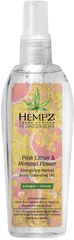
Fresh Fusions Pink Citron & Mimosa Flower Energizing Herbal Body Cleansing Oil
Source: From product name
This product works by removing dirt and oil from the surface of the skin. It uses a combination of mild cleansing agents (cocamide mipa, glyceryl caprylate/caprate, polysorbate 80, potassium cocoyl glycinate, sorbitan oleate) and should be able to cleanse the skin gently. Still keep in mind that any cleansing can disrupt the skin barrier, and most people do not need to cleanse their skin more than once per day.
Surfactant - foam booster, viscosity increasing agent - aqueous, emulsifying, emulsion stabilising, foam boosting, surfactant, and viscosity controlling. Comes from coconut acid. Doesn't appear to be a common irritant
Helps water and oil mix together
Helps oil and water mix together
How honest is this product?
| Promise | Can it deliver? |
|---|---|
| Cleansing |
Total Promises Fulfilled score: 100/100.
We receive a small commission for purchases made through these links at no cost for you. Thank you for your support! Learn more
Affiliate link · supports WIMJ at no cost to you
Potential irritants
Comedogenic ingredients
User reviews (0)
Averages from community submissions.
No reviews yet for this product.
Be the first to share your experience!
Tried this product?
Help capture what the ingredient list can't—texture, finish, pilling, scent, and more. Answer what you can, skip the rest.
Takes ~30 seconds.
Reviews are shown in aggregate. No personal details.
| Product | Similarity | Price | Irritancy |
|---|---|---|---|
 Hempz Fresh Fusions Pink Citron & Mimosa Flower Energizing Herbal Body Cleansing Oil | Current | - | |
 ESPA Fitness Shower Oil | 27% | ≈ $6.67 | |
 Kopari Beauty Toasted Vanilla Hydrating Vitamin C Shower Oil | 26% | $32.00 | |
 8.4 fl oz Shower Oil | 24% | - | |
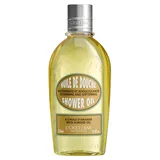 L'Occitane Shower Oil - Almond | 24% | ≈ $26.83 | |
 innisfree Nourishing body oil cleanser | 24% | $18.00 |
Key Actives
Pure form of vitamin E. Can help moisturise and protect the skin from free radicals. Often used to help stabilise other ingredients or the formula itself
Helps attract water to the upper layer of the skin and can help improve skin barrier function
A great emollient that can also have anti-oxidant properties
A mix of amino acids and plant-based lipids. Helps to soften the upper layer of the skin and reduce water loss over time
Helps support skin barrier function improving skin hydration and reducing sensitivity
Helps soften the upper layer of the skin
A good mix of fatty acids that forms a protective layer on the skin. Improves the shelf life of products. Derived from coconut and glycerin
Surfactant - foam booster, viscosity increasing agent - aqueous, emulsifying, emulsion stabilising, foam boosting, surfactant, and viscosity controlling. Comes from coconut acid. Doesn't appear to be a common irritant
Helps oil and water mix together
Helps soften the upper layer of the skin
A plant oil that due to its high linoleic acid content can help strengthen skin's barrier function and soften its upper layer
One of the best moisturizing ingredients. Naturally present in skin. It attracts water to the upper layer of the skin working as a humectant
An oil naturally present in skin. Works as an emollient to soften the skin and form a protective layer on its surface without a greasy feeling.
Helps soften the upper layer of the skin
Potential irritants
A common frangrance that can easily irritate skin, especially if exposed to air, light or heat
Fragrance with sweet balsamic smell. Help to preserve products and dissolve other ingredients. Could trigger allergic reactions and be irritating
Can be helpful in reducing inflammation in skin, including inflamed acne. It can be irritating
A great emollient that can also have anti-oxidant properties
A good mix of fatty acids that forms a protective layer on the skin. Improves the shelf life of products. Derived from coconut and glycerin
A plant oil that due to its high linoleic acid content can help strengthen skin's barrier function and soften its upper layer
A derivative of vitamin C that is more stable, but less bioavailable than the pure form of vitamin C. It does not penetrate the skin well, but has been shown to convert to pure vitamin C once in skin. It can be helpful in stimulating collagen production and lightening the skin tone, but the required concentration is likely to be very high
A more stable but less bio-available form of vitamin E compared to Tocopherol. Might help moisturize and protect the skin from free radicals, but mostly used in low concentrations to stabilize other ingredients.
Can work as an exfoliant but is typically used to adjust the product pH
Comedogenic ingredients
All ingredients
A great emollient that can also have anti-oxidant properties
A good mix of fatty acids that forms a protective layer on the skin. Improves the shelf life of products. Derived from coconut and glycerin
Surfactant - foam booster, viscosity increasing agent - aqueous, emulsifying, emulsion stabilising, foam boosting, surfactant, and viscosity controlling. Comes from coconut acid. Doesn't appear to be a common irritant
A mix of amino acids and plant-based lipids. Helps to soften the upper layer of the skin and reduce water loss over time
A plant oil that due to its high linoleic acid content can help strengthen skin's barrier function and soften its upper layer
Pure form of vitamin E. Can help moisturise and protect the skin from free radicals. Often used to help stabilise other ingredients or the formula itself
Helps support skin barrier function improving skin hydration and reducing sensitivity
A derivative of vitamin C that is more stable, but less bioavailable than the pure form of vitamin C. It does not penetrate the skin well, but has been shown to convert to pure vitamin C once in skin. It can be helpful in stimulating collagen production and lightening the skin tone, but the required concentration is likely to be very high
Helps attract water to the upper layer of the skin and can help improve skin barrier function
A common frangrance that can easily irritate skin, especially if exposed to air, light or heat
A preservative. It helps prevent bacterial growth in cosmetic products
One of the best moisturizing ingredients. Naturally present in skin. It attracts water to the upper layer of the skin working as a humectant
Fragrance with sweet balsamic smell. Help to preserve products and dissolve other ingredients. Could trigger allergic reactions and be irritating
An oil naturally present in skin. Works as an emollient to soften the skin and form a protective layer on its surface without a greasy feeling.
Can be helpful in reducing inflammation in skin, including inflamed acne. It can be irritating
A more stable but less bio-available form of vitamin E compared to Tocopherol. Might help moisturize and protect the skin from free radicals, but mostly used in low concentrations to stabilize other ingredients.
Used to create a nice product texture and help delivery of other ingredients. Might be somewhat helpful in attracting water to the upper layer of the skin
Can work as an exfoliant but is typically used to adjust the product pH
Ingredient list view
Vitis vinifera seed oil, Glyceryl caprylate/caprate, Prunus amygdalus dulcis seed, Polysorbate 80, Caprylic/capric triglyceride, Cocamide mipa, Parfum, Sorbitan oleate, Ethylhexyl olivate, Phytosteryl/octyldodecyl lauroyl glutamate, Cannabis sativa seed oil, Citrus medica vulgaris fruit extract, Mimosa tenuiflora bark extract, Tocopherol, Calcium pantothenate, Magnesium ascorbyl phosphate, Panthenol, Potassium cocoyl glycinate, Oryza sativa bran extract, Limonene, Phenoxyethanol, Glycerin, Benzyl benzoate, Linalool, O-cymen-5-ol, Geraniol, Squalane, Citral, Helianthus annuus extract, Rosmarinus officinalis leaf extract, Tocopheryl acetate, Butylene glycol, Water, Sodium benzoate, Citric acid, Potassium sorbate
- Surfactants and experimental irritant contact dermatitis
- Hemp (Cannabis sativa L.) seed oil: Analytical and phytochemical characterization of unsaponifiable fraction
- Hemp (Cannabis sativa L.) as a Resource for Green Cosmetics
- Vitamin E in dermatology
- Vitamin E and Skin Health
- Calcium pantothenate modulates gene expression in proliferating human dermal fibroblasts
- Dexpanthenol Modulates Gene Expression in Skin Wound Healing in vivo
- Dexapanthenol enhances skin barrier repair and reduces inflammation after sodium lauryl sulphate-induced irritation
- Stability, transdermal penetration, and cutaneous effects of ascorbic acid and its derivatives
- Topical L-ascorbic acid: percutaneous absorption studies
- Skin moisturizing effects of panthenol-based formulations
- Safety Assessment of Panthenol, Pantothenic Acid, and Derivatives as Used in Cosmetics
- Glycerol and the skin: holistic approach to its origin and functions
- Final Report on the Safety Assessment of Sodium p-Chloro-m-Cresol, p-Chloro-m-Cresol, Chlorothymol, Mixed Cresols, m-Cresol, o-Cresol, p-Cresol, Isopropyl Cresols, Thymol, o-Cymen-5-ol, and Carvacrol
- Allergic contact dermatitis caused by isopropyl methylphenol, a new hapten
- Annex I: Clinical evidence regarding sensitisation to individual fragrance chemicals and to natural extracts
- Allergic contact dermatitis induced by rosemary leaf extract in a cleansing gel
- Safety Assessment of Rosmarinus officinalis (Rosemary)-Derived Ingredients as Used in Cosmetics
- Rosmarinus officinalis Extract Suppresses Propionibacterium acnes–Induced Inflammatory Responses