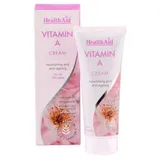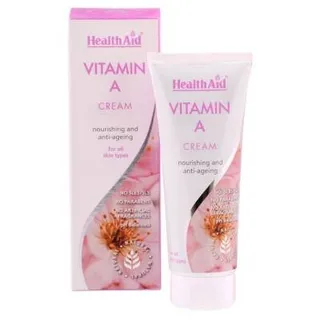
HealthAid Vitamin A+Lipozomes Cream

HealthAid Vitamin A+Lipozomes Cream

Efficacy62/100IrritancyHigh

Works for

Anti-aging
Retinyl palmitate, Prunus amygdalus dulcis oil + 1 more
May help
What the product description says
“Vitamin A Cream contains Vitamin A, which may have anti-ageing properties and improve the texture and elasticity of aged skin to therefore help improve wrinkles.”
Source: Feelunique

This product contains retinyl palmitate. There is some human evidence that this ingredient helps reduce and prevent fine lines and wrinkles and improve skin elasticity and firmness, though it is smaller or less consistent than the evidence for the best anti-aging ingredients.

Retinyl palmitateKey activeEffect: MediumThree steps removed from the active form of vitamin A - retinoic acid. To have an effect in the skin, it first needs to be converted twice to become the retinoic acid. This means it is less potent than retinol, but could also be less irritating. Once converted to the retinoic acid in the skin, it helps against all signs of aging, improves skin cell turnover and helps fight blemishes and clogged pores. However, in many cosmetic formulations, it is used in a concentration that is too low to have the full effect~1.6–2.4%
Prunus amygdalus dulcis oilEffect: LowAn emollient that softens the skin~3.9–5.8%
TocopherolEffect: LowPure form of vitamin E. Can help moisturise and protect the skin from free radicals. Often used to help stabilise other ingredients or the formula itself~1.3–1.9%
Moisturizing
Cetearyl alcohol, Prunus amygdalus dulcis oil + 3 more
Not delivered
What the product description says
“HealthAid has formulated this cream using high quality Vitamin A, which is readily absorbed, non-greasy and helps to nourish, moisturise and restore your skin's natural texture.”
Source: Feelunique

Does not contain the most effective ingredients for moisturization. The emollients (cetearyl alcohol, prunus amygdalus dulcis oil) can help soften the upper layer of the skin. Keep in mind though that this product lacks humectants that attract water. You might want to use a separate product with ingredients like hyaluronic acid or glycerin in addition (use before this product for the best results).

Cetearyl alcohol· EmollientEffect: MediumA non-drying alcohol. Works as an emollient. Helps water and oil mix together and creates a nice product texture~5.9–8.9%
Prunus amygdalus dulcis oil· EmollientEffect: MediumAn emollient that softens the skin~3.9–5.8%
Stearic acid· EmollientEffect: LowHelps oil and water mix together and works as an emollient~2.6–3.8%
Glyceryl stearate· EmollientEffect: LowAn emollient that softens the skin and forms a protective layer on its surface. Helps water and oil mix together~2–3%
TocopherolEffect: LowPure form of vitamin E. Can help moisturise and protect the skin from free radicals. Often used to help stabilise other ingredients or the formula itself~1.3–1.9%
Anti-oxidation
Side benefit · Tocopherol, Prunus amygdalus dulcis oil
Works well

This product contains antioxidants (tocopherol) that can help neutralize free radicals in skin. By doing so, they can lessen the damage the skin gets from the UV light (sun).

TocopherolKey activeEffect: HighPure form of vitamin E. Can help moisturise and protect the skin from free radicals. Often used to help stabilise other ingredients or the formula itself~1.3–1.9%
Prunus amygdalus dulcis oilEffect: LowAn emollient that softens the skin~3.9–5.8%
Evens skin tone
Side benefit · Retinyl palmitate
May help

The following ingredient (ingredients) in this product might be helpful, but there is no evidence to confirm that it actually works: retinyl palmitate.

Retinyl palmitateKey activeEffect: MediumThree steps removed from the active form of vitamin A - retinoic acid. To have an effect in the skin, it first needs to be converted twice to become the retinoic acid. This means it is less potent than retinol, but could also be less irritating. Once converted to the retinoic acid in the skin, it helps against all signs of aging, improves skin cell turnover and helps fight blemishes and clogged pores. However, in many cosmetic formulations, it is used in a concentration that is too low to have the full effect~1.6–2.4%

Can it cause trouble?

Irritancy
9 strong irritants: Retinyl palmitate, Cananga odorata flower oil + 7 more — patch-test recommended
High risk
We flagged 10 ingredients with irritancy potential. Severity depends on your sensitivity threshold; the table lists the worst offenders first.
IngredientFunctionIrritationEst. amount
Retinyl palmitateThree steps removed from the active form of vitamin A - retinoic acid. To have an effect in the skin, it first needs to be converted twice to become the retinoic acid. This means it is less potent than retinol, but could also be less irritating. Once converted to the retinoic acid in the skin, it helps against all signs of aging, improves skin cell turnover and helps fight blemishes and clogged pores. However, in many cosmetic formulations, it is used in a concentration that is too low to have the full effectHigh~1.6–2.4%est.
Cananga odorata flower oilAn essential oil. Can be irritatingHigh~1.1–1.6%est.
Lavandula angustifolia oilAn essential oil. Potential allergen and can be irritating. It has some anti-bacterial propertiesHigh~0.95–1.45%est.
LimoneneA common frangrance that can easily irritate skin, especially if exposed to air, light or heatHigh~0.15–0.65%est.
LinaloolA fragrance. Can be irritatingHigh~0.1–0.5%est.
Benzyl benzoateFragrance with sweet balsamic smell. Help to preserve products and dissolve other ingredients. Could trigger allergic reactions and be irritatingHigh~0.1–0.35%est.
Benzyl salicylateA fragrance. Is a likely irritantHigh~0.05–0.2%est.
FarnesolAdded to create a nice product smell. Can be irritatingHigh~0.05–0.15%est.
GeraniolA fragrance. Can be irritatingHigh~0.01–0.1%est.
EthylhexylglycerinA preservativeMedium~0.45–1.05%est.
Comedogenic
1 ingredient rated 2 or more on the 0–5 pore-clogging scale
1 flagged
These ingredients have a comedogenic rating of 2 or more on a 0–5 scale; the table shows each one's rating. In leave-on products they can clog pores in acne-prone skin.
IngredientFunctionRatingEst. amount
Cetearyl alcoholA non-drying alcohol. Works as an emollient. Helps water and oil mix together and creates a nice product texture2/5~5.9–8.9%est.
Did this help you decide?

User reviews

Would you recommend?
No community reviews yet.

Be the first — your take helps the next person decide.

Ingredients

Filter by role to see what each ingredient is doing.

Water~40–60%
Formula
Irritation risk
Low

Plain old water

More about Water
Cetearyl alcohol~5.9–8.9%
Key activeComedogenic 2/5
Irritation risk
Low
Comedogenicity
2/5
Works for
CleansingMoisturizing

A non-drying alcohol. Works as an emollient. Helps water and oil mix together and creates a nice product texture

More about Cetearyl alcohol
Prunus amygdalus dulcis oil~3.9–5.8%
Key active
Irritation risk
Low
Works for
MoisturizingAnti-oxidationAnti-aging

An emollient that softens the skin

More about Prunus amygdalus dulcis oil
Stearic acid~2.6–3.8%
Formula
Irritation risk
Low
Works for
CleansingMoisturizing

Helps oil and water mix together and works as an emollient

More about Stearic acid
Glyceryl stearate~2–3%
Formula
Irritation risk
Low
Works for
CleansingMoisturizing

An emollient that softens the skin and forms a protective layer on its surface. Helps water and oil mix together

More about Glyceryl stearate
Retinyl palmitate~1.6–2.4%
Key activeIrritant · high
Irritation risk
High
Works for
Anti-agingAnti-blemishEvens skin toneExfoliation

Three steps removed from the active form of vitamin A - retinoic acid. To have an effect in the skin, it first needs to be converted twice to become the retinoic acid. This means it is less potent than retinol, but could also be less irritating. Once converted to the retinoic acid in the skin, it helps against all signs of aging, improves skin cell turnover and helps fight blemishes and clogged pores. However, in many cosmetic formulations, it is used in a concentration that is too low to have the full effect

More about Retinyl palmitate
(vitamin a), tocopheryl acetate
Not recognized
Tocopherol~1.3–1.9%
Key active
Irritation risk
Low
Works for
Anti-oxidationMoisturizingAnti-agingAnti-inflammatory

Pure form of vitamin E. Can help moisturise and protect the skin from free radicals. Often used to help stabilise other ingredients or the formula itself

More about Tocopherol
Cananga odorata flower oil~1.1–1.6%
Irritant · high
Irritation risk
High

An essential oil. Can be irritating

More about Cananga odorata flower oil
Lavandula angustifolia oil~0.95–1.45%
Irritant · high
Irritation risk
High

An essential oil. Potential allergen and can be irritating. It has some anti-bacterial properties

More about Lavandula angustifolia oil
Phenoxyethanol~0.5–1%
Formula
Irritation risk
Low

A preservative. It helps prevent bacterial growth in cosmetic products

More about Phenoxyethanol
Ethylhexylglycerin~0.45–1.05%
Irritant · medium
Irritation risk
Medium

A preservative

More about Ethylhexylglycerin
Sodium hydroxide~0.35–0.85%
Formula
Irritation risk
Low

Used to adjust the product's pH

More about Sodium hydroxide
Limonene~0.15–0.65%
Irritant · high
Irritation risk
High

A common frangrance that can easily irritate skin, especially if exposed to air, light or heat

More about Limonene
Linalool~0.1–0.5%
Irritant · high
Irritation risk
High

A fragrance. Can be irritating

More about Linalool
Benzyl benzoate~0.1–0.35%
Irritant · high
Irritation risk
High

Fragrance with sweet balsamic smell. Help to preserve products and dissolve other ingredients. Could trigger allergic reactions and be irritating

More about Benzyl benzoate
Benzyl salicylate~0.05–0.2%
Irritant · high
Irritation risk
High

A fragrance. Is a likely irritant

More about Benzyl salicylate
Farnesol~0.05–0.15%
Irritant · high
Irritation risk
High

Added to create a nice product smell. Can be irritating

More about Farnesol
Geraniol~0.01–0.1%
Irritant · high
Irritation risk
High

A fragrance. Can be irritating

More about Geraniol
Ingredient list view

Water, Cetearyl alcohol, Prunus amygdalus dulcis oil, Stearic acid, Glyceryl stearate, Retinyl palmitate, Unknown, Tocopherol, Cananga odorata flower oil, Lavandula angustifolia oil, Phenoxyethanol, Ethylhexylglycerin, Sodium hydroxide, Limonene, Linalool, Benzyl benzoate, Benzyl salicylate, Farnesol, Geraniol

Compare prices

Retailers ranked by price — lowest first.

Amazon US100 Grams
Price unavailable Out of stock
Check

Affiliate links · As an Amazon Associate, WIMJ earns from qualifying purchases.

Worth comparing, line by line.

Match % combines shared ingredients, the first five ingredients, shared actives and hero ingredients, irritancy (lower counts in the alternative's favour), texture and body area. Only products in the same routine step are compared.

Side-by-side comparison of this product against its closest alternatives
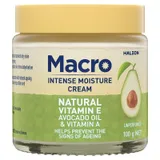
HealthAidVitamin A+Lipozomes CreamYOUR PRODUCTMacroNatural Vitamin E CreamSkin Resource.MDTotal Skin Moisturizer - New Size111SKINY Theorem Day Cream Light NAC Y2
Match—40%40%38%
Price—$9.42—$179.45
Shared key ingredients—2 of 22 of 21 of 2
Key difference—Mineral OilPanthenolLinoleic Acid
Irritancy High Medium Medium Medium
Drying alcohol—— Contains drying alcohol —
View product Shop Shop Shop

More alternatives: Glo Skin Beauty Oil Free MoisturiserDanne Montague-King DMK Pro Amino Creme

Cheaper alternatives? Browse formulas in the same category.
We compare ingredient profiles across our catalog — pick the closest match for your budget.
Open dupe finder

Sources cited in this review

Every concentration estimate and effectiveness label is anchored to one of these 4 studies and safety reviews.

  1. 1
  2. 2
    Vitamin E in dermatologyncbi.nlm.nih.gov
  3. 3
    Vitamin E and Skin Healthlpi.oregonstate.edu
  4. 4
HealthAid Vitamin A+Lipozomes Cream
HealthAidVitamin A+Lipozomes Cream

Affiliate links · As an Amazon Associate, WIMJ earns from qualifying purchases.

As an Amazon Associate, WIMJ earns from qualifying purchases.