Works for:
based on ingredients and %- Moisturizing
Can it cause trouble?
- Irritation risk: high
- Comedogenic risk ingredients: 2
Key actives

Works for
Moisturizing
What does the product description say?
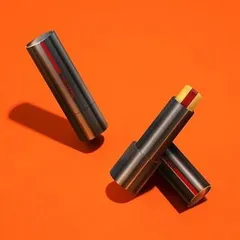
The triple-colored lip balm is blended with naturally-derived oils and shea butter to relieve dry lips and improve smoothness and texture.
Source: Yesstyle
This product can help improve hydration of the skin with the two types of ingredients.
The first type is called “humectants”:
these ingredients help attract water.
When humectants are on the surface of the skin, they “pull in” the moisture from the outside environment, or from
within deeper layers of the skin. The following ingredients in this product do the job:
glycerin, honey extract.
This product also contains ingredients called “occlusives”. They help reduce the speed with which our skin loses moisture to the outside environment. These ingredients also help soften the upper layer of the skin, so it feels less tight and nicer to the touch. The following ingredients in this product do the job: bis-diglyceryl polyacyladipate-2, butyrospermum parkii butter.
Helps soften the upper layer of the skin and reduce water loss from its surface
A great moisturising ingredient that softens the skin and reduces water loss from its upper layer. It also can be helpful in protecting skin from free radicals
One of the best moisturizing ingredients. Naturally present in skin. It attracts water to the upper layer of the skin working as a humectant
Helps soften the upper layer of the skin
Helps support skin barrier function improving skin hydration and reducing sensitivity
Helps attract water to the upper layer of the skin
Helps to soften the upper layer of the skin
An emollient that helps soften the skin and create a nice product texture
Helps soften the upper layer of the skin
Used to create a nice product texture and help delivery of other ingredients. Might be somewhat helpful in attracting water to the upper layer of the skin
A plant oil that helps soften the upper layer of the skin. Is unlikely to be helpful in restoring skin barrier function due to the low content of linoleic acid
Helps to soften the upper layer of the skin and create a nice product texture
Helps calm down inflammation in skin and can help reduce itching. Helps to repair the skin barrier and keep skin hydrated
A plant oil that can help soften the upper layer of the skin. Might be helpful in calming down inflammation in skin
An emollient that helps soften the skin and could be helpful in repairing its barrier function
Softens the upper layer of skin and helps restore the healthy skin barrier. Has shown to help calm down inflammation in skin. It is a stable oil, meaning that it retains its properties even when exposed to air.
Pure form of vitamin E. Can help moisturise and protect the skin from free radicals. Often used to help stabilise other ingredients or the formula itself
How honest is this product?
| Promise | Can it deliver? |
|---|---|
| Moisturizing |
Total Promises Fulfilled score: 75/100.
We receive a small commission for purchases made through these links at no cost for you. Thank you for your support! Learn more
Potential irritants
Comedogenic ingredients
User reviews (0)
Averages from community submissions.
No reviews yet for this product.
Be the first to share your experience!
Tried this product?
Help capture what the ingredient list can't—texture, finish, pilling, scent, and more. Answer what you can, skip the rest.
Takes ~30 seconds.
Reviews are shown in aggregate. No personal details.
Key Actives
Helps calm down inflammation in skin and can help reduce itching. Helps to repair the skin barrier and keep skin hydrated
Three steps removed from the active form of vitamin A - retinoic acid. To have an effect in the skin, it first needs to be converted twice to become the retinoic acid. This means it is less potent than retinol, but could also be less irritating. Once converted to the retinoic acid in the skin, it helps against all signs of aging, improves skin cell turnover and helps fight blemishes and clogged pores. However, in many cosmetic formulations, it is used in a concentration that is too low to have the full effect
Pure form of vitamin E. Can help moisturise and protect the skin from free radicals. Often used to help stabilise other ingredients or the formula itself
A great moisturising ingredient that softens the skin and reduces water loss from its upper layer. It also can be helpful in protecting skin from free radicals
A plant oil that can help soften the upper layer of the skin. Might be helpful in calming down inflammation in skin
Helps support skin barrier function improving skin hydration and reducing sensitivity
Helps soften the upper layer of the skin and reduce water loss from its surface
Helps soften the upper layer of the skin
Works as a UV filter when used in high concentrations. It is photostable and is effective mostly against the UVB light, with some protection in the UVA range. In small concentrations, used for its ability to improve the color of cosmetic products. Is usually well tolerated by the skin
Softens the upper layer of skin and helps restore the healthy skin barrier. Has shown to help calm down inflammation in skin. It is a stable oil, meaning that it retains its properties even when exposed to air.
An emollient that helps soften the skin and could be helpful in repairing its barrier function
One of the best moisturizing ingredients. Naturally present in skin. It attracts water to the upper layer of the skin working as a humectant
Potential irritants
An aromatic blend of unspecified and possibly irritating ingredients
Three steps removed from the active form of vitamin A - retinoic acid. To have an effect in the skin, it first needs to be converted twice to become the retinoic acid. This means it is less potent than retinol, but could also be less irritating. Once converted to the retinoic acid in the skin, it helps against all signs of aging, improves skin cell turnover and helps fight blemishes and clogged pores. However, in many cosmetic formulations, it is used in a concentration that is too low to have the full effect
Plant extract that has some anti-oxidant properties. It can be irritating. Can be used to improve the product's smell
The most well-researched antioxidant that works in skin. Helps neutralize free radicals supporting collagen production, helping to even out the skin tone and preventing early signs of aging
Softens the upper layer of skin and helps restore the healthy skin barrier. Has shown to help calm down inflammation in skin. It is a stable oil, meaning that it retains its properties even when exposed to air.
A plant oil that helps soften the upper layer of the skin. Is unlikely to be helpful in restoring skin barrier function due to the low content of linoleic acid
An emollient that helps soften the skin and could be helpful in repairing its barrier function
A more stable but less bio-available form of vitamin E compared to Tocopherol. Might help moisturize and protect the skin from free radicals, but mostly used in low concentrations to stabilize other ingredients.
Comedogenic ingredients
An emollient that helps soften the skin and create a nice product texture
A great moisturising ingredient that softens the skin and reduces water loss from its upper layer. It also can be helpful in protecting skin from free radicals
All ingredients
An emollient that helps soften the skin and create a nice product texture
Helps soften the upper layer of the skin and reduce water loss from its surface
A great moisturising ingredient that softens the skin and reduces water loss from its upper layer. It also can be helpful in protecting skin from free radicals
Helps to soften the upper layer of the skin and create a nice product texture
Works as a UV filter when used in high concentrations. It is photostable and is effective mostly against the UVB light, with some protection in the UVA range. In small concentrations, used for its ability to improve the color of cosmetic products. Is usually well tolerated by the skin
Is used to add opaque (non-transparent) appearance to formulations. Can be used to coat other ingredients for even dispersion. This is a different ingredient compared to the ones used in antipersperants (aluminium chloride and aluminium chlorohydrate)
An aromatic blend of unspecified and possibly irritating ingredients
A plant oil that can help soften the upper layer of the skin. Might be helpful in calming down inflammation in skin
Three steps removed from the active form of vitamin A - retinoic acid. To have an effect in the skin, it first needs to be converted twice to become the retinoic acid. This means it is less potent than retinol, but could also be less irritating. Once converted to the retinoic acid in the skin, it helps against all signs of aging, improves skin cell turnover and helps fight blemishes and clogged pores. However, in many cosmetic formulations, it is used in a concentration that is too low to have the full effect
Pure form of vitamin E. Can help moisturise and protect the skin from free radicals. Often used to help stabilise other ingredients or the formula itself
Softens the upper layer of skin and helps restore the healthy skin barrier. Has shown to help calm down inflammation in skin. It is a stable oil, meaning that it retains its properties even when exposed to air.
A plant oil that helps soften the upper layer of the skin. Is unlikely to be helpful in restoring skin barrier function due to the low content of linoleic acid
An emollient that helps soften the skin and could be helpful in repairing its barrier function
Helps calm down inflammation in skin and can help reduce itching. Helps to repair the skin barrier and keep skin hydrated
Used to create a nice product texture and help delivery of other ingredients. Might be somewhat helpful in attracting water to the upper layer of the skin
A preservative. It helps prevent bacterial growth in cosmetic products
Helps support skin barrier function improving skin hydration and reducing sensitivity
One of the best moisturizing ingredients. Naturally present in skin. It attracts water to the upper layer of the skin working as a humectant
Plant extract that has some anti-oxidant properties. It can be irritating. Can be used to improve the product's smell
A more stable but less bio-available form of vitamin E compared to Tocopherol. Might help moisturize and protect the skin from free radicals, but mostly used in low concentrations to stabilize other ingredients.
The most well-researched antioxidant that works in skin. Helps neutralize free radicals supporting collagen production, helping to even out the skin tone and preventing early signs of aging
Ingredient list view
Diisostearyl malate, Ethylhexyl palmitate, Bis-diglyceryl polyacyladipate-2, Phytosteryl isostearyl dimer dilinoleate, Dipentaerythrityl hexahydroxystearate/hexastearate/hexarosinate, Butyrospermum parkii butter, Microcrystalline wax, Bht, Polyethylene, Euphorbia cerifera wax, Synthetic beeswax, Polyglyceryl-2 triisostearate, Titanium dioxide, Ci 77891, Aluminum hydroxide, Ci 19140, Parfum, Orbignya oleifera seed oil, Retinyl palmitate, Tocopherol, Arachis hypogaea oil, Simmondsia chinensis seed oil, Moringa oleifera seed oil, Persea gratissima oil, Allantoin, Honey extract, Butylene glycol, Phenoxyethanol, Calcium pantothenate, Rosa damascena flower extract, Glycerin, Water, Zanthoxylum piperitum fruit extract, Pulsatilla koreana extract, Usnea barbata extract, Tocopheryl acetate, Prunus domestica seed oil, Ascorbic acid
- Safety assessment of bis-diglyceryl polyacyladipate-2 and bis-diglyceryl polyacyladipate-1 as used in cosmetics
- Safety Assessment of Polyglyceryl Fatty Acid Esters as Used in Cosmetics
- Safety Assessment of Alumina and Aluminum Hydroxide as Used in Cosmetics
- Analysis of Dyes in Cosmetics: Challenges and Recent Developments
- Anti-Inflammatory Activity of Babassu Oil and Development of a Microemulsion System for Topical Delivery
- Vitamin E in dermatology
- Vitamin E and Skin Health
- Moringa oleifera seed oil: Composition, nutritional aspects and health attributes
- Moringa oleifera Seeds and Oil: Characteristics and Uses for Human Health
- Profile of wound healing process induced by allantoin
- Calcium pantothenate modulates gene expression in proliferating human dermal fibroblasts
- Dexpanthenol Modulates Gene Expression in Skin Wound Healing in vivo
- Dexapanthenol enhances skin barrier repair and reduces inflammation after sodium lauryl sulphate-induced irritation
- Glycerol and the skin: holistic approach to its origin and functions