
Works for:
based on ingredients and %- Cleansing
Doesn't work for:
based on ingredients and %- Exfoliation
Can it cause trouble?
- Irritation risk: high
- Comedogenic risk ingredients: 1
Key actives


Cleansing
What does the product description say?
Fresh Face Foaming Cleanser
Source: From product name
This product works by removing dirt and oil from the surface of the skin. It uses a combination of mild cleansing agents (cocamidopropyl hydroxysultaine, decyl glucoside, disodium cocoyl glutamate, glyceryl caprylate, polysorbate 20, sodium cocoyl glutamate) and should be able to cleanse the skin gently. Still keep in mind that any cleansing can disrupt the skin barrier, and most people do not need to cleanse their skin more than once per day.
Even though this formulation is mild, the following cleansing agents could trigger an irritation or allergy for some people: decyl glucoside
Used as a cleansing agent. Helps water and oil mix together
Helps oil and water mix together. Can be irritating
Helps water and oil mix together and works as a cleansing agent
An emollient that can also help water and oil mix together, as well as prevent bacteria growth in products
Helps oil and water mix together
Helps oil and water mix together
Exfoliation
What does the product description say?
Key Ingredients & Benefits Super Bio-Ferment Complex , helps to achieve softer, smoother more luminous looking skin Matcha Green Tea , made from green tea leaves with antioxidants and polyphenols known to fight free radical damage Kakadu Plum , source of vitamin C and antioxidants AHA Fruit Mix , mix of lemon, orange, sugar maple, sugar cane & bilberry, with exfoliating properties that also promote the appearance of a smoother, brighter complexion.
Source: Ulta
This product does not contain effective exfoliating ingredients. It might be able to deliver physical exfoliation, that is scrub off some of the dead cells on the surface of the skin. We do not recommend physical exfoliation, because it is not uniform (some bits of skin can get exfoliated too much while others not at all). It can also traumatize the skin and aggrevate acne and other skin conditions.
An exfoliating and moisturizing alpha-hydroxy acid (AHA). Typically causes less irritation than other AHAs, for example, glycolic acid. At high concentrations (about 15%), lactic acid can help reduce lines and wrinkles. Recent studies show that lactic acid can support the "good" bacteria living on skin's surface (healthy skin microbiome)
How honest is this product?
| Promise | Can it deliver? |
|---|---|
| Cleansing | |
| Exfoliation |
Total Promises Fulfilled score: 50/100.
We receive a small commission for purchases made through these links at no cost for you. Thank you for your support! Learn more
Potential irritants
Comedogenic ingredients
User reviews (0)
Averages from community submissions.
No reviews yet for this product.
Be the first to share your experience!
Tried this product?
Help capture what the ingredient list can't—texture, finish, pilling, scent, and more. Answer what you can, skip the rest.
Takes ~30 seconds.
Reviews are shown in aggregate. No personal details.
| Product | Similarity | Price | Irritancy |
|---|---|---|---|
 Fountain of Truth Fresh Face Foaming Cleanser | Current | - | |
 CeraVe Gel Moussant Anti-Imperfections | 77% | - | |
Skincare Company Daily Cleanser | 74% | - | |
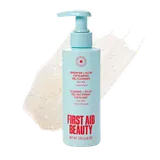
First Aid Beauty Brighten + Glow Exfoliating Gel Cleanser with AHA and Jojoba Pearls | 71% | $29.00 | |
Naturium Multi-Calm Cream Cleanser | 71% | ≈ $15.79 | |
 Kate Somerville EradiKate Clarifying Blemish Gel Cleanser with Salicylic Acid, Prebiotic Complex & Niacinamide | 70% | ≈ $41.99 |
Key Actives
Is proven to be effective in reducing blemishes, evening out skin tone and helping to improve lines and wrinkles. It helps the skin to repair sun damage, calm down inflammation and keep maintain good levels of moisture. The concentration of about 2% is effective for supporting the skin barrier and evening out the skin tone. Concentration of 4-6% is better for helping with acne and balancing the sebum production
Can contain potent anti-oxidant compounds (abbreviated ECG, GCG, EGC, and EGCG) that might help protect the skin from free radicals. Can help calm down inflammation and has some anti-bacterial properties. Unfortunately, these antioxidants are unstable and lose their effectiveness very quickly in products. The concentration of the antioxidant compounds in the extract also tends to be low to be effective in topical formulation
An exfoliating and moisturizing alpha-hydroxy acid (AHA). Typically causes less irritation than other AHAs, for example, glycolic acid. At high concentrations (about 15%), lactic acid can help reduce lines and wrinkles. Recent studies show that lactic acid can support the "good" bacteria living on skin's surface (healthy skin microbiome)
A plant oil with a high content of linoleic acid that helps soften the upper layer of the skin and helps strengthen the skin barrier. It is an excellent moisturizer. Might have an anti-oxidant effect
A plant extract that can help neutralize free radicals in skin. Can contain fragrand compounds like linalool that can be irritating
An emollient that can also help water and oil mix together, as well as prevent bacteria growth in products
Helps oil and water mix together. Can be irritating
Used as a cleansing agent. Helps water and oil mix together
Helps oil and water mix together
One of the best moisturizing ingredients. Naturally present in skin. It attracts water to the upper layer of the skin working as a humectant
Helps water and oil mix together and works as a cleansing agent
An emollient. Found to be as effective as a moisturizer for dry skin as mineral oil. Could be comedogenic
Yeast extract that contains copper. Can help to attract water to the upper layer of the skin and can help in skin wound healing
Yeast extract that contains iron. Can help to attract water to the upper layer of the skin. Evidence of effectiveness for other benefits is missing
Yeast extract that contains magnesium. Can help to attract water to the upper layer of the skin. Evidence of effectiveness for other benefits is missing
Yeast extract that contains silicon. Can help to attract water to the upper layer of the skin. Evidence of effectiveness for other benefits is missing
Yeast extract that contains zinc. Can help to attract water to the upper layer of the skin. Evidence of effectiveness for other benefits is missing
Sugar extract that helps attract water to the upper layer of the skin
Helps attract water to the upper layer of the skin and is claimed to provide a longer-lasting hydration because of its ability to create a water-binding film on the surface of the skin
Potential irritants
A plant oil with a high content of volatile compounds that can irritate the skin and lead to allergic reactions. Can lead to photosensitivity
An essentil oil from orange peel. Potential allergen and can be irritating
Plant extract that can have healing and anti-inflammatory properties. It is a potential allergen and can be irritating
A plant extract that is used as a fragrance. Can be irritating and lead to photosensitivity
Used as a fragrance. Can be irritating and cause photosensitivity
Hops extract. Can contain common irritants and allergens geraniol, limonene, linalool
A plant extract that can help neutralize free radicals in skin. Can contain fragrand compounds like linalool that can be irritating
Helps preserve products. Can mask unpleasant smell. Could be irritating
Can be drying and contribute to skin irritation. Used in formulars to dissolve other ingredients, create a thinner product consistency or for its antibacterial properties
A common frangrance that can easily irritate skin, especially if exposed to air, light or heat
Used as a cleansing agent. Helps water and oil mix together
Traditionally used to treat sunburns, dermatitis and inflammation, but evidence for its effectiveness is lacking. The extract can contain humectants that help attract water into the skin
Helps water and oil mix together and works as a cleansing agent
A plant extract that contains small percentage of AHAs. Is unlikely to have any skin benefit due the small concentration of the active compounds
A fruit extract that might help to attract water to the upper layer of the skin, but there is no evidence for any other benefits to the skin
A plant extract that might have some antioxidant properties, but mostly used in cosmetics for its color
A preservative that comes from radishes fermented by a bacteria. New research suggests that the preservation properties in the ingredient come from an ammonium salt that is not present naturally in radish root but used in its cultivation. Is problematic because the exact amount of the preservative agents is difficult to determine
A plant extract that might help neutralize free radicals in skin
A plant extract that might have some anti-oxidant effect in skin, but evidence is lacking
A plant extract that might help neutralize free radicals in skin, but research on its efficacy in skin is lacking
Can work as an exfoliant but is typically used to adjust the product pH
An exfoliating and moisturizing alpha-hydroxy acid (AHA). Typically causes less irritation than other AHAs, for example, glycolic acid. At high concentrations (about 15%), lactic acid can help reduce lines and wrinkles. Recent studies show that lactic acid can support the "good" bacteria living on skin's surface (healthy skin microbiome)
Comedogenic ingredients
An emollient. Found to be as effective as a moisturizer for dry skin as mineral oil. Could be comedogenic
All ingredients
Used as a cleansing agent. Helps water and oil mix together
One of the best moisturizing ingredients. Naturally present in skin. It attracts water to the upper layer of the skin working as a humectant
Traditionally used to treat sunburns, dermatitis and inflammation, but evidence for its effectiveness is lacking. The extract can contain humectants that help attract water into the skin
Helps water and oil mix together and works as a cleansing agent
A plant oil with a high content of linoleic acid that helps soften the upper layer of the skin and helps strengthen the skin barrier. It is an excellent moisturizer. Might have an anti-oxidant effect
A plant oil with a high content of volatile compounds that can irritate the skin and lead to allergic reactions. Can lead to photosensitivity
An essentil oil from orange peel. Potential allergen and can be irritating
A plant extract that contains small percentage of AHAs. Is unlikely to have any skin benefit due the small concentration of the active compounds
A fruit extract that might help to attract water to the upper layer of the skin, but there is no evidence for any other benefits to the skin
A plant extract that might have some antioxidant properties, but mostly used in cosmetics for its color
Can contain potent anti-oxidant compounds (abbreviated ECG, GCG, EGC, and EGCG) that might help protect the skin from free radicals. Can help calm down inflammation and has some anti-bacterial properties. Unfortunately, these antioxidants are unstable and lose their effectiveness very quickly in products. The concentration of the antioxidant compounds in the extract also tends to be low to be effective in topical formulation
Plant extract that can have healing and anti-inflammatory properties. It is a potential allergen and can be irritating
A plant extract that is used as a fragrance. Can be irritating and lead to photosensitivity
Used as a fragrance. Can be irritating and cause photosensitivity
An emollient. Found to be as effective as a moisturizer for dry skin as mineral oil. Could be comedogenic
Might help to attract water to the upper layer of the skin
Hops extract. Can contain common irritants and allergens geraniol, limonene, linalool
A plant extract that can help neutralize free radicals in skin. Can contain fragrand compounds like linalool that can be irritating
A preservative that comes from radishes fermented by a bacteria. New research suggests that the preservation properties in the ingredient come from an ammonium salt that is not present naturally in radish root but used in its cultivation. Is problematic because the exact amount of the preservative agents is difficult to determine
A plant extract that might help neutralize free radicals in skin
Yeast extract that contains copper. Can help to attract water to the upper layer of the skin and can help in skin wound healing
Yeast extract that contains iron. Can help to attract water to the upper layer of the skin. Evidence of effectiveness for other benefits is missing
Yeast extract that contains magnesium. Can help to attract water to the upper layer of the skin. Evidence of effectiveness for other benefits is missing
Yeast extract that contains silicon. Can help to attract water to the upper layer of the skin. Evidence of effectiveness for other benefits is missing
Yeast extract that contains zinc. Can help to attract water to the upper layer of the skin. Evidence of effectiveness for other benefits is missing
Sugar extract that helps attract water to the upper layer of the skin
A plant extract that might have some anti-oxidant effect in skin, but evidence is lacking
A plant extract that might help neutralize free radicals in skin, but research on its efficacy in skin is lacking
Is proven to be effective in reducing blemishes, evening out skin tone and helping to improve lines and wrinkles. It helps the skin to repair sun damage, calm down inflammation and keep maintain good levels of moisture. The concentration of about 2% is effective for supporting the skin barrier and evening out the skin tone. Concentration of 4-6% is better for helping with acne and balancing the sebum production
Helps attract water to the upper layer of the skin and is claimed to provide a longer-lasting hydration because of its ability to create a water-binding film on the surface of the skin
Can work as an exfoliant but is typically used to adjust the product pH
An emollient that can also help water and oil mix together, as well as prevent bacteria growth in products
An exfoliating and moisturizing alpha-hydroxy acid (AHA). Typically causes less irritation than other AHAs, for example, glycolic acid. At high concentrations (about 15%), lactic acid can help reduce lines and wrinkles. Recent studies show that lactic acid can support the "good" bacteria living on skin's surface (healthy skin microbiome)
Helps preserve products. Can mask unpleasant smell. Could be irritating
Used to stabilize mixtures of oil and water, and create thicker, gel-like product textures
Can be drying and contribute to skin irritation. Used in formulars to dissolve other ingredients, create a thinner product consistency or for its antibacterial properties
A preservative. It helps prevent bacterial growth in cosmetic products
A common frangrance that can easily irritate skin, especially if exposed to air, light or heat
Ingredient list view
Water, Decyl glucoside, Cocamidopropyl hydroxysultaine, Sodium cocoyl glutamate, Glycerin, Polysorbate 20, Aloe barbadensis leaf juice, Disodium cocoyl glutamate, Caryodendron orinocense seed oil, Citrus aurantium bergamia fruit oil, Citrus aurantium dulcis peel oil, Citrus limon peel oil, Mentha piperita oil, Acer saccharum extract, Ananas sativus fruit extract, Beta vulgaris root extract, Camellia sinensis leaf extract, Camellia sinensis leaf powder, Chamomilla recutita flower extract, Citrus aurantifolia fruit extract, Citrus aurantium dulcis fruit extract, Citrus limon fruit extract, Cocos nucifera fruit extract, Cocos nucifera fruit juice, Cocos nucifera water, Eucalyptus globulus leaf extract, Humulus lupulus extract, Hydrolyzed corn starch, Ilex paraguariensis leaf extract, Leuconostoc/radish root ferment filtrate, Rubus fruticosus fruit extract, Saccharomyces/copper ferment, Saccharomyces/iron ferment, Saccharomyces/magnesium ferment, Saccharomyces/silicon ferment, Saccharomyces/zinc ferment, Saccharum officinarum extract, Terminalia ferdinandiana fruit extract, Undaria pinnatifida cell culture extract, Vaccinium myrtillus fruit extract, Niacinamide, Biosaccharide gum-1, Bromelain, Citric acid, Glyceryl caprylate, Lactic acid, P-anisic acid, Sodium anisate, Sodium chloride, Sodium levulinate, Triethyl citrate, Alcohol, Ethylhexylglycerin, Phenoxyethanol, Potassium sorbate, Sodium benzoate, Citral, Limonene
- Ecofriendly surfactant is allergen of the year
- Safety Assessment of Amino Acid Alkyl Amides as Used in Cosmetics
- Irritant and sensitizing potential of eight surfactants commonly used in skin cleansers: an evaluation of 105 patients
- Glycerol and the skin: holistic approach to its origin and functions
- Chemical characterization and antioxidant activity of Amazonian (Ecuador) Caryodendron orinocense Karst. and Bactris gasipaes Kunth seed oils
- Safety Assessment of Citrus-Derived Peel Oils as Used in Cosmetics
- Oxidized citrus oil (R-limonene): A frequent skin sensitizer in Europe
- Air oxidation increases skin irritation from fragrance terpenes
- Safety Assessment of Citrus Fruit-Derived Ingredients as Used in Cosmetics
- Photosensitivity in children: An approach to diagnosis and management
- Topical formulation containing Ilex Paraguariensis extract increases metalloproteinases and myeloperoxidase activities in mice exposed to UVB radiation
- Chemical composition and antioxidant activity of yerba-mate (Ilex paraguariensis A.St.-Hil., Aquifoliaceae) extract as obtained by spray drying
- Essential oil and antioxidant activity of green mate and mate tea (Ilex paraguariensis) infusions
- The chemotherapeutic potential of Terminalia ferdinandiana: Phytochemistry and bioactivity
- Lonicera caerulea and Vaccinium myrtillus fruit polyphenols protect HaCaT keratinocytes against UVB-induced phototoxic stress and DNA damage
- Herbal Medicine: Biomolecular and Clinical Aspects. 2nd edition.
- Niacinamide - mechanisms of action and its topical use in dermatology
- Gehring, W. (2004). Nicotinic acid/niacinamide and the skin. Journal of Cosmetic Dermatology, 3(2), 88–93. doi:10.1111/j.1473-2130.2004.00115.x
- Epidermal and dermal effects of topical lactic acid
- Dual Effects of Alpha-Hydroxy Acids on the Skin
- Sodium anisate
- Citric Acid, Inorganic Citrate Salts and Alkyl Citrate Esters As Used in Cosmetics