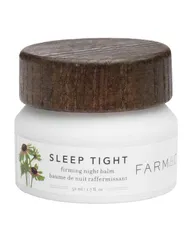
Works for:
based on ingredients and %- Moisturizing
Doesn't work for:
based on ingredients and %- Evens skin tone
- Anti-aging
Can it cause trouble?
- Irritation risk: high
- Comedogenic risk ingredients: 1
Key actives

Moisturizing
What does the product description say?
Skin Care Concerns Home Skin Ceuticals Medical Skincare Dermatologist approved Teen & Pre-Teen Acne & Blemishes Fine Lines & Wrinkles Visible Pores Dark Circles & Puffiness Dull Skin Dry Skin Oily Skin Combination Skin Redness Pigmentation Dehydrated Skin Sensitive Skin
Source: Cultbeauty
This product can help soften the skin and reduce its moisture loss with emollients and occlusives: caprylic/capric triglyceride, helianthus annuus seed oil.
Keep in mind that this product does not contain effective ingredients to attract water to the upper layer of the skin. This is why an additional product with humectants like glycerin or hyaluronic acid can be helpful (apply it before this product for the best results).
Helps soften the upper layer of the skin and can support skin barrier function
Helps soften the upper layer of the skin and might have some anti-oxidant properties
Helps soften the upper layer of the skin
A great emollient due to its high linoleic acid content. One of the most effective plant oils in helping skin hydration and repairing skin barrier function
A great emollient due to its high linoleic acid content. One of the most effective plant oils in helping skin hydration and repairing skin barrier function
This oil's cmposition is closest to rapeseed oil. It is a very stable oil and serves as an emoillient
A good mix of fatty acids that forms a protective layer on the skin. Improves the shelf life of products. Derived from coconut and glycerin
A great emollient that can also have anti-oxidant properties
An emollient. Can be helpful for restoring skin barrier function.
An emollient that softens skin and creates a nice product texture
Helps soften the upper layer of the skin
Cottonseed oil. It is used as an emollient and occlusive in products. It is rich palmitic, oleic acid, and linoleic fatty acids.
Helps soften the upper layer of the skin
A plant oil that helps soften the upper layer of the skin. Is unlikely to be helpful in restoring skin barrier function due to the low content of linoleic acid
An emollient that helps to soften the skin and create a pleasant product texture and stabilize the formulation
Softens the upper layer of skin and helps restore the healthy skin barrier. Has shown to help calm down inflammation in skin. It is a stable oil, meaning that it retains its properties even when exposed to air.
Pure form of vitamin E. Can help moisturise and protect the skin from free radicals. Often used to help stabilise other ingredients or the formula itself
Anti-aging
What does the product description say?
Skin Care Concerns Home Skin Ceuticals Medical Skincare Dermatologist approved Teen & Pre-Teen Acne & Blemishes Fine Lines & Wrinkles Visible Pores Dark Circles & Puffiness Dull Skin Dry Skin Oily Skin Combination Skin Redness Pigmentation Dehydrated Skin Sensitive Skin
Source: Cultbeauty
Effective ingredients missing or their concentration is too low.
This oil's cmposition is closest to rapeseed oil. It is a very stable oil and serves as an emoillient
Being a lipid soluble form of vitamin C, it is more stable than ascorbic acid, but still degrades quickly and needs to be stabilized in a formulation with another ingredient. It is claimed to penetrate skin better than pure vitamin C and have the the similar benefits, but solid studies of its effectiveness are lacking. Is likely to require a higher concentration in a product than pure vitamin C to be effective. It might be able to help reduce pore clogging.
Pure form of vitamin E. Can help moisturise and protect the skin from free radicals. Often used to help stabilise other ingredients or the formula itself
Evens skin tone
What does the product description say?
Skin Care Concerns Home Skin Ceuticals Medical Skincare Dermatologist approved Teen & Pre-Teen Acne & Blemishes Fine Lines & Wrinkles Visible Pores Dark Circles & Puffiness Dull Skin Dry Skin Oily Skin Combination Skin Redness Pigmentation Dehydrated Skin Sensitive Skin
Source: Cultbeauty
Effective ingredients missing or their concentration is too low
Being a lipid soluble form of vitamin C, it is more stable than ascorbic acid, but still degrades quickly and needs to be stabilized in a formulation with another ingredient. It is claimed to penetrate skin better than pure vitamin C and have the the similar benefits, but solid studies of its effectiveness are lacking. Is likely to require a higher concentration in a product than pure vitamin C to be effective. It might be able to help reduce pore clogging.
How honest is this product?
| Promise | Can it deliver? |
|---|---|
| Moisturizing | |
| Anti-aging | |
| Evens skin tone |
Total Promises Fulfilled score: 25/100.
We receive a small commission for purchases made through these links at no cost for you. Thank you for your support! Learn more
Potential irritants
Comedogenic ingredients
User reviews (0)
Averages from community submissions.
No reviews yet for this product.
Be the first to share your experience!
Tried this product?
Help capture what the ingredient list can't—texture, finish, pilling, scent, and more. Answer what you can, skip the rest.
Takes ~30 seconds.
Reviews are shown in aggregate. No personal details.
Key Actives
Helps soften the upper layer of the skin and can support skin barrier function
This oil's cmposition is closest to rapeseed oil. It is a very stable oil and serves as an emoillient
Being a lipid soluble form of vitamin C, it is more stable than ascorbic acid, but still degrades quickly and needs to be stabilized in a formulation with another ingredient. It is claimed to penetrate skin better than pure vitamin C and have the the similar benefits, but solid studies of its effectiveness are lacking. Is likely to require a higher concentration in a product than pure vitamin C to be effective. It might be able to help reduce pore clogging.
A great emollient that can also have anti-oxidant properties
A plant extract that has anti-bacterial properties. Can be used to preserve the product. Can be irritating
An emollient. Can be helpful for restoring skin barrier function.
Helps soften the upper layer of the skin
A great emollient due to its high linoleic acid content. One of the most effective plant oils in helping skin hydration and repairing skin barrier function
A good mix of fatty acids that forms a protective layer on the skin. Improves the shelf life of products. Derived from coconut and glycerin
Helps soften the upper layer of the skin and might have some anti-oxidant properties
Softens the upper layer of skin and helps restore the healthy skin barrier. Has shown to help calm down inflammation in skin. It is a stable oil, meaning that it retains its properties even when exposed to air.
A great emollient due to its high linoleic acid content. One of the most effective plant oils in helping skin hydration and repairing skin barrier function
Plant extract that might hep calm down inflammation in skin
Potential irritants
Used to help oil and water mix together. Can be irritating
A plant extract that might have some anti-inflammatory and anti-oxidant properties but evidence is missing
A plant oil with a high content of volatile compounds that can irritate the skin and lead to allergic reactions. Can lead to photosensitivity
An essentil oil from orange peel. Potential allergen and can be irritating
A plant extract that can contain an active compound curcumin, that may have some anti-inflammatory properties when applied to the skin, but solid research is lacking and the typical concentration used in skincare products is too low. Can be an irritant
Plant extract that might have some anti-oxidant properties. Can be irritating
A plant extract that has anti-bacterial properties. Can be used to preserve the product. Can be irritating
A plant extract that is rich in a fragrance compound eugenol that is a frequent allergen and can be irritating. It might also contain anti-oxidants to help neutralize free radicals
Can be helpful in reducing inflammation in skin, including inflamed acne. It can be irritating
Plant extract that might hep calm down inflammation in skin
An essential oil that is likely to be irritating and can cause photosensitivity
An emollient that softens skin and creates a nice product texture
A good mix of fatty acids that forms a protective layer on the skin. Improves the shelf life of products. Derived from coconut and glycerin
Being a lipid soluble form of vitamin C, it is more stable than ascorbic acid, but still degrades quickly and needs to be stabilized in a formulation with another ingredient. It is claimed to penetrate skin better than pure vitamin C and have the the similar benefits, but solid studies of its effectiveness are lacking. Is likely to require a higher concentration in a product than pure vitamin C to be effective. It might be able to help reduce pore clogging.
Helps soften the upper layer of the skin and can support skin barrier function
Softens the upper layer of skin and helps restore the healthy skin barrier. Has shown to help calm down inflammation in skin. It is a stable oil, meaning that it retains its properties even when exposed to air.
A great emollient that can also have anti-oxidant properties
A plant extract that might have some anti-oxidant effect helping neutralize free radicals in skin
A plant extract that might be helpful to neutralize free radicals in skin
A plant oil that helps soften the upper layer of the skin. Is unlikely to be helpful in restoring skin barrier function due to the low content of linoleic acid
An emollient. Can be helpful for restoring skin barrier function.
Eggplant fruit extract. Might have some anti-oxidant effect
A more stable but less bio-available form of vitamin E compared to Tocopherol. Might help moisturize and protect the skin from free radicals, but mostly used in low concentrations to stabilize other ingredients.
Comedogenic ingredients
Cottonseed oil. It is used as an emollient and occlusive in products. It is rich palmitic, oleic acid, and linoleic fatty acids.
All ingredients
An emollient that softens skin and creates a nice product texture
A great emollient due to its high linoleic acid content. One of the most effective plant oils in helping skin hydration and repairing skin barrier function
Used to help oil and water mix together. Can be irritating
A good mix of fatty acids that forms a protective layer on the skin. Improves the shelf life of products. Derived from coconut and glycerin
This oil's cmposition is closest to rapeseed oil. It is a very stable oil and serves as an emoillient
Being a lipid soluble form of vitamin C, it is more stable than ascorbic acid, but still degrades quickly and needs to be stabilized in a formulation with another ingredient. It is claimed to penetrate skin better than pure vitamin C and have the the similar benefits, but solid studies of its effectiveness are lacking. Is likely to require a higher concentration in a product than pure vitamin C to be effective. It might be able to help reduce pore clogging.
An emollient that helps to soften the skin and create a pleasant product texture and stabilize the formulation
Helps soften the upper layer of the skin and can support skin barrier function
Helps soften the upper layer of the skin and might have some anti-oxidant properties
Softens the upper layer of skin and helps restore the healthy skin barrier. Has shown to help calm down inflammation in skin. It is a stable oil, meaning that it retains its properties even when exposed to air.
A great emollient that can also have anti-oxidant properties
A plant extract that might have some anti-inflammatory and anti-oxidant properties but evidence is missing
A plant oil with a high content of volatile compounds that can irritate the skin and lead to allergic reactions. Can lead to photosensitivity
An essentil oil from orange peel. Potential allergen and can be irritating
A plant extract that might have some anti-oxidant effect helping neutralize free radicals in skin
A plant extract that can contain an active compound curcumin, that may have some anti-inflammatory properties when applied to the skin, but solid research is lacking and the typical concentration used in skincare products is too low. Can be an irritant
Plant extract that might have some anti-oxidant properties. Can be irritating
Cottonseed oil. It is used as an emollient and occlusive in products. It is rich palmitic, oleic acid, and linoleic fatty acids.
A great emollient due to its high linoleic acid content. One of the most effective plant oils in helping skin hydration and repairing skin barrier function
A plant extract that might be helpful to neutralize free radicals in skin
A plant extract that has anti-bacterial properties. Can be used to preserve the product. Can be irritating
A plant oil that helps soften the upper layer of the skin. Is unlikely to be helpful in restoring skin barrier function due to the low content of linoleic acid
A plant extract that is rich in a fragrance compound eugenol that is a frequent allergen and can be irritating. It might also contain anti-oxidants to help neutralize free radicals
A preservative. It helps prevent bacterial growth in cosmetic products
An emollient. Can be helpful for restoring skin barrier function.
Can be helpful in reducing inflammation in skin, including inflamed acne. It can be irritating
Eggplant fruit extract. Might have some anti-oxidant effect
Plant extract that might hep calm down inflammation in skin
Pure form of vitamin E. Can help moisturise and protect the skin from free radicals. Often used to help stabilise other ingredients or the formula itself
A more stable but less bio-available form of vitamin E compared to Tocopherol. Might help moisturize and protect the skin from free radicals, but mostly used in low concentrations to stabilize other ingredients.
An essential oil that is likely to be irritating and can cause photosensitivity
Ingredient list view
Prunus amygdalus dulcis seed, Coco-caprylate, Dextrin palmitate, Helianthus annuus seed oil, Sorbitan sesquioleate, Caprylic/capric triglyceride, Limnanthes alba seed oil, Tetrahexyldecyl ascorbate, Octyldodecanol, Echinacea purpurea leaf/root extract, Crambe abyssinica seed oil, Oenothera biennis oil, Oryza sativa bran oil, Simmondsia chinensis seed oil, Vitis vinifera seed oil, Amber powder, Amino esters-1, Bidens pilosa extract, Cananga odorata flower oil, Cardiospermum halicacabum flower/leaf/vine extract, Citrus aurantifolia oil, Citrus aurantium bergamia fruit oil, Citrus aurantium dulcis peel oil, Coccinia indica fruit extract, Curcuma longa root extract, Echinacea purpurea extract, Elaeis guineensis oil, Gossypium herbaceum seed oil, Helianthus annuus seed oil unsaponifiables, Linum usitatissimum seed oil, Melia azadirachta flower extract, Melia azadirachta leaf extract, Moringa oleifera seed oil, Ocimum sanctum leaf extract, Ormenis multicaulis flower oil, Phenoxyethanol, Ribes nigrum seed oil, Rosmarinus officinalis leaf extract, Silica silylate, Solanum melongena fruit extract, Spilanthes acmella flower extract, Tocopherol, Tocopheryl acetate, Water, Zingiber officinale root oil
- Safety Assessment of Polysaccharide Gums as Used in Cosmetics
- Effect of Olive and Sunflower Seed Oil on the Adult Skin Barrier: Implications for Neonatal Skin Care
- Topically Applied Sunflower Seed Oil Prevents Invasive Bacterial Infections in Preterm Infants in Egypt
- Effect of topically applied lipids on surfactant-irritated skin
- Impact of topical oils on the skin barrier: possible implications for neonatal health in developing countries
- Sorbitan sesquioleate, a common emulsifier in topical corticosteroids, is an important contact allergen
- Double-blind, half-face study comparing topical vitamin C and vehicle for rejuvenation of photodamage
- Application of tetra-isopalmitoyl ascorbic acid in cosmetic formulations: Stability studies and in vivo efficacy
- Study on the Composition of Rice Bran Oil and Its Higher Free Fatty Acids Value
- Evidence for the efficacy and safety of topical herbal drugs in dermatology: Part I: Anti-inflammatory agents
- Safety Assessment of Citrus-Derived Peel Oils as Used in Cosmetics
- Oxidized citrus oil (R-limonene): A frequent skin sensitizer in Europe
- Air oxidation increases skin irritation from fragrance terpenes
- Vaughn, A. R., Branum, A., & Sivamani, R. K. (2016). Effects of Turmeric (Curcuma longa) on Skin Health: A Systematic Review of the Clinical Evidence. Phytotherapy Research, 30(8), 1243–1264. doi:10.1002/ptr.5640
- Contact dermatitis as an adverse reaction to some topically used European herbal medicinal products – Part 2: Echinacea purpurea–Lavandula angustifolia
- Genetic Architecture of Palm Oil Fatty Acid Composition in Cultivated Oil Palm (Elaeis guineensis Jacq.) Compared to Its Wild Relative E. oleifera (H.B.K) Cortés
- Nutrient composition of Nigerian palm kernel from the dura and tenera varieties of the oil palm (Elaeis guineensis)
- Melia azedarach
- Preliminary and Pharmacological Profile of Melia azedarach L.: An Overview
- Moringa oleifera seed oil: Composition, nutritional aspects and health attributes
- Moringa oleifera Seeds and Oil: Characteristics and Uses for Human Health
- Allergic contact dermatitis induced by rosemary leaf extract in a cleansing gel
- Safety Assessment of Rosmarinus officinalis (Rosemary)-Derived Ingredients as Used in Cosmetics
- Rosmarinus officinalis Extract Suppresses Propionibacterium acnes–Induced Inflammatory Responses
- In Vitro antioxidative and anti-inflammatory activities of the ethanol extract of eggplant (Solanum melongena) stalks in macrophage RAW 264.7 cells
- Transdermal behaviour of the N-alkylamide spilanthol (affinin) from Spilanthes acmella (Compositae) extracts
- Vitamin E in dermatology
- Vitamin E and Skin Health
- Zingiber officinale Rosc. essential oil, a review on its composition and bioactivity