Works for
1 of 2 advertised claims delivered
Moisturizing11 ingredients credited for this claimGood support
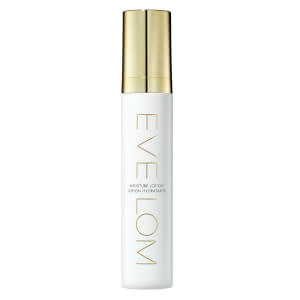
“Moisture Lotion”
This product can help improve hydration of the skin with the two types of ingredients.
The first type is called “humectants”:
these ingredients help attract water.
When humectants are on the surface of the skin, they “pull in” the moisture from the outside environment, or from
within deeper layers of the skin. The following ingredients in this product do the job:
anhydroxylitol, betaine.
This product also contains ingredients called “occlusives”. They help reduce the speed with which our skin loses moisture to the outside environment. These ingredients also help soften the upper layer of the skin, so it feels less tight and nicer to the touch. The following ingredients in this product do the job: caprylic/capric triglyceride, dimethicone.
Anti-agingNo ingredient credited for this claimNo support
“Hydrates and plumps skin for up to 72 hours, while delivering anti-pollution and antioxidant defenses to protect against external aggressors.”
Effective ingredients missing or their concentration is too low.
Can it cause trouble?
Irritancy14 strong irritants: Lavandula angustifolia oil, Citrus limon peel oil + 12 more — patch-test recommendedHigh risk
Comedogenic1 ingredient rated 2 or more on the 0–5 pore-clogging scale1 flagged


User reviews
Be the first — your take helps the next person decide.
Ingredients
Filter by role to see what each ingredient is doing.
Water~45–55%
Caprylic/capric triglyceride~6–7.3%
- Irritation risk
- Medium
A good mix of fatty acids that forms a protective layer on the skin. Improves the shelf life of products. Derived from coconut and glycerin
More about Caprylic/capric triglycerideGlycerin~4.2–5.2%
- Irritation risk
- Low
One of the best moisturizing ingredients. Naturally present in skin. It attracts water to the upper layer of the skin working as a humectant
More about GlycerinC12-15 alkyl benzoate~3.2–3.9%
- Irritation risk
- Low
Enhances the product texture and makes it more spreadable. Helps reduce water loss from the outer layer of skin. Extands the shelf life by preventing bacteria growth
More about C12-15 alkyl benzoatePropanediol~2.4–2.9%
- Irritation risk
- Low
Acts as a solvent for other ingredients. Speeds up the absorption of other ingredients into the skin
More about PropanediolC12-16 alcohols~2–2.4%
- Irritation risk
- Medium
Helps soften the upper layer of the skin and improve the product's texture
More about C12-16 alcoholsDimethicone~1.8–2.2%
- Irritation risk
- Low
A silicone that helps to reduce water loss from the surface of the skin. Can temporarily "fill in" lines and wrinkles, absorb oil, and create a nice product finish
More about DimethiconeSodium acrylates crosspolymer-2~1.4–1.8%
- Irritation risk
- Low
Xylitylglucoside~1.2–1.4%
- Irritation risk
- Low
Helps attract water to the upper layer of the skin and repair the skin barrier function
More about XylitylglucosideBetaine~0.95–1.15%
- Irritation risk
- Low
Helps attract water to the upper layer of the skin and improves the product texture
More about BetainePhenoxyethanol~0.65–1%
- Irritation risk
- Low
A preservative. It helps prevent bacterial growth in cosmetic products
More about PhenoxyethanolAnhydroxylitol~0.55–0.85%
- Irritation risk
- Low
Helps attract water to the upper layer of the skin and repair the skin barrir function
More about AnhydroxylitolPalmitic acid~0.55–0.85%
- Irritation risk
- Low
An emollient that is naturally present in skin and helps soften it
More about Palmitic acidHydrogenated lecithin~0.5–0.75%
- Irritation risk
- Low
Helps to retain moisture by creating a protective barrier on the skin. Rich in fatty acids. Improves product texture and helps with the penetration of other ingredients.
More about Hydrogenated lecithinPrunus persica flower extract~0.45–0.65%
- Irritation risk
- Low
Marrubium vulgare extract~0.35–0.65%
- Irritation risk
- Low
Polyacrylate crosspolymer-6~0.45–0.65%
- Irritation risk
- Low
Xylitol~0.3–0.6%
- Irritation risk
- Low
Helps attract water to the upper layer of the skin and repair the skin barrier function
More about XylitolSodium acetylated hyaluronate~0.3–0.55%
- Irritation risk
- Low
A type of hyaluronic acid that works as an excellent moisturizer by attracting water into the upper layer of the skin. Is typically feels less sticky on the skin compared to the usual hyaluronic acid
More about Sodium acetylated hyaluronateEpilobium fleischeri extract~0.3–0.55%
- Irritation risk
- Low
Ethylhexylglycerin~0.3–0.5%
Tocopheryl acetate~0.3–0.5%
- Irritation risk
- Medium
A more stable but less bio-available form of vitamin E compared to Tocopherol. Might help moisturize and protect the skin from free radicals, but mostly used in low concentrations to stabilize other ingredients.
More about Tocopheryl acetateCitric acid~0.25–0.45%
- Irritation risk
- Medium
Can work as an exfoliant but is typically used to adjust the product pH
More about Citric acidDisodium edta~0.25–0.45%
Lavandula angustifolia oil~0.25–0.45%
- Irritation risk
- High
An essential oil. Potential allergen and can be irritating. It has some anti-bacterial properties
More about Lavandula angustifolia oilSodium benzoate~0.25–0.45%
Glycine soja oil~0.25–0.5%
- Irritation risk
- Medium
- Comedogenicity
- 2/5
A good emollient that helps soften the skin and helps repair its barrier function. It can clog pores if used in high concentrations.
More about Glycine soja oilCitrus limon peel oil~0.25–0.4%
Coriandrum sativum seed oil~0.3–0.55%
Alcohol denat.~0.25–0.45%
- Irritation risk
- High
Produces temporary toning effect. Can help dissolve other ingredients or preserve products
More about Alcohol denat.Terminalia ferdinandiana fruit extract~0.25–0.45%
- Irritation risk
- Medium
A plant extract that might have some anti-oxidant effect in skin, but evidence is lacking
More about Terminalia ferdinandiana fruit extractCymbopogon nardus oil~0.25–0.45%
- Irritation risk
- High
Mentha piperita oil~0.2–0.35%
Potassium sorbate~0.25–0.45%
Citrus aurantium amara peel oil~0.2–0.4%
- Irritation risk
- High
Litsea cubeba fruit oil~0.2–0.35%
- Irritation risk
- High
An essential oil with a lemon-like smell that is extracted from a fruit grown in Asia. Used as a fragrance
More about Litsea cubeba fruit oilMentha piperita leaf extract~0.2–0.4%
- Irritation risk
- High
Used as a fragrance and can be irritating
More about Mentha piperita leaf extractPelargonium graveolens flower oil~0.2–0.4%
- Irritation risk
- High
An essential oil. Can be irritating. Can become an allergen with oxidation
More about Pelargonium graveolens flower oilPogostemon cablin oil~0.15–0.3%
- Irritation risk
- Low
Anthemis nobilis flower oil~0.15–0.25%
- Irritation risk
- High
An essential oil that is used as a fragrance and can be irritating. It might have some anti-oxidant effect in skin
More about Anthemis nobilis flower oilBoswellia carterii oil~0.15–0.25%
Linalool~0.15–0.25%
Limonene~0.15–0.25%
- Irritation risk
- High
A common frangrance that can easily irritate skin, especially if exposed to air, light or heat
More about LimoneneCitral~0.1–0.15%
Geraniol~0.05–0.15%
Ingredient list view
Water, Caprylic/capric triglyceride, Glycerin, C12-15 alkyl benzoate, Propanediol, C12-16 alcohols, Dimethicone, Sodium acrylates crosspolymer-2, Xylitylglucoside, Betaine, Phenoxyethanol, Anhydroxylitol, Palmitic acid, Hydrogenated lecithin, Prunus persica flower extract, Marrubium vulgare extract, Polyacrylate crosspolymer-6, Xylitol, Sodium acetylated hyaluronate, Epilobium fleischeri extract, Ethylhexylglycerin, Tocopheryl acetate, Citric acid, Disodium edta, Lavandula angustifolia oil, Sodium benzoate, Glycine soja oil, Citrus limon peel oil, Coriandrum sativum seed oil, Alcohol denat., Terminalia ferdinandiana fruit extract, Cymbopogon nardus oil, Mentha piperita oil, Potassium sorbate, Citrus aurantium amara peel oil, Litsea cubeba fruit oil, Mentha piperita leaf extract, Pelargonium graveolens flower oil, Pogostemon cablin oil, Anthemis nobilis flower oil, Boswellia carterii oil, Linalool, Limonene, Citral, Geraniol
Compare prices
Retailers ranked by price — lowest first.


Worth comparing, line by line.
Match % combines shared ingredients, the first five ingredients, shared actives and hero ingredients, irritancy (lower counts in the alternative's favour), texture and body area. Only products in the same routine step are compared.
| Eve LomMoisture LotionYOUR PRODUCT | EltaMDMoisture Rich Body Crème | Dr Sam'sFlawless Moisturiser | Augustinus BaderThe Body Lotion | |
|---|---|---|---|---|
| Match | — | 63% | 61% | 61% |
| Price | $53.61 | $10.50−$43.11 | $33.05−$20.56 | $95.00+$41.39 |
| Shared key ingredients | — | 5 of 8 | 5 of 8 | 4 of 8 |
| Key difference | — | Niacinamide | Niacinamide | Panthenol |
| Irritancy | High | Medium | Low | Medium |
| Drying alcohol | Contains drying alcohol | — | — | Contains drying alcohol |
| View product | Shop | Shop | Shop |


Sources cited in this review
Every concentration estimate and effectiveness label is anchored to one of these 9 studies and safety reviews.
- 1
- 2
- 3Final Report on the Safety Assessment of Dimethicone Copolyoljournals.sagepub.com
- 4
- 5
- 6

Affiliate links · As an Amazon Associate, WIMJ earns from qualifying purchases.