Works for:
based on ingredients and %- Cleansing
Can it cause trouble?
- Irritation risk: high
- Comedogenic risk ingredients: 2
Key actives

Works for
Cleansing
What does the product description say?
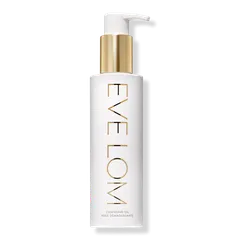
Powered by multi-tiered cleansing innovation, this silky & sensorial cleansing oil effectively removes waterproof makeup, SPF, and impurities while hydrating & supporting the skin barrier.
Source: Ulta
This product works by removing dirt and oil from the surface of the skin.
Keep in mind that cleansing can disrupt the skin barrier, and most people do not need to cleanse their skin more than once per day.
Helps water and oil mix together
How honest is this product?
| Promise | Can it deliver? |
|---|---|
| Cleansing |
Total Promises Fulfilled score: 75/100.
We receive a small commission for purchases made through these links at no cost for you. Thank you for your support! Learn more
Potential irritants
Comedogenic ingredients
User reviews (0)
Averages from community submissions.
No reviews yet for this product.
Be the first to share your experience!
Tried this product?
Help capture what the ingredient list can't—texture, finish, pilling, scent, and more. Answer what you can, skip the rest.
Takes ~30 seconds.
Reviews are shown in aggregate. No personal details.
| Product | Similarity | Price | Irritancy |
|---|---|---|---|
 Eve Lom Cleansing Oil | Current | $27.20 | |
 Nivea Japan Beauty Skin Cleansing Oil | 34% | $23.10 | |
 ISDIN Essential Cleansing | 33% | ≈ $34.61 | |
 skintific Centella Deep Cleansing Oil Makeup Remover | 33% | - | |
 Laura Mercier Purifying Cleansing Oil | 32% | - | |
 REVOLUTION SKINCARE CBD Cleansing Oil | 32% | ≈ $15.98 |
Key Actives
A plant oil that can help soften the skin. It might be helpful in calming down inflammation, but solid research is lacking. Is often used in lip products to create the needed product consistency
A plant oil that can help soften the upper layer of the skin. Might be helpful in calming down inflammation in skin
A mix of amino acids and plant-based lipids. Helps to soften the upper layer of the skin and reduce water loss over time
An emollient that helps soften the skin. Could be comedogenic
Helps water and oil mix together
Helps soften the upper layer of the skin and reduce water loss from its surface
An oil naturally present in skin. Works as an emollient to soften the skin and form a protective layer on its surface without a greasy feeling.
A good emollient that helps soften the skin and helps repair its barrier function. It can clog pores if used in high concentrations.
An emollient that helps soften the skin
Potential irritants
Plant oil that can have healing and anti-inflammatory properties. It contains volatile compouunds that are potential allergens and can be irritating
A common frangrance that can easily irritate skin, especially if exposed to air, light or heat
A plant oil that can help soften the skin. It might be helpful in calming down inflammation, but solid research is lacking. Is often used in lip products to create the needed product consistency
A good emollient that helps soften the skin and helps repair its barrier function. It can clog pores if used in high concentrations.
A more stable but less bio-available form of vitamin E compared to Tocopherol. Might help moisturize and protect the skin from free radicals, but mostly used in low concentrations to stabilize other ingredients.
Can work as an exfoliant but is typically used to adjust the product pH
Comedogenic ingredients
An emollient that helps soften the skin. Could be comedogenic
A good emollient that helps soften the skin and helps repair its barrier function. It can clog pores if used in high concentrations.
All ingredients
An emollient that helps soften the skin. Could be comedogenic
Helps to soften the upper layer of the skin without creating a greasy texture
Helps soften the upper layer of the skin while creating a non-greasy feel on the skin. Helps to dissolve other ingredients
A plant oil that can help soften the skin. It might be helpful in calming down inflammation, but solid research is lacking. Is often used in lip products to create the needed product consistency
Helps products spread more easily and works as an emollient to soften skin
Helps soften the upper layer of the skin and reduce water loss from its surface
A plant oil that can help soften the upper layer of the skin. Might be helpful in calming down inflammation in skin
An oil naturally present in skin. Works as an emollient to soften the skin and form a protective layer on its surface without a greasy feeling.
Emollients that are naturaly present in skin. In addition, they help water and oil mix together in the product
A good emollient that helps soften the skin and helps repair its barrier function. It can clog pores if used in high concentrations.
A mix of amino acids and plant-based lipids. Helps to soften the upper layer of the skin and reduce water loss over time
A more stable but less bio-available form of vitamin E compared to Tocopherol. Might help moisturize and protect the skin from free radicals, but mostly used in low concentrations to stabilize other ingredients.
Plant oil that can have healing and anti-inflammatory properties. It contains volatile compouunds that are potential allergens and can be irritating
Pure form of vitamin E. Can help moisturise and protect the skin from free radicals. Often used to help stabilise other ingredients or the formula itself
Can work as an exfoliant but is typically used to adjust the product pH
A common frangrance that can easily irritate skin, especially if exposed to air, light or heat
Ingredient list view
Isopropyl myristate, Peg-20 glyceryl triisostearate, Coco-caprylate/caprate, Dicaprylyl ether, Ricinus communis seed oil, Dicaprylyl carbonate, Bis-diglyceryl polyacyladipate-2, Orbignya oleifera seed oil, Squalane, Lavandula oil/extract, Phospholipids, Glycine soja oil, Phytosteryl/octyldodecyl lauroyl glutamate, Tocopheryl acetate, Pelargonium graveolens oil, Eucalyptus globulus oil, Glycolipids, Glycine soja sterols, Eugenia caryophyllus oil, Chamomilla recutita flower oil, Humulus lupulus oil, Tocopherol, Coriandrum sativum seed oil, Citric acid, Linalool, Linalyl acetate, Citronellol, Beta-caryophyllene, Eugenol, Geraniol, Limonene
- Safety Evaluation of Polyethylene Glycol (PEG) Compounds for Cosmetic Use
- Safety Assessment of Alkyl Esters as Used in Cosmetics
- Final report on the safety assessment of Ricinus Communis (Castor) Seed Oil, Hydrogenated Castor Oil, Glyceryl Ricinoleate, Glyceryl Ricinoleate SE, Ricinoleic Acid, Potassium Ricinoleate, Sodium Ricinoleate, Zinc Ricinoleate, Cetyl Ricinoleate, Ethyl Ricinoleate, Glycol Ricinoleate, Isopropyl Ricinoleate, Methyl Ricinoleate, and Octyldodecyl Ricinoleate
- Castor Oil: Properties, Uses, and Optimization of Processing Parameters in Commercial Production
- Effect of ricinoleic acid in acute and subchronic experimental models of inflammation
- Safety assessment of bis-diglyceryl polyacyladipate-2 and bis-diglyceryl polyacyladipate-1 as used in cosmetics
- Anti-Inflammatory Activity of Babassu Oil and Development of a Microemulsion System for Topical Delivery
- Vitamin E in dermatology
- Vitamin E and Skin Health
- Annex I: Clinical evidence regarding sensitisation to individual fragrance chemicals and to natural extracts