Works for:
based on ingredients and %- Moisturizing
- Anti-oxidation
Doesn't work for:
based on ingredients and %- Anti-blemish
Can it cause trouble?
- Irritation risk: high
- Comedogenic risk ingredients: 2
Key actives

Product Summary
"Etude House - Charcoal Pore-Minimizing Hydrogel Mask" is effective for: Anti-inflammatory
This product could be helpful for: Moisturizing, but its actives are not the most effective or are not well-studied.
Ingredient callouts
- Humectants (sodium hyaluronate 0.60% - 0.90%, glycerin 4.80% - 5.80%, betaine 1.40% - 1.70%, trehalose 0.20% - 0.40% and sucrose 0.20% - 0.35%). These ingredients help attract water to the upper layer of the skin and improve the skin hydration.
About the brand
According to Cruelty-Free Kitty "Etude House" is cruelty free, but its parent company is not.
Anti-oxidation
This product contains antioxidants (epilobium angustifolium flower/leaf/stem extract) that might be able to help neutralize free radicals in skin to lessen the damage it gets from the UV light (sun). There is not enough evidence to confirm their effectiveness in skin though.
A plant extract that might contain antioxidants
Plant extract that has some anti-oxidant properties. It can be irritating. Can be used to improve the product's smell
A plant extract that might contain a compound baicalin that could be helpful in neutralizing free radicals and reducing inflammation in skin. The baicalin concentration in skincare products is often too low for an effective action. Can be used for its fragrant properties
Brown seaweed extract. Can help attract water to the upper layer of the skin and might have some antioxidant effect
Helps attract water to the upper layer of the skin, calm down inflammation and irritation, restore the barrier function and support wound healing. It can be helpful in reducing fine lines and wrinkles
A plant extract that might help neutralize free radicals in skin. Can contain volalite oils and be irritating
A plant extract. Can have an anti-oxidant effect, but can also contain irritants
A plant extract that can help neutralize free radicals in skin. It contains a compound salicin that can theoretically be converted into salicylic acid that, in turn, helps reduce inflammation in skin, but the evidence of effectiveness in skin is lacking and the extract is usually not used in a concentration that would enable an exfoliating effect
A plant extract that has some anti-oxidant activity, but solid research is lacking. Can help attract water to the upper layer of the skin
Moisturizing
What does the product description say?
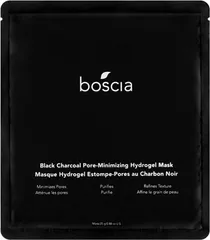
Charcoal Pore-Minimizing Hydrogel Mask
Source: From product name
This product can help improve hydration of the skin with the two types of ingredients.
The first type is called “humectants”:
these ingredients help attract water.
When humectants are on the surface of the skin, they “pull in” the moisture from the outside environment, or from
within deeper layers of the skin. The following ingredients in this product do the job:
betaine, glycerin.
This product also contains ingredients called “occlusives”. They help reduce the speed with which our skin loses moisture to the outside environment. These ingredients also help soften the upper layer of the skin, so it feels less tight and nicer to the touch. The following ingredients in this product do the job: cocos nucifera fruit extract, caprylyl glycol.
A sugar that attracts water to the upper layer of the skin
One of the best moisturizing ingredients. Attracts water into the upper layer of the skin
Can help attract water to the upper layer of the skin. In crystal form, it can work as a gentle exfoliant, gentler than the salt scrub. Helps stabilize the emulsion
Brown seaweed extract. Can help attract water to the upper layer of the skin and might have some antioxidant effect
Helps attract water to the upper layer of the skin, calm down inflammation and irritation, restore the barrier function and support wound healing. It can be helpful in reducing fine lines and wrinkles
Helps attract water to the upper layer of the skin and improves the product texture
Helps soften the upper layer of the skin
An emollient. Found to be as effective as a moisturizer for dry skin as mineral oil. Could be comedogenic
One of the best moisturizing ingredients. Naturally present in skin. It attracts water to the upper layer of the skin working as a humectant
A fermentation product created by bacteria Lactobacillus out of soybean. The fermented product helps to attract water to the upper layer of the skin and has anti-bacterial properties. It might be helpful in calming down inflammation and could be helpful in evening out skin tone, but studies are lacking
A plant extract that might contain a compound baicalin that could be helpful in neutralizing free radicals and reducing inflammation in skin. The baicalin concentration in skincare products is often too low for an effective action. Can be used for its fragrant properties
Helps preserve products and creates a nice product texture
Polysaccharide derived from seaweed. Used to create a thicker product consistency and might help attract water to the upper layer of the skin
Used to create a nice product texture and help delivery of other ingredients. Might be somewhat helpful in attracting water to the upper layer of the skin
A plant extract that has some anti-oxidant activity, but solid research is lacking. Can help attract water to the upper layer of the skin
A salt derived from licorice. Works as an emollient to soften the upper layer of the skin and can help calm down inflammation. Might be helpful for skin lightening
Helps calm down inflammation in skin and can help reduce itching. Helps to repair the skin barrier and keep skin hydrated
Anti-blemish
What does the product description say?
It also includes Japanese hinoki that soothes irritation and visibly decongests skin for a pore-fected complexion.
Source: Sephora CA
Effective ingredients missing or their concentration is too low.
Helps attract water to the upper layer of the skin, calm down inflammation and irritation, restore the barrier function and support wound healing. It can be helpful in reducing fine lines and wrinkles
A plant extract that can help neutralize free radicals in skin. It contains a compound salicin that can theoretically be converted into salicylic acid that, in turn, helps reduce inflammation in skin, but the evidence of effectiveness in skin is lacking and the extract is usually not used in a concentration that would enable an exfoliating effect
Helps calm down inflammation in skin and can help reduce itching. Helps to repair the skin barrier and keep skin hydrated
How honest is this product?
| Promise | Can it deliver? |
|---|---|
| Moisturizing | |
| Anti-blemish |
Total Promises Fulfilled score: 37/100.
We receive a small commission for purchases made through these links at no cost for you. Thank you for your support! Learn more
Potential irritants
Comedogenic ingredients
User reviews (0)
Averages from community submissions.
No reviews yet for this product.
Be the first to share your experience!
Tried this product?
Help capture what the ingredient list can't—texture, finish, pilling, scent, and more. Answer what you can, skip the rest.
Takes ~30 seconds.
Reviews are shown in aggregate. No personal details.
Key Actives
Helps calm down inflammation in skin and can help reduce itching. Helps to repair the skin barrier and keep skin hydrated
Helps attract water to the upper layer of the skin, calm down inflammation and irritation, restore the barrier function and support wound healing. It can be helpful in reducing fine lines and wrinkles
A salt derived from licorice. Works as an emollient to soften the upper layer of the skin and can help calm down inflammation. Might be helpful for skin lightening
Brown seaweed extract. Can help attract water to the upper layer of the skin and might have some antioxidant effect
One of the best moisturizing ingredients. Naturally present in skin. It attracts water to the upper layer of the skin working as a humectant
Helps attract water to the upper layer of the skin and improves the product texture
Helps soften the upper layer of the skin
One of the best moisturizing ingredients. Attracts water into the upper layer of the skin
An emollient. Found to be as effective as a moisturizer for dry skin as mineral oil. Could be comedogenic
A plant extract that might contain antioxidants
Can help attract water to the upper layer of the skin. In crystal form, it can work as a gentle exfoliant, gentler than the salt scrub. Helps stabilize the emulsion
A sugar that attracts water to the upper layer of the skin
Potential irritants
A plant extract that can help neutralize free radicals in skin. It contains a compound salicin that can theoretically be converted into salicylic acid that, in turn, helps reduce inflammation in skin, but the evidence of effectiveness in skin is lacking and the extract is usually not used in a concentration that would enable an exfoliating effect
A plant extract that might contain antioxidants
Plant extract that has some anti-oxidant properties. It can be irritating. Can be used to improve the product's smell
Anise fruit extract. Used as a fragrance. Can be irritating
A plant extract. Can have an anti-oxidant effect, but can also contain irritants
A plant extract that might contain a compound baicalin that could be helpful in neutralizing free radicals and reducing inflammation in skin. The baicalin concentration in skincare products is often too low for an effective action. Can be used for its fragrant properties
A plant extract that might help neutralize free radicals in skin. Can contain volalite oils and be irritating
Helps thicken the product formula and create a nice product formulation
Polysaccharide derived from seaweed. Used to create a thicker product consistency and might help attract water to the upper layer of the skin
A plant extract that has some anti-oxidant activity, but solid research is lacking. Can help attract water to the upper layer of the skin
A preservative that comes from radishes fermented by a bacteria. New research suggests that the preservation properties in the ingredient come from an ammonium salt that is not present naturally in radish root but used in its cultivation. Is problematic because the exact amount of the preservative agents is difficult to determine
Can work as an exfoliant but is typically used to adjust the product pH
Helps preserve products and creates a nice product texture
Used to stabilize product formulations and create thicker consistency
Comedogenic ingredients
Helps thicken the product formula and create a nice product formulation
An emollient. Found to be as effective as a moisturizer for dry skin as mineral oil. Could be comedogenic
All ingredients
One of the best moisturizing ingredients. Naturally present in skin. It attracts water to the upper layer of the skin working as a humectant
Used to create a nice product texture and help delivery of other ingredients. Might be somewhat helpful in attracting water to the upper layer of the skin
Helps thicken the product formula and create a nice product formulation
Helps to dissolve other ingredients in a formulation. Slows down the rate of product drying
Polysaccharide derived from seaweed. Used to create a thicker product consistency and might help attract water to the upper layer of the skin
Helps attract water to the upper layer of the skin and improves the product texture
Brown seaweed extract. Can help attract water to the upper layer of the skin and might have some antioxidant effect
A plant extract that can help neutralize free radicals in skin. It contains a compound salicin that can theoretically be converted into salicylic acid that, in turn, helps reduce inflammation in skin, but the evidence of effectiveness in skin is lacking and the extract is usually not used in a concentration that would enable an exfoliating effect
One of the best moisturizing ingredients. Attracts water into the upper layer of the skin
An emollient. Found to be as effective as a moisturizer for dry skin as mineral oil. Could be comedogenic
A plant extract that might contain antioxidants
Plant extract that has some anti-oxidant properties. It can be irritating. Can be used to improve the product's smell
Anise fruit extract. Used as a fragrance. Can be irritating
A plant extract that has some anti-oxidant activity, but solid research is lacking. Can help attract water to the upper layer of the skin
A plant extract. Can have an anti-oxidant effect, but can also contain irritants
A plant extract that might contain a compound baicalin that could be helpful in neutralizing free radicals and reducing inflammation in skin. The baicalin concentration in skincare products is often too low for an effective action. Can be used for its fragrant properties
Helps calm down inflammation in skin and can help reduce itching. Helps to repair the skin barrier and keep skin hydrated
A salt derived from licorice. Works as an emollient to soften the upper layer of the skin and can help calm down inflammation. Might be helpful for skin lightening
A plant extract that might help neutralize free radicals in skin. Can contain volalite oils and be irritating
A preservative that comes from radishes fermented by a bacteria. New research suggests that the preservation properties in the ingredient come from an ammonium salt that is not present naturally in radish root but used in its cultivation. Is problematic because the exact amount of the preservative agents is difficult to determine
A fermentation product created by bacteria Lactobacillus out of soybean. The fermented product helps to attract water to the upper layer of the skin and has anti-bacterial properties. It might be helpful in calming down inflammation and could be helpful in evening out skin tone, but studies are lacking
Can work as an exfoliant but is typically used to adjust the product pH
Can help attract water to the upper layer of the skin. In crystal form, it can work as a gentle exfoliant, gentler than the salt scrub. Helps stabilize the emulsion
Helps preserve products and creates a nice product texture
Helps attract water to the upper layer of the skin, calm down inflammation and irritation, restore the barrier function and support wound healing. It can be helpful in reducing fine lines and wrinkles
Used to create thicker product consistency and stabilize emulsions
Used to stabilize product formulations and create thicker consistency
Ingredient list view
Water, Glycerin, Butylene glycol, Carrageenan, Dipropylene glycol, Agar, Charcoal powder, Betaine, Chenopodium quinoa seed extract, Ascophyllum nodosum extract, Salix alba bark extract, Sodium hyaluronate, Cocos nucifera fruit extract, Epilobium angustifolium flower/leaf/stem extract, Zanthoxylum piperitum fruit extract, Illicium verum fruit extract, Portulaca oleracea extract, Origanum vulgare leaf extract, Cinnamomum cassia bark extract, Scutellaria baicalensis root extract, Allantoin, Dipotassium glycyrrhizate, Citrus paradisi fruit extract, Lonicera japonica flower extract, Leuconostoc/radish root ferment filtrate, Lactobacillus/soybean ferment extract, Chamaecyparis obtusa leaf extract, Citric acid, Sucrose, Trehalose, Hydroxyacetophenone, 1,2-hexanediol, Caprylyl glycol, Beta-glucan, Cellulose gum, Ceratonia siliqua gum
- Glycerol and the skin: holistic approach to its origin and functions
- Efficacy and Safety of White Willow Bark (Salix alba) Extract
- An evaluation of the effect of a topical product containing salicin on the visible signs of human skin aging
- Hyaluronic acid: A key molecule in skin aging
- Hyaluronan (Hyaluronic Acid): a natural moisturizer for skin care
- Therapeutic Potential of Polyphenols from Epilobium Angustifolium (Fireweed): Polyphenols from Fireweed
- Portulaca oleracea (purslane)
- Scutellaria baicalensis, the golden herb from the garden of Chinese medicinal plants
- Flavonoids in Treating Psoriasis
- Improvement of skin barrier dysfunction by Scutellaria baicalensis GEOGI extracts through lactic acid fermentation
- Safety Assessment of Scutellaria baicalensis-Derived Ingredients as Used in Cosmetics
- Profile of wound healing process induced by allantoin
- Ameliorating effect of dipotassium glycyrrhizinate on an IL-4- and IL-13-induced atopic dermatitis-like skin-equivalent model
- Final report on the safety assessment of Glycyrrhetinic Acid, Potassium Glycyrrhetinate, Disodium Succinoyl Glycyrrhetinate, Glyceryl Glycyrrhetinate, Glycyrrhetinyl Stearate, Stearyl Glycyrrhetinate, Glycyrrhizic Acid, Ammonium Glycyrrhizate, Dipotassium Glycyrrhizate, Disodium Glycyrrhizate, Trisodium Glycyrrhizate, Methyl Glycyrrhizate, and Potassium Glycyrrhizinate.
- VOLATILE CONSTITUENTS FROM THE FLOWERS OF TWO SPECIES OF HONEYSUCKLE ( LONICERA JAPONICA AND LONICERA CAPRIFOLIUM )
- Chemical composition of the essential oils from the flower, leaf and stem of Lonicera japonica
- The influence of alkane chain length on the skin irritation potential of 1,2-alkanediols
- β-Glucans: Multi-Functional Modulator of Wound Healing
- Anti-Wrinkle Therapy: Significant New Findings in the Non-Invasive Cosmetic Treatment of Skin Wrinkles with Beta-Glucan
- Skin Health Promotion Effects of Natural Beta-Glucan Derived from Cereals and Microorganisms: A Review
- Anticancer properties of low molecular weight oat beta-glucan – An in vitro study
- A critical review on production and industrial applications 2 of beta-glucans
- Improving skin function with CM-glucan, a biological response modifier from yeast
- Preparation, characterization, and biological properties of β-glucans
- Characterization of a new beta(1-3)-glucan branching activity of Aspergillus fumigatus
- On the Safety Assessment of Galactomannans As Used in Cosmetics