Works for:
based on ingredients and %- Moisturizing
Doesn't work for:
based on ingredients and %- Evens skin tone
Can it cause trouble?
- Irritation risk: high
- Comedogenic risk ingredients: 1
Key actives
Moisturizing
What does the product description say?
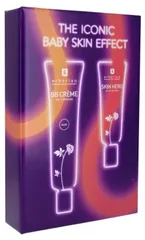
It works in several stages Instantly, its formula smoothes, blurs and illuminates, while leaving skin feeling ultra-soft and moisturized.
Source: Cocoon Center
This product can help improve hydration of the skin with the two types of ingredients.
The first type is called “humectants”:
these ingredients help attract water.
When humectants are on the surface of the skin, they “pull in” the moisture from the outside environment, or from
within deeper layers of the skin. The following ingredients in this product do the job:
betaine, glycerin.
This product also contains ingredients called “occlusives”. They help reduce the speed with which our skin loses moisture to the outside environment. These ingredients also help soften the upper layer of the skin, so it feels less tight and nicer to the touch. The following ingredients in this product do the job: caprylic/capric triglyceride, dimethicone.
A product of bacterial fermentation. Can help attract water to the upper layer of the skin
A good mix of fatty acids that forms a protective layer on the skin. Improves the shelf life of products. Derived from coconut and glycerin
A silicone that helps to reduce water loss from the surface of the skin. Can temporarily "fill in" lines and wrinkles, absorb oil, and create a nice product finish
One of the best moisturizing ingredients. Naturally present in skin. It attracts water to the upper layer of the skin working as a humectant
Helps attract water to the upper layer of the skin and improves the product texture
One of the best moisturizing ingredients. Attracts water into the upper layer of the skin
An oil naturally present in skin. Works as an emollient to soften the skin and form a protective layer on its surface without a greasy feeling.
Helps water and oil mix together and softens the upper layer of the skin
Helps oil and water mix together and can enhance the penetration of other ingredients into the skin. It can be irritating
Forms a protective film on the surface of the skin to prevent moisture loss. Gives a velvety feel to products while reducing tackiness
Used to create a nice product texture and help delivery of other ingredients. Might be somewhat helpful in attracting water to the upper layer of the skin
Helps preserve products and creates a nice product texture
A type of silicone that helps water and oil mix together. Can help to soften upper layer of the skin
An emollient that can also help water and oil mix together, as well as prevent bacteria growth in products
An emollient that is naturally present in skin and helps soften it
Used to preserve products, dissolve other ingredients and create a nice product texture
Helps oil and water mix together and works as an emollient
Pure form of vitamin E. Can help moisturise and protect the skin from free radicals. Often used to help stabilise other ingredients or the formula itself
Evens skin tone
What does the product description say?
The sensation of wearing nothing, just perfectly sublimated bare skin.In just 7 days, your bare skin is transformed textural irregularities are smoothed, skin texture is refined and skin tone is more even.Day after day, your skin is more radiant because it's protected from a dull complexion, one of the harmful effects of pollution.Silicone-free.Dermatologically tested. Non-comedogenic.
Source: Cocoon Center
This product contains ingredients (glycyrrhiza glabra root extract) that could help reduce hyperpigmentation (for example, post-acne marks or age spots) in theory, but there is not enough evidence that they actually work.
A plant extract that can help lighten the skin and calm down inflammation. Might be helpful in neutralizing free radicals
How honest is this product?
| Promise | Can it deliver? |
|---|---|
| Moisturizing | |
| Evens skin tone |
Total Promises Fulfilled score: 62/100.
We receive a small commission for purchases made through these links at no cost for you. Thank you for your support! Learn more
Affiliate link · supports WIMJ at no cost to you
Potential irritants
Comedogenic ingredients
User reviews (0)
Averages from community submissions.
No reviews yet for this product.
Be the first to share your experience!
Tried this product?
Help capture what the ingredient list can't—texture, finish, pilling, scent, and more. Answer what you can, skip the rest.
Takes ~30 seconds.
Reviews are shown in aggregate. No personal details.
Key Actives
Pure form of vitamin E. Can help moisturise and protect the skin from free radicals. Often used to help stabilise other ingredients or the formula itself
A silicone that helps to reduce water loss from the surface of the skin. Can temporarily "fill in" lines and wrinkles, absorb oil, and create a nice product finish
A good mix of fatty acids that forms a protective layer on the skin. Improves the shelf life of products. Derived from coconut and glycerin
One of the best moisturizing ingredients. Naturally present in skin. It attracts water to the upper layer of the skin working as a humectant
Works as a UV filter when used in high concentrations. It is photostable and is effective mostly against the UVB light, with some protection in the UVA range. In small concentrations, used for its ability to improve the color of cosmetic products. Is usually well tolerated by the skin
A synthetic ester of salicylic acid that is used to help disperse pigments and boost effectiveness of sunscreen ingredients. It is able to absorb UV light (working as an organic, or chemical filter), but is not approved as a sunscreen ingredient on its own
A broad spectrum sunblock (protects from both UVA and UVB rays). Is suitable for most sensitive skins. In small concentrations, can be used as a colorant
Works as a UV filter when used in high concentrations. It is photostable and is effective mostly against the UVB light, with some protection in the UVA range. In small concentrations, used for its ability to improve the color of cosmetic products. Is usually well tolerated by the skin
Helps attract water to the upper layer of the skin and improves the product texture
One of the best moisturizing ingredients. Naturally present in skin. It attracts water to the upper layer of the skin working as a humectant
Helps attract water to the upper layer of the skin and improves the product texture
A product of bacterial fermentation. Can help attract water to the upper layer of the skin
An oil naturally present in skin. Works as an emollient to soften the skin and form a protective layer on its surface without a greasy feeling.
One of the best moisturizing ingredients. Attracts water into the upper layer of the skin
A good mix of fatty acids that forms a protective layer on the skin. Improves the shelf life of products. Derived from coconut and glycerin
Works as a UV filter when used in high concentrations. It is photostable and is effective mostly against the UVB light, with some protection in the UVA range. In small concentrations, used for its ability to improve the color of cosmetic products. Is usually well tolerated by the skin
Potential irritants
A plant extract that might have some anti-inflammatory properties, but solid evidence is lacking. It can be irritating
An aromatic blend of unspecified and possibly irritating ingredients
A fragrance. Potential allergen and can be irritating
A plant extract that might have some anti-inflammatory properties, but solid evidence is lacking. It can be irritating
Helps oil and water mix together and can enhance the penetration of other ingredients into the skin. It can be irritating
An aromatic blend of unspecified and possibly irritating ingredients
A fragrance. Potential allergen and can be irritating
A good mix of fatty acids that forms a protective layer on the skin. Improves the shelf life of products. Derived from coconut and glycerin
A synthetic ester of salicylic acid that is used to help disperse pigments and boost effectiveness of sunscreen ingredients. It is able to absorb UV light (working as an organic, or chemical filter), but is not approved as a sunscreen ingredient on its own
Used to preserve products, dissolve other ingredients and create a nice product texture
A plant extract that can help lighten the skin and calm down inflammation. Might be helpful in neutralizing free radicals
Used to create a thicker product consistency and stabilize the formulation
Helps preserve products and creates a nice product texture
Used to preserve products, dissolve other ingredients and create a nice product texture
A plant extract that can help lighten the skin and calm down inflammation. Might be helpful in neutralizing free radicals
Used to thicken the product's consistency
A gelling agent that thickens the product consistency and leaves the skin with a velvety finish
Helps water and oil mix together and softens the upper layer of the skin
A good mix of fatty acids that forms a protective layer on the skin. Improves the shelf life of products. Derived from coconut and glycerin
Comedogenic ingredients
Used to thicken the product's consistency
All ingredients
A silicone that helps to reduce water loss from the surface of the skin. Can temporarily "fill in" lines and wrinkles, absorb oil, and create a nice product finish
A good mix of fatty acids that forms a protective layer on the skin. Improves the shelf life of products. Derived from coconut and glycerin
Forms a protective film on the surface of the skin to prevent moisture loss. Gives a velvety feel to products while reducing tackiness
One of the best moisturizing ingredients. Naturally present in skin. It attracts water to the upper layer of the skin working as a humectant
Works as a UV filter when used in high concentrations. It is photostable and is effective mostly against the UVB light, with some protection in the UVA range. In small concentrations, used for its ability to improve the color of cosmetic products. Is usually well tolerated by the skin
A synthetic ester of salicylic acid that is used to help disperse pigments and boost effectiveness of sunscreen ingredients. It is able to absorb UV light (working as an organic, or chemical filter), but is not approved as a sunscreen ingredient on its own
A broad spectrum sunblock (protects from both UVA and UVB rays). Is suitable for most sensitive skins. In small concentrations, can be used as a colorant
Works as a UV filter when used in high concentrations. It is photostable and is effective mostly against the UVB light, with some protection in the UVA range. In small concentrations, used for its ability to improve the color of cosmetic products. Is usually well tolerated by the skin
A type of silicone that helps water and oil mix together. Can help to soften upper layer of the skin
A type of silicone that create a smooth product finish and can create an optical soft-focus effect on the skin. Helps to thicken the product consistency
A type of clay that is used to thicken the product consistency
An umbrella term for the following three colorants: CI 77491, CI 77492, CI 77499. They might be able to offer some protection against visible light, but the degree of the protection is not clear
Helps attract water to the upper layer of the skin and improves the product texture
Used to preserve products, dissolve other ingredients and create a nice product texture
Used to create a nice product texture and help delivery of other ingredients. Might be somewhat helpful in attracting water to the upper layer of the skin
A plant extract that might have some anti-inflammatory properties, but solid evidence is lacking. It can be irritating
A plant extract that can help lighten the skin and calm down inflammation. Might be helpful in neutralizing free radicals
A mineral that is used as an optical filter (makes the skin looks nicer through light reflection) and to improve the texture of cosmetic products
Used to create a thicker product consistency and stabilize the formulation
Is used to enhance product texture and can help to optically mask skin imperfections
Used to stabilize product formulations and create a nice product texture
The same compound that is used safely in dental implants and bone cements. In cosmetics, it is used to improve the consistency of products
An emollient that is naturally present in skin and helps soften it
A type of silicone that helps oil and water mix well together. Helps to disperse other ingredients, e.g. pigments, evenly in a formulation
Helps preserve products and creates a nice product texture
An emollient that can also help water and oil mix together, as well as prevent bacteria growth in products
Is used to add opaque (non-transparent) appearance to formulations. Can be used to coat other ingredients for even dispersion. This is a different ingredient compared to the ones used in antipersperants (aluminium chloride and aluminium chlorohydrate)
Used to increase stability of product formulations
Pure form of vitamin E. Can help moisturise and protect the skin from free radicals. Often used to help stabilise other ingredients or the formula itself
An aromatic blend of unspecified and possibly irritating ingredients
A fragrance. Potential allergen and can be irritating
An umbrella term for the following three colorants: CI 77491, CI 77492, CI 77499. They might be able to offer some protection against visible light, but the degree of the protection is not clear
An umbrella term for the following three colorants: CI 77491, CI 77492, CI 77499. They might be able to offer some protection against visible light, but the degree of the protection is not clear
Used to create a nice product texture and help delivery of other ingredients. Might be somewhat helpful in attracting water to the upper layer of the skin
Is used to enhance product texture and can help to optically mask skin imperfections
One of the best moisturizing ingredients. Naturally present in skin. It attracts water to the upper layer of the skin working as a humectant
Used to preserve products, dissolve other ingredients and create a nice product texture
Helps attract water to the upper layer of the skin and improves the product texture
A plant extract that might have some anti-inflammatory properties, but solid evidence is lacking. It can be irritating
A plant extract that can help lighten the skin and calm down inflammation. Might be helpful in neutralizing free radicals
Used to thicken the product's consistency
A product of bacterial fermentation. Can help attract water to the upper layer of the skin
An oil naturally present in skin. Works as an emollient to soften the skin and form a protective layer on its surface without a greasy feeling.
One of the best moisturizing ingredients. Attracts water into the upper layer of the skin
Increases thickness of a product. Texture enhancer for oil-in-water emulsions
Helps oil and water mix together and can enhance the penetration of other ingredients into the skin. It can be irritating
A gelling agent that thickens the product consistency and leaves the skin with a velvety finish
Creates an illusion of smoother and more radiant skin tone. Adds shimmer to the skin by reflecting light
A mineral that is used as an optical filter (makes the skin looks nicer through light reflection) and to improve the texture of cosmetic products
Helps to retain moisture by creating a protective barrier on the skin. Rich in fatty acids. Improves product texture and helps with the penetration of other ingredients.
Helps water and oil mix together and softens the upper layer of the skin
A good mix of fatty acids that forms a protective layer on the skin. Improves the shelf life of products. Derived from coconut and glycerin
A colorant that can add a pearl-like appearance to the formulation
An aromatic blend of unspecified and possibly irritating ingredients
A fragrance. Potential allergen and can be irritating
Works as a UV filter when used in high concentrations. It is photostable and is effective mostly against the UVB light, with some protection in the UVA range. In small concentrations, used for its ability to improve the color of cosmetic products. Is usually well tolerated by the skin
Ingredient list view
Water, Dimethicone, Caprylic/capric triglyceride, Isononyl isononanoate, Glycerin, Ci 77891, Titanium dioxide, Butyloctyl salicylate, Zinc oxide, Titanium dioxide, Cetyl peg/ppg-10/1 dimethicone, Disiloxane, Vinyl dimethicone/methicone silsesquioxane crosspolymer, Disteardimonium hectorite, Ci 77492, Iron oxides, Magnesium sulfate, Betaine, Pentylene glycol, Butylene glycol, Lauryl peg-10 tris(trimethylsiloxy)silylethyl dimethicone, Panax ginseng root extract, Glycyrrhiza glabra root extract, Dioscorea villosa root extract, Kigelia africana fruit extract, Equisetum giganteum extract, Synthetic fluorphlogopite, Polyhydroxystearic acid, Polyglyceryl-4 isostearate, Polymethyl methacrylate, Dimethicone/vinyl dimethicone crosspolymer, Stearic acid, Alumina, Palmitic acid, Triethoxycaprylylsilane, Caprylyl glycol, Glyceryl caprylate, Aluminum hydroxide, Pentaerythrityl tetra-di-t-butyl hydroxyhydrocinnamate, Unknown, Tocopherol, Ethylhexylglycerin, Parfum, Hexyl cinnamal, Alpha-isomethyl ionone, Linalool, Citronellol, Geraniol, Ci 77499, Iron oxides, Ci 77491, Iron oxides, Water, Butylene glycol, Polymethyl methacrylate, Glycerin, Pentylene glycol, Sodium acrylates crosspolymer-2, Betaine, Panax ginseng root extract, Glycyrrhiza glabra root extract, Dioscorea villosa root extract, Kigelia africana fruit extract, Equisetum giganteum extract, Zea mays starch, Bacillus ferment, Squalane, Sodium hyaluronate, Ammonium acryloyldimethyltaurate/vp copolymer, Propylene glycol, Hydroxyethyl acrylate/sodium acryloyldimethyl taurate copolymer, Ethylhexylglycerin, Mica, 1,2-hexanediol, Synthetic fluorphlogopite, Silica dimethyl silylate, Silica, Polysorbate 60, Zein, Biosaccharide gum-4, Sorbitan isostearate, Hydrogenated lecithin, Polyglyceryl-10 stearate, Caprylic/capric triglyceride, Tin oxide, Potassium sorbate, Parfum, Hexyl cinnamal, Alpha-isomethyl ionone, Ci 17200, Ci 77288, Chromium oxide greens, Ci 19140, Ci 77891, Titanium dioxide
- Dimethicone as a protective ingredient in topical medications
- Final Report on the Safety Assessment of Dimethicone Copolyol
- Glycerol and the skin: holistic approach to its origin and functions
- Safety assessment of Salicylic Acid, Butyloctyl Salicylate, Calcium Salicylate, C12-15 Alkyl Salicylate, Capryloyl Salicylic Acid, Hexyldodecyl Salicylate, Isocetyl Salicylate, Isodecyl Salicylate, Magnesium Salicylate, MEA-Salicylate, Ethylhexyl Salicylate, Potassium Salicylate, Methyl Salicylate, Myristyl Salicylate, Sodium Salicylate, TEA-Salicylate, and Tridecyl Salicylate
- A review of inorganic UV filters zinc oxide and titanium dioxide
- Risk assessment of zinc oxide, a cosmetic ingredient used as a UV filter of sunscreens
- Characterization of the UVA protection provided by avobenzone, zinc oxide, and titanium dioxide in broad-spectrum sunscreen products
- Ultraviolet Protection Properties of Commercial Sunscreens and Sunscreens Containing Zno Nanorods
- ZnO nanoparticles and organic chemical UV-filters are equally well tolerated by human immune cells
- Safety Assessment of Magnesium Sulfate as Used in Cosmetics
- Ginseng in Dermatology: A Review
- Antiaging effects of the mixture of Panax ginseng and Crataegus pinnatifida in human dermal fibroblasts and healthy human skin
- Safety Assessment of Alumina and Aluminum Hydroxide as Used in Cosmetics
- Safety Assessment of Pentaerythrityl Tetra-Di-t-Butyl Hydroxyhydrocinnamate as Used in Cosmetics
- Vitamin E in dermatology
- Vitamin E and Skin Health
- Annex I: Clinical evidence regarding sensitisation to individual fragrance chemicals and to natural extracts
- Hyaluronic acid: A key molecule in skin aging
- Hyaluronan (Hyaluronic Acid): a natural moisturizer for skin care
- Surfactants and experimental irritant contact dermatitis
- Propylene Glycol
- Skin-sensitizing and irritant properties of propylene glycol
- The influence of alkane chain length on the skin irritation potential of 1,2-alkanediols
- Safety Assessment of Polyglyceryl Fatty Acid Esters as Used in Cosmetics
- Safety Assessment of Tin(IV) Oxide as Used in Cosmetics
- Analysis of Dyes in Cosmetics: Challenges and Recent Developments