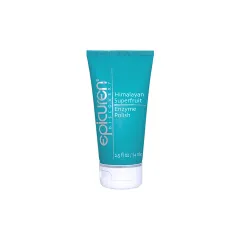
Works for:
based on ingredients and %- Anti-oxidation
- Moisturizing
Doesn't work for:
based on ingredients and %- Exfoliation
Can it cause trouble?
- Irritation risk: high
- Comedogenic risk ingredients: 0
Key actives

Anti-oxidation
This product contains antioxidants (camellia sinensis leaf extract, lycium barbarum fruit extract, punica granatum extract) that might be able to help neutralize free radicals in skin to lessen the damage it gets from the UV light (sun). There is not enough evidence to confirm their effectiveness in skin though.
A plant extract that can help neutralize free radicals in skin and even out the skin tone, but is typically used in products in a concentration that is too low to be effective
Can contain potent anti-oxidant compounds (abbreviated ECG, GCG, EGC, and EGCG) that might help protect the skin from free radicals. Can help calm down inflammation and has some anti-bacterial properties. Unfortunately, these antioxidants are unstable and lose their effectiveness very quickly in products. The concentration of the antioxidant compounds in the extract also tends to be low to be effective in topical formulation
A plant extract that can help neutralize free radicals in skin and attract water to its upper layer
Might be helpful in neutralizing free radicals in skin
A plant extract that might help neutralize free radicals in skin, but research on its efficacy in skin is lacking
A plant extract that can have some anti-oxidant effect in skin
A plant extract that might have some anti-oxidant properties, but evidence is lacking
Carrot extract. Might have anti-oxidant properties and be used to add orange color
The most well-researched antioxidant that works in skin. Helps neutralize free radicals supporting collagen production, helping to even out the skin tone and preventing early signs of aging
Moisturizing
This product can help improve hydration of the skin with the two types of ingredients.
The first type is called “humectants”:
these ingredients help attract water.
When humectants are on the surface of the skin, they “pull in” the moisture from the outside environment, or from
within deeper layers of the skin. The following ingredients in this product do the job:
glycerin, sorbitol.
This product also contains ingredients called “occlusives”. They help reduce the speed with which our skin loses moisture to the outside environment. These ingredients also help soften the upper layer of the skin, so it feels less tight and nicer to the touch. The following ingredients in this product do the job: helianthus annuus seed oil.
One of the best moisturizing ingredients. Naturally present in skin. It attracts water to the upper layer of the skin working as a humectant
A great emollient due to its high linoleic acid content. One of the most effective plant oils in helping skin hydration and repairing skin barrier function
Sugar extract that helps attract water to the upper layer of the skin
A plant extract that can help neutralize free radicals in skin and attract water to its upper layer
Helps attract water to the upper layer of the skin and improves the product texture
Can contain potent anti-oxidant compounds (abbreviated ECG, GCG, EGC, and EGCG) that might help protect the skin from free radicals. Can help calm down inflammation and has some anti-bacterial properties. Unfortunately, these antioxidants are unstable and lose their effectiveness very quickly in products. The concentration of the antioxidant compounds in the extract also tends to be low to be effective in topical formulation
An exfoliating and moisturizing alpha-hydroxy acid (AHA). Typically causes less irritation than other AHAs, for example, glycolic acid. At high concentrations (about 15%), lactic acid can help reduce lines and wrinkles. Recent studies show that lactic acid can support the "good" bacteria living on skin's surface (healthy skin microbiome)
Exfoliation
What does the product description say?
An exotic enzyme puree of Pomegranate, Goji, Bilberry, Raspberry, Cranberry, Acai and Noni delicately, yet effectively exfoliate the skin.
Source: Epicuren
This product might help exfoliate the skin with lactobacillus/punica granatum fruit ferment extract, papain, but These ingredients is not the most effective.
An enzyme-based exfoliant
An enzyme extracted from papaya fruit. Can have an exfoliating effect on the skin. Can be irritating
An exfoliating and moisturizing alpha-hydroxy acid (AHA). Typically causes less irritation than other AHAs, for example, glycolic acid. At high concentrations (about 15%), lactic acid can help reduce lines and wrinkles. Recent studies show that lactic acid can support the "good" bacteria living on skin's surface (healthy skin microbiome)
How honest is this product?
| Promise | Can it deliver? |
|---|---|
| Exfoliation |
Total Promises Fulfilled score: 50/100.
We receive a small commission for purchases made through these links at no cost for you. Thank you for your support! Learn more
Potential irritants
Comedogenic ingredients
No comedogenic ingredients detected
User reviews (0)
Averages from community submissions.
No reviews yet for this product.
Be the first to share your experience!
Tried this product?
Help capture what the ingredient list can't—texture, finish, pilling, scent, and more. Answer what you can, skip the rest.
Takes ~30 seconds.
Reviews are shown in aggregate. No personal details.
Key Actives
Can contain potent anti-oxidant compounds (abbreviated ECG, GCG, EGC, and EGCG) that might help protect the skin from free radicals. Can help calm down inflammation and has some anti-bacterial properties. Unfortunately, these antioxidants are unstable and lose their effectiveness very quickly in products. The concentration of the antioxidant compounds in the extract also tends to be low to be effective in topical formulation
A plant extract that can help neutralize free radicals in skin and attract water to its upper layer
A plant extract that can help neutralize free radicals in skin and even out the skin tone, but is typically used in products in a concentration that is too low to be effective
One of the best moisturizing ingredients. Naturally present in skin. It attracts water to the upper layer of the skin working as a humectant
Sugar extract that helps attract water to the upper layer of the skin
A great emollient due to its high linoleic acid content. One of the most effective plant oils in helping skin hydration and repairing skin barrier function
Potential irritants
An enzyme-based exfoliant
An aromatic blend of unspecified and possibly irritating ingredients
Plant extract that can have healing and anti-inflammatory properties. It is a potential allergen and can be irritating
An enzyme extracted from papaya fruit. Can have an exfoliating effect on the skin. Can be irritating
Used as a fragrance. Can be irritating and cause photosensitivity
A plant extract that is used as a fragrance. Can be irritating and lead to photosensitivity
Helps mask the smell of other ingredients and helps preserve the product formulation
The most well-researched antioxidant that works in skin. Helps neutralize free radicals supporting collagen production, helping to even out the skin tone and preventing early signs of aging
A plant extract that might help neutralize free radicals in skin, but research on its efficacy in skin is lacking
A plant extract that can help neutralize free radicals in skin and attract water to its upper layer
A plant extract that can have some anti-oxidant effect in skin
A plant extract that might have some anti-oxidant properties, but evidence is lacking
A plant extract that can help neutralize free radicals in skin and even out the skin tone, but is typically used in products in a concentration that is too low to be effective
Helps oil and water mix together. Can be used as a cleansing agent
A plant extract that contains small percentage of AHAs. Is unlikely to have any skin benefit due the small concentration of the active compounds
Can work as an exfoliant but is typically used to adjust the product pH
Helps oil and water mix together. Can be used as a cleansing agent
An exfoliating and moisturizing alpha-hydroxy acid (AHA). Typically causes less irritation than other AHAs, for example, glycolic acid. At high concentrations (about 15%), lactic acid can help reduce lines and wrinkles. Recent studies show that lactic acid can support the "good" bacteria living on skin's surface (healthy skin microbiome)
Comedogenic ingredients
We couldn't find any comedogenic ingredients in this product
All ingredients
One of the best moisturizing ingredients. Naturally present in skin. It attracts water to the upper layer of the skin working as a humectant
An enzyme-based exfoliant
An aromatic blend of unspecified and possibly irritating ingredients
A plant extract that might help neutralize free radicals in skin, but research on its efficacy in skin is lacking
A plant extract that can help neutralize free radicals in skin and attract water to its upper layer
Might be helpful in neutralizing free radicals in skin
A plant extract that can have some anti-oxidant effect in skin
A plant extract that might have some anti-oxidant properties, but evidence is lacking
Plant extract that can have healing and anti-inflammatory properties. It is a potential allergen and can be irritating
A plant extract that can help neutralize free radicals in skin and even out the skin tone, but is typically used in products in a concentration that is too low to be effective
Can contain potent anti-oxidant compounds (abbreviated ECG, GCG, EGC, and EGCG) that might help protect the skin from free radicals. Can help calm down inflammation and has some anti-bacterial properties. Unfortunately, these antioxidants are unstable and lose their effectiveness very quickly in products. The concentration of the antioxidant compounds in the extract also tends to be low to be effective in topical formulation
An enzyme extracted from papaya fruit. Can have an exfoliating effect on the skin. Can be irritating
Sugar extract that helps attract water to the upper layer of the skin
Used as a fragrance. Can be irritating and cause photosensitivity
Helps oil and water mix together. Can be used as a cleansing agent
A plant extract that contains small percentage of AHAs. Is unlikely to have any skin benefit due the small concentration of the active compounds
A great emollient due to its high linoleic acid content. One of the most effective plant oils in helping skin hydration and repairing skin barrier function
Can work as an exfoliant but is typically used to adjust the product pH
Helps attract water to the upper layer of the skin and improves the product texture
Helps oil and water mix together. Can be used as a cleansing agent
Helps create thicker product formulations and stabilize emulsions
A plant extract that is used as a fragrance. Can be irritating and lead to photosensitivity
Helps mask the smell of other ingredients and helps preserve the product formulation
The most well-researched antioxidant that works in skin. Helps neutralize free radicals supporting collagen production, helping to even out the skin tone and preventing early signs of aging
An exfoliating and moisturizing alpha-hydroxy acid (AHA). Typically causes less irritation than other AHAs, for example, glycolic acid. At high concentrations (about 15%), lactic acid can help reduce lines and wrinkles. Recent studies show that lactic acid can support the "good" bacteria living on skin's surface (healthy skin microbiome)
Helps oil and water mix together. Can be used as a cleansing agent
Carrot extract. Might have anti-oxidant properties and be used to add orange color
Used to stabilize the product formulation and can help absorb oil
A preservative. It helps prevent bacterial growth in cosmetic products
Ingredient list view
Water, Glycerin, Lactobacillus/punica granatum fruit ferment extract, Silica, Rubus idaeus seed, Xanthan gum, Parfum, Unknown, Bromelain, Tasmannia lanceolata fruit extract, Vaccinium myrtillus fruit extract, Lycium barbarum fruit extract, Coffea arabica seed extract, Euterpe oleracea fruit extract, Morinda citrifolia fruit extract, Citrus reticulata fruit extract, Rosa canina fruit extract, Chamomilla recutita flower extract, Syzygium luehmannii fruit extract, Punica granatum extract, Camellia sinensis leaf extract, Garcinia mangostana peel extract, Citrus sinensis peel extract, Papain, Kunzea pomifera fruit extract, Saccharum officinarum extract, Citrus limon fruit extract, Citrus aurantium amara fruit extract, Sucrose trilaurate, Acer saccharum extract, Helianthus annuus seed oil, Citric acid, Sorbitol, Sucrose dilaurate, Dehydroxanthan gum, Citrus aurantium dulcis fruit extract, Phenylpropanol, Ascorbic acid, Lactic acid, Sucrose laurate, Daucus carota sativa root extract, Beta vulgaris root juice, Caramel, Menthoxypropanediol, Ethylhexylglycerin, Maltodextrin, Phenoxyethanol
- Glycerol and the skin: holistic approach to its origin and functions
- Lonicera caerulea and Vaccinium myrtillus fruit polyphenols protect HaCaT keratinocytes against UVB-induced phototoxic stress and DNA damage
- Herbal Medicine: Biomolecular and Clinical Aspects. 2nd edition.
- Water-soluble polysaccharide from dried Lycium barbarum fruits: Isolation, structural features and antioxidant activity
- Lycium barbarum polysaccharide protects human keratinocytes against UVB-induced photo-damage
- Lycium Barbarum and Human Health
- Effect of green Coffea arabica L. seed oil on extracellular matrix components and water-channel expression in in vitro and ex vivo human skin models
- Total Oxidant Scavenging Capacity of Euterpe oleracea Mart. (Açaí) Seeds and Identification of Their Polyphenolic Compounds
- Euterpe oleracea, Matricaria chamomilla, and Camellia sinensis as promising ingredients for development of skin care formulations
- Extract of Punica granatum inhibits skin photoaging induced by UVB irradiation
- Topical microemulsion containing Punica granatum extract: its control over skin erythema and melanin in healthy Asian subjects
- Safety Assessment of Punica granatum -Derived Ingredients as Used in Cosmetics
- Safety Assessment of Citrus-Derived Peel Oils as Used in Cosmetics
- Effect of Olive and Sunflower Seed Oil on the Adult Skin Barrier: Implications for Neonatal Skin Care
- Topically Applied Sunflower Seed Oil Prevents Invasive Bacterial Infections in Preterm Infants in Egypt
- Effect of topically applied lipids on surfactant-irritated skin
- Impact of topical oils on the skin barrier: possible implications for neonatal health in developing countries
- Safety Assessment of Citrus Fruit-Derived Ingredients as Used in Cosmetics
- Photosensitivity in children: An approach to diagnosis and management
- Epidermal and dermal effects of topical lactic acid
- Dual Effects of Alpha-Hydroxy Acids on the Skin