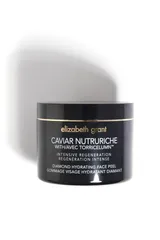
Works for:
based on ingredients and %- Anti-aging
- Moisturizing
- Anti-oxidation
- Evens skin tone
Doesn't work for:
based on ingredients and %- Exfoliation
Can it cause trouble?
- Irritation risk: high
- Comedogenic risk ingredients: 7
Key actives

Anti-oxidation
This product contains antioxidants (camellia oleifera leaf extract) that can help neutralize free radicals in skin. By doing so, they can lessen the damage the skin gets from the UV light (sun).
A plant extract that can help neutralize free radicals and reduce inflammation, even though it is not usually used in sufficient concentration in cosmetics
A more stable but less bio-available form of vitamin E compared to Tocopherol. Might help moisturize and protect the skin from free radicals, but mostly used in low concentrations to stabilize other ingredients.
Might be somewhat helpful in reducing hyperpigmentation and neutralizing free radicals but its typical concentration in a product is too low for having an effect
Anti-aging
What does the product description say?
Peel away the look of aging and years of skin neglect.
Source: Elizabeth Grant
This product contains retinyl palmitate. This ingredient might be able to help reduce and prevent fine lines and wrinkles, improve skin elasticity and firmness, but there is not enough evidence that it actually works.
Three steps removed from the active form of vitamin A - retinoic acid. To have an effect in the skin, it first needs to be converted twice to become the retinoic acid. This means it is less potent than retinol, but could also be less irritating. Once converted to the retinoic acid in the skin, it helps against all signs of aging, improves skin cell turnover and helps fight blemishes and clogged pores. However, in many cosmetic formulations, it is used in a concentration that is too low to have the full effect
Plant extract that helps the skin to attract water and make it more smooth for touch. Also shows promise of anti-aging properties, but research is not extensive yet
Traditionally used to treat sunburns, dermatitis and inflammation, but evidence for its effectiveness is lacking. The extract can contain humectants that help attract water into the skin
Evens skin tone
The following ingredient (ingredients) in this product might be helpful, but there is no evidence to confirm that it actually works: retinyl palmitate.
Three steps removed from the active form of vitamin A - retinoic acid. To have an effect in the skin, it first needs to be converted twice to become the retinoic acid. This means it is less potent than retinol, but could also be less irritating. Once converted to the retinoic acid in the skin, it helps against all signs of aging, improves skin cell turnover and helps fight blemishes and clogged pores. However, in many cosmetic formulations, it is used in a concentration that is too low to have the full effect
Is claimed to be able to brighten skin tone by removing some blood-related pigmented compounds in skin (hemoglobin and related elements) but solid research is missing. Can be irritating
Moisturizing
What does the product description say?
Uncover luminous, smooth, and a fresh looking complexion overnight with this deeply hydrating facial peel.
Source: Elizabeth Grant
This product can help improve hydration of the skin with the two types of ingredients.
The first type is called “humectants”:
these ingredients help attract water.
When humectants are on the surface of the skin, they “pull in” the moisture from the outside environment, or from
within deeper layers of the skin. The following ingredients in this product do the job:
algae extract, glycerin.
This product also contains ingredients called “occlusives”. They help reduce the speed with which our skin loses moisture to the outside environment. These ingredients also help soften the upper layer of the skin, so it feels less tight and nicer to the touch. The following ingredients in this product do the job: caprylic/capric triglyceride, cocos nucifera oil.
An emollient. Found to be as effective as a moisturizer for dry skin as mineral oil. Could be comedogenic
One of the best moisturizing ingredients. Naturally present in skin. It attracts water to the upper layer of the skin working as a humectant
One of the best moisturizing ingredients. Attracts water into the upper layer of the skin
A good mix of fatty acids that forms a protective layer on the skin. Improves the shelf life of products. Derived from coconut and glycerin
Plant extract that helps the skin to attract water and make it more smooth for touch. Also shows promise of anti-aging properties, but research is not extensive yet
A non-drying alcohol. Works as an emollient. Helps water and oil mix together and creates a nice product texture
Helps oil and water mix together and works as an emollient
An emollient that is naturally present in skin and helps soften it
Helps preserve products and creates a nice product texture
Used to thicken product formulation. Can help attract water to the upper layer of the skin
Used to create a nice product texture and help delivery of other ingredients. Might be somewhat helpful in attracting water to the upper layer of the skin
An emollient that softens the skin and forms a protective layer on its surface. Helps water and oil mix together
Might be somewhat helpful in reducing hyperpigmentation and neutralizing free radicals but its typical concentration in a product is too low for having an effect
Traditionally used to treat sunburns, dermatitis and inflammation, but evidence for its effectiveness is lacking. The extract can contain humectants that help attract water into the skin
Exfoliation
What does the product description say?
Caviar Exfoliating Face Peel
Source: From product name
This product might help exfoliate the skin with papain, retinyl palmitate, but These ingredients is not the most effective.
An enzyme extracted from papaya fruit. Can have an exfoliating effect on the skin. Can be irritating
Three steps removed from the active form of vitamin A - retinoic acid. To have an effect in the skin, it first needs to be converted twice to become the retinoic acid. This means it is less potent than retinol, but could also be less irritating. Once converted to the retinoic acid in the skin, it helps against all signs of aging, improves skin cell turnover and helps fight blemishes and clogged pores. However, in many cosmetic formulations, it is used in a concentration that is too low to have the full effect
How honest is this product?
| Promise | Can it deliver? |
|---|---|
| Anti-aging | |
| Moisturizing | |
| Exfoliation |
Total Promises Fulfilled score: 66/100.
We receive a small commission for purchases made through these links at no cost for you. Thank you for your support! Learn more
Potential irritants
Comedogenic ingredients
User reviews (0)
Averages from community submissions.
No reviews yet for this product.
Be the first to share your experience!
Tried this product?
Help capture what the ingredient list can't—texture, finish, pilling, scent, and more. Answer what you can, skip the rest.
Takes ~30 seconds.
Reviews are shown in aggregate. No personal details.
Key Actives
Three steps removed from the active form of vitamin A - retinoic acid. To have an effect in the skin, it first needs to be converted twice to become the retinoic acid. This means it is less potent than retinol, but could also be less irritating. Once converted to the retinoic acid in the skin, it helps against all signs of aging, improves skin cell turnover and helps fight blemishes and clogged pores. However, in many cosmetic formulations, it is used in a concentration that is too low to have the full effect
Plant extract that helps the skin to attract water and make it more smooth for touch. Also shows promise of anti-aging properties, but research is not extensive yet
A plant extract that can help neutralize free radicals and reduce inflammation, even though it is not usually used in sufficient concentration in cosmetics
One of the best moisturizing ingredients. Naturally present in skin. It attracts water to the upper layer of the skin working as a humectant
A good mix of fatty acids that forms a protective layer on the skin. Improves the shelf life of products. Derived from coconut and glycerin
One of the best moisturizing ingredients. Attracts water into the upper layer of the skin
An emollient. Found to be as effective as a moisturizer for dry skin as mineral oil. Could be comedogenic
Works as a UV filter when used in high concentrations. It is photostable and is effective mostly against the UVB light, with some protection in the UVA range. In small concentrations, used for its ability to improve the color of cosmetic products. Is usually well tolerated by the skin
Potential irritants
An enzyme extracted from papaya fruit. Can have an exfoliating effect on the skin. Can be irritating
Three steps removed from the active form of vitamin A - retinoic acid. To have an effect in the skin, it first needs to be converted twice to become the retinoic acid. This means it is less potent than retinol, but could also be less irritating. Once converted to the retinoic acid in the skin, it helps against all signs of aging, improves skin cell turnover and helps fight blemishes and clogged pores. However, in many cosmetic formulations, it is used in a concentration that is too low to have the full effect
Plant extract that can have healing and anti-inflammatory properties. It is a potential allergen and can be irritating
Is claimed to be able to brighten skin tone by removing some blood-related pigmented compounds in skin (hemoglobin and related elements) but solid research is missing. Can be irritating
Helps oil and water mix together and can enhance the penetration of other ingredients into the skin. It can be irritating
An aromatic blend of unspecified and possibly irritating ingredients
A good mix of fatty acids that forms a protective layer on the skin. Improves the shelf life of products. Derived from coconut and glycerin
Might be somewhat helpful in reducing hyperpigmentation and neutralizing free radicals but its typical concentration in a product is too low for having an effect
Traditionally used to treat sunburns, dermatitis and inflammation, but evidence for its effectiveness is lacking. The extract can contain humectants that help attract water into the skin
Helps oil and water mix together. Has some emollient properties
Helps preserve products and creates a nice product texture
Helps oil and water mix together. Could be comedogenic
A more stable but less bio-available form of vitamin E compared to Tocopherol. Might help moisturize and protect the skin from free radicals, but mostly used in low concentrations to stabilize other ingredients.
Can work as an exfoliant but is typically used to adjust the product pH
Used to adjust pH of the product and can help improve the product's smell
Comedogenic ingredients
A non-drying alcohol. Works as an emollient. Helps water and oil mix together and creates a nice product texture
An emollient. Found to be as effective as a moisturizer for dry skin as mineral oil. Could be comedogenic
Plant extract that helps the skin to attract water and make it more smooth for touch. Also shows promise of anti-aging properties, but research is not extensive yet
Helps oil and water mix together. Has some emollient properties
Helps oil and water mix together. Could be comedogenic
Used to thicken product formulation. Can help attract water to the upper layer of the skin
All ingredients
An emollient that is naturally present in skin and helps soften it
One of the best moisturizing ingredients. Naturally present in skin. It attracts water to the upper layer of the skin working as a humectant
A good mix of fatty acids that forms a protective layer on the skin. Improves the shelf life of products. Derived from coconut and glycerin
A non-drying alcohol. Works as an emollient. Helps water and oil mix together and creates a nice product texture
An emollient that softens the skin and forms a protective layer on its surface. Helps water and oil mix together
An enzyme extracted from papaya fruit. Can have an exfoliating effect on the skin. Can be irritating
Three steps removed from the active form of vitamin A - retinoic acid. To have an effect in the skin, it first needs to be converted twice to become the retinoic acid. This means it is less potent than retinol, but could also be less irritating. Once converted to the retinoic acid in the skin, it helps against all signs of aging, improves skin cell turnover and helps fight blemishes and clogged pores. However, in many cosmetic formulations, it is used in a concentration that is too low to have the full effect
One of the best moisturizing ingredients. Attracts water into the upper layer of the skin
An emollient. Found to be as effective as a moisturizer for dry skin as mineral oil. Could be comedogenic
Plant extract that helps the skin to attract water and make it more smooth for touch. Also shows promise of anti-aging properties, but research is not extensive yet
Plant extract that can have healing and anti-inflammatory properties. It is a potential allergen and can be irritating
Might be somewhat helpful in reducing hyperpigmentation and neutralizing free radicals but its typical concentration in a product is too low for having an effect
A plant extract that can help neutralize free radicals and reduce inflammation, even though it is not usually used in sufficient concentration in cosmetics
Is claimed to be able to brighten skin tone by removing some blood-related pigmented compounds in skin (hemoglobin and related elements) but solid research is missing. Can be irritating
Traditionally used to treat sunburns, dermatitis and inflammation, but evidence for its effectiveness is lacking. The extract can contain humectants that help attract water into the skin
Helps oil and water mix together. Has some emollient properties
A preservative. It helps prevent bacterial growth in cosmetic products
Helps oil and water mix together and can enhance the penetration of other ingredients into the skin. It can be irritating
Helps preserve products and creates a nice product texture
Helps create a thicker or gel-like product texture. It is not a surfactant but can be used in gentle cleansing formulations
Helps oil and water mix together. Could be comedogenic
A more stable but less bio-available form of vitamin E compared to Tocopherol. Might help moisturize and protect the skin from free radicals, but mostly used in low concentrations to stabilize other ingredients.
Used to create a nice product texture and help delivery of other ingredients. Might be somewhat helpful in attracting water to the upper layer of the skin
A colorant that can add a pearl-like appearance to the formulation
Used to thicken product formulation. Can help attract water to the upper layer of the skin
Can work as an exfoliant but is typically used to adjust the product pH
Used to adjust pH of the product and can help improve the product's smell
An aromatic blend of unspecified and possibly irritating ingredients
Works as a UV filter when used in high concentrations. It is photostable and is effective mostly against the UVB light, with some protection in the UVA range. In small concentrations, used for its ability to improve the color of cosmetic products. Is usually well tolerated by the skin
Ingredient list view
Water, Pumice, Palmitic acid, Glycerin, Stearic acid, Caprylic/capric triglyceride, Hectorite, Solum diatomeae, Cetearyl alcohol, Glyceryl stearate, Caviar extract, Papain, Retinyl palmitate, Sodium hyaluronate, Cocos nucifera oil, Algae extract, Chamomilla recutita flower extract, Salvia officinalis leaf extract, Cucumis sativus fruit extract, Camellia oleifera leaf extract, Dioscorea villosa root extract, Trifolium pratense leaf extract, N-hydroxysuccinimide, Aloe barbadensis leaf juice, Allantoin panthenol, Ceteareth-20, Phenoxyethanol, Propylene glycol, Caprylyl glycol, Carbomer, Disodium edta, Ethylhexylglycerin, Myristic acid, Arachidic acid, Tocopheryl acetate, Butylene glycol, 1,2-hexanediol, Tin oxide, Algin, Citric acid, Calcium sodium borosilicate, Triethanolamine, Potassium sorbate, Sodium benzoate, Parfum, Ci 77891, Titanium dioxide, Ci 16035, Ci 42090, Ci 19140
- Glycerol and the skin: holistic approach to its origin and functions
- Hyaluronic acid: A key molecule in skin aging
- Hyaluronan (Hyaluronic Acid): a natural moisturizer for skin care
- Allergic contact dermatitis caused by Salvia officinalis extract
- Surfactants and experimental irritant contact dermatitis
- Propylene Glycol
- Skin-sensitizing and irritant properties of propylene glycol
- The fatty acid profile of the skin surface lipid layer in papulopustular rosacea
- The influence of alkane chain length on the skin irritation potential of 1,2-alkanediols
- Safety Assessment of Tin(IV) Oxide as Used in Cosmetics
- Analysis of Dyes in Cosmetics: Challenges and Recent Developments