Works for:
based on ingredients and %- Cleansing
Can it cause trouble?
- Irritation risk: high
- Comedogenic risk ingredients: 2
Key actives


Works for
Cleansing
What does the product description say?
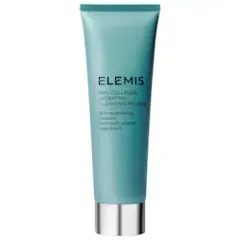
What it is: A clinically tested cream that transforms into a light, silky mousse cleanser for soft, comforted, and hydrated skin.
Source: Sephora
This product works by removing dirt and oil from the surface of the skin. It uses a combination of mild cleansing agents (ammonium lauryl sulfate, cetearyl alcohol, disodium cocoamphodiacetate, sodium cocoyl apple amino acids, sodium stearoyl glutamate, xanthan gum) and should be able to cleanse the skin gently. Still keep in mind that any cleansing can disrupt the skin barrier, and most people do not need to cleanse their skin more than once per day.
Even though this formulation is mild, the following cleansing agents could trigger an irritation or allergy for some people: ammonium lauryl sulfate
Used to create a thicker product consistency
A non-drying alcohol. Works as an emollient. Helps water and oil mix together and creates a nice product texture
Helps oil and water mix together and works as a cleansing agent
Helps oil and water mix together
Used mostly for creating emulsions - helping oil and water mix together. Helps soften the upper layer of the skin
How honest is this product?
| Promise | Can it deliver? |
|---|---|
| Cleansing |
Total Promises Fulfilled score: 100/100.
We receive a small commission for purchases made through these links at no cost for you. Thank you for your support! Learn more
Potential irritants
Comedogenic ingredients
User reviews (0)
Averages from community submissions.
No reviews yet for this product.
Be the first to share your experience!
Tried this product?
Help capture what the ingredient list can't—texture, finish, pilling, scent, and more. Answer what you can, skip the rest.
Takes ~30 seconds.
Reviews are shown in aggregate. No personal details.
| Product | Similarity | Price | Irritancy |
|---|---|---|---|
 ELEMIS Pro Collagen Hydrating Cleansing Mousse | Current | $60.00 | |
Gallinée Prebiotic Face Foaming Cleanser | 51% | ≈ $20.13 | |
Eucerin Urea Plus Shower Foam | 50% | ≈ $10.72 | |
 Avène Face Essentials Cleansing Foam | 50% | ≈ $13.57 | |
 Balea Med Ultra Sensitive Cleansing Foam | 49% | $4.69 | |
 CeraVe Gel Moussant Anti-Imperfections | 48% | - |
Key Actives
An exfoliating and moisturizing alpha-hydroxy acid (AHA). Typically causes less irritation than other AHAs, for example, glycolic acid. At high concentrations (about 15%), lactic acid can help reduce lines and wrinkles. Recent studies show that lactic acid can support the "good" bacteria living on skin's surface (healthy skin microbiome)
A fermentation product created by bacteria Lactobacillus. The fermented product has anti-bacterial properties and might be helpful in calming down inflammation, but studies are lacking. Helps attract water to the upper layer of the skin. Can be used as a preservative
A non-drying alcohol. Works as an emollient. Helps water and oil mix together and creates a nice product texture
Helps attract water to the upper layer of the skin. Is claimed to support the growth of "good" bacteria in skin (as a "prebiotic"), but the research is lacking
A great emollient that can also have anti-oxidant properties
Used mostly for creating emulsions - helping oil and water mix together. Helps soften the upper layer of the skin
Helps oil and water mix together
Helps oil and water mix together and works as a cleansing agent
One of the best moisturizing ingredients. Naturally present in skin. It attracts water to the upper layer of the skin working as a humectant
Used to create a thicker product consistency
Help attract water to the upper layer of the skin, soften it and support the skin barrier function
Potential irritants
Helps oil and water mix together and can enhance the penetration of other ingredients into the skin. It can be irritating
An essential oil. Potential allergen and can be irritating. It has some anti-bacterial properties
Plant extract that can be irritating and is a known allergen
An essential oil. Can be irritating. Can become an allergen with oxidation
An essential oil that can be very irritating. Has some anti-bacterial properties
An essential oil that is used as a fragrance and can be irritating. It might have some anti-oxidant effect in skin
Used as a fragrance. It can be irritating and cause photosensitivity
An aromatic blend of unspecified and possibly irritating ingredients
An essential oil. Used as a fragrance. Can be irritating and sensitizing
Helps mask the smell of other ingredients and helps preserve the product formulation
Helps oil and water mix together and works as a cleansing agent
An exfoliating and moisturizing alpha-hydroxy acid (AHA). Typically causes less irritation than other AHAs, for example, glycolic acid. At high concentrations (about 15%), lactic acid can help reduce lines and wrinkles. Recent studies show that lactic acid can support the "good" bacteria living on skin's surface (healthy skin microbiome)
A great emollient that can also have anti-oxidant properties
A preservative that comes from radishes fermented by a bacteria. New research suggests that the preservation properties in the ingredient come from an ammonium salt that is not present naturally in radish root but used in its cultivation. Is problematic because the exact amount of the preservative agents is difficult to determine
Helps preserve products and creates a nice product texture
Comedogenic ingredients
A non-drying alcohol. Works as an emollient. Helps water and oil mix together and creates a nice product texture
Might help to soften the upper layer of the skin. Is claimed to have anti-oxidant properties, but evidence in missing
All ingredients
A non-drying alcohol. Works as an emollient. Helps water and oil mix together and creates a nice product texture
Helps oil and water mix together and works as a cleansing agent
One of the best moisturizing ingredients. Naturally present in skin. It attracts water to the upper layer of the skin working as a humectant
Helps oil and water mix together and can enhance the penetration of other ingredients into the skin. It can be irritating
A preservative. It helps prevent bacterial growth in cosmetic products
An exfoliating and moisturizing alpha-hydroxy acid (AHA). Typically causes less irritation than other AHAs, for example, glycolic acid. At high concentrations (about 15%), lactic acid can help reduce lines and wrinkles. Recent studies show that lactic acid can support the "good" bacteria living on skin's surface (healthy skin microbiome)
Used to stabilize mixtures of oil and water, and create thicker, gel-like product textures
An essential oil. Potential allergen and can be irritating. It has some anti-bacterial properties
Might help to soften the upper layer of the skin. Is claimed to have anti-oxidant properties, but evidence in missing
Plant extract that can be irritating and is a known allergen
An essential oil. Can be irritating. Can become an allergen with oxidation
Used to create a nice product texture and help delivery of other ingredients. Might be somewhat helpful in attracting water to the upper layer of the skin
An essential oil that can be very irritating. Has some anti-bacterial properties
An essential oil that is used as a fragrance and can be irritating. It might have some anti-oxidant effect in skin
Helps attract water to the upper layer of the skin. Is claimed to support the growth of "good" bacteria in skin (as a "prebiotic"), but the research is lacking
A fermentation product created by bacteria Lactobacillus. The fermented product has anti-bacterial properties and might be helpful in calming down inflammation, but studies are lacking. Helps attract water to the upper layer of the skin. Can be used as a preservative
Help attract water to the upper layer of the skin, soften it and support the skin barrier function
Used as a fragrance. It can be irritating and cause photosensitivity
An aromatic blend of unspecified and possibly irritating ingredients
A great emollient that can also have anti-oxidant properties
A preservative that comes from radishes fermented by a bacteria. New research suggests that the preservation properties in the ingredient come from an ammonium salt that is not present naturally in radish root but used in its cultivation. Is problematic because the exact amount of the preservative agents is difficult to determine
An essential oil. Used as a fragrance. Can be irritating and sensitizing
Used mostly for creating emulsions - helping oil and water mix together. Helps soften the upper layer of the skin
Helps preserve products and creates a nice product texture
Helps mask the smell of other ingredients and helps preserve the product formulation
Ingredient list view
Water, Cetearyl alcohol, Ammonium lauryl sulfate, Hectorite, Sodium stearoyl glutamate, Disodium cocoamphodiacetate, Glycerin, Maris aqua, Propylene glycol, Phenoxyethanol, Lactic acid, Sodium chloride, Sodium cocoyl apple amino acids, Xanthan gum, Chlorphenesin, Disodium edta, Lavandula angustifolia oil, Benzoic acid, Padina pavonica thallus extract, Linalool, Lavandula hybrida oil, Pelargonium graveolens flower oil, Butylene glycol, Sodium dehydroacetate, Eucalyptus globulus leaf oil, Geraniol, Anthemis nobilis flower oil, Inulin, Lactobacillus ferment, Cinnamomum camphora bark oil, Mentha arvensis leaf oil, Tetrasodium glutamate diacetate, Collagen amino acids, Citrus aurantium dulcis oil, Parfum, Methylpropanediol, Vitis vinifera seed oil, Leuconostoc/radish root ferment filtrate, Menthol, Eugenia caryophyllus leaf oil, Lecithin, Caprylyl glycol, Phenylpropanol
- Glycerol and the skin: holistic approach to its origin and functions
- Surfactants and experimental irritant contact dermatitis
- Propylene Glycol
- Skin-sensitizing and irritant properties of propylene glycol
- Epidermal and dermal effects of topical lactic acid
- Dual Effects of Alpha-Hydroxy Acids on the Skin
- Fragrance Compound Geraniol Forms Contact Allergens on Air Exposure. Identification and Quantification of Oxidation Products and Effect on Skin Sensitization
- 4 Final Report on the Safety Assessment of Sodium Dehydroacetate and Dehydroacetic Acid
- Annex I: Clinical evidence regarding sensitisation to individual fragrance chemicals and to natural extracts
- Safety Assessment of Anthemis nobilis– Derived Ingredients as Used in Cosmetics
- Probiotics and prebiotics potential for the care of skin, female urogenital tract, and respiratory tract
- The effect of probiotics on immune regulation, acne, and photoaging
- Comparison of clinical and histological effects between lactobacillus-fermented Chamaecyparis obtusa and tea tree oil for the treatment of acne: an eight-week double-blind randomized controlled split-face study
- Use of Probiotics for Dermal Applications
- Safety Assessment of Citrus-Derived Peel Oils as Used in Cosmetics
- Oxidized citrus oil (R-limonene): A frequent skin sensitizer in Europe
- Air oxidation increases skin irritation from fragrance terpenes