Works for:
based on ingredients and %- Cleansing
Can it cause trouble?
- Irritation risk: high
- Comedogenic risk ingredients: 7
Key actives

Works for
Cleansing
What does the product description say?
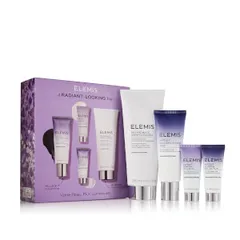
Pro-Radiance Cream Cleanser dissolves makeup and impurities while helping to defend against daily pollutants for a youthful-looking radiance.
Source: Lookfantastic US
This product works by removing dirt and oil from the surface of the skin. It uses a combination of mild cleansing agents (cera alba, cetearyl alcohol, polyglyceryl-4 laurate/sebacate, polyglyceryl-6 caprylate/caprate, polysorbate 60, sorbitan stearate, xanthan gum) and should be able to cleanse the skin gently. Still keep in mind that any cleansing can disrupt the skin barrier, and most people do not need to cleanse their skin more than once per day.
Used to create a thicker product consistency
A non-drying alcohol. Works as an emollient. Helps water and oil mix together and creates a nice product texture
Forms a protective barrier that holds water and keeps dry skin hydrated. Keeps an emulsion from separating into its oil and liquid components, and increases the thickness of a product. Can be an allergen
Helps oil and water mix together
Helps water and oil mix together
Used mostly for creating emulsions - helping oil and water mix together. Helps soften the upper layer of the skin
How honest is this product?
| Promise | Can it deliver? |
|---|---|
| Cleansing |
Total Promises Fulfilled score: 100/100.
We receive a small commission for purchases made through these links at no cost for you. Thank you for your support! Learn more
Potential irritants
Comedogenic ingredients
User reviews (0)
Averages from community submissions.
No reviews yet for this product.
Be the first to share your experience!
Tried this product?
Help capture what the ingredient list can't—texture, finish, pilling, scent, and more. Answer what you can, skip the rest.
Takes ~30 seconds.
Reviews are shown in aggregate. No personal details.
Key Actives
Pure form of vitamin E. Can help moisturise and protect the skin from free radicals. Often used to help stabilise other ingredients or the formula itself
Pure form of vitamin E. Can help moisturise and protect the skin from free radicals. Often used to help stabilise other ingredients or the formula itself
Pure form of vitamin E. Can help moisturise and protect the skin from free radicals. Often used to help stabilise other ingredients or the formula itself
A great moisturising ingredient that softens the skin and reduces water loss from its upper layer. It also can be helpful in protecting skin from free radicals
Helps soften the upper layer of the skin and can be helpful in restoring the skin barrier function. Might have some anti-oxidant effect
A great moisturising ingredient that softens the skin and reduces water loss from its upper layer. It also can be helpful in protecting skin from free radicals
A non-drying alcohol. Works as an emollient. Helps water and oil mix together and creates a nice product texture
Forms a protective barrier that holds water and keeps dry skin hydrated. Keeps an emulsion from separating into its oil and liquid components, and increases the thickness of a product. Can be an allergen
A type of peptide. Peptides are excellent moisturizers and might be able support collagen production reducing fine lines and wrinkles
A non-drying alcohol. Works as an emollient. Helps water and oil mix together and creates a nice product texture
Used mostly for creating emulsions - helping oil and water mix together. Helps soften the upper layer of the skin
A type of clay that consists mainly of aluminum silicate. Helps absorb oil and creates a thicker product consistency. Can be used to add a white color
A good mix of fatty acids that forms a protective layer on the skin. Improves the shelf life of products. Derived from coconut and glycerin
One of the best moisturizing ingredients. Naturally present in skin. It attracts water to the upper layer of the skin working as a humectant
Used to create a thicker product consistency
A good mix of fatty acids that forms a protective layer on the skin. Improves the shelf life of products. Derived from coconut and glycerin
One of the best moisturizing ingredients. Naturally present in skin. It attracts water to the upper layer of the skin working as a humectant
A great emollient due to its high linoleic acid content. One of the most effective plant oils in helping skin hydration and repairing skin barrier function
One of the best moisturizing ingredients. Naturally present in skin. It attracts water to the upper layer of the skin working as a humectant
Used to create a gel-like product texture, as well as to stabilize emulsions
Red algae extract that helps attract water to the upper layer of the skin and create a nicer product consistency
Helps attract water to the upper layer of the skin and provide a longer-lasting hydration. Can create a thicker product consistency
One of the best moisturizing ingredients. Naturally present in skin. It attracts water to the upper layer of the skin working as a humectant
Helps attract water to the upper layer of the skin and improves the product texture
Used to create a thicker product consistency
Potential irritants
Helps oil and water mix together and can enhance the penetration of other ingredients into the skin. It can be irritating
A common frangrance that can easily irritate skin, especially if exposed to air, light or heat
An essential oil. Potential allergen and can be irritating. It has some anti-bacterial properties
An essentil oil from orange peel. Potential allergen and can be irritating
An aromatic blend of unspecified and possibly irritating ingredients
Plant extract. Has some anti-microbial and anti-oxidant properties. Can be irritating
Fragrance with sweet balsamic smell. Help to preserve products and dissolve other ingredients. Could trigger allergic reactions and be irritating
A plant oil with a high content of volatile compounds that can irritate the skin and lead to allergic reactions. Can lead to photosensitivity
Plant extract that has some anti-bacterial properties. Can be used as a fragrance. Can be irritating
A plant oil with high content of volatile compounds that can irritate the skin. Can be used as a fragrance. Has anti-bacterial properties and might help neutralize free radicals on the surface of the skin
An essential oil that is used as a fragrance and can be irritating. It might have some anti-oxidant effect in skin
An essential oil with a lemon-like smell that is extracted from a fruit grown in Asia. Used as a fragrance
A preservative. Can be used to mask unpleasant smell. Can be irritating
A plant oil that is used as a fragrance. Can be irritating
A plant extract that can help neutralize free radicals in skin. It contains a compound salicin that can theoretically be converted into salicylic acid that, in turn, helps reduce inflammation in skin, but the evidence of effectiveness in skin is lacking and the extract is usually not used in a concentration that would enable an exfoliating effect
A plant extract that might have some anti-oxidant properties. Can be used as a fragrance and can be irritating
A good mix of fatty acids that forms a protective layer on the skin. Improves the shelf life of products. Derived from coconut and glycerin
Forms a protective barrier that holds water and keeps dry skin hydrated. Keeps an emulsion from separating into its oil and liquid components, and increases the thickness of a product. Can be an allergen
A plant extract that can have some anti-oxidant effect in skin
Can work as an exfoliant but is typically used to adjust the product pH
Used to thicken the product's consistency
Helps attract water to the upper layer of the skin and provide a longer-lasting hydration. Can create a thicker product consistency
An exfoliating and moisturizing alpha-hydroxy acid (AHA). Typically causes less irritation than other AHAs, for example, glycolic acid. At high concentrations (about 15%), lactic acid can help reduce lines and wrinkles. Recent studies show that lactic acid can support the "good" bacteria living on skin's surface (healthy skin microbiome)
A plant extract that might contain salicylic acid
Comedogenic ingredients
A great moisturising ingredient that softens the skin and reduces water loss from its upper layer. It also can be helpful in protecting skin from free radicals
A non-drying alcohol. Works as an emollient. Helps water and oil mix together and creates a nice product texture
A non-drying alcohol. Works as an emollient. Helps water and oil mix together and creates a nice product texture
Helps soften the upper layer of the skin and can be helpful in restoring the skin barrier function. Might have some anti-oxidant effect
A great moisturising ingredient that softens the skin and reduces water loss from its upper layer. It also can be helpful in protecting skin from free radicals
Red algae extract that helps attract water to the upper layer of the skin and create a nicer product consistency
A mineral-rich extract from red algae. Might be able to help attract water to the upper layer of the skin
All ingredients
A good mix of fatty acids that forms a protective layer on the skin. Improves the shelf life of products. Derived from coconut and glycerin
A great moisturising ingredient that softens the skin and reduces water loss from its upper layer. It also can be helpful in protecting skin from free radicals
A non-drying alcohol. Works as an emollient. Helps water and oil mix together and creates a nice product texture
One of the best moisturizing ingredients. Naturally present in skin. It attracts water to the upper layer of the skin working as a humectant
Helps soften upper layer of the skin and can enhance penetration of other ingredients into the upper layer of the skin
Forms a protective barrier that holds water and keeps dry skin hydrated. Keeps an emulsion from separating into its oil and liquid components, and increases the thickness of a product. Can be an allergen
A preservative. It helps prevent bacterial growth in cosmetic products
Helps oil and water mix together and can enhance the penetration of other ingredients into the skin. It can be irritating
Pure form of vitamin E. Can help moisturise and protect the skin from free radicals. Often used to help stabilise other ingredients or the formula itself
A common frangrance that can easily irritate skin, especially if exposed to air, light or heat
An essential oil. Potential allergen and can be irritating. It has some anti-bacterial properties
An essentil oil from orange peel. Potential allergen and can be irritating
An aromatic blend of unspecified and possibly irritating ingredients
Plant extract. Has some anti-microbial and anti-oxidant properties. Can be irritating
Might help attract water to the upper layer of the skin
Fragrance with sweet balsamic smell. Help to preserve products and dissolve other ingredients. Could trigger allergic reactions and be irritating
A plant extract that can have some anti-oxidant effect in skin
Helps adjust the product pH and stabilize the formulation
Can work as an exfoliant but is typically used to adjust the product pH
A type of peptide. Peptides are excellent moisturizers and might be able support collagen production reducing fine lines and wrinkles
A non-drying alcohol. Works as an emollient. Helps water and oil mix together and creates a nice product texture
Creates an illusion of smoother and more radiant skin tone. Adds shimmer to the skin by reflecting light
Helps soften the upper layer of the skin while creating a non-greasy feel on the skin. Helps to dissolve other ingredients
A good mix of fatty acids that forms a protective layer on the skin. Improves the shelf life of products. Derived from coconut and glycerin
Helps soften the upper layer of the skin and can be helpful in restoring the skin barrier function. Might have some anti-oxidant effect
Used to thicken the product's consistency
A preservative. It helps prevent bacterial growth in cosmetic products
A great moisturising ingredient that softens the skin and reduces water loss from its upper layer. It also can be helpful in protecting skin from free radicals
Used mostly for creating emulsions - helping oil and water mix together. Helps soften the upper layer of the skin
One of the best moisturizing ingredients. Naturally present in skin. It attracts water to the upper layer of the skin working as a humectant
An aromatic blend of unspecified and possibly irritating ingredients
A common frangrance that can easily irritate skin, especially if exposed to air, light or heat
A plant oil with a high content of volatile compounds that can irritate the skin and lead to allergic reactions. Can lead to photosensitivity
An essentil oil from orange peel. Potential allergen and can be irritating
An essential oil. Potential allergen and can be irritating. It has some anti-bacterial properties
Plant extract that has some anti-bacterial properties. Can be used as a fragrance. Can be irritating
A plant oil with high content of volatile compounds that can irritate the skin. Can be used as a fragrance. Has anti-bacterial properties and might help neutralize free radicals on the surface of the skin
Pure form of vitamin E. Can help moisturise and protect the skin from free radicals. Often used to help stabilise other ingredients or the formula itself
Can work as an exfoliant but is typically used to adjust the product pH
A great emollient due to its high linoleic acid content. One of the most effective plant oils in helping skin hydration and repairing skin barrier function
An essential oil that is used as a fragrance and can be irritating. It might have some anti-oxidant effect in skin
An essential oil with a lemon-like smell that is extracted from a fruit grown in Asia. Used as a fragrance
Helps products spread more easily and works as an emollient to soften skin
One of the best moisturizing ingredients. Naturally present in skin. It attracts water to the upper layer of the skin working as a humectant
Helps to soften the upper layer of the skin and creates a nice product finish on the skin
Helps soften the upper layer of the skin
Used to create a gel-like product texture, as well as to stabilize emulsions
A preservative. It helps prevent bacterial growth in cosmetic products
An aromatic blend of unspecified and possibly irritating ingredients
Red algae extract that helps attract water to the upper layer of the skin and create a nicer product consistency
Fragrance with sweet balsamic smell. Help to preserve products and dissolve other ingredients. Could trigger allergic reactions and be irritating
Helps attract water to the upper layer of the skin and provide a longer-lasting hydration. Can create a thicker product consistency
A preservative. Can be used to mask unpleasant smell. Can be irritating
Used to stabilize the product formulation and can help absorb oil
A common frangrance that can easily irritate skin, especially if exposed to air, light or heat
A mineral-rich extract from red algae. Might be able to help attract water to the upper layer of the skin
Pure form of vitamin E. Can help moisturise and protect the skin from free radicals. Often used to help stabilise other ingredients or the formula itself
An essentil oil from orange peel. Potential allergen and can be irritating
Can work as an exfoliant but is typically used to adjust the product pH
A plant oil that is used as a fragrance. Can be irritating
One of the best moisturizing ingredients. Naturally present in skin. It attracts water to the upper layer of the skin working as a humectant
A type of clay that consists mainly of aluminum silicate. Helps absorb oil and creates a thicker product consistency. Can be used to add a white color
Helps attract water to the upper layer of the skin and improves the product texture
A preservative. It helps prevent bacterial growth in cosmetic products
An exfoliating and moisturizing alpha-hydroxy acid (AHA). Typically causes less irritation than other AHAs, for example, glycolic acid. At high concentrations (about 15%), lactic acid can help reduce lines and wrinkles. Recent studies show that lactic acid can support the "good" bacteria living on skin's surface (healthy skin microbiome)
A plant extract that might contain salicylic acid
Helps soften the upper layer of the skin and create a nice product finish
An aromatic blend of unspecified and possibly irritating ingredients
Helps oil and water mix together and can enhance the penetration of other ingredients into the skin. It can be irritating
A plant extract that can help neutralize free radicals in skin. It contains a compound salicin that can theoretically be converted into salicylic acid that, in turn, helps reduce inflammation in skin, but the evidence of effectiveness in skin is lacking and the extract is usually not used in a concentration that would enable an exfoliating effect
A plant extract that might have some anti-oxidant properties. Can be used as a fragrance and can be irritating
Can work as an exfoliant but is typically used to adjust the product pH
An essential oil that is used as a fragrance and can be irritating. It might have some anti-oxidant effect in skin
Ingredient list view
Water, Caprylic/capric triglyceride, Butyrospermum parkii butter, Cetearyl alcohol, Glycerin, Cetyl esters, Sorbitan stearate, Polysorbate 60, Cera alba, Phenoxyethanol, Xanthan gum, Chlorphenesin, Disodium edta, Propylene glycol, Tocopherol, Sodium dehydroacetate, Limonene, Lavandula angustifolia oil, Citrus aurantium dulcis peel oil, Linalool, Cananga odorata flower oil, Sodium hydroxide, Parfum, Pogostemon cablin oil, Morinda citrifolia fruit extract, Arctium lappa root extract, Moringa pterygosperma seed extract, Potassium sorbate, Citronellol, Benzyl benzoate, Euterpe oleracea fruit extract, Disodium phosphate, Citric acid, Sorbic acid, Dipeptide-4, Water, Cetearyl alcohol, Mica, Dicaprylyl ether, Caprylic/capric triglyceride, Theobroma cacao seed butter, Aluminum starch octenylsuccinate, Silica, Sodium acrylates copolymer, Phenoxyethanol, Lunaria annua seed oil, Butyrospermum parkii butter, Chlorphenesin, Lecithin, Glycerin, Parfum, Capsanthin/capsorubin, Limonene, Cananga odorata flower oil, Citrus aurantium bergamia fruit oil, Citrus aurantium dulcis peel oil, Eugenia caryophyllus bud oil, Juniperus mexicana oil, Lavandula angustifolia oil, Buddleja davidii leaf extract, Thymus vulgaris flower/leaf extract, Malva sylvestris flower/leaf/stem extract, Hydrolyzed yeast protein, Eugenol, Linalool, Citrus aurantium amara leaf/twig oil, Polianthes tuberosa flower extract, Rosmarinus officinalis leaf oil, Vetiveria zizanoides root oil, Sodium benzoate, Sodium hydroxide, Tocopherol, Citric acid, Potassium sorbate, Helianthus annuus seed oil, Anthemis nobilis flower oil, Citrus aurantium flower oil, Cymbopogon nardus oil, Jasminum officinale flower extract, Jasminum sambac flower extract, Litsea cubeba fruit oil, Myrocarpus fastigiatus oil, Citrus aurantium amara flower oil, Water, Peg-8, Dicaprylyl carbonate, Glycerin, Diheptyl succinate, Capryloyl glycerin/sebacic acid copolymer, Sodium polyacrylate, Phenoxyethanol, Hydroxyacetophenone, Parfum, Disodium edta, Chondrus crispus extract, Buglossoides arvensis seed oil, Benzyl benzoate, Glyceryl acrylate/acrylic acid copolymer, Benzyl alcohol, Linalool, Maltodextrin, Limonene, Lithothamnion calcareum extract, Tocopherol, Veronica officinalis flower/leaf/stem extract, Hexyl cinnamal, Dehydroacetic acid, Nyctanthes arbor-tristis flower extract, Cananga odorata flower oil, Citrus aurantium dulcis peel oil, Myristica fragrans kernel oil, Gardenia florida fruit extract, Hydrolyzed yeast protein, Sodium benzoate, Citric acid, Citrus aurantium amara leaf/twig oil, Citrus aurantium amara peel oil, Coriandrum sativum fruit oil, Benzoic acid, Ethylhexylglycerin, Water, Glycerin, Sodium acrylates crosspolymer-2, Kaolin, Charcoal powder, Betaine, Peat, Phenoxyethanol, Polyglyceryl-4 laurate/sebacate, Polyglyceryl-6 caprylate/caprate, Betula alba juice, Lactic acid, Chlorphenesin, Salix nigra bark extract, Disodium edta, Polyquaternium-39, Parfum, Propylene glycol, Silica, Salix daphnoides bud/leaf/stem extract, Salix alba bark extract, Xanthan gum, Sodium benzoate, Hydrolyzed yeast protein, Melilotus officinalis extract, Citric acid, Citrus aurantium amara leaf/twig oil, Potassium sorbate, Anthemis nobilis flower oil, Cistus ladaniferus oil, Helichrysum angustifolium flower extract
- Glycerol and the skin: holistic approach to its origin and functions
- Comparison of skin calming effects of cosmetic products containing 4-t-butylcyclohexanol or acetyl dipeptide-1 cetyl ester on capsaicin-induced facial stinging in volunteers with sensitive skin
- Amended Safety Assessment of Alkyl Esters as Used in Cosmetics
- Efficacy of barrier creams in comparison to skin care products in dental laboratory technicians--a controlled trial
- Surfactants and experimental irritant contact dermatitis
- Propylene Glycol
- Skin-sensitizing and irritant properties of propylene glycol
- Vitamin E in dermatology
- Vitamin E and Skin Health
- 4 Final Report on the Safety Assessment of Sodium Dehydroacetate and Dehydroacetic Acid
- Contact dermatitis as an adverse reaction to some topically used European herbal medicinal products – part 1: Achillea millefolium–Curcuma longa
- Total Oxidant Scavenging Capacity of Euterpe oleracea Mart. (Açaí) Seeds and Identification of Their Polyphenolic Compounds
- Euterpe oleracea, Matricaria chamomilla, and Camellia sinensis as promising ingredients for development of skin care formulations
- Cocoa polyphenols and their influence on parameters involved in ex vivo skin restructuring
- Final Report on the Safety Assessment of Acrylates Copolymer and 33 Related Cosmetic Ingredients
- Safety Assessment of Citrus-Derived Peel Oils as Used in Cosmetics
- Oxidized citrus oil (R-limonene): A frequent skin sensitizer in Europe
- Air oxidation increases skin irritation from fragrance terpenes
- Assessment report on Rosmarinus officinalis L., aetheroleum and Rosmarinus officinalis L., folium
- Screening of plant extracts for antimicrobial activity against bacteria and yeasts with dermatological relevance
- Occupational contact dermatitis due to essential oils
- The in vitro antimicrobial activity and chemometric modelling of 59 commercial essential oils against pathogens of dermatological relevance
- Antimicrobial and Antioxidant Properties of Rosemary and Sage (Rosmarinus officinalis L. and Salvia officinalis L., Lamiaceae) Essential Oils
- Chemical Composition, Plant Genetic Differences, Antimicrobial and Antifungal Activity Investigation of the Essential Oil of Rosmarinus officinalis L.
- Effect of Olive and Sunflower Seed Oil on the Adult Skin Barrier: Implications for Neonatal Skin Care
- Topically Applied Sunflower Seed Oil Prevents Invasive Bacterial Infections in Preterm Infants in Egypt
- Effect of topically applied lipids on surfactant-irritated skin
- Impact of topical oils on the skin barrier: possible implications for neonatal health in developing countries
- Safety Assessment of Anthemis nobilis– Derived Ingredients as Used in Cosmetics
- Ethnopharmacological Properties and Medicinal Uses of Litsea cubeba
- Biological Activities and Safety of Citrus spp. Essential Oils
- Allergic contact dermatitis from gardenia fruit
- VOLATILE CONSTITUENTS AND BIOLOGICAL ACTIVITIES OF GARDENIA JASMINOIDES
- Oil composition of coriander (Coriandrum sativum L.) fruit-seeds
- Epidermal and dermal effects of topical lactic acid
- Dual Effects of Alpha-Hydroxy Acids on the Skin
- Efficacy and Safety of White Willow Bark (Salix alba) Extract
- An evaluation of the effect of a topical product containing salicin on the visible signs of human skin aging