Works for:
based on ingredients and %- Moisturizing
- Anti-aging
- Anti-oxidation
Can it cause trouble?
- Irritation risk: medium
- Comedogenic risk ingredients: 2
Key actives

Works for
Moisturizing
What does the product description say?
Vitamin C and a tripeptide help support healthy collagen, increasing hydration levels and improving the look of fine lines.
Source: Drunk Elephant
This product can help improve hydration of the skin with the two types of ingredients.
The first type is called “humectants”:
these ingredients help attract water.
When humectants are on the surface of the skin, they “pull in” the moisture from the outside environment, or from
within deeper layers of the skin. The following ingredients in this product do the job:
alanine, arginine.
This product also contains ingredients called “occlusives”. They help reduce the speed with which our skin loses moisture to the outside environment. These ingredients also help soften the upper layer of the skin, so it feels less tight and nicer to the touch. The following ingredients in this product do the job: arginine, bis-diglyceryl polyacyladipate-2.
The following ingredients in this product are especially good for supporting the skin barrier and helping with the hydration level: linoleic acid, palmitoyl tripeptide-1
An amino-acid that helps to attract water to the upper layer of the skin and might help to lighten the skin, but solid evidence is lacking
An amino acid that is naturally present in skin and helps keep it hydrated. When used together with AHAs, it can reduce their irritating effect on the skin
An amino-acid that helps increase skin hydration and might help to slightly improve skin firmness, potentially reducing lines and wrinkles
Helps soften the upper layer of the skin and reduce water loss from its surface
A great moisturising ingredient that softens the skin and reduces water loss from its upper layer. It also can be helpful in protecting skin from free radicals
A plant oil that helps to soften the upper layer of the skin and can help restore the skin barrier. Might have some anti-oxidant effect
An amino acid that can help attract water to the upper layer of the skin and support skin's barrier function
An excellent emollient. Helps soften the skin, restore its barrier function, and can help to calm down inflammation. It can be helpful to prevent blemishes and clogged pores
An emollient that helps soften the skin and calm down inflammation
Helps to soften the upper layer of the skin and might have some anti-oxidant effect
A type of peptide. Peptides are excellent moisturizers and might be able support collagen production reducing fine lines and wrinkles
Naturally present in skin and helps to attract water to its upper layer
An emollient that helps soften the skin and could be helpful in repairing its barrier function
An emollient that helps soften the skin
A plant oil that can help soften the skin. It might be helpful in calming down inflammation, but solid research is lacking. Is often used in lip products to create the needed product consistency
An amino-acid that helps to attract water to the upper layer of the skin. In combination with other amino-acids, might help to reduce fine lines and wrinkles
Attracts water into the upper layer of the skin
Helps attract water to the upper layer of the skin. Is often used to adjust the pH level of the product
Naturally present in skin and helps to attract water to its upper layer
An amino-acid that helps to attract water to the upper layer of the skin. In combination with other amino-acids, might help to reduce fine lines and wrinkles
Helps to attract water to the upper layer of the skin and can help restore the skin barrier function
Helps soften the upper layer of the skin and support skin's barrier function while creating a thicker product consistency
An emollient that helps to soften the skin. It has a high contetn of oleic acid that might weaken the skin barrier. Might have some anti-oxidant properties. It might be somewhat helpful against hyperpigmentation.
A plant oil that can help soften the skin. It might be helpful in calming down inflammation, but solid research is lacking. Is often used in lip products to create the needed product consistency
An emollient that helps soften the skin and create a nice product texture
Helps soften the upper layer of the skin. At the same time, it can weaken the skin's barrier enhancing penetration of other ingredients and increasing the risk of skin dryness
A polyphenol found in tea. This particular compound abbreviated EGCG is the most powerful antioxidant among those extracted from tea (usually green tea). Unfortunately, EGCG is unstable, requires a low pH (below 4) to prevent quick degradation, and does not penetrate the skin very well. This is why the full anti-oxidant effect of EGCG is typically not realized when it is added to topical skincare
An emollient that is naturally present in skin and helps soften it
Used to create a thicker product consistency and soften the upper layer of the skin
Used to preserve products, dissolve other ingredients and create a nice product texture
An exfoliating and moisturizing alpha-hydroxy acid (AHA). Typically causes less irritation than other AHAs, for example, glycolic acid. At high concentrations (about 15%), lactic acid can help reduce lines and wrinkles. Recent studies show that lactic acid can support the "good" bacteria living on skin's surface (healthy skin microbiome)
A salt derived from licorice. Works as an emollient to soften the upper layer of the skin and can help calm down inflammation. Might be helpful for skin lightening
Pure form of vitamin E. Can help moisturise and protect the skin from free radicals. Often used to help stabilise other ingredients or the formula itself
Helps oil and water mix together and works as an emollient
Anti-aging
What does the product description say?
Vitamin C and a tripeptide help support healthy collagen, increasing hydration levels and improving the look of fine lines.
Source: Drunk Elephant
This product contains aspartic acid, epigallocatechin gallate, palmitoyl tripeptide-1, serine, threonine. These ingredients might be able to help reduce and prevent fine lines and wrinkles, improve skin elasticity and firmness, but there is not enough evidence that it actually works.
An amino-acid that helps to attract water to the upper layer of the skin. In combination with other amino-acids, might help to reduce fine lines and wrinkles
An amino-acid that helps increase skin hydration and might help to slightly improve skin firmness, potentially reducing lines and wrinkles
A polyphenol found in tea. This particular compound abbreviated EGCG is the most powerful antioxidant among those extracted from tea (usually green tea). Unfortunately, EGCG is unstable, requires a low pH (below 4) to prevent quick degradation, and does not penetrate the skin very well. This is why the full anti-oxidant effect of EGCG is typically not realized when it is added to topical skincare
A type of peptide. Peptides are excellent moisturizers and might be able support collagen production reducing fine lines and wrinkles
An amino-acid that helps to attract water to the upper layer of the skin. In combination with other amino-acids, might help to reduce fine lines and wrinkles
A plant oil that helps to soften the upper layer of the skin and can help restore the skin barrier. Might have some anti-oxidant effect
A great moisturising ingredient that softens the skin and reduces water loss from its upper layer. It also can be helpful in protecting skin from free radicals
An exfoliating and moisturizing alpha-hydroxy acid (AHA). Typically causes less irritation than other AHAs, for example, glycolic acid. At high concentrations (about 15%), lactic acid can help reduce lines and wrinkles. Recent studies show that lactic acid can support the "good" bacteria living on skin's surface (healthy skin microbiome)
Pure form of vitamin E. Can help moisturise and protect the skin from free radicals. Often used to help stabilise other ingredients or the formula itself
A derivative of vitamin C that is more stable, but less bioavailable than the pure form of vitamin C. It does not penetrate the skin well, but has been shown to convert to pure vitamin C once in skin. It can be helpful in stimulating collagen production and lightening the skin tone, but the required concentration is likely to be very high
Anti-oxidation
This product contains antioxidants (epigallocatechin gallate) that might be able to help neutralize free radicals in skin to lessen the damage it gets from the UV light (sun). There is not enough evidence to confirm their effectiveness in skin though.
A polyphenol found in tea. This particular compound abbreviated EGCG is the most powerful antioxidant among those extracted from tea (usually green tea). Unfortunately, EGCG is unstable, requires a low pH (below 4) to prevent quick degradation, and does not penetrate the skin very well. This is why the full anti-oxidant effect of EGCG is typically not realized when it is added to topical skincare
A great moisturising ingredient that softens the skin and reduces water loss from its upper layer. It also can be helpful in protecting skin from free radicals
A plant oil that helps to soften the upper layer of the skin and can help restore the skin barrier. Might have some anti-oxidant effect
An emollient that helps to soften the skin. It has a high contetn of oleic acid that might weaken the skin barrier. Might have some anti-oxidant properties. It might be somewhat helpful against hyperpigmentation.
Helps to soften the upper layer of the skin and might have some anti-oxidant effect
An emollient that helps soften the skin
Pure form of vitamin E. Can help moisturise and protect the skin from free radicals. Often used to help stabilise other ingredients or the formula itself
A derivative of vitamin C that is more stable, but less bioavailable than the pure form of vitamin C. It does not penetrate the skin well, but has been shown to convert to pure vitamin C once in skin. It can be helpful in stimulating collagen production and lightening the skin tone, but the required concentration is likely to be very high
How honest is this product?
| Promise | Can it deliver? |
|---|---|
| Moisturizing | |
| Anti-aging |
Total Promises Fulfilled score: 87/100.
We receive a small commission for purchases made through these links at no cost for you. Thank you for your support! Learn more
Potential irritants
Comedogenic ingredients
User reviews (0)
Averages from community submissions.
No reviews yet for this product.
Be the first to share your experience!
Tried this product?
Help capture what the ingredient list can't—texture, finish, pilling, scent, and more. Answer what you can, skip the rest.
Takes ~30 seconds.
Reviews are shown in aggregate. No personal details.
| Product | Similarity | Price | Irritancy |
|---|---|---|---|
 Drunk Elephant Plump-C™ Tripeptide Lippe Mask with Vitamin C | Current | $25.20 | |
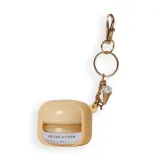 Revolution Juicy Peptide Pudding Lip Mask Frosted Vanilla Yellow | 35% | ≈ $9.31 | |
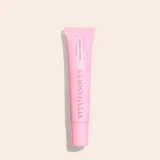 Vitamasques Sugar Cookie Overnight Lip Mask | 31% | - | |
 Fieldtrip Overnight Trip Hydrating Lip Mask | 31% | $13.00 | |
 Dr. PAWPAW Over Night Lip Mask | 29% | ≈ $7.78 | |
 Lanolips 12-Hour Overnight Lip Mask | 29% | $17.00 |
Key Actives
A polyphenol found in tea. This particular compound abbreviated EGCG is the most powerful antioxidant among those extracted from tea (usually green tea). Unfortunately, EGCG is unstable, requires a low pH (below 4) to prevent quick degradation, and does not penetrate the skin very well. This is why the full anti-oxidant effect of EGCG is typically not realized when it is added to topical skincare
An emollient that helps soften the skin and calm down inflammation
A great moisturising ingredient that softens the skin and reduces water loss from its upper layer. It also can be helpful in protecting skin from free radicals
A plant oil that helps to soften the upper layer of the skin and can help restore the skin barrier. Might have some anti-oxidant effect
A salt derived from licorice. Works as an emollient to soften the upper layer of the skin and can help calm down inflammation. Might be helpful for skin lightening
An excellent emollient. Helps soften the skin, restore its barrier function, and can help to calm down inflammation. It can be helpful to prevent blemishes and clogged pores
A plant oil that can help soften the skin. It might be helpful in calming down inflammation, but solid research is lacking. Is often used in lip products to create the needed product consistency
Helps to soften the upper layer of the skin and might have some anti-oxidant effect
An emollient that helps soften the skin
A type of peptide. Peptides are excellent moisturizers and might be able support collagen production reducing fine lines and wrinkles
An amino-acid that helps to attract water to the upper layer of the skin and might help to lighten the skin, but solid evidence is lacking
An amino-acid that helps to attract water to the upper layer of the skin. In combination with other amino-acids, might help to reduce fine lines and wrinkles
An amino-acid that helps to attract water to the upper layer of the skin. In combination with other amino-acids, might help to reduce fine lines and wrinkles
An amino-acid that helps increase skin hydration and might help to slightly improve skin firmness, potentially reducing lines and wrinkles
Helps soften the upper layer of the skin and reduce water loss from its surface
An emollient that helps soften the skin and could be helpful in repairing its barrier function
Naturally present in skin and helps to attract water to its upper layer
Attracts water into the upper layer of the skin
Helps attract water to the upper layer of the skin. Is often used to adjust the pH level of the product
Naturally present in skin and helps to attract water to its upper layer
An amino acid that is naturally present in skin and helps keep it hydrated. When used together with AHAs, it can reduce their irritating effect on the skin
Helps to attract water to the upper layer of the skin and can help restore the skin barrier function
An amino acid that can help attract water to the upper layer of the skin and support skin's barrier function
Helps soften the upper layer of the skin and support skin's barrier function while creating a thicker product consistency
Potential irritants
A plant oil that can help soften the skin. It might be helpful in calming down inflammation, but solid research is lacking. Is often used in lip products to create the needed product consistency
A plant oil that can help soften the skin. It might be helpful in calming down inflammation, but solid research is lacking. Is often used in lip products to create the needed product consistency
An emollient that helps to soften the skin. It has a high contetn of oleic acid that might weaken the skin barrier. Might have some anti-oxidant properties. It might be somewhat helpful against hyperpigmentation.
Used to create a thicker product consistency and stabilize the formulation
An emollient that helps soften the skin and could be helpful in repairing its barrier function
A derivative of vitamin C that is more stable, but less bioavailable than the pure form of vitamin C. It does not penetrate the skin well, but has been shown to convert to pure vitamin C once in skin. It can be helpful in stimulating collagen production and lightening the skin tone, but the required concentration is likely to be very high
Attracts water into the upper layer of the skin
Helps attract water to the upper layer of the skin. Is often used to adjust the pH level of the product
Helps soften the upper layer of the skin. At the same time, it can weaken the skin's barrier enhancing penetration of other ingredients and increasing the risk of skin dryness
An emollient that helps soften the skin and calm down inflammation
Used to preserve products, dissolve other ingredients and create a nice product texture
An exfoliating and moisturizing alpha-hydroxy acid (AHA). Typically causes less irritation than other AHAs, for example, glycolic acid. At high concentrations (about 15%), lactic acid can help reduce lines and wrinkles. Recent studies show that lactic acid can support the "good" bacteria living on skin's surface (healthy skin microbiome)
Comedogenic ingredients
A great moisturising ingredient that softens the skin and reduces water loss from its upper layer. It also can be helpful in protecting skin from free radicals
An emollient that helps soften the skin and create a nice product texture
All ingredients
Helps soften the upper layer of the skin and reduce water loss from its surface
A plant oil that can help soften the skin. It might be helpful in calming down inflammation, but solid research is lacking. Is often used in lip products to create the needed product consistency
A plant oil that can help soften the skin. It might be helpful in calming down inflammation, but solid research is lacking. Is often used in lip products to create the needed product consistency
An emollient that helps to soften the skin. It has a high contetn of oleic acid that might weaken the skin barrier. Might have some anti-oxidant properties. It might be somewhat helpful against hyperpigmentation.
Used to create a thicker product consistency and stabilize the formulation
A great moisturising ingredient that softens the skin and reduces water loss from its upper layer. It also can be helpful in protecting skin from free radicals
A plant oil that helps to soften the upper layer of the skin and can help restore the skin barrier. Might have some anti-oxidant effect
Helps to soften the upper layer of the skin and might have some anti-oxidant effect
An emollient that helps soften the skin and could be helpful in repairing its barrier function
Naturally present in skin and helps to attract water to its upper layer
An emollient that helps soften the skin and create a nice product texture
A type of peptide. Peptides are excellent moisturizers and might be able support collagen production reducing fine lines and wrinkles
A derivative of vitamin C that is more stable, but less bioavailable than the pure form of vitamin C. It does not penetrate the skin well, but has been shown to convert to pure vitamin C once in skin. It can be helpful in stimulating collagen production and lightening the skin tone, but the required concentration is likely to be very high
A polyphenol found in tea. This particular compound abbreviated EGCG is the most powerful antioxidant among those extracted from tea (usually green tea). Unfortunately, EGCG is unstable, requires a low pH (below 4) to prevent quick degradation, and does not penetrate the skin very well. This is why the full anti-oxidant effect of EGCG is typically not realized when it is added to topical skincare
Attracts water into the upper layer of the skin
Helps attract water to the upper layer of the skin. Is often used to adjust the pH level of the product
Helps soften the upper layer of the skin. At the same time, it can weaken the skin's barrier enhancing penetration of other ingredients and increasing the risk of skin dryness
Naturally present in skin and helps to attract water to its upper layer
An amino-acid that helps to attract water to the upper layer of the skin and might help to lighten the skin, but solid evidence is lacking
An amino acid that is naturally present in skin and helps keep it hydrated. When used together with AHAs, it can reduce their irritating effect on the skin
Helps to attract water to the upper layer of the skin and can help restore the skin barrier function
An amino acid that can help attract water to the upper layer of the skin and support skin's barrier function
An amino-acid that helps to attract water to the upper layer of the skin. In combination with other amino-acids, might help to reduce fine lines and wrinkles
An amino-acid that helps to attract water to the upper layer of the skin. In combination with other amino-acids, might help to reduce fine lines and wrinkles
An emollient that is naturally present in skin and helps soften it
A salt derived from licorice. Works as an emollient to soften the upper layer of the skin and can help calm down inflammation. Might be helpful for skin lightening
An excellent emollient. Helps soften the skin, restore its barrier function, and can help to calm down inflammation. It can be helpful to prevent blemishes and clogged pores
An emollient that helps soften the skin and calm down inflammation
An amino-acid that helps increase skin hydration and might help to slightly improve skin firmness, potentially reducing lines and wrinkles
Helps soften the upper layer of the skin and support skin's barrier function while creating a thicker product consistency
Used to create a thicker product consistency and soften the upper layer of the skin
Pure form of vitamin E. Can help moisturise and protect the skin from free radicals. Often used to help stabilise other ingredients or the formula itself
Used to preserve products, dissolve other ingredients and create a nice product texture
An exfoliating and moisturizing alpha-hydroxy acid (AHA). Typically causes less irritation than other AHAs, for example, glycolic acid. At high concentrations (about 15%), lactic acid can help reduce lines and wrinkles. Recent studies show that lactic acid can support the "good" bacteria living on skin's surface (healthy skin microbiome)
Ingredient list view
Bis-diglyceryl polyacyladipate-2, Ricinus communis seed oil, Hydroxystearic/linolenic/oleic polyglycerides, Hydrogenated castor oil, Sclerocarya birrea seed oil, Polyhydroxystearic acid, Butyrospermum parkii butter, Camellia sinensis seed oil, Mangifera indica seed butter, Persea gratissima oil, Prunus armeniaca kernel oil, Sclerocarya birrea seed butter, Euphorbia cerifera wax, Sodium pca, Ethylhexyl palmitate, Palmitoyl tripeptide-1, Magnesium ascorbyl phosphate, Epigallocatechin gallate, Sodium hyaluronate crosspolymer, Sodium lactate, Oleic acid, Pca, Alanine, Arginine, Glycine, Histidine, Isoleucine, Phenylalanine, Proline, Serine, Threonine, Valine, Palmitic acid, Dipotassium glycyrrhizate, Linoleic acid, Linolenic acid, Aspartic acid, Helianthus annuus seed wax, Tribehenin, Stearic acid, Tocopherol, Pentylene glycol, Sorbitan isostearate, Lactic acid, Water, Ethylhexylglycerin
- Safety assessment of bis-diglyceryl polyacyladipate-2 and bis-diglyceryl polyacyladipate-1 as used in cosmetics
- Final report on the safety assessment of Ricinus Communis (Castor) Seed Oil, Hydrogenated Castor Oil, Glyceryl Ricinoleate, Glyceryl Ricinoleate SE, Ricinoleic Acid, Potassium Ricinoleate, Sodium Ricinoleate, Zinc Ricinoleate, Cetyl Ricinoleate, Ethyl Ricinoleate, Glycol Ricinoleate, Isopropyl Ricinoleate, Methyl Ricinoleate, and Octyldodecyl Ricinoleate
- Castor Oil: Properties, Uses, and Optimization of Processing Parameters in Commercial Production
- Effect of ricinoleic acid in acute and subchronic experimental models of inflammation
- Anti-aging potential of extracts from Sclerocarya birrea (A. Rich.) Hochst and its chemical profiling by UPLC-Q-TOF-MS
- Physico-chemical composition and characterisation of the seed and seed oil of Sclerocarya birrea
- Assessment of the potential irritancy of oleic acid on human skin: Evaluation in vitro and in vivo
- Characteristics of Tea Seed Oil in Comparison with Sunflower and Olive Oils and Its Effect as a Natural Antioxidant
- Extraction and Characteristics of Seed Kernel Oil from Mango
- Promising features of mango (Mangifera indica L.) kernel oil: a review
- Evaluation of the fatty acid composition of the seeds of Mangifera indica L. and their application
- Stability, transdermal penetration, and cutaneous effects of ascorbic acid and its derivatives
- Topical L-ascorbic acid: percutaneous absorption studies
- Great green tea ingredient? A narrative literature review on epigallocatechin gallate and its biophysical properties for topical use in dermatology
- Comparative Evaluation of Different Co-Antioxidants on the Photochemical- and Functional-Stability of Epigallocatechin-3-gallate in Topical Creams Exposed to Simulated Sunlight
- Photodegradation of (−)-epigallocatechin-3-gallate in topical cream formulations and its photostabilization
- Anti-Inflammatory and Skin Barrier Repair Effects of Topical Application of Some Plant Oils
- https://www.sciencedirect.com/science/article/pii/0168365995000887
- Combination of amino acids reduces pigmentation in B16F0 melanoma cells
- Effect of Topical Application of Glycine and Proline on Recalcitrant Leg Ulcers of Prolidase Deficiency
- Functional glycine receptor in cultured human keratinocytes
- Histidine and/or Histidine Derivative for the Treatment of Inflammatory Skin Diseases
- Safety Assessment of α-Amino Acids as Used in Cosmetics
- Local rhamnosoft, ceramides and L‐isoleucine in atopic eczema: a randomized, placebo controlled trial
- Topical palmitoyl pentapeptide provides improvement in photoaged human facial skin
- Ameliorating effect of dipotassium glycyrrhizinate on an IL-4- and IL-13-induced atopic dermatitis-like skin-equivalent model
- Final report on the safety assessment of Glycyrrhetinic Acid, Potassium Glycyrrhetinate, Disodium Succinoyl Glycyrrhetinate, Glyceryl Glycyrrhetinate, Glycyrrhetinyl Stearate, Stearyl Glycyrrhetinate, Glycyrrhizic Acid, Ammonium Glycyrrhizate, Dipotassium Glycyrrhizate, Disodium Glycyrrhizate, Trisodium Glycyrrhizate, Methyl Glycyrrhizate, and Potassium Glycyrrhizinate.
- The Permeability Barrier in Essential Fatty Acid Deficiency: Evidence for a Direct Role for Linoleic Acid in Barrier Function
- Digital image analysis of the effect of topically applied linoleic acid on acne microcomedones.
- Acetyl aspartic acid, a novel active ingredient, demonstrates potential to improve signs of skin ageing: from consumer need to clinical proof
- In vivo topical application of acetyl aspartic acid increases fibrillin-1 and collagen IV deposition leading to a significant improvement of skin firmness
- Effect of Olive and Sunflower Seed Oil on the Adult Skin Barrier: Implications for Neonatal Skin Care
- Vitamin E in dermatology
- Vitamin E and Skin Health
- Epidermal and dermal effects of topical lactic acid
- Dual Effects of Alpha-Hydroxy Acids on the Skin