
Works for:
based on ingredients and %- Anti-aging
- Exfoliation
- Moisturizing
- Evens skin tone
Can it cause trouble?
- Irritation risk: low
- Comedogenic risk ingredients: 0
Key actives
Product Summary
"Dr Dennis Gross - Alpha Beta Glow Pad Self Tanner for Face Intense Glow" is effective for: Anti-aging, Exfoliation, Moisturizing, Evens skin tone and Anti-blemish
Ingredient callouts
- This product contains acids (lactic acid 1.00% - 1.60% and glycolic acid 1.30% - 1.90%). Their concentration is low, and they will not have a strong exfoliating effect. Instead, they work to support the skin natural acid mantle and to attract water (as humectants). Lactic acid is particularly good in attracting water to the upper layer of the skin and improving the skin barrier.
- Salicylic acid (1.10% - 1.70%). This is an oil-soluble exfoliating acid. Because of this property, it can work inside pores and help reduce the congestion. It has an anti-inflammatory effect and is used to treat acne. Because it is a quite strong exfoliator, be careful with using this product too often: it could result in over-exfoliation.
- Adenosine 0.15% - 0.55%. It is a chemical present inside our skin cells. A clinical trial confirmed that topical application of Adenosine in a low concentration can reduce dynamic wrinkles (these are the wrinkles that appear with age in a places where our mimic is the most active, for example, in the corners of the eyes or on the forehead).
- Panthenol (pro-vitamin B5) at about 0.40% - 0.95% concentration. In this concentration, Panthenol works effectively to improve the skin barrier and reduce inflammation.
- Humectants (panthenol 0.40% - 0.95% and glycerin 2.70% - 4.00%). These ingredients help attract water to the upper layer of the skin and improve the skin hydration.
About the brand
According to Cruelty-Free Kitty "Dr Dennis Gross" is cruelty free and so is its parent company.
Price
The product retails for 320.00HK$ in Hong Kong.
For a detailed price comparison: click here.
Anti-aging
What does the product description say?
What it is A self-tanning towelette for face that develops a rich color while providing exfoliating and anti-aging benefits.
Source: Sephora Hong Kong
This product can help reduce and prevent fine lines and wrinkles, improve skin elasticity and firmness because it contains adenosine, glycolic acid.
Keep in mind that it typically takes at least 6 weeks to notice any results because the changes that are needed to improve fine lines and elasticity happen in the deeper layers of the skin. No topical anti-aging product can “erase” wrinkles or fully reverse signs of aging.
Might help improve cell turnover and reduce inflammation in skin. One study shows that the ingredients might be able to help reduce dynamic wrinkles (for example, in the corners of the eyes or on the forehead)
An alpha-hydroxy acid (AHA) that helps to remove the dead skin cells on the surface of the skin reveling a more even, smoother complexation. It is also able to stimulate collagen production with long-term use. Could help to reduce pore congestion. It can be irritating to the skin. Apply sunscreen daily if using products with glycolic acid
An exfoliating and moisturizing alpha-hydroxy acid (AHA). Typically causes less irritation than other AHAs, for example, glycolic acid. At high concentrations (about 15%), lactic acid can help reduce lines and wrinkles. Recent studies show that lactic acid can support the "good" bacteria living on skin's surface (healthy skin microbiome)
A plant extract that might be helpful in neutralizing free radicals and have a skin lightening effect if used in high enough concentrations
Pure form of vitamin E. Can help moisturise and protect the skin from free radicals. Often used to help stabilise other ingredients or the formula itself
Anti-blemish
This product can help reduce breakouts and clogged pores because it contains the following ingredient: salicylic acid. This ingredient is used for treating acne and can have a noticeable effect.
The following ingredient (ingredients) in this product might be helpful, but there is no evidence to confirm that it actually works: glycolic acid
Used for skin exfoliation. It has an anti-inflammatory and anti-bacterial effect, helps to unclog pores, prevent blemishes and speed up healing of the existing ones. Sometimes referred to as a BHA (beta-hydroxy acid)
An alpha-hydroxy acid (AHA) that helps to remove the dead skin cells on the surface of the skin reveling a more even, smoother complexation. It is also able to stimulate collagen production with long-term use. Could help to reduce pore congestion. It can be irritating to the skin. Apply sunscreen daily if using products with glycolic acid
A plant extract that can help neutralize free radicals in skin. It contains a compound salicin that can theoretically be converted into salicylic acid that, in turn, helps reduce inflammation in skin, but the evidence of effectiveness in skin is lacking and the extract is usually not used in a concentration that would enable an exfoliating effect
Evens skin tone
This product can help reduce hypepigmentation and even out the skin tone because it contains the following effective ingredients: glycolic acid, salicylic acid
Keep in mind that you would need to apply any topical skincare targetted at hypigmentation consistently for a couple of months to get a result. No topical skincare product can help get rid of hyperpigmentation (including post-acne marks and age spots) instantly.
An alpha-hydroxy acid (AHA) that helps to remove the dead skin cells on the surface of the skin reveling a more even, smoother complexation. It is also able to stimulate collagen production with long-term use. Could help to reduce pore congestion. It can be irritating to the skin. Apply sunscreen daily if using products with glycolic acid
Helps attract water to the upper layer of the skin. Might have some anti-aging, anti-oxidant, and skin lightening properties, but solid evidence is missing
Used for skin exfoliation. It has an anti-inflammatory and anti-bacterial effect, helps to unclog pores, prevent blemishes and speed up healing of the existing ones. Sometimes referred to as a BHA (beta-hydroxy acid)
An exfoliating and moisturizing alpha-hydroxy acid (AHA). Typically causes less irritation than other AHAs, for example, glycolic acid. At high concentrations (about 15%), lactic acid can help reduce lines and wrinkles. Recent studies show that lactic acid can support the "good" bacteria living on skin's surface (healthy skin microbiome)
A plant extract that might be helpful in neutralizing free radicals and have a skin lightening effect if used in high enough concentrations
Exfoliation
What does the product description say?
This quick-drying formula features exfoliating Alpha Beta® ingredients to provide anti-aging benefits and help ensure an even application.
Source: Sephora Hong Kong
This product can help exfoliate the skin. In other words, it helps break down the bonds between dead cells on the surface of the skin and speed up the skin turnover. Skin often appears softer and brighter after exfoliation, but overdoing it can result in disrupted skin barrier. The following ingredient is doing the exfoliating job in this product: glycolic acid, salicylic acid.
An alpha-hydroxy acid (AHA) that helps to remove the dead skin cells on the surface of the skin reveling a more even, smoother complexation. It is also able to stimulate collagen production with long-term use. Could help to reduce pore congestion. It can be irritating to the skin. Apply sunscreen daily if using products with glycolic acid
Used for skin exfoliation. It has an anti-inflammatory and anti-bacterial effect, helps to unclog pores, prevent blemishes and speed up healing of the existing ones. Sometimes referred to as a BHA (beta-hydroxy acid)
An exfoliating and moisturizing alpha-hydroxy acid (AHA). Typically causes less irritation than other AHAs, for example, glycolic acid. At high concentrations (about 15%), lactic acid can help reduce lines and wrinkles. Recent studies show that lactic acid can support the "good" bacteria living on skin's surface (healthy skin microbiome)
A plant extract that can help neutralize free radicals in skin. It contains a compound salicin that can theoretically be converted into salicylic acid that, in turn, helps reduce inflammation in skin, but the evidence of effectiveness in skin is lacking and the extract is usually not used in a concentration that would enable an exfoliating effect
Moisturizing
This product contains good ingredients to attract water to the upper layer of the skin. These ingredients are called "humectants": glycerin, hydrolyzed soy protein.
When humectants are on the surface of the skin, they “pull in” the moisture from the outside environment, or from within deeper layers of the skin. If the air is dry, humectants can speed up the moisture loss from the skin. This is why it is a good idea to use another product on top of this one to help "seal in" the moisture (look for ingredients like dimethicone, squalane, oils and butters).
The following ingredients in this product are especially good for supporting the skin barrier and helping with the hydration level: panthenol
One of the best moisturizing ingredients. Naturally present in skin. It attracts water to the upper layer of the skin working as a humectant
Helps attract water to the upper layer of the skin and can help improve skin barrier function
Emollients that are naturaly present in skin. In addition, they help water and oil mix together in the product
Helps attract water to the upper layer of the skin. Might have some anti-aging, anti-oxidant, and skin lightening properties, but solid evidence is missing
Might help improve cell turnover and reduce inflammation in skin. One study shows that the ingredients might be able to help reduce dynamic wrinkles (for example, in the corners of the eyes or on the forehead)
An exfoliating and moisturizing alpha-hydroxy acid (AHA). Typically causes less irritation than other AHAs, for example, glycolic acid. At high concentrations (about 15%), lactic acid can help reduce lines and wrinkles. Recent studies show that lactic acid can support the "good" bacteria living on skin's surface (healthy skin microbiome)
Pure form of vitamin E. Can help moisturise and protect the skin from free radicals. Often used to help stabilise other ingredients or the formula itself
How honest is this product?
| Promise | Can it deliver? |
|---|---|
| Anti-aging | |
| Exfoliation |
Total Promises Fulfilled score: 100/100.
We receive a small commission for purchases made through these links at no cost for you. Thank you for your support! Learn more
Affiliate link · supports WIMJ at no cost to you
Potential irritants
Comedogenic ingredients
No comedogenic ingredients detected
User reviews (0)
Averages from community submissions.
No reviews yet for this product.
Be the first to share your experience!
Tried this product?
Help capture what the ingredient list can't—texture, finish, pilling, scent, and more. Answer what you can, skip the rest.
Takes ~30 seconds.
Reviews are shown in aggregate. No personal details.
| Product | Similarity | Price | Irritancy |
|---|---|---|---|
 Dr Dennis Gross Alpha Beta Glow Pad Self Tanner for Face Intense Glow | Current | - | |
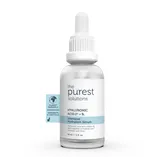 The Purest Solutions Intensive Hydration Serum Hyaluronic Acid %2 + B5 | 74% | $24.99 | |
 Facile Clear Serum | 73% | $38.00 | |
 B. Kamins Lactic-10 | 71% | - | |
 Skin Control Peel Pads | 71% | ≈ $6.35 | |
 CeraVe Salicylic Acid Acne Control Gel, Acne Treatment for Face | 70% | ≈ $15.38 |
Key Actives
Used for skin exfoliation. It has an anti-inflammatory and anti-bacterial effect, helps to unclog pores, prevent blemishes and speed up healing of the existing ones. Sometimes referred to as a BHA (beta-hydroxy acid)
An alpha-hydroxy acid (AHA) that helps to remove the dead skin cells on the surface of the skin reveling a more even, smoother complexation. It is also able to stimulate collagen production with long-term use. Could help to reduce pore congestion. It can be irritating to the skin. Apply sunscreen daily if using products with glycolic acid
An exfoliating and moisturizing alpha-hydroxy acid (AHA). Typically causes less irritation than other AHAs, for example, glycolic acid. At high concentrations (about 15%), lactic acid can help reduce lines and wrinkles. Recent studies show that lactic acid can support the "good" bacteria living on skin's surface (healthy skin microbiome)
Pure form of vitamin E. Can help moisturise and protect the skin from free radicals. Often used to help stabilise other ingredients or the formula itself
Helps attract water to the upper layer of the skin and can help improve skin barrier function
A plant extract that might be helpful in neutralizing free radicals and have a skin lightening effect if used in high enough concentrations
Might help improve cell turnover and reduce inflammation in skin. One study shows that the ingredients might be able to help reduce dynamic wrinkles (for example, in the corners of the eyes or on the forehead)
One of the best moisturizing ingredients. Naturally present in skin. It attracts water to the upper layer of the skin working as a humectant
Potential irritants
Used for skin exfoliation. It has an anti-inflammatory and anti-bacterial effect, helps to unclog pores, prevent blemishes and speed up healing of the existing ones. Sometimes referred to as a BHA (beta-hydroxy acid)
An alpha-hydroxy acid (AHA) that helps to remove the dead skin cells on the surface of the skin reveling a more even, smoother complexation. It is also able to stimulate collagen production with long-term use. Could help to reduce pore congestion. It can be irritating to the skin. Apply sunscreen daily if using products with glycolic acid
A plant extract that can help neutralize free radicals in skin. It contains a compound salicin that can theoretically be converted into salicylic acid that, in turn, helps reduce inflammation in skin, but the evidence of effectiveness in skin is lacking and the extract is usually not used in a concentration that would enable an exfoliating effect
A preservative. Can be used to mask unpleasant smell. Can be irritating
An exfoliating and moisturizing alpha-hydroxy acid (AHA). Typically causes less irritation than other AHAs, for example, glycolic acid. At high concentrations (about 15%), lactic acid can help reduce lines and wrinkles. Recent studies show that lactic acid can support the "good" bacteria living on skin's surface (healthy skin microbiome)
An alpha-hydroxy acid (AHA), but is mostly used to stabilize product formulations in cosmetics
A more stable but less bio-available form of vitamin E compared to Tocopherol. Might help moisturize and protect the skin from free radicals, but mostly used in low concentrations to stabilize other ingredients.
A plant extract that might be helpful in neutralizing free radicals and have a skin lightening effect if used in high enough concentrations
A preservative that comes from radishes fermented by a bacteria. New research suggests that the preservation properties in the ingredient come from an ammonium salt that is not present naturally in radish root but used in its cultivation. Is problematic because the exact amount of the preservative agents is difficult to determine
Comedogenic ingredients
We couldn't find any comedogenic ingredients in this product
All ingredients
Acts as a solvent for other ingredients. Speeds up the absorption of other ingredients into the skin
One of the best moisturizing ingredients. Naturally present in skin. It attracts water to the upper layer of the skin working as a humectant
A type of sugar that is used to support delivery of active ingredients and can enhance their penetration into the skin without disrupting the skin's barrier
Used for skin exfoliation. It has an anti-inflammatory and anti-bacterial effect, helps to unclog pores, prevent blemishes and speed up healing of the existing ones. Sometimes referred to as a BHA (beta-hydroxy acid)
An alpha-hydroxy acid (AHA) that helps to remove the dead skin cells on the surface of the skin reveling a more even, smoother complexation. It is also able to stimulate collagen production with long-term use. Could help to reduce pore congestion. It can be irritating to the skin. Apply sunscreen daily if using products with glycolic acid
An exfoliating and moisturizing alpha-hydroxy acid (AHA). Typically causes less irritation than other AHAs, for example, glycolic acid. At high concentrations (about 15%), lactic acid can help reduce lines and wrinkles. Recent studies show that lactic acid can support the "good" bacteria living on skin's surface (healthy skin microbiome)
An alpha-hydroxy acid (AHA), but is mostly used to stabilize product formulations in cosmetics
Pure form of vitamin E. Can help moisturise and protect the skin from free radicals. Often used to help stabilise other ingredients or the formula itself
A more stable but less bio-available form of vitamin E compared to Tocopherol. Might help moisturize and protect the skin from free radicals, but mostly used in low concentrations to stabilize other ingredients.
Helps attract water to the upper layer of the skin and can help improve skin barrier function
A plant extract that might be helpful in neutralizing free radicals and have a skin lightening effect if used in high enough concentrations
Helps attract water to the upper layer of the skin. Might have some anti-aging, anti-oxidant, and skin lightening properties, but solid evidence is missing
A plant extract that can help neutralize free radicals in skin. It contains a compound salicin that can theoretically be converted into salicylic acid that, in turn, helps reduce inflammation in skin, but the evidence of effectiveness in skin is lacking and the extract is usually not used in a concentration that would enable an exfoliating effect
Emollients that are naturaly present in skin. In addition, they help water and oil mix together in the product
Might help improve cell turnover and reduce inflammation in skin. One study shows that the ingredients might be able to help reduce dynamic wrinkles (for example, in the corners of the eyes or on the forehead)
A preservative that comes from radishes fermented by a bacteria. New research suggests that the preservation properties in the ingredient come from an ammonium salt that is not present naturally in radish root but used in its cultivation. Is problematic because the exact amount of the preservative agents is difficult to determine
A preservative. It helps prevent bacterial growth in cosmetic products
A preservative. Can be used to mask unpleasant smell. Can be irritating
Ingredient list view
Water, Propanediol, Dihydroxyacetone, Glycerin, Ethoxydiglycol, Cyclodextrin, Salicylic acid, Glycolic acid, Lactic acid, Phytic acid, Tocopherol, Tocopheryl acetate, Panthenol, Phyllanthus emblica fruit extract, Hydrolyzed soy protein, Salix alba bark extract, Phospholipids, Adenosine, Erythrulose, Leuconostoc/radish root ferment filtrate, Potassium hydroxide, Phenoxyethanol, Benzyl alcohol, Sodium benzoate, Potassium sorbate
- Glycerol and the skin: holistic approach to its origin and functions
- Cyclodextrins: new drug delivery systems in dermatology
- Salicylic acid as a peeling agent: a comprehensive review
- Beta Hydroxy Acids
- A review of toxicity from topical salicylic acid preparations
- Glycolic Acid Peels Versus Salicylic–Mandelic Acid Peels in Active Acne Vulgaris and Post‐Acne Scarring and Hyperpigmentation: A Comparative Study
- Photoprotective and antiinflammatory effects of topical glycolic acid
- Glycolic acid peel therapy – a current review
- Dual Effects of Alpha-Hydroxy Acids on the Skin
- Epidermal and dermal effects of topical lactic acid
- Dual Effects of Alpha-Hydroxy Acids on the Skin
- Cosmetic and dermatologic use of alpha hydroxy acids
- Comparative Evaluation of Efficacy and Tolerability of Glycolic Acid, Salicylic Mandelic Acid, and Phytic Acid Combination Peels in Melasma
- Vitamin E in dermatology
- Vitamin E and Skin Health
- Skin moisturizing effects of panthenol-based formulations
- Safety Assessment of Panthenol, Pantothenic Acid, and Derivatives as Used in Cosmetics
- Emblica
- Amla (Emblica officinalis Gaertn.) extract promotes procollagen production and inhibits matrix metalloproteinase-1 in human skin fibroblasts
- Emblica Cascading Antioxidant: A Novel Natural Skin Care Ingredient
- Extracts from Glycine max (soybean) induce elastin synthesis and inhibit elastase activity
- Dermatological and cosmeceutical benefits of Glycine max (soybean) and its active components
- Safety Assessment of Soy Peptides as Used in Cosmetics
- Efficacy and Safety of White Willow Bark (Salix alba) Extract
- An evaluation of the effect of a topical product containing salicin on the visible signs of human skin aging
- Evaluation of anti-wrinkle efficacy of adenosine-containing products using the FOITS technique