Doctor Or Oily OR FORTE Therapeutic Cleansing Gel for Oily Acne Prone Skin
Works for
CleansingCoco-glucoside, Lauryl glucoside + 3 moreCleanses gently
“Oily OR FORTE Therapeutic Cleansing Gel for Oily Acne Prone Skin”
This product works by removing dirt and oil from the surface of the skin. It uses a combination of mild cleansing agents (cocamidopropyl betaine, coco-glucoside, decyl glucoside, laureth-2, lauryl glucoside) and should be able to cleanse the skin gently. Still keep in mind that any cleansing can disrupt the skin barrier, and most people do not need to cleanse their skin more than once per day.
Even though this formulation is mild, the following cleansing agents could trigger an irritation or allergy for some people: cocamidopropyl betaine, coco-glucoside, decyl glucoside
Anti-blemishSalicylic acid, Aloe barbadensis leaf juice + 4 moreWorks well
“Effectively removes excess fat and cleanses the pores, without drying or irritating the skin and without damaging its natural protective layer.”
This product can help reduce breakouts and clogged pores because it contains the following ingredient: salicylic acid. This ingredient is used for treating acne and can have a noticeable effect.
ExfoliationSide benefit · Salicylic acid, Allantoin + 1 moreWorks well
This product can help exfoliate the skin. In other words, it helps break down the bonds between dead cells on the surface of the skin and speed up the skin turnover. Skin often appears softer and brighter after exfoliation, but overdoing it can result in disrupted skin barrier. The following ingredient is doing the exfoliating job in this product: salicylic acid.
Can it cause trouble?
Irritancy18 flagged ingredientsMedium risk
ComedogenicClean of flagged comedogenic ingredientsNone flagged
User reviews
Be the first — your take helps the next person decide.
Ingredients
Filter by role to see what each ingredient is doing.
Water~45–55%
Aloe barbadensis leaf juice~7.2–8.8%
- Irritation risk
- Medium
Traditionally used to treat sunburns, dermatitis and inflammation, but evidence for its effectiveness is lacking. The extract can contain humectants that help attract water into the skin
More about Aloe barbadensis leaf juiceCoco-glucoside~5.7–7%
- Irritation risk
- High
Used as a cleansing agent (surfactant) in cleansers. Helps water and oil mix together in lotions. Can be irritating
More about Coco-glucosideLauryl glucoside~3.7–4.5%
Decyl glucoside~2.4–2.9%
- Irritation risk
- High
Helps oil and water mix together. Can be irritating
More about Decyl glucosideButylene glycol~1.9–2.3%
- Irritation risk
- Low
Used to create a nice product texture and help delivery of other ingredients. Might be somewhat helpful in attracting water to the upper layer of the skin
More about Butylene glycolGlycerin~1.6–2%
- Irritation risk
- Low
One of the best moisturizing ingredients. Naturally present in skin. It attracts water to the upper layer of the skin working as a humectant
More about GlycerinCocamidopropyl betaine~1.9–2.3%
- Irritation risk
- High
Helps water and oil mix together. Used as a cleansing ingredient. Could be an allergen
More about Cocamidopropyl betaineSalicylic acid~0.95–1.15%
- Irritation risk
- High
Used for skin exfoliation. It has an anti-inflammatory and anti-bacterial effect, helps to unclog pores, prevent blemishes and speed up healing of the existing ones. Sometimes referred to as a BHA (beta-hydroxy acid)
More about Salicylic acidC12-15 alkyl lactate~0.9–1.1%
- Irritation risk
- Low
Cucumis sativus fruit extract~0.6–0.9%
- Irritation risk
- Medium
Might be somewhat helpful in reducing hyperpigmentation and neutralizing free radicals but its typical concentration in a product is too low for having an effect
More about Cucumis sativus fruit extractPhenoxyethanol~0.5–0.75%
- Irritation risk
- Low
A preservative. It helps prevent bacterial growth in cosmetic products
More about PhenoxyethanolNiacinamide~0.45–0.7%
- Irritation risk
- Low
Is proven to be effective in reducing blemishes, evening out skin tone and helping to improve lines and wrinkles. It helps the skin to repair sun damage, calm down inflammation and keep maintain good levels of moisture. The concentration of about 2% is effective for supporting the skin barrier and evening out the skin tone. Concentration of 4-6% is better for helping with acne and balancing the sebum production
More about NiacinamidePolydextrose~0.45–0.7%
- Irritation risk
- Low
Acrylates copolymer~0.4–0.6%
- Irritation risk
- Medium
Used to stabilize product formulation, help create an even product layer over skin (for example, in sunscreen) and create a thicker product consistency
More about Acrylates copolymerParfum~0.3–0.55%
- Irritation risk
- High
An aromatic blend of unspecified and possibly irritating ingredients
More about ParfumLaureth-2~0.45–0.7%
Propylene glycol~0.25–0.5%
- Irritation risk
- High
Helps oil and water mix together and can enhance the penetration of other ingredients into the skin. It can be irritating
More about Propylene glycolAllantoin~0.25–0.45%
- Irritation risk
- Low
Helps calm down inflammation in skin and can help reduce itching. Helps to repair the skin barrier and keep skin hydrated
More about AllantoinAmylopectin~0.25–0.45%
- Irritation risk
- Low
Dextrin~0.25–0.45%
- Irritation risk
- Low
A sugar that is used to stabilize the product formulation. Can help attract water to the upper layer of the skin
More about DextrinSalix alba bark extract~0.2–0.4%
- Irritation risk
- High
A plant extract that can help neutralize free radicals in skin. It contains a compound salicin that can theoretically be converted into salicylic acid that, in turn, helps reduce inflammation in skin, but the evidence of effectiveness in skin is lacking and the extract is usually not used in a concentration that would enable an exfoliating effect
More about Salix alba bark extractPeg-90 glyceryl isostearate~0.3–0.55%
- Irritation risk
- Medium
Helps oil and water mix together and works as a cleansing agent
More about Peg-90 glyceryl isostearateEthylhexylglycerin~0.25–0.4%
10-hydroxydecanoic acid~0.2–0.4%
- Irritation risk
- Low
Helps soften the upper layer of the skin and slow down the water loss from its surface
More about 10-hydroxydecanoic acidSebacic acid~0.2–0.4%
- Irritation risk
- Low
Camellia sinensis leaf extract~0.2–0.4%
- Irritation risk
- Low
Can contain potent anti-oxidant compounds (abbreviated ECG, GCG, EGC, and EGCG) that might help protect the skin from free radicals. Can help calm down inflammation and has some anti-bacterial properties. Unfortunately, these antioxidants are unstable and lose their effectiveness very quickly in products. The concentration of the antioxidant compounds in the extract also tends to be low to be effective in topical formulation
More about Camellia sinensis leaf extractPotassium sorbate~0.15–0.3%
Sodium benzoate~0.15–0.25%
Zingiber officinale root extract~0.1–0.2%
- Irritation risk
- High
A plant extract that can contain an irritating essential oil. Might have some anti-oxidant effect, but evidence is lacking
More about Zingiber officinale root extractBenzyl alcohol~0.1–0.2%
- Irritation risk
- High
A preservative. Can be used to mask unpleasant smell. Can be irritating
More about Benzyl alcoholCitric acid~0.1–0.2%
- Irritation risk
- Medium
Can work as an exfoliant but is typically used to adjust the product pH
More about Citric acidDehydroacetic acid~0.1–0.15%
1,10-decanediol~0.05–0.1%
Ingredient list view
Water, Aloe barbadensis leaf juice, Coco-glucoside, Lauryl glucoside, Decyl glucoside, Butylene glycol, Glycerin, Cocamidopropyl betaine, Salicylic acid, C12-15 alkyl lactate, Cucumis sativus fruit extract, Phenoxyethanol, Niacinamide, Polydextrose, Acrylates copolymer, Parfum, Laureth-2, Propylene glycol, Allantoin, Amylopectin, Dextrin, Salix alba bark extract, Peg-90 glyceryl isostearate, Ethylhexylglycerin, 10-hydroxydecanoic acid, Sebacic acid, Camellia sinensis leaf extract, Potassium sorbate, Sodium benzoate, Zingiber officinale root extract, Benzyl alcohol, Citric acid, Dehydroacetic acid, 1,10-decanediol
Compare prices
Retailers ranked by price — lowest first.
Worth comparing, line by line.
Match % combines shared ingredients, the first five ingredients, shared actives and hero ingredients, irritancy (lower counts in the alternative's favour), texture and body area. Only products in the same routine step are compared.
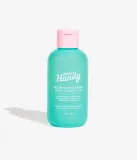
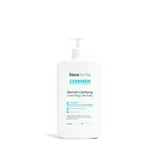
| Doctor OrOily OR FORTE Therapeutic Cleansing Gel for Oily Acne Prone SkinYOUR PRODUCT | Merci HandyFacial Cleansing Gel | Face factsCeramide Blemish Foaming Cleanser | MixaAnti-Imperfection Comfort Cleanser | |
|---|---|---|---|---|
| Match | — | 85% | 83% | 83% |
| Price | — | — | $7.79 | $7.14 |
| Shared key ingredients | — | 5 of 11 | 5 of 11 | 3 of 11 |
| Key difference | — | Zinc Gluconate | Ceramide Ng | Squalane |
| Irritancy | Medium | Medium | Low | Low |
| Drying alcohol | — | — | — | — |
| View product | Shop | Shop | Shop |


More alternatives: Olay Hydrating Facial Cleanser, Hyaluronic Acid, for Normal Skin, Fragrance-FreeVERSO Deep Cleanse Gel Nettoyant Moussant
Sources cited in this review
Every concentration estimate and effectiveness label is anchored to one of these 21 studies and safety reviews.
- 1
- 2Allergen of the Year—Alkyl Glucosidepracticeupdate.com
- 3
- 4
- 5Salicylic acid as a peeling agent: a comprehensive reviewncbi.nlm.nih.gov
- 6Beta Hydroxy Acidsfda.gov

Affiliate links · As an Amazon Associate, WIMJ earns from qualifying purchases.