Works for
1 of 1 advertised claim delivered
MoisturizingCeramide np, Methicone + 24 moreStrong evidence
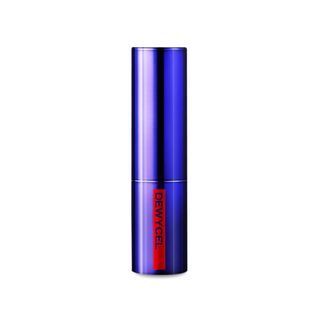
“This is a priming balm that moisturizes your lips and helps to display more vibrant lip colors.”
This product can help improve hydration of the skin with the two types of ingredients.
The first type is called “humectants”:
these ingredients help attract water.
When humectants are on the surface of the skin, they “pull in” the moisture from the outside environment, or from
within deeper layers of the skin. The following ingredients in this product do the job:
glycerin, hydrolyzed collagen.
This product also contains ingredients called “occlusives”. They help reduce the speed with which our skin loses moisture to the outside environment. These ingredients also help soften the upper layer of the skin, so it feels less tight and nicer to the touch. The following ingredients in this product do the job: dimethicone, methicone.
The following ingredients in this product are especially good for supporting the skin barrier and helping with the hydration level: ceramide np
Anti-oxidationNot advertised by the brand · Punica granatum extract, Leontopodium alpinum callus culture extract + 6 moreModerate evidence
This product contains antioxidants (punica granatum extract) that might be able to help neutralize free radicals in skin to lessen the damage it gets from the UV light (sun). There is not enough evidence to confirm their effectiveness in skin though.
Can it cause trouble?
Irritancy8 strong irritants: Parfum, Linalool + 6 more — patch-test recommendedHigh risk
Comedogenic2 ingredients rated 2 or more on the 0–5 pore-clogging scale2 flagged
User reviews
Be the first — your take helps the next person decide.
Ingredients
Filter by role to see what each ingredient is doing.
Octyldodecanol~22–33%
- Irritation risk
- Low
An emollient that helps to soften the skin and create a pleasant product texture and stabilize the formulation
More about OctyldodecanolPhenyl trimethicone~3.2–4.7%
- Irritation risk
- Low
A type of silicone that can decrease loss of moisture from the skin surface. It helps create a nice product texture
More about Phenyl trimethiconeDiisostearyl malate~4.5–6.7%
- Irritation risk
- Medium
Helps to soften the upper layer of the skin
More about Diisostearyl malatePolyglyceryl-2 triisostearate~3.4–5%
- Irritation risk
- Low
Helps to soften the upper layer of the skin and create a nice product texture
More about Polyglyceryl-2 triisostearateCeresin~2.7–4.1%
Mica~2–3%
- Irritation risk
- Low
Creates an illusion of smoother and more radiant skin tone. Adds shimmer to the skin by reflecting light
More about MicaSilica~1.8–2.6%
Polybutene~1.3–2%
Phytosteryl/isostearyl/cetyl/stearyl/behenyl dimer dilinoleate~1.2–1.7%
- Irritation risk
- Low
Helps soften the upper layer of the skin and create a nice product consistency
More about Phytosteryl/isostearyl/cetyl/stearyl/behenyl dimer dilinoleateDipentaerythrityl hexahydroxystearate/hexastearate/hexarosinate~0.9–1.3%
- Irritation risk
- Low
Polyethylene~1.1–1.6%
Microcrystalline wax~0.5–1.2%
Ricinus communis seed oil~0.5–1.1%
- Irritation risk
- Medium
A plant oil that can help soften the skin. It might be helpful in calming down inflammation, but solid research is lacking. Is often used in lip products to create the needed product consistency
More about Ricinus communis seed oilSynthetic wax~0.45–1.05%
- Irritation risk
- Low
Used to stabilize product formulations and thicken product consistency
More about Synthetic waxHydrogenated castor oil~0.45–1%
- Irritation risk
- Medium
A plant oil that can help soften the skin. It might be helpful in calming down inflammation, but solid research is lacking. Is often used in lip products to create the needed product consistency
More about Hydrogenated castor oilEthylene/propylene copolymer~0.55–1.25%
- Irritation risk
- Low
Dimethicone~0.45–1%
- Irritation risk
- Low
A silicone that helps to reduce water loss from the surface of the skin. Can temporarily "fill in" lines and wrinkles, absorb oil, and create a nice product finish
More about DimethiconeCi 77491~0.35–0.8%
- Irritation risk
- Low
A red colorant made of iron oxide. Typically is not irritating
More about Ci 77491Titanium dioxide~0.4–0.95%
- Irritation risk
- Low
Works as a UV filter when used in high concentrations. It is photostable and is effective mostly against the UVB light, with some protection in the UVA range. In small concentrations, used for its ability to improve the color of cosmetic products. Is usually well tolerated by the skin
More about Titanium dioxideCi 19140~0.3–0.7%
Parfum~0.2–0.7%
- Irritation risk
- High
An aromatic blend of unspecified and possibly irritating ingredients
More about ParfumMethicone~0.35–0.75%
- Irritation risk
- Low
A type of silicone that helps soften the upper layer of the skin and reduces the water loss from the skin surface
More about MethiconeLinalool~0.15–0.65%
Limonene~0.15–0.65%
- Irritation risk
- High
A common frangrance that can easily irritate skin, especially if exposed to air, light or heat
More about LimoneneGeraniol~0.15–0.65%
Water~0.15–0.7%
Argania spinosa kernel oil~0.3–0.7%
- Irritation risk
- Medium
An emollient that helps soften the upper layer of the skin. Might have some weak anti-oxidant properties
More about Argania spinosa kernel oilBht~0.15–0.65%
Ceramide np~0.3–0.75%
- Irritation risk
- Low
A type of lipid similar to ceramides naturally present in skin. Helps to soften the upper layer of the skin and supports the skin barrier function to keep it hydrated. Can help to prevent inflammation in skin
More about Ceramide npHydrolyzed collagen~0.4–0.95%
- Irritation risk
- Low
A typically plant-derived compound that is supposed mimic human collagen. Cannot penetrate the skin barrier so is not particularly useful in skincare products beyond attracting water to the upper layer of the skin
More about Hydrolyzed collagenOlea europaea fruit oil~0.2–0.8%
- Irritation risk
- Medium
An emollient that helps soften the skin but is not effective for restoring its barrier function. Might be helpful to calm down inflammation
More about Olea europaea fruit oilLavandula angustifolia flower water~0.15–0.7%
- Irritation risk
- High
Prunus amygdalus dulcis oil~0.3–0.7%
- Irritation risk
- Low
An emollient that softens the skin
More about Prunus amygdalus dulcis oilGlycerin~0.2–0.75%
- Irritation risk
- Low
One of the best moisturizing ingredients. Naturally present in skin. It attracts water to the upper layer of the skin working as a humectant
More about GlycerinButylene glycol~0.15–0.65%
- Irritation risk
- Low
Used to create a nice product texture and help delivery of other ingredients. Might be somewhat helpful in attracting water to the upper layer of the skin
More about Butylene glycolRetinyl palmitate~0.15–0.6%
- Irritation risk
- High
Three steps removed from the active form of vitamin A - retinoic acid. To have an effect in the skin, it first needs to be converted twice to become the retinoic acid. This means it is less potent than retinol, but could also be less irritating. Once converted to the retinoic acid in the skin, it helps against all signs of aging, improves skin cell turnover and helps fight blemishes and clogged pores. However, in many cosmetic formulations, it is used in a concentration that is too low to have the full effect
More about Retinyl palmitate1,2-hexanediol~0.15–0.65%
Panthenol~0.15–0.65%
- Irritation risk
- Low
Helps attract water to the upper layer of the skin and can help improve skin barrier function
More about PanthenolPersea gratissima oil~0.3–0.75%
- Irritation risk
- Medium
An emollient that helps soften the skin and could be helpful in repairing its barrier function
More about Persea gratissima oilPropylene glycol~0.15–0.65%
- Irritation risk
- High
Helps oil and water mix together and can enhance the penetration of other ingredients into the skin. It can be irritating
More about Propylene glycolHydrogenated vegetable oil~0.3–0.75%
- Irritation risk
- Low
- Comedogenicity
- 2/5
An oil from a mixture of different vegetables. Helps soften the upper layer of the skin
More about Hydrogenated vegetable oilArachis hypogaea oil~0.15–0.65%
- Irritation risk
- Low
Leontopodium alpinum callus culture extract~0.15–0.65%
- Irritation risk
- Low
A plant stem cell extract that might help neutralize free radicals and reduce inflammation in skin
More about Leontopodium alpinum callus culture extractButyrospermum parkii butter~0.3–0.75%
- Irritation risk
- Low
- Comedogenicity
- 3/5
A great moisturising ingredient that softens the skin and reduces water loss from its upper layer. It also can be helpful in protecting skin from free radicals
More about Butyrospermum parkii butterRosa damascena flower extract~0.15–0.6%
Centella asiatica extract~0.2–0.75%
- Irritation risk
- Medium
A plant extract that has been shown to be able to reduce inflammation in skin, support restoration of skin barrier function, as well as support collagen production. Contains active compounds called centelloids: asiaticoside, madecasosside, asiatic acid and madecassic acid. Might be helpful in preventing stretch marks. It can be itself be irritating though.
More about Centella asiatica extractPunica granatum extract~0.15–0.55%
- Irritation risk
- Medium
A plant extract that can help neutralize free radicals in skin and even out the skin tone, but is typically used in products in a concentration that is too low to be effective
More about Punica granatum extractTocopherol~0.1–0.5%
- Irritation risk
- Low
Pure form of vitamin E. Can help moisturise and protect the skin from free radicals. Often used to help stabilise other ingredients or the formula itself
More about TocopherolPhenoxyethanol~0.1–0.4%
- Irritation risk
- Low
A preservative. It helps prevent bacterial growth in cosmetic products
More about PhenoxyethanolEthylhexylglycerin~0.1–0.4%
Pulsatilla koreana extract~0.1–0.45%
- Irritation risk
- Low
Sodium hyaluronate~0.1–0.4%
- Irritation risk
- Low
One of the best moisturizing ingredients. Attracts water into the upper layer of the skin
More about Sodium hyaluronateUsnea barbata extract~0.05–0.3%
- Irritation risk
- Low
Zanthoxylum piperitum fruit extract~0.1–0.35%
- Irritation risk
- High
Plant extract that has some anti-oxidant properties. It can be irritating. Can be used to improve the product's smell
More about Zanthoxylum piperitum fruit extractIngredient list view
Octyldodecanol, Phenyl trimethicone, Diisostearyl malate, Polyglyceryl-2 triisostearate, Ceresin, Mica, Silica, Polybutene, Phytosteryl/isostearyl/cetyl/stearyl/behenyl dimer dilinoleate, Dipentaerythrityl hexahydroxystearate/hexastearate/hexarosinate, Polyethylene, Microcrystalline wax, Ricinus communis seed oil, Synthetic wax, Hydrogenated castor oil, Ethylene/propylene copolymer, Dimethicone, Ci 77491, Titanium dioxide, Ci 19140, Parfum, Methicone, Linalool, Limonene, Geraniol, Water, Argania spinosa kernel oil, Bht, Ceramide np, Hydrolyzed collagen, Olea europaea fruit oil, Lavandula angustifolia flower water, Prunus amygdalus dulcis oil, Glycerin, Butylene glycol, Retinyl palmitate, 1,2-hexanediol, Panthenol, Persea gratissima oil, Propylene glycol, Hydrogenated vegetable oil, Arachis hypogaea oil, Leontopodium alpinum callus culture extract, Butyrospermum parkii butter, Rosa damascena flower extract, Centella asiatica extract, Punica granatum extract, Tocopherol, Phenoxyethanol, Ethylhexylglycerin, Pulsatilla koreana extract, Sodium hyaluronate, Usnea barbata extract, Zanthoxylum piperitum fruit extract
Compare prices
Retailers ranked by price — lowest first.

Affiliate links · prices updated regularly
Product summary
Judging from the ingredient list, "DEWYCEL - Core Balm" works well for improving skin hydration This moisturizer uses a good combo of humectants and emollients. These both types of ingredients are essentials for improving the skin hydration and keeping the skin barrier healthy. Humectants in this product (glycerin, hydrolyzed collagen, sodium hyaluronate, leontopodium alpinum callus culture extract and butylene glycol) help to increase the water content in the upper layer of the skin. (These ingredients do so by "capturing" water molecules from the outside air or from within the deeper layers of the skin). Emollients in this formulation (ceramide np, hydrolyzed collagen, dimethicone, methicone and phenyl trimethicone) help to reduce the moisture loss from the skin. They also soften the skin surface and relieve the feeling of dryness and tightness.
Ingredient callouts
- this moisturizer includes a form of Retinoids (vitamin A) - retinyl palmitate 0.15% - 0.60%, but this type of vitamin A is not very effective. It could in theory help with fine lines and wrinkles, but the effect is most likely minimal.
- Another benefit is that this moisturizer contain ceramides (ceramide np 0.30% - 0.75%). Ceramides are an important part of our natural skin barrier. The Ceramides used in skincare are synthetic or come from plants. They help soften the skin and can help "fill the gaps" in the skin barrier, keeping the skin hydrated and resilient for longer.
Irritation risk
There are quite a few common irritants in this product, including ingredients without particular skin benefits. We would not recommend it for sensitive skin. We assess the overall irritancy of this moisturizer to be high. For a detailed overview of all potential irritants: click here
You can see the detailed formula review with the breakdown of all actives in the product and the full ingredient list with estimated concentrations in the tables below.
Price
The product retails for 13.20$ in the United States.
For a detailed price comparison: click here.
Sources cited in this review
Every concentration estimate and effectiveness label is anchored to one of these 36 studies and safety reviews.
- 1
- 2
- 3
- 4
- 5
- 6

Affiliate links · As an Amazon Associate, WIMJ earns from qualifying purchases.