Works for:
based on ingredients and %- Anti-blemish
- Cleansing
- Exfoliation
Can it cause trouble?
- Irritation risk: high
- Comedogenic risk ingredients: 1
Key actives


Works for
Anti-blemish
What does the product description say?
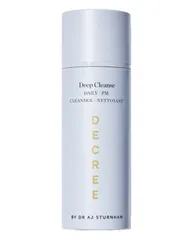
DECREE Deep Cleanse is a deeply detoxifying fruit and clay enriched cleanser, that works hard to decongest pores, remove dirt, impurities, and make-up.
Source: Face the future
This product can help reduce breakouts and clogged pores because it contains the following ingredient: colloidal sulfur, salicylic acid. These ingredients is used for treating acne and can have a noticeable effect.
Used for skin exfoliation. It has an anti-inflammatory and anti-bacterial effect, helps to unclog pores, prevent blemishes and speed up healing of the existing ones. Sometimes referred to as a BHA (beta-hydroxy acid)
A type of clay that consists mainly of aluminum silicate. Helps absorb oil and creates a thicker product consistency. Can be used to add a white color
Helps stabilize the product formulation
Cleansing
What does the product description say?
Deep Cleanse
Source: From product name
This product works by removing dirt and oil from the surface of the skin. It uses a combination of mild cleansing agents (cetearyl alcohol, cetearyl glucoside, hexylene glycol, laureth-7, sodium cocoyl apple amino acids) and should be able to cleanse the skin gently. Still keep in mind that any cleansing can disrupt the skin barrier, and most people do not need to cleanse their skin more than once per day.
Helps water and oil in the product mix well together and improves product texture
Helps oil and water mix together
Helps create a more spreadable product texture
A non-drying alcohol. Works as an emollient. Helps water and oil mix together and creates a nice product texture
Exfoliation
What does the product description say?
Deeply cleanses Gently exfoliates Calms and soothes Key Ingredients.
Source: Face the future
This product can help exfoliate the skin. In other words, it helps break down the bonds between dead cells on the surface of the skin and speed up the skin turnover. Skin often appears softer and brighter after exfoliation, but overdoing it can result in disrupted skin barrier. The following ingredient is doing the exfoliating job in this product: lactic acid, salicylic acid.
Used for skin exfoliation. It has an anti-inflammatory and anti-bacterial effect, helps to unclog pores, prevent blemishes and speed up healing of the existing ones. Sometimes referred to as a BHA (beta-hydroxy acid)
An exfoliating and moisturizing alpha-hydroxy acid (AHA). Typically causes less irritation than other AHAs, for example, glycolic acid. At high concentrations (about 15%), lactic acid can help reduce lines and wrinkles. Recent studies show that lactic acid can support the "good" bacteria living on skin's surface (healthy skin microbiome)
How honest is this product?
| Promise | Can it deliver? |
|---|---|
| Cleansing | |
| Exfoliation | |
| Anti-blemish |
Total Promises Fulfilled score: 100/100.
We receive a small commission for purchases made through these links at no cost for you. Thank you for your support! Learn more
Potential irritants
Comedogenic ingredients
User reviews (0)
Averages from community submissions.
No reviews yet for this product.
Be the first to share your experience!
Tried this product?
Help capture what the ingredient list can't—texture, finish, pilling, scent, and more. Answer what you can, skip the rest.
Takes ~30 seconds.
Reviews are shown in aggregate. No personal details.
| Product | Similarity | Price | Irritancy |
|---|---|---|---|
 Decree Deep Cleanse | Current | $67.00 | |
 CeraVe Gel Moussant Anti-Imperfections | 78% | - | |
DCL Active Mattifying Cleanser | 77% | $32.00 | |
COSRX The AHA BHA PHA LHA 35 Peel | 76% | $10.46 | |
 60 Pads tingl by DRMTLGY | 72% | $38.00 | |
 Rodial Vitamin C Brightening Cleansing Pads | 71% | $35.00 |
Key Actives
Used for skin exfoliation. It has an anti-inflammatory and anti-bacterial effect, helps to unclog pores, prevent blemishes and speed up healing of the existing ones. Sometimes referred to as a BHA (beta-hydroxy acid)
Used for skin exfoliation. It has an anti-inflammatory and anti-bacterial effect, helps to unclog pores, prevent blemishes and speed up healing of the existing ones. Sometimes referred to as a BHA (beta-hydroxy acid)
An exfoliating and moisturizing alpha-hydroxy acid (AHA). Typically causes less irritation than other AHAs, for example, glycolic acid. At high concentrations (about 15%), lactic acid can help reduce lines and wrinkles. Recent studies show that lactic acid can support the "good" bacteria living on skin's surface (healthy skin microbiome)
An exfoliating and moisturizing alpha-hydroxy acid (AHA). Typically causes less irritation than other AHAs, for example, glycolic acid. At high concentrations (about 15%), lactic acid can help reduce lines and wrinkles. Recent studies show that lactic acid can support the "good" bacteria living on skin's surface (healthy skin microbiome)
A type of clay that consists mainly of aluminum silicate. Helps absorb oil and creates a thicker product consistency. Can be used to add a white color
A non-drying alcohol. Works as an emollient. Helps water and oil mix together and creates a nice product texture
A type of clay that consists mainly of aluminum silicate. Helps absorb oil and creates a thicker product consistency. Can be used to add a white color
A broad spectrum sunblock (protects from both UVA and UVB rays). Is suitable for most sensitive skins. In small concentrations, can be used as a colorant
A good mix of fatty acids that forms a protective layer on the skin. Improves the shelf life of products. Derived from coconut and glycerin
A broad spectrum sunblock (protects from both UVA and UVB rays). Is suitable for most sensitive skins. In small concentrations, can be used as a colorant
Helps water and oil in the product mix well together and improves product texture
Helps create a more spreadable product texture
Potential irritants
Used to add a nice rose smell to the product. Might help attract water to the upper layer of the skin and have some anti-oxidant effect. Can be irritating
Used for skin exfoliation. It has an anti-inflammatory and anti-bacterial effect, helps to unclog pores, prevent blemishes and speed up healing of the existing ones. Sometimes referred to as a BHA (beta-hydroxy acid)
Used for fragrance and contains volatile compounds that can irritate the skin
An essential oil that is used as a fragrance and can be irritating. It might have some anti-oxidant effect in skin
Oil of a very fragrant pink rose used as fragrance in cosmetics. Extensive research has shown it has mixed benefits. In the pro column, inhaling this flower’s scent seems to have relaxing properties and the plant’s petals contain skin-soothing and antioxidant compounds that can benefit skin. On the flipside, the numerous chemicals that create this rose’s distinctive fragrance pose a risk of causing skin aggravation.
An exfoliating and moisturizing alpha-hydroxy acid (AHA). Typically causes less irritation than other AHAs, for example, glycolic acid. At high concentrations (about 15%), lactic acid can help reduce lines and wrinkles. Recent studies show that lactic acid can support the "good" bacteria living on skin's surface (healthy skin microbiome)
A good mix of fatty acids that forms a protective layer on the skin. Improves the shelf life of products. Derived from coconut and glycerin
Helps water and oil in the product mix well together and improves product texture
Can have some moisturizing properties due to its sugar content
Used to improve product texture and help oil and water mix together
Comedogenic ingredients
A non-drying alcohol. Works as an emollient. Helps water and oil mix together and creates a nice product texture
All ingredients
Used to add a nice rose smell to the product. Might help attract water to the upper layer of the skin and have some anti-oxidant effect. Can be irritating
A type of clay that consists mainly of aluminum silicate. Helps absorb oil and creates a thicker product consistency. Can be used to add a white color
Can absorb oil. There is no research confirming other benefits for the skin
An exfoliating and moisturizing alpha-hydroxy acid (AHA). Typically causes less irritation than other AHAs, for example, glycolic acid. At high concentrations (about 15%), lactic acid can help reduce lines and wrinkles. Recent studies show that lactic acid can support the "good" bacteria living on skin's surface (healthy skin microbiome)
Used for skin exfoliation. It has an anti-inflammatory and anti-bacterial effect, helps to unclog pores, prevent blemishes and speed up healing of the existing ones. Sometimes referred to as a BHA (beta-hydroxy acid)
A broad spectrum sunblock (protects from both UVA and UVB rays). Is suitable for most sensitive skins. In small concentrations, can be used as a colorant
Used to add a nice rose smell to the product. Might help attract water to the upper layer of the skin and have some anti-oxidant effect. Can be irritating
Acts as a solvent for other ingredients. Speeds up the absorption of other ingredients into the skin
A good mix of fatty acids that forms a protective layer on the skin. Improves the shelf life of products. Derived from coconut and glycerin
A non-drying alcohol. Works as an emollient. Helps water and oil mix together and creates a nice product texture
Used for skin exfoliation. It has an anti-inflammatory and anti-bacterial effect, helps to unclog pores, prevent blemishes and speed up healing of the existing ones. Sometimes referred to as a BHA (beta-hydroxy acid)
A broad spectrum sunblock (protects from both UVA and UVB rays). Is suitable for most sensitive skins. In small concentrations, can be used as a colorant
An exfoliating and moisturizing alpha-hydroxy acid (AHA). Typically causes less irritation than other AHAs, for example, glycolic acid. At high concentrations (about 15%), lactic acid can help reduce lines and wrinkles. Recent studies show that lactic acid can support the "good" bacteria living on skin's surface (healthy skin microbiome)
Helps water and oil in the product mix well together and improves product texture
A type of clay that consists mainly of aluminum silicate. Helps absorb oil and creates a thicker product consistency. Can be used to add a white color
Used for fragrance and contains volatile compounds that can irritate the skin
Can have some moisturizing properties due to its sugar content
An essential oil that is used as a fragrance and can be irritating. It might have some anti-oxidant effect in skin
Oil of a very fragrant pink rose used as fragrance in cosmetics. Extensive research has shown it has mixed benefits. In the pro column, inhaling this flower’s scent seems to have relaxing properties and the plant’s petals contain skin-soothing and antioxidant compounds that can benefit skin. On the flipside, the numerous chemicals that create this rose’s distinctive fragrance pose a risk of causing skin aggravation.
A preservative. It helps prevent bacterial growth in cosmetic products
Helps soften the upper layer of the skin, dissolve other ingredients and create a thicker product consistency
Used to improve product texture and help oil and water mix together
Helps attract water to the upper layer of the skin. Could be helpful in restoring the skin barrier function
Ingredient list view
Rosa damascena flower water, Bentonite, Kaolin, Clay, Lactic acid, Salicylic acid, Zinc oxide, Rosa damascena flower water, Propanediol, Water, Caprylic/capric triglyceride, Bentonite, Cetearyl alcohol, Colloidal sulfur, Salicylic acid, Zinc oxide, Lactic acid, Sodium cocoyl apple amino acids, Cetearyl glucoside, Sodium hydroxide, Kaolin, Prunus amygdalus dulcis oil, Lavandula angustifolia extract, Pyrus malus fruit extract, Rose extract, Anthemis nobilis flower oil, Rosa damascena extract, Jasminum officinale extract, Ethylhexylglycerin, Phenoxyethanol, C13-14 isoparaffin, Hexylene glycol, Potassium sorbate, Sodium benzoate, Polyacrylamide, Laureth-7, Sorbic acid, Camphor, Tetrasodium edta, Glucose, Caramel
- Annex I: Clinical evidence regarding sensitisation to individual fragrance chemicals and to natural extracts
- Epidermal and dermal effects of topical lactic acid
- Dual Effects of Alpha-Hydroxy Acids on the Skin
- Salicylic acid as a peeling agent: a comprehensive review
- Beta Hydroxy Acids
- A review of toxicity from topical salicylic acid preparations
- Glycolic Acid Peels Versus Salicylic–Mandelic Acid Peels in Active Acne Vulgaris and Post‐Acne Scarring and Hyperpigmentation: A Comparative Study
- A review of inorganic UV filters zinc oxide and titanium dioxide
- Risk assessment of zinc oxide, a cosmetic ingredient used as a UV filter of sunscreens
- Characterization of the UVA protection provided by avobenzone, zinc oxide, and titanium dioxide in broad-spectrum sunscreen products
- Ultraviolet Protection Properties of Commercial Sunscreens and Sunscreens Containing Zno Nanorods
- ZnO nanoparticles and organic chemical UV-filters are equally well tolerated by human immune cells
- Anti-Inflammatory and Skin Barrier Repair Effects of Topical Application of Some Plant Oils
- Safety Assessment of Anthemis nobilis– Derived Ingredients as Used in Cosmetics
- Safety Assessment of Isoparaffins as Used in Cosmetics
- Topical Glucose Induces Claudin-1 and Filaggrin Expression in a Mouse Model of Atopic Dermatitis and in Keratinocyte Culture, Exerting Anti-inflammatory Effects by Repairing Skin Barrier Function