Works for:
based on ingredients and %- Cleansing
Doesn't work for:
based on ingredients and %- Anti-blemish
Can it cause trouble?
- Irritation risk: high
- Comedogenic risk ingredients: 2
Key actives

Cleansing
What does the product description say?
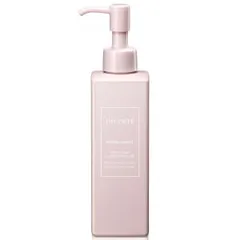
Hydra Clarity Micro Essence Cleansing Emulsion
Source: From product name
This product works by removing dirt and oil from the surface of the skin. It uses a combination of mild cleansing agents (di-c12-15 pareth-8 phosphate, hydrogenated lecithin, isohexadecane, peg-11 cocamide, peg-7 glyceryl cocoate, polysorbate 60, polysorbate 80, sorbitan oleate, triethanolamine, xanthan gum) and should be able to cleanse the skin gently. Still keep in mind that any cleansing can disrupt the skin barrier, and most people do not need to cleanse their skin more than once per day.
Helps to retain moisture by creating a protective barrier on the skin. Rich in fatty acids. Improves product texture and helps with the penetration of other ingredients.
Improves the texture of the product and helps soften the skin. Helps oil and water mix together and can be used as a cleansing agent
Helps oils and water mix together and works as a cleansing agent
Helps oil and water mix together
Helps water and oil mix together
Helps oil and water mix together
Used to adjust pH of the product and can help improve the product's smell
Used to create a thicker product consistency
Anti-blemish
What does the product description say?
Pear juice ferment, rich in probiotics, helps to decongest the pores and remove excess sebum for a more purified-looking complexion.
Source: Lookfantastic CA
Effective ingredients missing or their concentration is too low.
How honest is this product?
| Promise | Can it deliver? |
|---|---|
| Cleansing | |
| Anti-blemish |
Total Promises Fulfilled score: 50/100.
We receive a small commission for purchases made through these links at no cost for you. Thank you for your support! Learn more
Potential irritants
Comedogenic ingredients
User reviews (0)
Averages from community submissions.
No reviews yet for this product.
Be the first to share your experience!
Tried this product?
Help capture what the ingredient list can't—texture, finish, pilling, scent, and more. Answer what you can, skip the rest.
Takes ~30 seconds.
Reviews are shown in aggregate. No personal details.
Key Actives
Pure form of vitamin E. Can help moisturise and protect the skin from free radicals. Often used to help stabilise other ingredients or the formula itself
A silicone that helps to reduce water loss from the surface of the skin. Can temporarily "fill in" lines and wrinkles, absorb oil, and create a nice product finish
A great emollient. Contains vitamin E (tocopherol) which may give it some anti-oxidant properties. Can contain volatile compounds and can be irritating
Improves the texture of the product and helps soften the skin. Helps oil and water mix together and can be used as a cleansing agent
Mineral oil. One of the most effective and well studied occlusive and emollient moisturizing ingredients. Helps reduce moisture loss in skin and repair skin barrier function
An emollient that helps soften the skin. Could be comedogenic
Helps attract water to the upper layer of the skin
Softens the upper layer of skin and helps restore the healthy skin barrier. Has shown to help calm down inflammation in skin. It is a stable oil, meaning that it retains its properties even when exposed to air.
Helps to retain moisture by creating a protective barrier on the skin. Rich in fatty acids. Improves product texture and helps with the penetration of other ingredients.
Helps oils and water mix together and works as a cleansing agent
Lipids that work as an emollient and can be helpful in repairing skin barrier function
Helps oil and water mix together
Used to adjust pH of the product and can help improve the product's smell
Used to create a thicker product consistency
Potential irritants
A plant extract that is used as a fragrance. Can be irritating
Can be drying and contribute to skin irritation. Used in formulars to dissolve other ingredients, create a thinner product consistency or for its antibacterial properties
An aromatic blend of unspecified and possibly irritating ingredients
An emollient that helps soften the skin and creates a thicker product texture
A plant extract that might have some anti-oxidant properties
A plant oil that helps soften the upper layer of the skin. Is unlikely to be helpful in restoring skin barrier function due to the low content of linoleic acid
A great emollient. Contains vitamin E (tocopherol) which may give it some anti-oxidant properties. Can contain volatile compounds and can be irritating
Softens the upper layer of skin and helps restore the healthy skin barrier. Has shown to help calm down inflammation in skin. It is a stable oil, meaning that it retains its properties even when exposed to air.
Maintains the texture of skincare products. Allows the product to spread evenly. Helps oil and water mix together
Can work as an exfoliant but is typically used to adjust the product pH
Ethyl oleate is a long-chain fatty acid ethyl ester resulting from the formal condensation of the carboxy group of oleic acid with the hydroxy group of ethanol. It derives from an oleic acid. In skincare, it is used to soften the upper layer of the skin, improve the product texture and smell
Helps oils and water mix together and works as a cleansing agent
Lipids that work as an emollient and can be helpful in repairing skin barrier function
Helps to control the skin's pH level. Maintains the skin's natural film of amino-lactic acids and oils. Helps to preserve products
Used to adjust pH of the product and can help improve the product's smell
Comedogenic ingredients
An emollient that helps soften the skin. Could be comedogenic
All ingredients
Used to create a nice product texture and help delivery of other ingredients. Might be somewhat helpful in attracting water to the upper layer of the skin
An emollient that helps soften the skin and creates a thicker product texture
Mineral oil. One of the most effective and well studied occlusive and emollient moisturizing ingredients. Helps reduce moisture loss in skin and repair skin barrier function
Used to improve the product consistency and soften the upper layer of the skin
An emollient that helps soften the skin. Could be comedogenic
A silicone that helps to reduce water loss from the surface of the skin. Can temporarily "fill in" lines and wrinkles, absorb oil, and create a nice product finish
Helps to dissolve other ingredients in a formulation. Slows down the rate of product drying
A plant extract that is used as a fragrance. Can be irritating
A plant extract that might have some anti-oxidant properties
A plant oil that helps soften the upper layer of the skin. Is unlikely to be helpful in restoring skin barrier function due to the low content of linoleic acid
A great emollient. Contains vitamin E (tocopherol) which may give it some anti-oxidant properties. Can contain volatile compounds and can be irritating
Softens the upper layer of skin and helps restore the healthy skin barrier. Has shown to help calm down inflammation in skin. It is a stable oil, meaning that it retains its properties even when exposed to air.
Pure form of vitamin E. Can help moisturise and protect the skin from free radicals. Often used to help stabilise other ingredients or the formula itself
Maintains the texture of skincare products. Allows the product to spread evenly. Helps oil and water mix together
Can be drying and contribute to skin irritation. Used in formulars to dissolve other ingredients, create a thinner product consistency or for its antibacterial properties
Non-drying alcohol that helps water and oil mix together. Also serves as an emollient
Can work as an exfoliant but is typically used to adjust the product pH
Ethyl oleate is a long-chain fatty acid ethyl ester resulting from the formal condensation of the carboxy group of oleic acid with the hydroxy group of ethanol. It derives from an oleic acid. In skincare, it is used to soften the upper layer of the skin, improve the product texture and smell
Helps to retain moisture by creating a protective barrier on the skin. Rich in fatty acids. Improves product texture and helps with the penetration of other ingredients.
Improves the texture of the product and helps soften the skin. Helps oil and water mix together and can be used as a cleansing agent
Helps oils and water mix together and works as a cleansing agent
Lipids that work as an emollient and can be helpful in repairing skin barrier function
Used to create a thicker product consistency
Helps to control the skin's pH level. Maintains the skin's natural film of amino-lactic acids and oils. Helps to preserve products
Used to adjust pH of the product and can help improve the product's smell
A preservative. It helps prevent bacterial growth in cosmetic products
An aromatic blend of unspecified and possibly irritating ingredients
Ingredient list view
Water, Butylene glycol, Cetyl ethylhexanoate, Paraffinum liquidum, Hydrogenated polyisobutene, Isopropyl myristate, Dimethicone, Dipropylene glycol, Artemisia princeps leaf extract, Ascorbyl dipalmitate, Eugenia caryophyllus flower extract, Ganoderma lucidum stem extract, Hydrolyzed prunus domestica, Lactobacillus/pear juice ferment filtrate, Moringa oleifera seed oil, Rosa canina fruit oil, Saccharide isomerate, Simmondsia chinensis seed oil, Tocopherol, Acrylates/c10-30 alkyl acrylate crosspolymer, Alcohol, Behenyl alcohol, Citric acid, Di-c12-15 pareth-8 phosphate, Disodium edta, Ethyl oleate, Hydrogenated lecithin, Isohexadecane, Peg-11 cocamide, Peg-7 glyceryl cocoate, Phytosterols, Polysorbate 60, Polysorbate 80, Sodium acrylate/sodium acryloyldimethyl taurate copolymer, Sodium citrate, Sorbitan oleate, Triethanolamine, Xanthan gum, Phenoxyethanol, Parfum, Linalool
- A review on the extensive skin benefits of mineral oil
- Final report of the cosmetic ingredient review expert panel on the safety assessment of Polyisobutene and Hydrogenated Polyisobutene as used in cosmetics
- Dimethicone as a protective ingredient in topical medications
- Final Report on the Safety Assessment of Dimethicone Copolyol
- Moringa oleifera seed oil: Composition, nutritional aspects and health attributes