Works for:
based on ingredients and %- Anti-aging
- Moisturizing
Can it cause trouble?
- Irritation risk: high
- Comedogenic risk ingredients: 1
Key actives


Works for
Anti-aging
What does the product description say?
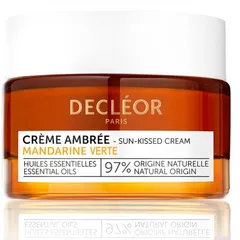
Suitable for all skin types and tones, it softens the appearance of fine lines and wrinkles and prevents further ageing by shielding skin from environmental stressors.
Source: Mankind
This product can help reduce and prevent fine lines and wrinkles, improve skin elasticity and firmness because it contains adenosine.
Keep in mind that it typically takes at least 6 weeks to notice any results because the changes that are needed to improve fine lines and elasticity happen in the deeper layers of the skin. No topical anti-aging product can “erase” wrinkles or fully reverse signs of aging.
Might help improve cell turnover and reduce inflammation in skin. One study shows that the ingredients might be able to help reduce dynamic wrinkles (for example, in the corners of the eyes or on the forehead)
A vitamin C derivative that is more stable but less potent than pure form of vitamin C. Has a potential to boost collagen production, nutralise free radicals and reduce hyperpigmentation, but the required concentration is likely to be much higher than for the pure form of vitamin C, limiting the ingredient's effectiveness in products
Pure form of vitamin E. Can help moisturise and protect the skin from free radicals. Often used to help stabilise other ingredients or the formula itself
Moisturizing
What does the product description say?
Melting effortlessly into skin, it effectively replenishes and plumps skin with vital moisture from natural Hyaluronic Acid, whilst Beta-Carotenes get to work on re-energising tired, dull, lacklustre skin in need of a radiance-boost.
Source: Mankind
This product can help improve hydration of the skin with the two types of ingredients.
The first type is called “humectants”:
these ingredients help attract water.
When humectants are on the surface of the skin, they “pull in” the moisture from the outside environment, or from
within deeper layers of the skin. The following ingredients in this product do the job:
arginine, glycerin.
This product also contains ingredients called “occlusives”. They help reduce the speed with which our skin loses moisture to the outside environment. These ingredients also help soften the upper layer of the skin, so it feels less tight and nicer to the touch. The following ingredients in this product do the job: arginine, helianthus annuus seed oil.
Helps soften the upper layer of the skin
A great emollient due to its high linoleic acid content. One of the most effective plant oils in helping skin hydration and repairing skin barrier function
Helps soften the upper layer of the skin and support skin's barrier function while creating a thicker product consistency
An amino acid that is naturally present in skin and helps keep it hydrated. When used together with AHAs, it can reduce their irritating effect on the skin
An emollient that helps soften the skin
Helps to attract water to the upper layer of the skin
One of the best moisturizing ingredients. Attracts water into the upper layer of the skin
An emollient made of jojoba oil. Helps soften the skin and support its barrier function
One of the best moisturizing ingredients. Naturally present in skin. It attracts water to the upper layer of the skin working as a humectant
A sugar-derived compound that helps to attract water to the upper layer of the skin and might be able to stimulate synthesis of skin's own moisturizing factors, but solid research is lacking. It could be irritating
Mimosa flower fax. Helps soften the upper layer of the skin. It adds a nice smell, but could be irritating
Might help improve cell turnover and reduce inflammation in skin. One study shows that the ingredients might be able to help reduce dynamic wrinkles (for example, in the corners of the eyes or on the forehead)
A non-drying alcohol. Works as an emollient. Helps water and oil mix together and creates a nice product texture
An emollient that helps to soften the skin. It has a high contetn of oleic acid that might weaken the skin barrier. Might have some anti-oxidant properties. It might be somewhat helpful against hyperpigmentation.
Helps oil and water mix together while softening the upper layer of the skin
An emollient that helps to soften the skin and create a pleasant product texture and stabilize the formulation
Helps preserve products and creates a nice product texture
Helps oil and water mix together and can enhance the penetration of other ingredients into the skin. It can be irritating
Non-drying alcohol that helps water and oil mix together. Also serves as an emollient
Helps soften the upper layer of the skin while creating a non-greasy feel on the skin. Helps to dissolve other ingredients
Used to soften the upper layer of the skin and create a thicker product consistency
Pure form of vitamin E. Can help moisturise and protect the skin from free radicals. Often used to help stabilise other ingredients or the formula itself
How honest is this product?
| Promise | Can it deliver? |
|---|---|
| Anti-aging | |
| Moisturizing |
Total Promises Fulfilled score: 87/100.
We receive a small commission for purchases made through these links at no cost for you. Thank you for your support! Learn more
Affiliate link · supports WIMJ at no cost to you
Potential irritants
Comedogenic ingredients
User reviews (0)
Averages from community submissions.
No reviews yet for this product.
Be the first to share your experience!
Tried this product?
Help capture what the ingredient list can't—texture, finish, pilling, scent, and more. Answer what you can, skip the rest.
Takes ~30 seconds.
Reviews are shown in aggregate. No personal details.
| Product | Similarity | Price | Irritancy |
|---|---|---|---|
 DECLEOR Green Mandarin Sun-Kissed Cream | Current | ≈ $38.42 | |
 Lancôme Renergie Multi-Glow Night Cream | 74% | ≈ $104.65 | |
 Institut Esthederm Intensive Propolis Adult Acne and Wrinkles Face Cream | 73% | ≈ $71.53 | |
The Body Shop Drops Of Youth Day Cream | 71% | - | |
 Sanoflore Crème Merveilleuse Rich Firming Anti-Ageing Moisturiser | 70% | - | |
SCINIC Hyaluronic Acid Soothing Stick | 69% | $14.72 |
Key Actives
Used for skin exfoliation. It has an anti-inflammatory and anti-bacterial effect, helps to unclog pores, prevent blemishes and speed up healing of the existing ones. Sometimes referred to as a BHA (beta-hydroxy acid)
Pure form of vitamin E. Can help moisturise and protect the skin from free radicals. Often used to help stabilise other ingredients or the formula itself
A vitamin C derivative that is more stable but less potent than pure form of vitamin C. Has a potential to boost collagen production, nutralise free radicals and reduce hyperpigmentation, but the required concentration is likely to be much higher than for the pure form of vitamin C, limiting the ingredient's effectiveness in products
Might help improve cell turnover and reduce inflammation in skin. One study shows that the ingredients might be able to help reduce dynamic wrinkles (for example, in the corners of the eyes or on the forehead)
An emollient that helps soften the skin
One of the best moisturizing ingredients. Naturally present in skin. It attracts water to the upper layer of the skin working as a humectant
An emollient made of jojoba oil. Helps soften the skin and support its barrier function
A great emollient due to its high linoleic acid content. One of the most effective plant oils in helping skin hydration and repairing skin barrier function
Helps soften the upper layer of the skin
Helps soften the upper layer of the skin and support skin's barrier function while creating a thicker product consistency
A sugar-derived compound that helps to attract water to the upper layer of the skin and might be able to stimulate synthesis of skin's own moisturizing factors, but solid research is lacking. It could be irritating
One of the best moisturizing ingredients. Attracts water into the upper layer of the skin
An amino acid that is naturally present in skin and helps keep it hydrated. When used together with AHAs, it can reduce their irritating effect on the skin
Helps to attract water to the upper layer of the skin
Works as a UV filter when used in high concentrations. It is photostable and is effective mostly against the UVB light, with some protection in the UVA range. In small concentrations, used for its ability to improve the color of cosmetic products. Is usually well tolerated by the skin
Potential irritants
Produces temporary toning effect. Can help dissolve other ingredients or preserve products
A sugar-derived compound that helps to attract water to the upper layer of the skin and might be able to stimulate synthesis of skin's own moisturizing factors, but solid research is lacking. It could be irritating
A common frangrance that can easily irritate skin, especially if exposed to air, light or heat
Helps oil and water mix together and can enhance the penetration of other ingredients into the skin. It can be irritating
Used for skin exfoliation. It has an anti-inflammatory and anti-bacterial effect, helps to unclog pores, prevent blemishes and speed up healing of the existing ones. Sometimes referred to as a BHA (beta-hydroxy acid)
An essentil oil from orange peel. Potential allergen and can be irritating
A plant oil with high content of volatile compounds that, especially when exposed to air, can cause allergic reactions and irritate the skin
Mimosa flower fax. Helps soften the upper layer of the skin. It adds a nice smell, but could be irritating
A plant oil with high content of volatile compounds that, especially when exposed to air, can cause allergic reactions and irritate the skin
A preservative. Can be used to mask unpleasant smell. Can be irritating
An aromatic blend of unspecified and possibly irritating ingredients
An emollient made of jojoba oil. Helps soften the skin and support its barrier function
An emollient that helps to soften the skin. It has a high contetn of oleic acid that might weaken the skin barrier. Might have some anti-oxidant properties. It might be somewhat helpful against hyperpigmentation.
Helps preserve products and creates a nice product texture
A vitamin C derivative that is more stable but less potent than pure form of vitamin C. Has a potential to boost collagen production, nutralise free radicals and reduce hyperpigmentation, but the required concentration is likely to be much higher than for the pure form of vitamin C, limiting the ingredient's effectiveness in products
Comedogenic ingredients
A non-drying alcohol. Works as an emollient. Helps water and oil mix together and creates a nice product texture
All ingredients
Helps soften the upper layer of the skin while creating a non-greasy feel on the skin. Helps to dissolve other ingredients
Produces temporary toning effect. Can help dissolve other ingredients or preserve products
One of the best moisturizing ingredients. Naturally present in skin. It attracts water to the upper layer of the skin working as a humectant
An emollient that helps to soften the skin and create a pleasant product texture and stabilize the formulation
Helps oil and water mix together while softening the upper layer of the skin
An emollient made of jojoba oil. Helps soften the skin and support its barrier function
Used to soften the upper layer of the skin and create a thicker product consistency
An emollient that helps to soften the skin. It has a high contetn of oleic acid that might weaken the skin barrier. Might have some anti-oxidant properties. It might be somewhat helpful against hyperpigmentation.
A great emollient due to its high linoleic acid content. One of the most effective plant oils in helping skin hydration and repairing skin barrier function
Helps soften the upper layer of the skin and support skin's barrier function while creating a thicker product consistency
A non-drying alcohol. Works as an emollient. Helps water and oil mix together and creates a nice product texture
Non-drying alcohol that helps water and oil mix together. Also serves as an emollient
A sugar-derived compound that helps to attract water to the upper layer of the skin and might be able to stimulate synthesis of skin's own moisturizing factors, but solid research is lacking. It could be irritating
A common frangrance that can easily irritate skin, especially if exposed to air, light or heat
An umbrella term for the following three colorants: CI 77491, CI 77492, CI 77499. They might be able to offer some protection against visible light, but the degree of the protection is not clear
Helps oil and water mix together and can enhance the penetration of other ingredients into the skin. It can be irritating
Helps preserve products and creates a nice product texture
Pure form of vitamin E. Can help moisturise and protect the skin from free radicals. Often used to help stabilise other ingredients or the formula itself
Used for skin exfoliation. It has an anti-inflammatory and anti-bacterial effect, helps to unclog pores, prevent blemishes and speed up healing of the existing ones. Sometimes referred to as a BHA (beta-hydroxy acid)
A vitamin C derivative that is more stable but less potent than pure form of vitamin C. Has a potential to boost collagen production, nutralise free radicals and reduce hyperpigmentation, but the required concentration is likely to be much higher than for the pure form of vitamin C, limiting the ingredient's effectiveness in products
An essentil oil from orange peel. Potential allergen and can be irritating
One of the best moisturizing ingredients. Attracts water into the upper layer of the skin
An amino acid that is naturally present in skin and helps keep it hydrated. When used together with AHAs, it can reduce their irritating effect on the skin
A plant oil with high content of volatile compounds that, especially when exposed to air, can cause allergic reactions and irritate the skin
An essentil oil from orange peel. Potential allergen and can be irritating
Mimosa flower fax. Helps soften the upper layer of the skin. It adds a nice smell, but could be irritating
Works as a UV filter when used in high concentrations. It is photostable and is effective mostly against the UVB light, with some protection in the UVA range. In small concentrations, used for its ability to improve the color of cosmetic products. Is usually well tolerated by the skin
Creates an illusion of smoother and more radiant skin tone. Adds shimmer to the skin by reflecting light
A mineral that is used as an optical filter (makes the skin looks nicer through light reflection) and to improve the texture of cosmetic products
Might help improve cell turnover and reduce inflammation in skin. One study shows that the ingredients might be able to help reduce dynamic wrinkles (for example, in the corners of the eyes or on the forehead)
A plant oil with high content of volatile compounds that, especially when exposed to air, can cause allergic reactions and irritate the skin
Carrot extract. Might have anti-oxidant properties and be used to add orange color
A preservative. Can be used to mask unpleasant smell. Can be irritating
A colorant that can add a pearl-like appearance to the formulation
The same compound that is used safely in dental implants and bone cements. In cosmetics, it is used to improve the consistency of products
An aromatic blend of unspecified and possibly irritating ingredients
Ingredient list view
Water, Dicaprylyl ether, Alcohol denat., Glycerin, Octyldodecanol, Glyceryl stearate citrate, Jojoba esters, Arachidyl alcohol, Sclerocarya birrea seed oil, Prunus armeniaca kernel oil, Helianthus annuus seed oil, Helianthus annuus seed cera, Helianthus annuus seed wax, Cetearyl alcohol, Behenyl alcohol, Silica, Hydroxypropyl tetrahydropyrantriol, Limonene, Arachidyl glucoside, Ci 77491, Ci 77499, Iron oxides, Propylene glycol, Caprylyl glycol, Tocopherol, Salicylic acid, Ascorbyl glucoside, Citrus aurantium dulcis peel oil, Sodium hyaluronate, Sodium stearoyl glutamate, Arginine, Citrus nobilis peel oil, Citrus reticulata extract, Citrus aurantium dulcis peel oil, Potassium sorbate, Neohesperidin dihydrochalcone, Acacia decurrens flower cera, Acacia decurrens flower wax, Polyglycerin-3, Xanthan gum, Ci 77891, Titanium dioxide, Mica, Synthetic fluorphlogopite, Tetrasodium glutamate diacetate, Citrus limon peel oil, Adenosine, Citrus paradisi peel oil, Citrus grandis peel oil, Daucus carota sativa root extract, Linalool, Benzyl salicylate, Benzyl alcohol, Citral, Citronellol, Tin oxide, Alumina, Parfum, Unknown
- Glycerol and the skin: holistic approach to its origin and functions
- Anti-aging potential of extracts from Sclerocarya birrea (A. Rich.) Hochst and its chemical profiling by UPLC-Q-TOF-MS
- Physico-chemical composition and characterisation of the seed and seed oil of Sclerocarya birrea
- Assessment of the potential irritancy of oleic acid on human skin: Evaluation in vitro and in vivo
- Effect of Olive and Sunflower Seed Oil on the Adult Skin Barrier: Implications for Neonatal Skin Care
- Topically Applied Sunflower Seed Oil Prevents Invasive Bacterial Infections in Preterm Infants in Egypt
- Effect of topically applied lipids on surfactant-irritated skin
- Impact of topical oils on the skin barrier: possible implications for neonatal health in developing countries
- A Compensating Skin Care Complex Containing Pro-xylane in Menopausal Women: Results from a Multicentre, Evaluator-blinded, Randomized Study
- Synthesis of Pro-XylaneTM: A new biologically active C-glycoside in aqueous media
- First case of contact dermatitis caused by hydroxypropyl tetrahydropyrantriol used in an anti-ageing cream
- Surfactants and experimental irritant contact dermatitis
- Propylene Glycol
- Skin-sensitizing and irritant properties of propylene glycol
- Vitamin E in dermatology
- Vitamin E and Skin Health
- Salicylic acid as a peeling agent: a comprehensive review
- Beta Hydroxy Acids
- A review of toxicity from topical salicylic acid preparations
- Glycolic Acid Peels Versus Salicylic–Mandelic Acid Peels in Active Acne Vulgaris and Post‐Acne Scarring and Hyperpigmentation: A Comparative Study
- The Roles of Vitamin C in Skin Health
- Stability, transdermal penetration, and cutaneous effects of ascorbic acid and its derivatives
- Hyaluronic acid: A key molecule in skin aging
- Hyaluronan (Hyaluronic Acid): a natural moisturizer for skin care
- Safety Assessment of Citrus-Derived Peel Oils as Used in Cosmetics
- Oxidized citrus oil (R-limonene): A frequent skin sensitizer in Europe
- Air oxidation increases skin irritation from fragrance terpenes
- Final Report of the Safety Assessment of Acacia Catechu Gum, Acacia Concinna Fruit Extract, Acacia Dealbata Leaf Extract, Acacia Dealbata Leaf Wax, Acacia Decurrens Extract, Acacia Farnesiana Extract, Acacia Farnesiana Flower Wax, Acacia Farnesiana Gum, Acacia Senegal Extract, Acacia Senegal Gum, and Acacia Senegal Gum Extract1
- Evaluation of anti-wrinkle efficacy of adenosine-containing products using the FOITS technique
- Safety Assessment of Tin(IV) Oxide as Used in Cosmetics
- Safety Assessment of Alumina and Aluminum Hydroxide as Used in Cosmetics