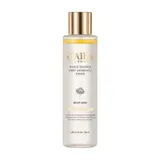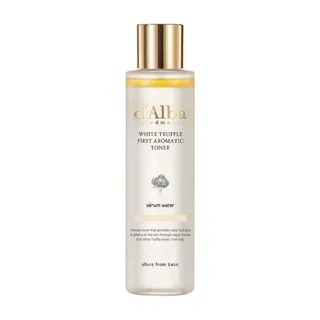
dAlba White Truffle First Aromatic Toner

dAlba White Truffle First Aromatic Toner

Efficacy75/100IrritancyHigh

Works for

Moisturizing
Hydroxyethyl urea, Betaine + 18 more
Works
What the product description says
“Apply one more layer on the dehydrated area”
Source: Lila Beauty

This product can help improve hydration of the skin with the two types of ingredients.

The first type is called “humectants”:
these ingredients help attract water. When humectants are on the surface of the skin, they “pull in” the moisture from the outside environment, or from within deeper layers of the skin. The following ingredients in this product do the job: betaine, glycerin.

This product also contains ingredients called “occlusives”. They help reduce the speed with which our skin loses moisture to the outside environment. These ingredients also help soften the upper layer of the skin, so it feels less tight and nicer to the touch. The following ingredients in this product do the job: helianthus annuus seed oil, glycine soja oil.

Hydroxyethyl ureaKey active· HumectantEffect: HighA synthetic humectant made from urea. It pulls water into the upper layer of the skin about as well as glycerin, but without glycerin's stickiness. Unlike urea, it has not been shown to exfoliate. Lab and animal tests suggest a low risk of irritation at the levels used in products.~1.2–1.9%
BetaineKey active· HumectantEffect: HighHelps attract water to the upper layer of the skin and improves the product texture~0.55–1.3%
Persea gratissima oilKey active· EmollientEffect: HighAn emollient that helps soften the skin and could be helpful in repairing its barrier function~0.45–1.1%
Helianthus annuus seed oilKey active· Emollient, OcclusiveEffect: HighA great emollient due to its high linoleic acid content. One of the most effective plant oils in helping skin hydration and repairing skin barrier function~0.15–0.6%
Centella asiatica extractKey activeEffect: HighA plant extract that has been shown to be able to reduce inflammation in skin, support restoration of skin barrier function, as well as support collagen production. Contains active compounds called centelloids: asiaticoside, madecasosside, asiatic acid and madecassic acid. Might be helpful in preventing stretch marks. It can be itself be irritating though.~0.15–0.65%
Oenothera biennis oilKey active· EmollientEffect: HighHelps soften the upper layer of the skin and can support skin barrier function~0.1–0.4%
GlycerinKey active· HumectantEffect: HighOne of the best moisturizing ingredients. Naturally present in skin. It attracts water to the upper layer of the skin working as a humectant~0.1–0.4%
Glycine soja oilKey active· EmollientEffect: HighA good emollient that helps soften the skin and helps repair its barrier function. It can clog pores if used in high concentrations.~0.1–0.4%
AdenosineKey activeEffect: MediumMight help improve cell turnover and reduce inflammation in skin. One study shows that the ingredients might be able to help reduce dynamic wrinkles (for example, in the corners of the eyes or on the forehead)~0.1–0.4%
Hippophae rhamnoides fruit oilKey activeEffect: MediumA plant oil that might somewhat help to neutralize free radicals. It could be irritating~0.1–0.35%
Macadamia ternifolia seed oilKey active· EmollientEffect: MediumPlant oil from nuts that helps soften the upper layer of the skin. Contains a high concentration of oleic acid that can weaken skin's barrier function and increase water-loss while enhancing penetration of other ingredients~0.1–0.4%
Olea europaea fruit oilKey active· EmollientEffect: MediumAn emollient that helps soften the skin but is not effective for restoring its barrier function. Might be helpful to calm down inflammation~0.1–0.4%
Neopentyl glycol diheptanoate· EmollientEffect: LowHelps soften the upper layer of the skin and create a nice product consistency~3.6–5.4%
TocopherolEffect: LowPure form of vitamin E. Can help moisturise and protect the skin from free radicals. Often used to help stabilise other ingredients or the formula itself~1.4–2.1%
Sorbitol· HumectantEffect: LowHelps attract water to the upper layer of the skin and improves the product texture~0.15–0.55%
Butylene glycol· HumectantEffect: LowUsed to create a nice product texture and help delivery of other ingredients. Might be somewhat helpful in attracting water to the upper layer of the skin~0.15–0.65%
Camellia sinensis leaf extractEffect: LowCan contain potent anti-oxidant compounds (abbreviated ECG, GCG, EGC, and EGCG) that might help protect the skin from free radicals. Can help calm down inflammation and has some anti-bacterial properties. Unfortunately, these antioxidants are unstable and lose their effectiveness very quickly in products. The concentration of the antioxidant compounds in the extract also tends to be low to be effective in topical formulation~0.15–0.6%
Portulaca oleracea extract· HumectantEffect: LowA plant extract that has some anti-oxidant activity, but solid research is lacking. Can help attract water to the upper layer of the skin~0.1–0.45%
Rosa damascena flower waterEffect: Low, below effective doseUsed to add a nice rose smell to the product. Might help attract water to the upper layer of the skin and have some anti-oxidant effect. Can be irritating~0.3–0.75%
GluconolactoneUnder-dosedA polyhydroxy acid (PHA) that helps shed the dead cells from the skin surface revealing smoother skin. Is believed to be genter than AHAs. It helps attract water to the upper layer of the skin and can stimulate production of skin's own hyaluronic acid resulting in improved hydration levels. It has been shown to be helpful against acne and clogged pores if used consistently (e.g over a period of 12 weeks) in high enough concentration. It can help reduce fine lines and wrinkles and improve skin tone with long-term application. Can help neutralize free radicals~0.05–0.3%
Anti-oxidation
Side benefit · Tocopherol, Centella asiatica extract + 7 more
Works well

This product contains antioxidants (tocopherol) that can help neutralize free radicals in skin. By doing so, they can lessen the damage the skin gets from the UV light (sun).

The following ingredients - camellia sinensis leaf extract, centella asiatica extract also can have an antioxidant effect, but there is less evidence to confirm their effectiveness in skin.

TocopherolKey activeEffect: HighPure form of vitamin E. Can help moisturise and protect the skin from free radicals. Often used to help stabilise other ingredients or the formula itself~1.4–2.1%
Centella asiatica extractKey activeEffect: MediumA plant extract that has been shown to be able to reduce inflammation in skin, support restoration of skin barrier function, as well as support collagen production. Contains active compounds called centelloids: asiaticoside, madecasosside, asiatic acid and madecassic acid. Might be helpful in preventing stretch marks. It can be itself be irritating though.~0.15–0.65%
Camellia sinensis leaf extractKey activeEffect: MediumCan contain potent anti-oxidant compounds (abbreviated ECG, GCG, EGC, and EGCG) that might help protect the skin from free radicals. Can help calm down inflammation and has some anti-bacterial properties. Unfortunately, these antioxidants are unstable and lose their effectiveness very quickly in products. The concentration of the antioxidant compounds in the extract also tends to be low to be effective in topical formulation~0.15–0.6%
Hippophae rhamnoides fruit oilEffect: LowA plant oil that might somewhat help to neutralize free radicals. It could be irritating~0.1–0.35%
Portulaca oleracea extractEffect: LowA plant extract that has some anti-oxidant activity, but solid research is lacking. Can help attract water to the upper layer of the skin~0.1–0.45%
AdenosineEffect: LowMight help improve cell turnover and reduce inflammation in skin. One study shows that the ingredients might be able to help reduce dynamic wrinkles (for example, in the corners of the eyes or on the forehead)~0.1–0.4%
Oenothera biennis oilEffect: LowHelps soften the upper layer of the skin and can support skin barrier function~0.1–0.4%
Rosa damascena flower waterEffect: Low, below effective doseUsed to add a nice rose smell to the product. Might help attract water to the upper layer of the skin and have some anti-oxidant effect. Can be irritating~0.3–0.75%
GluconolactoneUnder-dosedA polyhydroxy acid (PHA) that helps shed the dead cells from the skin surface revealing smoother skin. Is believed to be genter than AHAs. It helps attract water to the upper layer of the skin and can stimulate production of skin's own hyaluronic acid resulting in improved hydration levels. It has been shown to be helpful against acne and clogged pores if used consistently (e.g over a period of 12 weeks) in high enough concentration. It can help reduce fine lines and wrinkles and improve skin tone with long-term application. Can help neutralize free radicals~0.05–0.3%
Anti-aging
Side benefit · Centella asiatica extract, Adenosine + 3 more
Works well

This product can help reduce and prevent fine lines and wrinkles, improve skin elasticity and firmness because it contains adenosine.

These ingredients in the product can also be helpful, even though there is less evidence for their effectiveness: centella asiatica extract.

Keep in mind that it typically takes at least 6 weeks to notice any results because the changes that are needed to improve fine lines and elasticity happen in the deeper layers of the skin. No topical anti-aging product can “erase” wrinkles or fully reverse signs of aging.

Centella asiatica extractKey activeEffect: MediumA plant extract that has been shown to be able to reduce inflammation in skin, support restoration of skin barrier function, as well as support collagen production. Contains active compounds called centelloids: asiaticoside, madecasosside, asiatic acid and madecassic acid. Might be helpful in preventing stretch marks. It can be itself be irritating though.~0.15–0.65%
AdenosineKey activeEffect: HighMight help improve cell turnover and reduce inflammation in skin. One study shows that the ingredients might be able to help reduce dynamic wrinkles (for example, in the corners of the eyes or on the forehead)~0.1–0.4%
TocopherolEffect: LowPure form of vitamin E. Can help moisturise and protect the skin from free radicals. Often used to help stabilise other ingredients or the formula itself~1.4–2.1%
Camellia sinensis leaf extractEffect: LowCan contain potent anti-oxidant compounds (abbreviated ECG, GCG, EGC, and EGCG) that might help protect the skin from free radicals. Can help calm down inflammation and has some anti-bacterial properties. Unfortunately, these antioxidants are unstable and lose their effectiveness very quickly in products. The concentration of the antioxidant compounds in the extract also tends to be low to be effective in topical formulation~0.15–0.6%
GluconolactoneUnder-dosedA polyhydroxy acid (PHA) that helps shed the dead cells from the skin surface revealing smoother skin. Is believed to be genter than AHAs. It helps attract water to the upper layer of the skin and can stimulate production of skin's own hyaluronic acid resulting in improved hydration levels. It has been shown to be helpful against acne and clogged pores if used consistently (e.g over a period of 12 weeks) in high enough concentration. It can help reduce fine lines and wrinkles and improve skin tone with long-term application. Can help neutralize free radicals~0.05–0.3%

Can it cause trouble?

Irritancy
5 strong irritants: Rosa damascena flower water, Parfum + 3 more — patch-test recommended
High risk
We flagged 18 ingredients with irritancy potential. Severity depends on your sensitivity threshold; the table lists the worst offenders first.
IngredientFunctionIrritationEst. amount
Rosa damascena flower waterUsed to add a nice rose smell to the product. Might help attract water to the upper layer of the skin and have some anti-oxidant effect. Can be irritatingHigh~0.3–0.75%est.
Hippophae rhamnoides fruit oilA plant oil that might somewhat help to neutralize free radicals. It could be irritatingHigh~0.1–0.35%est.
PapainAn enzyme extracted from papaya fruit. Can have an exfoliating effect on the skin. Can be irritatingHigh~0.1–0.4%est.
LipaseAn enzyme that breaks down and helps remove oil (sebum or other oils). It could damage the skin barrier in the same way that surfactants doHigh~0.1–0.35%est.
ParfumAn aromatic blend of unspecified and possibly irritating ingredientsHigh~0.05–0.25%est.
LinaloolA fragrance. Can be irritatingHigh~0.05–0.25%est.
Hexyl cinnamalA fragrance with jasmine smell. A likely irritantHigh~0.05–0.2%est.
LimoneneA common frangrance that can easily irritate skin, especially if exposed to air, light or heatHigh~0.05–0.2%est.
1,2-hexanediolA preservativeMedium~1.1–1.6%est.
Persea gratissima oilAn emollient that helps soften the skin and could be helpful in repairing its barrier functionMedium~0.45–1.1%est.
Disodium edtaStabilizes the product formulationMedium~0.15–0.5%est.
Centella asiatica extractA plant extract that has been shown to be able to reduce inflammation in skin, support restoration of skin barrier function, as well as support collagen production. Contains active compounds called centelloids: asiaticoside, madecasosside, asiatic acid and madecassic acid. Might be helpful in preventing stretch marks. It can be itself be irritating though.Medium~0.15–0.65%est.
Portulaca oleracea extractA plant extract that has some anti-oxidant activity, but solid research is lacking. Can help attract water to the upper layer of the skinMedium~0.1–0.45%est.
Olea europaea fruit oilAn emollient that helps soften the skin but is not effective for restoring its barrier function. Might be helpful to calm down inflammationMedium~0.1–0.4%est.
Macadamia ternifolia seed oilPlant oil from nuts that helps soften the upper layer of the skin. Contains a high concentration of oleic acid that can weaken skin's barrier function and increase water-loss while enhancing penetration of other ingredientsMedium~0.1–0.4%est.
Oenothera biennis oilHelps soften the upper layer of the skin and can support skin barrier functionMedium~0.1–0.4%est.
GluconolactoneA polyhydroxy acid (PHA) that helps shed the dead cells from the skin surface revealing smoother skin. Is believed to be genter than AHAs. It helps attract water to the upper layer of the skin and can stimulate production of skin's own hyaluronic acid resulting in improved hydration levels. It has been shown to be helpful against acne and clogged pores if used consistently (e.g over a period of 12 weeks) in high enough concentration. It can help reduce fine lines and wrinkles and improve skin tone with long-term application. Can help neutralize free radicalsMedium~0.05–0.3%est.
Glycine soja oilA good emollient that helps soften the skin and helps repair its barrier function. It can clog pores if used in high concentrations.Medium~0.1–0.4%est.
Comedogenic
1 ingredient rated 2 or more on the 0–5 pore-clogging scale
1 flagged
These ingredients have a comedogenic rating of 2 or more on a 0–5 scale; the table shows each one's rating. In leave-on products they can clog pores in acne-prone skin.
IngredientFunctionRatingEst. amount
Glycine soja oilA good emollient that helps soften the skin and helps repair its barrier function. It can clog pores if used in high concentrations.2/5~0.1–0.4%est.

User reviews

Would you recommend?
No community reviews yet.

Be the first — your take helps the next person decide.

Ingredients

Filter by role to see what each ingredient is doing.

Water~40–60%
Formula
Irritation risk
Low

Plain old water

More about Water
Dipropylene glycol~5–7.5%
Formula
Irritation risk
Low

Helps to dissolve other ingredients in a formulation. Slows down the rate of product drying

More about Dipropylene glycol
Neopentyl glycol diheptanoate~3.6–5.4%
Formula
Irritation risk
Low
Works for
Moisturizing

Helps soften the upper layer of the skin and create a nice product consistency

More about Neopentyl glycol diheptanoate
Glycereth-26~2.6–3.9%
Formula
Irritation risk
Low

Helps create a thicker product consistency

More about Glycereth-26
1,2-hexanediol~1.1–1.6%
Irritant · medium
Irritation risk
Medium

A preservative

More about 1,2-hexanediol
Tuber magnatum extract~1.7–2.5%
Formula
Tocopherol~1.4–2.1%
Key active
Irritation risk
Low
Works for
Anti-oxidationAnti-agingAnti-inflammatoryMoisturizing

Pure form of vitamin E. Can help moisturise and protect the skin from free radicals. Often used to help stabilise other ingredients or the formula itself

More about Tocopherol
Hydroxyethyl urea~1.2–1.9%
Key active
Irritation risk
Low
Works for
Moisturizing

A synthetic humectant made from urea. It pulls water into the upper layer of the skin about as well as glycerin, but without glycerin's stickiness. Unlike urea, it has not been shown to exfoliate. Lab and animal tests suggest a low risk of irritation at the levels used in products.

More about Hydroxyethyl urea
Sodium chloride~1.1–1.6%
Formula
Irritation risk
Low

Used to stabilize mixtures of oil and water, and create thicker, gel-like product textures

More about Sodium chloride
Betaine~0.55–1.3%
Key active
Irritation risk
Low
Works for
Moisturizing

Helps attract water to the upper layer of the skin and improves the product texture

More about Betaine
Persea gratissima oil~0.45–1.1%
Key activeIrritant · medium
Irritation risk
Medium
Works for
Moisturizing

An emollient that helps soften the skin and could be helpful in repairing its barrier function

More about Persea gratissima oil
Rosa damascena flower water~0.3–0.75%
Irritant · high
Irritation risk
High
Works for
MoisturizingAnti-oxidation

Used to add a nice rose smell to the product. Might help attract water to the upper layer of the skin and have some anti-oxidant effect. Can be irritating

More about Rosa damascena flower water
Butylene glycol~0.15–0.65%
Formula
Irritation risk
Low
Works for
Moisturizing

Used to create a nice product texture and help delivery of other ingredients. Might be somewhat helpful in attracting water to the upper layer of the skin

More about Butylene glycol
Sorbitol~0.15–0.55%
Formula
Irritation risk
Low
Works for
Moisturizing

Helps attract water to the upper layer of the skin and improves the product texture

More about Sorbitol
Helianthus annuus seed oil~0.15–0.6%
Key active
Irritation risk
Low
Works for
Moisturizing

A great emollient due to its high linoleic acid content. One of the most effective plant oils in helping skin hydration and repairing skin barrier function

More about Helianthus annuus seed oil
Disodium edta~0.15–0.5%
Irritant · medium
Irritation risk
Medium

Stabilizes the product formulation

More about Disodium edta
Centella asiatica extract~0.15–0.65%
Key activeIrritant · medium
Irritation risk
Medium
Works for
Anti-inflammatoryReduces rednessMoisturizingReduces irritationAnti-oxidationAnti-agingAnti-blemish

A plant extract that has been shown to be able to reduce inflammation in skin, support restoration of skin barrier function, as well as support collagen production. Contains active compounds called centelloids: asiaticoside, madecasosside, asiatic acid and madecassic acid. Might be helpful in preventing stretch marks. It can be itself be irritating though.

More about Centella asiatica extract
Camellia sinensis leaf extract~0.15–0.6%
Key active
Irritation risk
Low
Works for
Anti-oxidationAntibacterialAnti-agingAnti-blemishEvens skin toneMoisturizing

Can contain potent anti-oxidant compounds (abbreviated ECG, GCG, EGC, and EGCG) that might help protect the skin from free radicals. Can help calm down inflammation and has some anti-bacterial properties. Unfortunately, these antioxidants are unstable and lose their effectiveness very quickly in products. The concentration of the antioxidant compounds in the extract also tends to be low to be effective in topical formulation

More about Camellia sinensis leaf extract
Houttuynia cordata extract~0.15–0.5%
Formula
Portulaca oleracea extract~0.1–0.45%
Irritant · medium
Irritation risk
Medium
Works for
Anti-oxidationMoisturizing

A plant extract that has some anti-oxidant activity, but solid research is lacking. Can help attract water to the upper layer of the skin

More about Portulaca oleracea extract
Adenosine~0.1–0.4%
Key active
Irritation risk
Low
Works for
Anti-agingMoisturizingAnti-oxidation

Might help improve cell turnover and reduce inflammation in skin. One study shows that the ingredients might be able to help reduce dynamic wrinkles (for example, in the corners of the eyes or on the forehead)

More about Adenosine
Olea europaea fruit oil~0.1–0.4%
Key activeIrritant · medium
Irritation risk
Medium
Works for
Moisturizing

An emollient that helps soften the skin but is not effective for restoring its barrier function. Might be helpful to calm down inflammation

More about Olea europaea fruit oil
Macadamia ternifolia seed oil~0.1–0.4%
Key activeIrritant · medium
Irritation risk
Medium
Works for
Moisturizing

Plant oil from nuts that helps soften the upper layer of the skin. Contains a high concentration of oleic acid that can weaken skin's barrier function and increase water-loss while enhancing penetration of other ingredients

More about Macadamia ternifolia seed oil
Camellia japonica seed oil~0.1–0.4%
Formula
Irritation risk
Low

A plant oil that helps to soften the upper layer of the skin and can help restore skin's barrier function. Might have an anti-oxidant effect

More about Camellia japonica seed oil
Oenothera biennis oil~0.1–0.4%
Key activeIrritant · medium
Irritation risk
Medium
Works for
MoisturizingAnti-oxidationAnti-blemishAnti-inflammatory

Helps soften the upper layer of the skin and can support skin barrier function

More about Oenothera biennis oil
Gluconolactone~0.05–0.3%
Under-dosedIrritant · medium
Irritation risk
Medium
Works for
MoisturizingAnti-agingEvens skin toneExfoliationAnti-blemishAnti-oxidation

A polyhydroxy acid (PHA) that helps shed the dead cells from the skin surface revealing smoother skin. Is believed to be genter than AHAs. It helps attract water to the upper layer of the skin and can stimulate production of skin's own hyaluronic acid resulting in improved hydration levels. It has been shown to be helpful against acne and clogged pores if used consistently (e.g over a period of 12 weeks) in high enough concentration. It can help reduce fine lines and wrinkles and improve skin tone with long-term application. Can help neutralize free radicals

More about Gluconolactone
Glycerin~0.1–0.4%
Key active
Irritation risk
Low
Works for
Moisturizing

One of the best moisturizing ingredients. Naturally present in skin. It attracts water to the upper layer of the skin working as a humectant

More about Glycerin
Glycine soja oil~0.1–0.4%
Key activeComedogenic 2/5Irritant · medium
Irritation risk
Medium
Comedogenicity
2/5
Works for
Moisturizing

A good emollient that helps soften the skin and helps repair its barrier function. It can clog pores if used in high concentrations.

More about Glycine soja oil
Hippophae rhamnoides fruit oil~0.1–0.35%
Key activeIrritant · high
Irritation risk
High
Works for
MoisturizingAnti-oxidationAnti-inflammatory

A plant oil that might somewhat help to neutralize free radicals. It could be irritating

More about Hippophae rhamnoides fruit oil
Opuntia ficus-indica stem extract~0.1–0.35%
Formula
Castanea crenata shell extract~0.1–0.3%
Formula
Diospyros kaki leaf extract~0.1–0.3%
Formula
Bixa orellana seed oil~0.1–0.45%
Formula
Protease~0.1–0.4%
Formula
Irritation risk
Low
More about Protease
Papain~0.1–0.4%
Irritant · high
Irritation risk
High
Works for
Exfoliation

An enzyme extracted from papaya fruit. Can have an exfoliating effect on the skin. Can be irritating

More about Papain
Bromelain~0.1–0.4%
Formula
Irritation risk
Low
More about Bromelain
Lipase~0.1–0.35%
Irritant · high
Irritation risk
High

An enzyme that breaks down and helps remove oil (sebum or other oils). It could damage the skin barrier in the same way that surfactants do

More about Lipase
Parfum~0.05–0.25%
Irritant · high
Irritation risk
High

An aromatic blend of unspecified and possibly irritating ingredients

More about Parfum
Linalool~0.05–0.25%
Irritant · high
Irritation risk
High

A fragrance. Can be irritating

More about Linalool
Hexyl cinnamal~0.05–0.2%
Irritant · high
Irritation risk
High

A fragrance with jasmine smell. A likely irritant

More about Hexyl cinnamal
Limonene~0.05–0.2%
Irritant · high
Irritation risk
High

A common frangrance that can easily irritate skin, especially if exposed to air, light or heat

More about Limonene
Ingredient list view

Water, Dipropylene glycol, Neopentyl glycol diheptanoate, Glycereth-26, 1,2-hexanediol, Tuber magnatum extract, Tocopherol, Hydroxyethyl urea, Sodium chloride, Betaine, Persea gratissima oil, Rosa damascena flower water, Butylene glycol, Sorbitol, Helianthus annuus seed oil, Disodium edta, Centella asiatica extract, Camellia sinensis leaf extract, Houttuynia cordata extract, Portulaca oleracea extract, Adenosine, Olea europaea fruit oil, Macadamia ternifolia seed oil, Camellia japonica seed oil, Oenothera biennis oil, Gluconolactone, Glycerin, Glycine soja oil, Hippophae rhamnoides fruit oil, Opuntia ficus-indica stem extract, Castanea crenata shell extract, Diospyros kaki leaf extract, Bixa orellana seed oil, Protease, Papain, Bromelain, Lipase, Parfum, Linalool, Hexyl cinnamal, Limonene

Compare prices

Retailers ranked by price — lowest first.

🇦🇺 Lila Beauty (AU)155 ml
≈ $17.70
Buy
🇬🇧 Amazon UK (UK)Price as of 11/6 18:00 GMT
≈ $42.42
Buy

Affiliate links · As an Amazon Associate, WIMJ earns from qualifying purchases.

Worth comparing, line by line.

Match % combines shared ingredients, the first five ingredients, shared actives and hero ingredients, irritancy (lower counts in the alternative's favour), texture and body area. Only products in the same routine step are compared.

Side-by-side comparison of this product against its closest alternatives
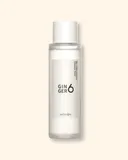
dAlbaWhite Truffle First Aromatic TonerYOUR PRODUCTGinger 6Like White Blossom Essence TonerTONYMOLYThe Black Tea London Classic TonerSUNGBOON EDITORDeep Collagen Barrier Serum Mist
Match—56%56%54%
Price—$22.00$24.39$16.22
Shared key ingredients—6 of 114 of 116 of 11
Key difference—Tripeptide-1NiacinamideTripeptide-1
Irritancy High Medium Medium Medium
Drying alcohol————
View product Shop Shop Shop

More alternatives: Anua PDRN Hyaluronic Acid Hydrating Capsule MistBANOBAGI Milk Thistle Repair Toner

Cheaper alternatives? See how this stacks up against similar formulas.
We compare ingredient profiles across our catalog — pick the closest match for your budget.
Open dupe finder

Product summary

"dAlba - Buy dAlba White Truffle First Aromatic Toner in Australia - Korean Skincare and Cosmetics" is effective for: Anti-aging and Exfoliation

This product could be helpful for: Moisturizing, but its actives are not the most effective or are not well-studied.

Ingredient callouts

  • Adenosine 0.10% - 0.40%. It is a chemical present inside our skin cells. A clinical trial confirmed that topical application of Adenosine in a low concentration can reduce dynamic wrinkles (these are the wrinkles that appear with age in a places where our mimic is the most active, for example, in the corners of the eyes or on the forehead).
  • Humectants (glycerin 0.10% - 0.40%, betaine 0.55% - 1.30% and hydroxyethyl urea 1.20% - 1.90%). These ingredients help attract water to the upper layer of the skin and improve the skin hydration.

Price

The product retails for 25.95A$ in Australia.

For a detailed price comparison: click here.

Sources cited in this review

Every concentration estimate and effectiveness label is anchored to one of these 37 studies and safety reviews.

  1. 1
  2. 2
  3. 3
    Vitamin E in dermatologyncbi.nlm.nih.gov
  4. 4
    Vitamin E and Skin Healthlpi.oregonstate.edu
  5. 5
  6. 6
dAlba White Truffle First Aromatic Toner
dAlbaWhite Truffle First Aromatic Toner

Affiliate links · As an Amazon Associate, WIMJ earns from qualifying purchases.

As an Amazon Associate, WIMJ earns from qualifying purchases.