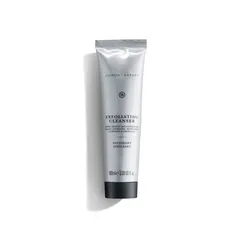
Works for:
based on ingredients and %- Cleansing
Doesn't work for:
based on ingredients and %- Exfoliation
- Anti-blemish
Can it cause trouble?
- Irritation risk: high
- Comedogenic risk ingredients: 3
Key actives

Cleansing
What does the product description say?
Exfoliating Cleanser
Source: Lookfantastic
This product works by removing dirt and oil from the surface of the skin. It uses a combination of mild cleansing agents (cera alba, cetearyl alcohol, glyceryl stearate, glyceryl stearate se, polyglyceryl-3 dicitrate/stearate, sodium stearoyl glutamate, xanthan gum) and should be able to cleanse the skin gently. Still keep in mind that any cleansing can disrupt the skin barrier, and most people do not need to cleanse their skin more than once per day.
Used to create a thicker product consistency
Helps oil and water mix together
Forms a protective barrier that holds water and keeps dry skin hydrated. Keeps an emulsion from separating into its oil and liquid components, and increases the thickness of a product. Can be an allergen
A non-drying alcohol. Works as an emollient. Helps water and oil mix together and creates a nice product texture
An emollient that softens the skin and forms a protective layer on its surface. Helps water and oil mix together
Used to stabilize the product formulations and works as an emollient
Anti-blemish
What does the product description say?
Combatting ingrown hair and blemishes, the cleanser uplifts facial hair, ensuring a painless shave.
Source: Mankind
Effective ingredients missing or their concentration is too low.
Exfoliation
What does the product description say?
Exfoliating Cleanser
Source: Lookfantastic
This product does not contain effective exfoliating ingredients. It might be able to deliver physical exfoliation, that is scrub off some of the dead cells on the surface of the skin. We do not recommend physical exfoliation, because it is not uniform (some bits of skin can get exfoliated too much while others not at all). It can also traumatize the skin and aggrevate acne and other skin conditions.
How honest is this product?
| Promise | Can it deliver? |
|---|---|
| Cleansing | |
| Exfoliation | |
| Anti-blemish |
Total Promises Fulfilled score: 33/100.
We receive a small commission for purchases made through these links at no cost for you. Thank you for your support! Learn more
Potential irritants
Comedogenic ingredients
User reviews (0)
Averages from community submissions.
No reviews yet for this product.
Be the first to share your experience!
Tried this product?
Help capture what the ingredient list can't—texture, finish, pilling, scent, and more. Answer what you can, skip the rest.
Takes ~30 seconds.
Reviews are shown in aggregate. No personal details.
| Product | Similarity | Price | Irritancy |
|---|---|---|---|
 Daimon Barber Exfoliating Cleanser | Current | ≈ $23.46 | |
 Yes to Avocado Fragrance-Free Daily Cream Cleanser | 38% | ≈ $9.34 | |
 Colleen Rothschild Beauty Purifying Cleanser | 37% | ≈ $104.97 | |
 JUMISO D-Panthenol Barrier Soothing Cleansing Milk | 36% | - | |
 Kate Somerville DeliKate™ Soothing Cleanser | 36% | $34.50 | |
 SEPHORA COLLECTION Cleansing Wipes - Coconut Water | 36% | - |
Key Actives
A non-drying alcohol. Works as an emollient. Helps water and oil mix together and creates a nice product texture
An emollient that softens the skin and forms a protective layer on its surface. Helps water and oil mix together
Used to stabilize the product formulations and works as an emollient
Forms a protective barrier that holds water and keeps dry skin hydrated. Keeps an emulsion from separating into its oil and liquid components, and increases the thickness of a product. Can be an allergen
A good mix of fatty acids that forms a protective layer on the skin. Improves the shelf life of products. Derived from coconut and glycerin
One of the best moisturizing ingredients. Naturally present in skin. It attracts water to the upper layer of the skin working as a humectant
Helps oil and water mix together
Used to create a thicker product consistency
Potential irritants
An aromatic blend of unspecified and possibly irritating ingredients
A complex substance produced by honey bees. Can have anti-bacterial and some anti-oxidant effect. Is an allergen and can be irritating
Can be drying and contribute to skin irritation. Used in formulars to dissolve other ingredients, create a thinner product consistency or for its antibacterial properties
A common frangrance that can easily irritate skin, especially if exposed to air, light or heat
A fragrance. Can trigger allergic reactions and be irritating
A good mix of fatty acids that forms a protective layer on the skin. Improves the shelf life of products. Derived from coconut and glycerin
Helps soften the upper layer of the skin and create a thicker product consistency
Forms a protective barrier that holds water and keeps dry skin hydrated. Keeps an emulsion from separating into its oil and liquid components, and increases the thickness of a product. Can be an allergen
A more stable but less bio-available form of vitamin E compared to Tocopherol. Might help moisturize and protect the skin from free radicals, but mostly used in low concentrations to stabilize other ingredients.
Comedogenic ingredients
Helps soften the upper layer of the skin and create a thicker product consistency
A non-drying alcohol. Works as an emollient. Helps water and oil mix together and creates a nice product texture
Used to stabilize the product formulations and works as an emollient
All ingredients
A good mix of fatty acids that forms a protective layer on the skin. Improves the shelf life of products. Derived from coconut and glycerin
Helps soften the upper layer of the skin and create a thicker product consistency
One of the best moisturizing ingredients. Naturally present in skin. It attracts water to the upper layer of the skin working as a humectant
A non-drying alcohol. Works as an emollient. Helps water and oil mix together and creates a nice product texture
An emollient that softens the skin and forms a protective layer on its surface. Helps water and oil mix together
Used to stabilize the product formulations and works as an emollient
A preservative. It helps prevent bacterial growth in cosmetic products
Forms a protective barrier that holds water and keeps dry skin hydrated. Keeps an emulsion from separating into its oil and liquid components, and increases the thickness of a product. Can be an allergen
An aromatic blend of unspecified and possibly irritating ingredients
A more stable but less bio-available form of vitamin E compared to Tocopherol. Might help moisturize and protect the skin from free radicals, but mostly used in low concentrations to stabilize other ingredients.
A complex substance produced by honey bees. Can have anti-bacterial and some anti-oxidant effect. Is an allergen and can be irritating
Can be drying and contribute to skin irritation. Used in formulars to dissolve other ingredients, create a thinner product consistency or for its antibacterial properties
A common frangrance that can easily irritate skin, especially if exposed to air, light or heat
A fragrance. Can trigger allergic reactions and be irritating
Ingredient list view
Water, Caprylic/capric triglyceride, Isopropyl palmitate, Glycerin, Cetearyl alcohol, Glyceryl stearate, Pumice, Glyceryl stearate se, Polyglyceryl-3 dicitrate/stearate, Phenoxyethanol, Cera alba, Mel, Parfum, Sodium stearoyl glutamate, Xanthan gum, Tocopheryl acetate, Chlorphenesin, Disodium edta, Ethylhexylglycerin, Propolis extract, Alcohol, Limonene, Butylphenyl methylpropional, Coumarin