Works for
2 of 2 advertised claims delivered
Moisturizing20 ingredients credited for this claimStrong support
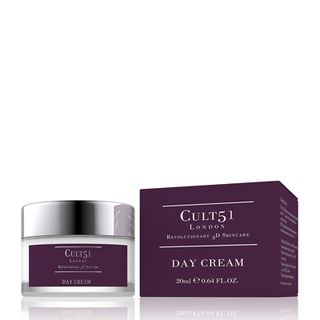
“Day Cream”
This product can help improve hydration of the skin with the two types of ingredients.
The first type is called “humectants”:
these ingredients help attract water.
When humectants are on the surface of the skin, they “pull in” the moisture from the outside environment, or from
within deeper layers of the skin. The following ingredients in this product do the job:
glycerin, sodium hyaluronate.
This product also contains ingredients called “occlusives”. They help reduce the speed with which our skin loses moisture to the outside environment. These ingredients also help soften the upper layer of the skin, so it feels less tight and nicer to the touch. The following ingredients in this product do the job: caprylic/capric triglyceride, dimethicone.
The following ingredients in this product are especially good for supporting the skin barrier and helping with the hydration level: dipeptide diaminobutyroyl benzylamide diacetate
Anti-aging4 ingredients credited for this claimModerate support
“A revolutionary 3D luxury day cream that goes beyond anti-ageing Cult 51 Day Cream.”
This product contains dipeptide diaminobutyroyl benzylamide diacetate. This ingredient might be able to help reduce and prevent fine lines and wrinkles, improve skin elasticity and firmness, but there is not enough evidence that it actually works.
Anti-oxidationNot advertised by the brand · 8 ingredients credited for this claimModerate support
This product contains antioxidants (punica granatum extract) that might be able to help neutralize free radicals in skin to lessen the damage it gets from the UV light (sun). There is not enough evidence to confirm their effectiveness in skin though.
Can it cause trouble?
Irritancy2 strong irritants: Parfum, Calendula officinalis flower extractMedium risk
Comedogenic5 ingredients rated 2 or more on the 0–5 pore-clogging scale5 flagged
User reviews
Be the first — your take helps the next person decide.
Ingredients
Filter by role to see what each ingredient is doing.
Water~45–55%
Glyceryl stearate se~4.7–5.8%
- Irritation risk
- Low
- Comedogenicity
- 2/5
Used to stabilize the product formulations and works as an emollient
More about Glyceryl stearate seGlycerin~4–4.9%
- Irritation risk
- Low
One of the best moisturizing ingredients. Naturally present in skin. It attracts water to the upper layer of the skin working as a humectant
More about GlycerinIsopropyl myristate~3.1–3.8%
- Irritation risk
- Low
- Comedogenicity
- 3/5
An emollient that helps soften the skin. Could be comedogenic
More about Isopropyl myristateDimethicone~2.4–3%
- Irritation risk
- Low
A silicone that helps to reduce water loss from the surface of the skin. Can temporarily "fill in" lines and wrinkles, absorb oil, and create a nice product finish
More about DimethiconeEthylhexyl methoxycinnamate~2.5–3.1%
- Irritation risk
- High
Octinoxate. When used in higher concentrations, works as a sunscreen protecting the skin from UVB rays. When used in lower concentration, helps to preserve the product formulation. Is shown to be harmful to coral reefs - consider avoiding bathing in coral reef areas when wearing a product with this ingredient. It can be irritating
More about Ethylhexyl methoxycinnamateCaprylic/capric triglyceride~1.7–2.1%
- Irritation risk
- Medium
A good mix of fatty acids that forms a protective layer on the skin. Improves the shelf life of products. Derived from coconut and glycerin
More about Caprylic/capric triglyceridePrunus persica kernel oil~1.4–1.8%
- Irritation risk
- Low
Cetearyl alcohol~1.2–1.5%
- Irritation risk
- Low
- Comedogenicity
- 2/5
A non-drying alcohol. Works as an emollient. Helps water and oil mix together and creates a nice product texture
More about Cetearyl alcoholFaex extract~0.9–1.1%
- Irritation risk
- Low
Yeast extract. Helps attract water to the upper layer of the skin
More about Faex extractSodium ascorbyl phosphate~0.65–1%
- Irritation risk
- Medium
A stable derivative of vitamin C. It is oil-soluble which means it is more likely to penetrate the skin compared to the pure form of vitamin C (which is water-soluble), but it is less bio-available and is way less effective in stimulating collagen and reducing wrinkles compared to the pure form of vitamin C (L-ascorbic acid) and its other derivatives (for example, magnesium ascorbyl phosphate). At the same time, this vitamin C derivative has been shown in studies to be effective in reducing acne, blemishes and clogged pores. It is less irritating then the pure form of vitamin C
More about Sodium ascorbyl phosphateCetearyl glucoside~0.55–0.85%
- Irritation risk
- Medium
Helps water and oil in the product mix well together and improves product texture
More about Cetearyl glucosideButylene glycol~0.5–0.75%
- Irritation risk
- Low
Used to create a nice product texture and help delivery of other ingredients. Might be somewhat helpful in attracting water to the upper layer of the skin
More about Butylene glycolSodium polyacrylate~0.5–0.75%
- Irritation risk
- Low
Used to create a gel-like product texture, as well as to stabilize emulsions
More about Sodium polyacrylateTocopheryl acetate~0.45–0.65%
- Irritation risk
- Medium
A more stable but less bio-available form of vitamin E compared to Tocopherol. Might help moisturize and protect the skin from free radicals, but mostly used in low concentrations to stabilize other ingredients.
More about Tocopheryl acetateCetearyl ethylhexanoate~0.45–0.7%
- Irritation risk
- Low
An emollient that helps soften the skin
More about Cetearyl ethylhexanoateBenzyl alcohol~0.35–0.6%
- Irritation risk
- High
A preservative. Can be used to mask unpleasant smell. Can be irritating
More about Benzyl alcoholPropylene glycol~0.3–0.6%
- Irritation risk
- High
Helps oil and water mix together and can enhance the penetration of other ingredients into the skin. It can be irritating
More about Propylene glycolCyclopentasiloxane~0.35–0.65%
- Irritation risk
- Low
A silicone that helps improve the product texture and spreadability. Can absorb oil creating a short-term mattifying effect on the skin
More about CyclopentasiloxaneParfum~0.25–0.5%
- Irritation risk
- High
An aromatic blend of unspecified and possibly irritating ingredients
More about ParfumXanthan gum~0.3–0.5%
- Irritation risk
- Low
Used to create a thicker product consistency
More about Xanthan gumTrideceth-6~0.25–0.5%
Pyrus malus fruit extract~0.25–0.45%
- Irritation risk
- Medium
Can have some moisturizing properties due to its sugar content
More about Pyrus malus fruit extractPunica granatum extract~0.25–0.45%
- Irritation risk
- Medium
A plant extract that can help neutralize free radicals in skin and even out the skin tone, but is typically used in products in a concentration that is too low to be effective
More about Punica granatum extractPanthenol~0.25–0.45%
- Irritation risk
- Low
Helps attract water to the upper layer of the skin and can help improve skin barrier function
More about PanthenolJuglans regia seed extract~0.25–0.45%
- Irritation risk
- Low
Phenoxyethanol~0.25–0.45%
- Irritation risk
- Low
A preservative. It helps prevent bacterial growth in cosmetic products
More about PhenoxyethanolSodium hyaluronate~0.25–0.45%
- Irritation risk
- Low
One of the best moisturizing ingredients. Attracts water into the upper layer of the skin
More about Sodium hyaluronateCassia angustifolia seed polysaccharide~0.25–0.45%
- Irritation risk
- Medium
Helps attract water to the upper layer of the skin. Is sometimes referred to as "natural" hyaluronic acid (even though hyaluronic acid is not unnatural and is present in human skin)
More about Cassia angustifolia seed polysaccharideDehydroacetic acid~0.25–0.45%
Escin~0.25–0.45%
- Irritation risk
- High
A compound obtained from horse chestnut. It is claimed that this chemical can improve circulation, but there is no evidence available that it works in skin
More about EscinPectin~0.25–0.45%
- Irritation risk
- Low
Chlorella vulgaris/lupinus albus protein ferment~0.25–0.45%
- Irritation risk
- Low
- Comedogenicity
- 2/5
Citric acid~0.25–0.45%
- Irritation risk
- Medium
Can work as an exfoliant but is typically used to adjust the product pH
More about Citric acidPeg/ppg-18/18 dimethicone~0.25–0.5%
- Irritation risk
- Low
A silicone that mixes with water creating nice light-weight product texture
More about Peg/ppg-18/18 dimethiconeGlycyrrhiza glabra root extract~0.2–0.4%
- Irritation risk
- Medium
A plant extract that can help lighten the skin and calm down inflammation. Might be helpful in neutralizing free radicals
More about Glycyrrhiza glabra root extractLaminaria japonica extract~0.25–0.45%
- Irritation risk
- Low
- Comedogenicity
- 3/5
Seaweed extract that might help to attract water to the upper layer of the skin and have some anti-oxidant properties
More about Laminaria japonica extractRuscus aculeatus root extract~0.2–0.4%
- Irritation risk
- Low
Dipeptide diaminobutyroyl benzylamide diacetate~0.25–0.45%
- Irritation risk
- Low
A type of peptide. Peptides are excellent moisturizers and might be able support collagen production reducing fine lines and wrinkles
More about Dipeptide diaminobutyroyl benzylamide diacetateAmmonium glycyrrhizate~0.2–0.4%
- Irritation risk
- Low
Centella asiatica extract~0.25–0.5%
- Irritation risk
- Medium
A plant extract that has been shown to be able to reduce inflammation in skin, support restoration of skin barrier function, as well as support collagen production. Contains active compounds called centelloids: asiaticoside, madecasosside, asiatic acid and madecassic acid. Might be helpful in preventing stretch marks. It can be itself be irritating though.
More about Centella asiatica extractAloe barbadensis leaf juice~0.2–0.4%
- Irritation risk
- Medium
Traditionally used to treat sunburns, dermatitis and inflammation, but evidence for its effectiveness is lacking. The extract can contain humectants that help attract water into the skin
More about Aloe barbadensis leaf juiceHydroxyethylcellulose~0.2–0.4%
- Irritation risk
- Low
Used to thicken product formulations and create gel-like textures
More about HydroxyethylcelluloseHydrolyzed yeast protein~0.2–0.35%
- Irritation risk
- Low
Calendula officinalis flower extract~0.15–0.25%
- Irritation risk
- High
A plant extract that has some anti-oxidant and anti-bacterial properties. Can be irritating
More about Calendula officinalis flower extractSodium metabisulfite~0.1–0.2%
Sodium benzoate~0.15–0.25%
Cyclotetrasiloxane~0.2–0.35%
- Irritation risk
- Low
Disodium edta~0.05–0.1%
Potassium sorbate~0.15–0.25%
Ingredient list view
Water, Glyceryl stearate se, Glycerin, Isopropyl myristate, Dimethicone, Ethylhexyl methoxycinnamate, Caprylic/capric triglyceride, Prunus persica kernel oil, Cetearyl alcohol, Faex extract, Sodium ascorbyl phosphate, Cetearyl glucoside, Butylene glycol, Sodium polyacrylate, Tocopheryl acetate, Cetearyl ethylhexanoate, Benzyl alcohol, Propylene glycol, Cyclopentasiloxane, Parfum, Xanthan gum, Trideceth-6, Pyrus malus fruit extract, Punica granatum extract, Panthenol, Juglans regia seed extract, Phenoxyethanol, Sodium hyaluronate, Cassia angustifolia seed polysaccharide, Dehydroacetic acid, Escin, Pectin, Chlorella vulgaris/lupinus albus protein ferment, Citric acid, Peg/ppg-18/18 dimethicone, Glycyrrhiza glabra root extract, Laminaria japonica extract, Ruscus aculeatus root extract, Dipeptide diaminobutyroyl benzylamide diacetate, Ammonium glycyrrhizate, Centella asiatica extract, Aloe barbadensis leaf juice, Hydroxyethylcellulose, Hydrolyzed yeast protein, Calendula officinalis flower extract, Sodium metabisulfite, Sodium benzoate, Cyclotetrasiloxane, Disodium edta, Potassium sorbate
Compare prices
Retailers ranked by price — lowest first.
Affiliate links · prices updated regularly · As an Amazon Associate, WIMJ earns from qualifying purchases.
Worth comparing, line by line.
Match % combines shared ingredients, the first five ingredients, shared actives and hero ingredients, irritancy (lower counts in the alternative's favour), texture and body area. Only products in the same routine step are compared.
| CULT51Day CreamYOUR PRODUCT | OlayAnti-Aging Face Moisturizer Fragrance-Free | |
|---|---|---|
| Match | — | 51% |
| Price | $42.31 | $13.21−$29.10 |
| Shared key ingredients | — | 4 of 17 |
| Key difference | — | Niacinamide |
| Irritancy | Medium | Low |
| Drying alcohol | — | — |
| View product | Shop |

Product summary
"CULT51 - Day Cream" has a good moisturizing formula. As we expect from a proper moisturizer, the formula includes a combo of effective humectants and emollients. These are the two different types of ingredients that are essential for improving the skin hydration and supporting a healthy skin barrier. Glycerin, sodium hyaluronate, butylene glycol and propylene glycol in this product (humectants) attract water molecules to the upper layer of the skin (the water comes from the outside air or from the deeper layers of the skin if the air is dry). Emollients in this formulation (isopropyl myristate, caprylic/capric triglyceride, dimethicone, cetearyl alcohol and cyclopentasiloxane) help to reduce the moisture loss from the skin. They also soften the skin surface and relieve the feeling of dryness and tightness.
Ingredient callouts
- This moisturizer also contains Peptides (dipeptide diaminobutyroyl benzylamide diacetate 0.25% - 0.45%). Peptides are a very big group of ingredients. They all consist of a different combination of aminoacids. Our skin produces Peptides naturally. Some of them work as natural antibiotics, promote wound-healing and production of collagen. The scientists are still studying how effective the topical application of Peptides is, but it is very likely that they are helpful. Peptides might be able to support skin barrier restoration and even have an anti-aging benefit. At the very least, they certainly help attract water to the skin and support the hydration in this way.
Irritation risk
There are quite a few common irritants in this product, including ingredients without particular skin benefits. We would not recommend it for sensitive skin. We assess the overall irritancy of this moisturizer to be medium. For a detailed overview of all potential irritants: click here
You can see the detailed formula review with the breakdown of all actives in the product and the full ingredient list with estimated concentrations in the tables below.
Price
The product retails for 56.00CA$ in Canada and from 32.00£ up to 100.00£ in the United Kingdom.
For a detailed price comparison: click here.
Sources cited in this review
Every concentration estimate and effectiveness label is anchored to one of these 36 studies and safety reviews.
- 1
- 2
- 3Final Report on the Safety Assessment of Dimethicone Copolyoljournals.sagepub.com
- 4
- 5Sodium ascorbyl phosphate in topical microemulsionssciencedirect.com
- 6

Affiliate links · As an Amazon Associate, WIMJ earns from qualifying purchases.