Works for:
based on ingredients and %- Cleansing
Can it cause trouble?
- Irritation risk: high
- Comedogenic risk ingredients: 0
Key actives

Works for
Cleansing
What does the product description say?
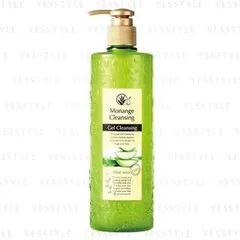
Product name: Monange Cleansing Gel
Source: Yesstyle
This product works by removing dirt and oil from the surface of the skin.
Keep in mind that cleansing can disrupt the skin barrier, and most people do not need to cleanse their skin more than once per day.
Helps create a thicker or gel-like product texture. It is not a surfactant but can be used in gentle cleansing formulations
Helps oil and water mix together
Helps oils and water mix together and works as a cleansing agent
How honest is this product?
| Promise | Can it deliver? |
|---|---|
| Cleansing |
Total Promises Fulfilled score: 75/100.
We receive a small commission for purchases made through these links at no cost for you. Thank you for your support! Learn more
Potential irritants
Comedogenic ingredients
No comedogenic ingredients detected
User reviews (0)
Averages from community submissions.
No reviews yet for this product.
Be the first to share your experience!
Tried this product?
Help capture what the ingredient list can't—texture, finish, pilling, scent, and more. Answer what you can, skip the rest.
Takes ~30 seconds.
Reviews are shown in aggregate. No personal details.
Key Actives
Can contain potent anti-oxidant compounds (abbreviated ECG, GCG, EGC, and EGCG) that might help protect the skin from free radicals. Can help calm down inflammation and has some anti-bacterial properties. Unfortunately, these antioxidants are unstable and lose their effectiveness very quickly in products. The concentration of the antioxidant compounds in the extract also tends to be low to be effective in topical formulation
Beta-arbutin. Can help to reduce hyperpigmentation and has an anti-oxidant effect when used in high enough concentration. Is less effective compared to alpha-arbutin
Helps oils and water mix together and works as a cleansing agent
One of the best moisturizing ingredients. Naturally present in skin. It attracts water to the upper layer of the skin working as a humectant
A typically plant-derived compound that is supposed mimic human collagen. Cannot penetrate the skin barrier so is not particularly useful in skincare products beyond attracting water to the upper layer of the skin
Helps create a thicker or gel-like product texture. It is not a surfactant but can be used in gentle cleansing formulations
Helps oil and water mix together
Potential irritants
Used as a fragrance. Can be irritating and cause photosensitivity
A plant extract that can contain an irritating essential oil. Might have some anti-oxidant effect, but evidence is lacking
A plant extract that can help calm down inflammation in skin. Can, however, itself be irritating
A plant extract that might have some anti-oxidant properties. It might be irritating
Can be drying and contribute to skin irritation. Used in formulars to dissolve other ingredients, create a thinner product consistency or for its antibacterial properties
Helps oils and water mix together and works as a cleansing agent
Beta-arbutin. Can help to reduce hyperpigmentation and has an anti-oxidant effect when used in high enough concentration. Is less effective compared to alpha-arbutin
A plant extract that can help lighten the skin and calm down inflammation. Might be helpful in neutralizing free radicals
A plant extract that might have an antioxidant effect and help attract water to the upper layer of the skin
Can have some moisturizing properties due to its sugar content
Traditionally used to treat sunburns, dermatitis and inflammation, but evidence for its effectiveness is lacking. The extract can contain humectants that help attract water into the skin
An exfoliating and moisturizing alpha-hydroxy acid (AHA). Typically causes less irritation than other AHAs, for example, glycolic acid. At high concentrations (about 15%), lactic acid can help reduce lines and wrinkles. Recent studies show that lactic acid can support the "good" bacteria living on skin's surface (healthy skin microbiome)
Can work as an exfoliant but is typically used to adjust the product pH
Being a lipid soluble form of vitamin C, it is more stable than ascorbic acid, but still degrades quickly and needs to be stabilized in a formulation with another ingredient. It is claimed to penetrate skin better than pure vitamin C and have the the similar benefits, but solid studies of its effectiveness are lacking. Is likely to require a higher concentration in a product than pure vitamin C to be effective. It might be able to help reduce pore clogging.
Comedogenic ingredients
We couldn't find any comedogenic ingredients in this product
All ingredients
Helps to dissolve other ingredients in a formulation. Slows down the rate of product drying
Helps oils and water mix together and works as a cleansing agent
One of the best moisturizing ingredients. Naturally present in skin. It attracts water to the upper layer of the skin working as a humectant
Helps absorb oil (for the time of application) and creates a thicker product consistency
Beta-arbutin. Can help to reduce hyperpigmentation and has an anti-oxidant effect when used in high enough concentration. Is less effective compared to alpha-arbutin
A plant extract that can help lighten the skin and calm down inflammation. Might be helpful in neutralizing free radicals
Carrot extract. Might have anti-oxidant properties and be used to add orange color
Used as a fragrance. Can be irritating and cause photosensitivity
A plant extract that might have an antioxidant effect and help attract water to the upper layer of the skin
Can have some moisturizing properties due to its sugar content
A plant extract that can contain an irritating essential oil. Might have some anti-oxidant effect, but evidence is lacking
Traditionally used to treat sunburns, dermatitis and inflammation, but evidence for its effectiveness is lacking. The extract can contain humectants that help attract water into the skin
A plant extract that can help calm down inflammation in skin. Can, however, itself be irritating
Can contain potent anti-oxidant compounds (abbreviated ECG, GCG, EGC, and EGCG) that might help protect the skin from free radicals. Can help calm down inflammation and has some anti-bacterial properties. Unfortunately, these antioxidants are unstable and lose their effectiveness very quickly in products. The concentration of the antioxidant compounds in the extract also tends to be low to be effective in topical formulation
A plant extract that might have some anti-oxidant properties. It might be irritating
A typically plant-derived compound that is supposed mimic human collagen. Cannot penetrate the skin barrier so is not particularly useful in skincare products beyond attracting water to the upper layer of the skin
Helps create a thicker or gel-like product texture. It is not a surfactant but can be used in gentle cleansing formulations
Used to create a nice product texture and help delivery of other ingredients. Might be somewhat helpful in attracting water to the upper layer of the skin
Can be drying and contribute to skin irritation. Used in formulars to dissolve other ingredients, create a thinner product consistency or for its antibacterial properties
An exfoliating and moisturizing alpha-hydroxy acid (AHA). Typically causes less irritation than other AHAs, for example, glycolic acid. At high concentrations (about 15%), lactic acid can help reduce lines and wrinkles. Recent studies show that lactic acid can support the "good" bacteria living on skin's surface (healthy skin microbiome)
Can work as an exfoliant but is typically used to adjust the product pH
Being a lipid soluble form of vitamin C, it is more stable than ascorbic acid, but still degrades quickly and needs to be stabilized in a formulation with another ingredient. It is claimed to penetrate skin better than pure vitamin C and have the the similar benefits, but solid studies of its effectiveness are lacking. Is likely to require a higher concentration in a product than pure vitamin C to be effective. It might be able to help reduce pore clogging.
A preservative. It helps prevent bacterial growth in cosmetic products
Ingredient list view
Water, Dipropylene glycol, Peg-7 glyceryl cocoate, Glycerin, Moroccan lava clay, Arbutin, Glycyrrhiza glabra root extract, Daucus carota sativa root extract, Citrus limon fruit extract, Unknown, Salvia officinalis leaf extract, Simmondsia chinensis leaf extract, Pyrus malus fruit extract, Unknown, Zingiber officinale root extract, Aloe barbadensis leaf extract, Hamamelis virginiana leaf extract, Camellia sinensis leaf extract, Cynara scolymus leaf extract, Soluble collagen, Sodium bicarbonate, Carbomer, Peg-40 hydrogenated castor oil, Butylene glycol, Alcohol, Sodium hydroxide, Lactic acid, Citric acid, Malic acid, Tetrahexyldecyl ascorbate, Disodium edta, Phenoxyethanol, Methylparaben
- Glycerol and the skin: holistic approach to its origin and functions
- Arbutin - Commentaty
- TOPICAL TREATMENT OF MELASMA
- Safety Assessment of Citrus-Derived Peel Oils as Used in Cosmetics
- Allergic contact dermatitis caused by Salvia officinalis extract
- Dermatology News Commentary: Jojoba
- Jojoba in dermatology: A succinct review
- Some phytochemical, pharmacological and toxicological properties of ginger (Zingiber officinale Roscoe): A review of recent research
- Amended Safety Assessment of PEGylated Oils as Used in Cosmetics
- Epidermal and dermal effects of topical lactic acid
- Dual Effects of Alpha-Hydroxy Acids on the Skin
- Double-blind, half-face study comparing topical vitamin C and vehicle for rejuvenation of photodamage
- Application of tetra-isopalmitoyl ascorbic acid in cosmetic formulations: Stability studies and in vivo efficacy