Works for:
based on ingredients and %- Moisturizing
Can it cause trouble?
- Irritation risk: medium
- Comedogenic risk ingredients: 3
Key actives
Works for
Moisturizing
What does the product description say?
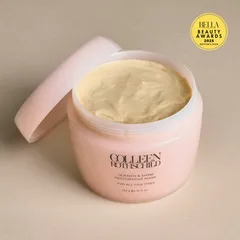
hydrates, conditions and strengthens hair without weighing it down
Source: Colleen Rothschild Beauty
This product can help improve hydration of the skin with the two types of ingredients.
The first type is called “humectants”:
these ingredients help attract water.
When humectants are on the surface of the skin, they “pull in” the moisture from the outside environment, or from
within deeper layers of the skin. The following ingredients in this product do the job:
glycerin.
This product also contains ingredients called “occlusives”. They help reduce the speed with which our skin loses moisture to the outside environment. These ingredients also help soften the upper layer of the skin, so it feels less tight and nicer to the touch. The following ingredients in this product do the job: dimethicone, plukenetia volubilis seed oil.
The following ingredients in this product are especially good for supporting the skin barrier and helping with the hydration level: panthenol
Helps attract water to the upper layer of the skin and can help improve skin barrier function
A plant oil that works as a good moisturizer by softening the upper layer of the skin. Might be helpful in reducing inflammation in skin and reducing blemishes due to the large content of linoleic acid
Helps soften the upper layer of the skin and might as well help to attract moisture to its upper layer
A silicone that helps to reduce water loss from the surface of the skin. Can temporarily "fill in" lines and wrinkles, absorb oil, and create a nice product finish
One of the best moisturizing ingredients. Naturally present in skin. It attracts water to the upper layer of the skin working as a humectant
Helps soften the upper layer of the skin. It mostly contains oleic acid which is not the most effective emollient to prevent water loss, but might have an anti-inflammatory effect
A non-drying alcohol. Works as an emollient. Helps water and oil mix together and creates a nice product texture
An emollient that helps soften the skin and is used to improve product texture and stability
Non-drying alcohol that helps water and oil mix together. Also serves as an emollient
A plant oil that helps soften the upper layer of the skin. Is unlikely to be helpful in restoring skin barrier function due to the low content of linoleic acid
An emollient that helps soften the upper layer of the skin. Might have some weak anti-oxidant properties
A great moisturising ingredient that softens the skin and reduces water loss from its upper layer. It also can be helpful in protecting skin from free radicals
An exfoliating and moisturizing alpha-hydroxy acid (AHA). Typically causes less irritation than other AHAs, for example, glycolic acid. At high concentrations (about 15%), lactic acid can help reduce lines and wrinkles. Recent studies show that lactic acid can support the "good" bacteria living on skin's surface (healthy skin microbiome)
Pure form of vitamin E. Can help moisturise and protect the skin from free radicals. Often used to help stabilise other ingredients or the formula itself
How honest is this product?
| Promise | Can it deliver? |
|---|---|
| Moisturizing |
Total Promises Fulfilled score: 100/100.
We receive a small commission for purchases made through these links at no cost for you. Thank you for your support! Learn more
Affiliate link · supports WIMJ at no cost to you
Potential irritants
Comedogenic ingredients
User reviews (0)
Averages from community submissions.
No reviews yet for this product.
Be the first to share your experience!
Tried this product?
Help capture what the ingredient list can't—texture, finish, pilling, scent, and more. Answer what you can, skip the rest.
Takes ~30 seconds.
Reviews are shown in aggregate. No personal details.
Key Actives
Pure form of vitamin E. Can help moisturise and protect the skin from free radicals. Often used to help stabilise other ingredients or the formula itself
Helps attract water to the upper layer of the skin and can help improve skin barrier function
A great moisturising ingredient that softens the skin and reduces water loss from its upper layer. It also can be helpful in protecting skin from free radicals
A silicone that helps to reduce water loss from the surface of the skin. Can temporarily "fill in" lines and wrinkles, absorb oil, and create a nice product finish
An emollient that helps soften the upper layer of the skin. Might have some weak anti-oxidant properties
Helps soften the upper layer of the skin and might as well help to attract moisture to its upper layer
A plant oil that works as a good moisturizer by softening the upper layer of the skin. Might be helpful in reducing inflammation in skin and reducing blemishes due to the large content of linoleic acid
One of the best moisturizing ingredients. Naturally present in skin. It attracts water to the upper layer of the skin working as a humectant
Potential irritants
An aromatic blend of unspecified and possibly irritating ingredients
Helps soften the upper layer of the skin and might as well help to attract moisture to its upper layer
An emollient that helps soften the upper layer of the skin. Might have some weak anti-oxidant properties
A plant oil that helps soften the upper layer of the skin. Is unlikely to be helpful in restoring skin barrier function due to the low content of linoleic acid
An exfoliating and moisturizing alpha-hydroxy acid (AHA). Typically causes less irritation than other AHAs, for example, glycolic acid. At high concentrations (about 15%), lactic acid can help reduce lines and wrinkles. Recent studies show that lactic acid can support the "good" bacteria living on skin's surface (healthy skin microbiome)
Comedogenic ingredients
A non-drying alcohol. Works as an emollient. Helps water and oil mix together and creates a nice product texture
A great moisturising ingredient that softens the skin and reduces water loss from its upper layer. It also can be helpful in protecting skin from free radicals
All ingredients
Non-drying alcohol that helps water and oil mix together. Also serves as an emollient
A non-drying alcohol. Works as an emollient. Helps water and oil mix together and creates a nice product texture
A silicone that helps to reduce water loss from the surface of the skin. Can temporarily "fill in" lines and wrinkles, absorb oil, and create a nice product finish
An emollient that helps soften the skin and is used to improve product texture and stability
Helps attract water to the upper layer of the skin and can help improve skin barrier function
A great moisturising ingredient that softens the skin and reduces water loss from its upper layer. It also can be helpful in protecting skin from free radicals
Helps soften the upper layer of the skin. It mostly contains oleic acid which is not the most effective emollient to prevent water loss, but might have an anti-inflammatory effect
Helps soften the upper layer of the skin and might as well help to attract moisture to its upper layer
An emollient that helps soften the upper layer of the skin. Might have some weak anti-oxidant properties
A plant oil that works as a good moisturizer by softening the upper layer of the skin. Might be helpful in reducing inflammation in skin and reducing blemishes due to the large content of linoleic acid
A plant oil that helps soften the upper layer of the skin. Is unlikely to be helpful in restoring skin barrier function due to the low content of linoleic acid
Pure form of vitamin E. Can help moisturise and protect the skin from free radicals. Often used to help stabilise other ingredients or the formula itself
A preservative. It helps prevent bacterial growth in cosmetic products
One of the best moisturizing ingredients. Naturally present in skin. It attracts water to the upper layer of the skin working as a humectant
An exfoliating and moisturizing alpha-hydroxy acid (AHA). Typically causes less irritation than other AHAs, for example, glycolic acid. At high concentrations (about 15%), lactic acid can help reduce lines and wrinkles. Recent studies show that lactic acid can support the "good" bacteria living on skin's surface (healthy skin microbiome)
An aromatic blend of unspecified and possibly irritating ingredients
Ingredient list view
Water, Behenyl alcohol, Cocamide mea, Cetearyl alcohol, Dimethicone, Stearamidopropyl dimethylamine, Cetyl palmitate, Behentrimonium chloride, Panthenol, Butyrospermum parkii butter, Garcinia indica seed butter, Theobroma grandiflorum seed butter, Platonia insignis seed butter, Argania spinosa kernel oil, Plukenetia volubilis seed oil, Moringa oleifera seed oil, Tocopherol, Cetrimonium chloride, Phenoxyethanol, Glycerin, Lactic acid, Parfum, Amodimethicone, Disodium edta, Ci 19140, Ci 15985, Ci 16035, Ci 42090
- Dimethicone as a protective ingredient in topical medications
- Final Report on the Safety Assessment of Dimethicone Copolyol
- Skin moisturizing effects of panthenol-based formulations
- Safety Assessment of Panthenol, Pantothenic Acid, and Derivatives as Used in Cosmetics
- TECHNICAL DATA SHEET KOKUM FAT
- Advanced Skin Care – A Novel Ingredient
- Natural vegetable fats in the prevention of irritant contact dermatitis
- Chemical composition of Sacha Inchi ( Plukenetia volubilis L.) seeds and characteristics of their lipid fraction
- Moringa oleifera seed oil: Composition, nutritional aspects and health attributes
- Moringa oleifera Seeds and Oil: Characteristics and Uses for Human Health
- Vitamin E in dermatology
- Vitamin E and Skin Health
- Glycerol and the skin: holistic approach to its origin and functions
- Epidermal and dermal effects of topical lactic acid
- Dual Effects of Alpha-Hydroxy Acids on the Skin
- Analysis of Dyes in Cosmetics: Challenges and Recent Developments