Works for:
based on ingredients and %- Moisturizing
Can it cause trouble?
- Irritation risk: high
- Comedogenic risk ingredients: 3
Key actives

Works for
Moisturizing
What does the product description say?
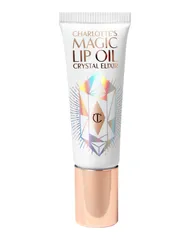
Combining the benefits of a lip plumper and a skincare product in one, this hybrid treatment works swiftly to moisturise and refine the mouth.
Source: SpaceNK EU
This product can help improve hydration of the skin with the two types of ingredients.
The first type is called “humectants”:
these ingredients help attract water.
When humectants are on the surface of the skin, they “pull in” the moisture from the outside environment, or from
within deeper layers of the skin. The following ingredients in this product do the job:
glycerin, sodium hyaluronate.
This product also contains ingredients called “occlusives”. They help reduce the speed with which our skin loses moisture to the outside environment. These ingredients also help soften the upper layer of the skin, so it feels less tight and nicer to the touch. The following ingredients in this product do the job: caprylic/capric triglyceride, helianthus annuus seed oil.
Helps soften the upper layer of the skin
A good mix of fatty acids that forms a protective layer on the skin. Improves the shelf life of products. Derived from coconut and glycerin
One of the best moisturizing ingredients. Naturally present in skin. It attracts water to the upper layer of the skin working as a humectant
A great emollient due to its high linoleic acid content. One of the most effective plant oils in helping skin hydration and repairing skin barrier function
An emollient that helps soften the skin. Could be comedogenic
Helps soften the upper layer of the skin and can support skin barrier function
One of the best moisturizing ingredients. Attracts water into the upper layer of the skin
Helps soften the upper layer of the skin
Helps soften the skin and attract water to its upper layer. Helps create nice product texture
Helps soften the upper layer of the skin and create a thicker product consistency
Used to improve the product consistency and soften the upper layer of the skin
An emollient that does not leave a greasy finish
A great emollient. Contains vitamin E (tocopherol) which may give it some anti-oxidant properties. Can contain volatile compounds and can be irritating
Traditionally used to treat sunburns, dermatitis and inflammation, but evidence for its effectiveness is lacking. The extract can contain humectants that help attract water into the skin
Used mostly for creating emulsions - helping oil and water mix together. Helps soften the upper layer of the skin
Pure form of vitamin E. Can help moisturise and protect the skin from free radicals. Often used to help stabilise other ingredients or the formula itself
How honest is this product?
| Promise | Can it deliver? |
|---|---|
| Moisturizing |
Total Promises Fulfilled score: 75/100.
We receive a small commission for purchases made through these links at no cost for you. Thank you for your support! Learn more
Potential irritants
Comedogenic ingredients
User reviews (0)
Averages from community submissions.
No reviews yet for this product.
Be the first to share your experience!
Tried this product?
Help capture what the ingredient list can't—texture, finish, pilling, scent, and more. Answer what you can, skip the rest.
Takes ~30 seconds.
Reviews are shown in aggregate. No personal details.
Key Actives
Helps soften the upper layer of the skin and can support skin barrier function
An emollient that does not leave a greasy finish
A great emollient. Contains vitamin E (tocopherol) which may give it some anti-oxidant properties. Can contain volatile compounds and can be irritating
A great emollient due to its high linoleic acid content. One of the most effective plant oils in helping skin hydration and repairing skin barrier function
A good mix of fatty acids that forms a protective layer on the skin. Improves the shelf life of products. Derived from coconut and glycerin
An emollient that helps soften the skin. Could be comedogenic
One of the best moisturizing ingredients. Naturally present in skin. It attracts water to the upper layer of the skin working as a humectant
One of the best moisturizing ingredients. Attracts water into the upper layer of the skin
Potential irritants
Used to add a nice smell to the product. Can be irritating
A common frangrance that can easily irritate skin, especially if exposed to air, light or heat
Used to create a thicker product consistency
A good mix of fatty acids that forms a protective layer on the skin. Improves the shelf life of products. Derived from coconut and glycerin
Helps soften the upper layer of the skin and create a thicker product consistency
An emollient that does not leave a greasy finish
Helps soften the upper layer of the skin and can support skin barrier function
A berry extract that might help neutralize free radicals on the surface of the skin
A great emollient. Contains vitamin E (tocopherol) which may give it some anti-oxidant properties. Can contain volatile compounds and can be irritating
Traditionally used to treat sunburns, dermatitis and inflammation, but evidence for its effectiveness is lacking. The extract can contain humectants that help attract water into the skin
A more stable but less bio-available form of vitamin E compared to Tocopherol. Might help moisturize and protect the skin from free radicals, but mostly used in low concentrations to stabilize other ingredients.
A plant extract that can have an anti-bacterial and anti-inflammatory effect, but evidence of effectiveness is lacking
Being a lipid soluble form of vitamin C, it is more stable and can penetrate the skin better than L-Ascorbic acid. It is effective in protecting the skin from free radicals, as well as evening the skin tone, but is less effective in stimulating collagen production compared to L-Ascorbic acid.
Being a lipid soluble form of vitamin C, it is more stable than ascorbic acid, but still degrades quickly and needs to be stabilized in a formulation with another ingredient. It is claimed to penetrate skin better than pure vitamin C and have the the similar benefits, but solid studies of its effectiveness are lacking. Is likely to require a higher concentration in a product than pure vitamin C to be effective. It might be able to help reduce pore clogging.
Can work as an exfoliant but is typically used to adjust the product pH
Comedogenic ingredients
An emollient that helps soften the skin. Could be comedogenic
Helps soften the upper layer of the skin and create a thicker product consistency
All ingredients
Helps soften the upper layer of the skin
Used to create a thicker product consistency
A great emollient due to its high linoleic acid content. One of the most effective plant oils in helping skin hydration and repairing skin barrier function
Used to improve the product consistency and soften the upper layer of the skin
A good mix of fatty acids that forms a protective layer on the skin. Improves the shelf life of products. Derived from coconut and glycerin
An emollient that helps soften the skin. Could be comedogenic
Helps soften the upper layer of the skin and create a thicker product consistency
An emollient that does not leave a greasy finish
Helps soften the upper layer of the skin and can support skin barrier function
One of the best moisturizing ingredients. Naturally present in skin. It attracts water to the upper layer of the skin working as a humectant
Helps soften the skin and attract water to its upper layer. Helps create nice product texture
Used mostly for creating emulsions - helping oil and water mix together. Helps soften the upper layer of the skin
A berry extract that might help neutralize free radicals on the surface of the skin
Used to create a gel-like product texture
Used to create a thicker product consistency
One of the best moisturizing ingredients. Attracts water into the upper layer of the skin
Used to add a nice smell to the product. Can be irritating
A great emollient. Contains vitamin E (tocopherol) which may give it some anti-oxidant properties. Can contain volatile compounds and can be irritating
Traditionally used to treat sunburns, dermatitis and inflammation, but evidence for its effectiveness is lacking. The extract can contain humectants that help attract water into the skin
A more stable but less bio-available form of vitamin E compared to Tocopherol. Might help moisturize and protect the skin from free radicals, but mostly used in low concentrations to stabilize other ingredients.
A plant extract that can have an anti-bacterial and anti-inflammatory effect, but evidence of effectiveness is lacking
Pure form of vitamin E. Can help moisturise and protect the skin from free radicals. Often used to help stabilise other ingredients or the formula itself
Being a lipid soluble form of vitamin C, it is more stable and can penetrate the skin better than L-Ascorbic acid. It is effective in protecting the skin from free radicals, as well as evening the skin tone, but is less effective in stimulating collagen production compared to L-Ascorbic acid.
Being a lipid soluble form of vitamin C, it is more stable than ascorbic acid, but still degrades quickly and needs to be stabilized in a formulation with another ingredient. It is claimed to penetrate skin better than pure vitamin C and have the the similar benefits, but solid studies of its effectiveness are lacking. Is likely to require a higher concentration in a product than pure vitamin C to be effective. It might be able to help reduce pore clogging.
Can work as an exfoliant but is typically used to adjust the product pH
A common frangrance that can easily irritate skin, especially if exposed to air, light or heat
Ingredient list view
Oleic/linoleic/linolenic polyglycerides, Pentaerythrityl tetraisostearate, Helianthus annuus seed oil, Hydrogenated polyisobutene, Caprylic/capric triglyceride, Triethyl citrate, Isopropyl myristate, Isopropyl palmitate, Camellia oleifera seed oil, Butyrospermum parkii oil, Ethyl vanillin, Oenothera biennis oil, Myrothamnus flabellifolia leaf extract, Glycerin, Silica dimethyl silylate, C10-18 triglycerides, Lecithin, Schisandra chinensis fruit extract, Butylene/ethylene/styrene copolymer, Ethylene/propylene/styrene copolymer, Sodium hyaluronate, Plumeria alba flower extract, Plumeria rubra flower extract, Rosa canina fruit oil, Triolein, Aloe barbadensis leaf extract, Saussurea involucrata callus extract, Tocopheryl acetate, Amethyst powder, Moonstone powder, Quartz powder, Ruby powder, Water, Citrus limon peel oil, Swertia chirata extract, Glyceryl dioleate, Tocopherol, Rhododendron ferrugineum extract, Solanum tuberosum pulp extract, Bht, Ascorbyl palmitate, Tetrahexyldecyl ascorbate, Citric acid, Limonene, Citral, Linalool
- Safety Assessment of Pentaerythrityl Tetraesters as Used in Cosmetics
- Effect of Olive and Sunflower Seed Oil on the Adult Skin Barrier: Implications for Neonatal Skin Care
- Topically Applied Sunflower Seed Oil Prevents Invasive Bacterial Infections in Preterm Infants in Egypt
- Effect of topically applied lipids on surfactant-irritated skin
- Impact of topical oils on the skin barrier: possible implications for neonatal health in developing countries
- Final report of the cosmetic ingredient review expert panel on the safety assessment of Polyisobutene and Hydrogenated Polyisobutene as used in cosmetics
- Citric Acid, Inorganic Citrate Salts and Alkyl Citrate Esters As Used in Cosmetics
- Final Report on the Safety Assessment of Isopropyl Isostearate
- Glycerol and the skin: holistic approach to its origin and functions
- Safety Assessment of Styrene and Vinyl-type Styrene Copolymers as Used in Cosmetics
- Hyaluronic acid: A key molecule in skin aging
- Hyaluronan (Hyaluronic Acid): a natural moisturizer for skin care
- Antiviral activity of the Indian medicinal plant extract, Swertia chirata against herpes simplex viruses: A study by in-vitro and molecular approach
- Therapeutic Swertia chirata - An Overview
- A Review of Swertia chirayita (Gentianaceae) as a Traditional Medicinal Plant
- Vitamin E in dermatology
- Vitamin E and Skin Health
- Double-blind, half-face study comparing topical vitamin C and vehicle for rejuvenation of photodamage
- Application of tetra-isopalmitoyl ascorbic acid in cosmetic formulations: Stability studies and in vivo efficacy