
Works for:
based on ingredients and %- Moisturizing
- Anti-aging
Can it cause trouble?
- Irritation risk: high
- Comedogenic risk ingredients: 3
Key actives
Works for
Moisturizing
What does the product description say?
Chantecaille, Skincare Water Flower Fluid is a light moisturiser that plumps up and perfects the skin, infusing it with moisture for a softer surface.
Source: Allbeauty
This product can help improve hydration of the skin with the two types of ingredients.
The first type is called “humectants”:
these ingredients help attract water.
When humectants are on the surface of the skin, they “pull in” the moisture from the outside environment, or from
within deeper layers of the skin. The following ingredients in this product do the job:
glutamic acid, glycerin.
This product also contains ingredients called “occlusives”. They help reduce the speed with which our skin loses moisture to the outside environment. These ingredients also help soften the upper layer of the skin, so it feels less tight and nicer to the touch. The following ingredients in this product do the job: isopropyl myristate, oenothera biennis oil.
The following ingredients in this product are especially good for supporting the skin barrier and helping with the hydration level: panthenol
An amino-acid that helps attract water to the upper layer of the skin
An emollient that helps soften the skin. Could be comedogenic
Helps soften the upper layer of the skin and can support skin barrier function
Helps attract water to the upper layer of the skin and can help improve skin barrier function
Helps attract water to the upper layer of the skin
One of the best moisturizing ingredients. Attracts water into the upper layer of the skin
An amino-acid that helps to attract water to the upper layer of the skin. In combination with other amino-acids, might help to reduce fine lines and wrinkles
One of the best moisturizing ingredients. Naturally present in skin. It attracts water to the upper layer of the skin working as a humectant
Helps to soften the upper layer of the skin without creating a greasy texture
Enhances the product texture and makes it more spreadable. Helps reduce water loss from the outer layer of skin. Extands the shelf life by preventing bacteria growth
An emollient that softens the skin and forms a protective layer on its surface. Helps water and oil mix together
Helps oil and water mix together and works as an emollient
Used to add a nice rose smell to the product. Might help attract water to the upper layer of the skin and have some anti-oxidant effect. Can be irritating
An emollient that helps soften the skin
Used to create a nice product consistency
Help soften the upper layer of the skin and create a nice product consistency
Used as a fragrance. Can be irritating
A great moisturising ingredient that softens the skin and reduces water loss from its upper layer. It also can be helpful in protecting skin from free radicals
Softens the upper layer of skin and helps restore the healthy skin barrier. Has shown to help calm down inflammation in skin. It is a stable oil, meaning that it retains its properties even when exposed to air.
Pure form of vitamin E. Can help moisturise and protect the skin from free radicals. Often used to help stabilise other ingredients or the formula itself
Anti-aging
This product contains threonine. This ingredient might be able to help reduce and prevent fine lines and wrinkles, improve skin elasticity and firmness, but there is not enough evidence that it actually works.
An amino-acid that helps to attract water to the upper layer of the skin. In combination with other amino-acids, might help to reduce fine lines and wrinkles
The most well-researched antioxidant that works in skin. Helps neutralize free radicals supporting collagen production, helping to even out the skin tone and preventing early signs of aging
A great moisturising ingredient that softens the skin and reduces water loss from its upper layer. It also can be helpful in protecting skin from free radicals
Pure form of vitamin E. Can help moisturise and protect the skin from free radicals. Often used to help stabilise other ingredients or the formula itself
Being a lipid soluble form of vitamin C, it is more stable and can penetrate the skin better than L-Ascorbic acid. It is effective in protecting the skin from free radicals, as well as evening the skin tone, but is less effective in stimulating collagen production compared to L-Ascorbic acid.
How honest is this product?
| Promise | Can it deliver? |
|---|---|
| Moisturizing |
Total Promises Fulfilled score: 100/100.
Potential irritants
Comedogenic ingredients
User reviews (0)
Averages from community submissions.
No reviews yet for this product.
Be the first to share your experience!
Tried this product?
Help capture what the ingredient list can't—texture, finish, pilling, scent, and more. Answer what you can, skip the rest.
Takes ~30 seconds.
Reviews are shown in aggregate. No personal details.
| Product | Similarity | Price | Irritancy |
|---|---|---|---|
 Chantecaille Skincare Water Flower Fluid | Current | - | |
 No7 Derm Solutions 100HR Hydration Cream Moisturiser | 58% | - | |
Common Clouds Cloud Barrier | 56% | - | |
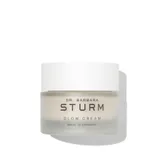 Dr. Barbara Sturm Glow Cream Crème Hydratante Éclat | 56% | $165.00 | |
Jeffree Star Cosmetics Vitamin C Skin Perfecting Serum | 55% | $38.00 | |
 Hey Honey Good Morning Honey Silk Facial Serum | 55% | $49.00 |
Key Actives
Helps soften the upper layer of the skin and can support skin barrier function
A great moisturising ingredient that softens the skin and reduces water loss from its upper layer. It also can be helpful in protecting skin from free radicals
Helps attract water to the upper layer of the skin and can help improve skin barrier function
An amino-acid that helps to attract water to the upper layer of the skin. In combination with other amino-acids, might help to reduce fine lines and wrinkles
One of the best moisturizing ingredients. Naturally present in skin. It attracts water to the upper layer of the skin working as a humectant
Helps attract water to the upper layer of the skin
An emollient that helps soften the skin. Could be comedogenic
One of the best moisturizing ingredients. Attracts water into the upper layer of the skin
Softens the upper layer of skin and helps restore the healthy skin barrier. Has shown to help calm down inflammation in skin. It is a stable oil, meaning that it retains its properties even when exposed to air.
An amino-acid that helps attract water to the upper layer of the skin
Potential irritants
Used to add a nice rose smell to the product. Might help attract water to the upper layer of the skin and have some anti-oxidant effect. Can be irritating
A plant extract that is used as a fragrance. Can be irritating and lead to photosensitivity
An essential oil used in cosmetics for its smell. Can be irritating
The most well-researched antioxidant that works in skin. Helps neutralize free radicals supporting collagen production, helping to even out the skin tone and preventing early signs of aging
Helps soften the upper layer of the skin and can support skin barrier function
A more stable but less bio-available form of vitamin E compared to Tocopherol. Might help moisturize and protect the skin from free radicals, but mostly used in low concentrations to stabilize other ingredients.
Softens the upper layer of skin and helps restore the healthy skin barrier. Has shown to help calm down inflammation in skin. It is a stable oil, meaning that it retains its properties even when exposed to air.
Can work as an exfoliant but is typically used to adjust the product pH
Helps to control the skin's pH level. Maintains the skin's natural film of amino-lactic acids and oils. Helps to preserve products
Being a lipid soluble form of vitamin C, it is more stable and can penetrate the skin better than L-Ascorbic acid. It is effective in protecting the skin from free radicals, as well as evening the skin tone, but is less effective in stimulating collagen production compared to L-Ascorbic acid.
Comedogenic ingredients
A great moisturising ingredient that softens the skin and reduces water loss from its upper layer. It also can be helpful in protecting skin from free radicals
An emollient that helps soften the skin. Could be comedogenic
All ingredients
Used to add a nice rose smell to the product. Might help attract water to the upper layer of the skin and have some anti-oxidant effect. Can be irritating
One of the best moisturizing ingredients. Naturally present in skin. It attracts water to the upper layer of the skin working as a humectant
Enhances the product texture and makes it more spreadable. Helps reduce water loss from the outer layer of skin. Extands the shelf life by preventing bacteria growth
Helps to soften the upper layer of the skin without creating a greasy texture
Help soften the upper layer of the skin and create a nice product consistency
A great moisturising ingredient that softens the skin and reduces water loss from its upper layer. It also can be helpful in protecting skin from free radicals
A plant extract that is used as a fragrance. Can be irritating and lead to photosensitivity
An emollient that softens the skin and forms a protective layer on its surface. Helps water and oil mix together
Helps oil and water mix togehter and creates a nice product texture
Helps create a thicker or gel-like product texture. It is not a surfactant but can be used in gentle cleansing formulations
An emollient that helps soften the skin. Could be comedogenic
Helps soften the upper layer of the skin and can support skin barrier function
Helps attract water to the upper layer of the skin and can help improve skin barrier function
A more stable but less bio-available form of vitamin E compared to Tocopherol. Might help moisturize and protect the skin from free radicals, but mostly used in low concentrations to stabilize other ingredients.
One of the best moisturizing ingredients. Attracts water into the upper layer of the skin
Softens the upper layer of skin and helps restore the healthy skin barrier. Has shown to help calm down inflammation in skin. It is a stable oil, meaning that it retains its properties even when exposed to air.
Can work as an exfoliant but is typically used to adjust the product pH
An essential oil used in cosmetics for its smell. Can be irritating
Helps to control the skin's pH level. Maintains the skin's natural film of amino-lactic acids and oils. Helps to preserve products
Pure form of vitamin E. Can help moisturise and protect the skin from free radicals. Often used to help stabilise other ingredients or the formula itself
An amino-acid that helps attract water to the upper layer of the skin
Being a lipid soluble form of vitamin C, it is more stable and can penetrate the skin better than L-Ascorbic acid. It is effective in protecting the skin from free radicals, as well as evening the skin tone, but is less effective in stimulating collagen production compared to L-Ascorbic acid.
An amino-acid that helps to attract water to the upper layer of the skin. In combination with other amino-acids, might help to reduce fine lines and wrinkles
A preservative. It helps prevent bacterial growth in cosmetic products
The most well-researched antioxidant that works in skin. Helps neutralize free radicals supporting collagen production, helping to even out the skin tone and preventing early signs of aging
Ingredient list view
Rosa damascena flower water, Water, Glycerin, C12-15 alkyl benzoate, Cetearyl ethylhexanoate, Coco-caprylate/caprate, Ppg-15 stearyl ether, Stearic acid, Sorbitan oleate, Saccharide isomerate, Butyrospermum parkii butter, Citrus aurantium dulcis fruit extract, Glyceryl stearate, Peg-100 stearate, Ethylhexylglycerin, Carbomer, Isopropyl myristate, Oenothera biennis oil, Sodium hydroxide, Panthenol, Tocopheryl acetate, Acacia dealbata flower wax, Jasminum grandiflorum flower wax, Narcissus poeticus flower wax, Sodium hyaluronate, Simmondsia chinensis seed oil, Rosa damascena flower oil, Glycoproteins, Lilium candidum bulb extract, Citric acid, Michelia alba leaf oil, Sodium citrate, Tocopherol, Glutamic acid, Ascorbyl palmitate, Peg-8, Threonine, Phenoxyethanol, Valine, Ascorbic acid, Sodium metabisulfite, Citronellol, Linalool, Geraniol
- Annex I: Clinical evidence regarding sensitisation to individual fragrance chemicals and to natural extracts
- Glycerol and the skin: holistic approach to its origin and functions
- Safety Assessment of Alkyl Esters as Used in Cosmetics
- Final report on the safety assessment of PPG-11 and PPG-15 stearyl ethers
- Surfactants and experimental irritant contact dermatitis
- Safety Assessment of Citrus Fruit-Derived Ingredients as Used in Cosmetics
- Photosensitivity in children: An approach to diagnosis and management
- Skin moisturizing effects of panthenol-based formulations
- Safety Assessment of Panthenol, Pantothenic Acid, and Derivatives as Used in Cosmetics
- Hyaluronic acid: A key molecule in skin aging
- Hyaluronan (Hyaluronic Acid): a natural moisturizer for skin care
- Vitamin E in dermatology
- Vitamin E and Skin Health
- Topical palmitoyl pentapeptide provides improvement in photoaged human facial skin
- Final report on the safety assessment of sodium sulfite, potassium sulfite, ammonium sulfite, sodium bisulfite, ammonium bisulfite, sodium metabisulfite and potassium metabisulfite