Works for:
based on ingredients and %- Cleansing
Can it cause trouble?
- Irritation risk: high
- Comedogenic risk ingredients: 0
Key actives

Works for
Cleansing
What does the product description say?
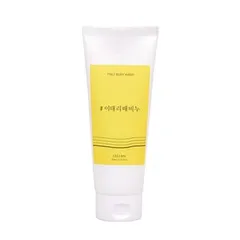
Italy Body Wash
Source: Yesstyle
This product works by removing dirt and oil from the surface of the skin.
The following cleansing agents are typically mild, but still can cause an irritation or allergy for some people coco-glucoside.
Keep in mind that cleansing can disrupt the skin barrier, and most people do not need to cleanse their skin more than once per day.
Helps create a thicker or gel-like product texture. It is not a surfactant but can be used in gentle cleansing formulations
Used as a cleansing agent (surfactant) in cleansers. Helps water and oil mix together in lotions. Can be irritating
Helps water and oil mix together and works as a cleansing agent
Helps water and oil mix together. Can be used as a cleansing agent
How honest is this product?
| Promise | Can it deliver? |
|---|---|
| Cleansing |
Total Promises Fulfilled score: 75/100.
We receive a small commission for purchases made through these links at no cost for you. Thank you for your support! Learn more
Potential irritants
Comedogenic ingredients
No comedogenic ingredients detected
User reviews (0)
Averages from community submissions.
No reviews yet for this product.
Be the first to share your experience!
Tried this product?
Help capture what the ingredient list can't—texture, finish, pilling, scent, and more. Answer what you can, skip the rest.
Takes ~30 seconds.
Reviews are shown in aggregate. No personal details.
Key Actives
A plant extract that has been shown to be able to reduce inflammation in skin, support restoration of skin barrier function, as well as support collagen production. Contains active compounds called centelloids: asiaticoside, madecasosside, asiatic acid and madecassic acid. Might be helpful in preventing stretch marks. It can be itself be irritating though.
An emollient that helps soften the upper layer of the skin. Might have some weak anti-oxidant properties
Used as a cleansing agent (surfactant) in cleansers. Helps water and oil mix together in lotions. Can be irritating
Helps water and oil mix together and works as a cleansing agent
Helps water and oil mix together. Can be used as a cleansing agent
Helps create a thicker or gel-like product texture. It is not a surfactant but can be used in gentle cleansing formulations
Helps attract water to the upper layer of the skin
One of the best moisturizing ingredients. Naturally present in skin. It attracts water to the upper layer of the skin working as a humectant
Softens the upper layer of skin and helps restore the healthy skin barrier. Has shown to help calm down inflammation in skin. It is a stable oil, meaning that it retains its properties even when exposed to air.
Potential irritants
Used as a cleansing agent (surfactant) in cleansers. Helps water and oil mix together in lotions. Can be irritating
Used as a fragrance. Might have some anti-oxidant and anti-microbial properties
Used for fragrance and contains volatile compounds that can irritate the skin
A plant extract that might help neutralize free radicals in skin
A plant extract that might help neutralize free radicals in skin. Can contain volalite oils and be irritating
A plant extract that can help neutralize free radicals in skin. It contains a compound salicin that can theoretically be converted into salicylic acid that, in turn, helps reduce inflammation in skin, but the evidence of effectiveness in skin is lacking and the extract is usually not used in a concentration that would enable an exfoliating effect
Helps preserve products. Can mask unpleasant smell. Could be irritating
Traditionally used to treat sunburns, dermatitis and inflammation, but evidence for its effectiveness is lacking. The extract can contain humectants that help attract water into the skin
Helps water and oil mix together and works as a cleansing agent
Helps water and oil mix together. Can be used as a cleansing agent
A plant extract that has been shown to be able to reduce inflammation in skin, support restoration of skin barrier function, as well as support collagen production. Contains active compounds called centelloids: asiaticoside, madecasosside, asiatic acid and madecassic acid. Might be helpful in preventing stretch marks. It can be itself be irritating though.
Licorice root extract. Might be helpful in reducing hyperpigmentation
A plant extract that might help neutralize free radicals in skin, but research on its efficacy in skin is lacking
Helps attract water to the upper layer of the skin
An emollient that helps soften the upper layer of the skin. Might have some weak anti-oxidant properties
Softens the upper layer of skin and helps restore the healthy skin barrier. Has shown to help calm down inflammation in skin. It is a stable oil, meaning that it retains its properties even when exposed to air.
Comedogenic ingredients
We couldn't find any comedogenic ingredients in this product
All ingredients
Traditionally used to treat sunburns, dermatitis and inflammation, but evidence for its effectiveness is lacking. The extract can contain humectants that help attract water into the skin
Used as a cleansing agent (surfactant) in cleansers. Helps water and oil mix together in lotions. Can be irritating
Helps water and oil mix together and works as a cleansing agent
Helps water and oil mix together. Can be used as a cleansing agent
Helps create a thicker or gel-like product texture. It is not a surfactant but can be used in gentle cleansing formulations
Used as a fragrance. Might have some anti-oxidant and anti-microbial properties
Used for fragrance and contains volatile compounds that can irritate the skin
A plant extract that might help neutralize free radicals in skin
A plant extract that might help neutralize free radicals in skin. Can contain volalite oils and be irritating
A plant extract that has been shown to be able to reduce inflammation in skin, support restoration of skin barrier function, as well as support collagen production. Contains active compounds called centelloids: asiaticoside, madecasosside, asiatic acid and madecassic acid. Might be helpful in preventing stretch marks. It can be itself be irritating though.
Licorice root extract. Might be helpful in reducing hyperpigmentation
A plant extract that might help neutralize free radicals in skin, but research on its efficacy in skin is lacking
A plant extract that can help neutralize free radicals in skin. It contains a compound salicin that can theoretically be converted into salicylic acid that, in turn, helps reduce inflammation in skin, but the evidence of effectiveness in skin is lacking and the extract is usually not used in a concentration that would enable an exfoliating effect
Helps attract water to the upper layer of the skin
One of the best moisturizing ingredients. Naturally present in skin. It attracts water to the upper layer of the skin working as a humectant
Cannot penetrate the skin barrier so is not particularly useful in skincare products
An emollient that helps soften the upper layer of the skin. Might have some weak anti-oxidant properties
Softens the upper layer of skin and helps restore the healthy skin barrier. Has shown to help calm down inflammation in skin. It is a stable oil, meaning that it retains its properties even when exposed to air.
Helps preserve products. Can mask unpleasant smell. Could be irritating
Ingredient list view
Aloe barbadensis leaf juice, Camellia sinensis seed extract, Coco-glucoside, Disodium cocoyl glutamate, Sodium cocoyl isethionate, Juglans regia shell powder, Carbomer, Salvia officinalis extract, Rosmarinus officinalis flower extract, Lavandula angustifolia extract, Calendula officinalis extract, Sophora flavescens root extract, Lonicera japonica flower extract, Centella asiatica extract, Glycyrrhiza uralensis root extract, Urtica dioica extract, Paeonia suffruticosa root extract, Vaccinium myrtillus fruit extract, Salix alba bark extract, Ganoderma lucidum extract, Glycerin, Collagen, Corylus avellana seed oil, Argania spinosa kernel oil, Simmondsia chinensis seed oil, Rosa centifolia flower oil, Sodium levulinate, P-anisic acid, 1,2-hexanediol, Rosmarinus officinalis flower oil
- In Vitro Assessment of Skin Irritation Potential of Surfactant-based Formulations by Using a 3-D Skin Reconstructed Tissue Model and Cytokine Response
- Allergen of the Year—Alkyl Glucoside
- Final Report on the Safety Assessment of Sodium Cocoyl Isethionate
- Protective effect of Calendula officinalis extract against UVB-induced oxidative stress in skin: evaluation of reduced glutathione levels and matrix metalloproteinase secretion
- VOLATILE CONSTITUENTS FROM THE FLOWERS OF TWO SPECIES OF HONEYSUCKLE ( LONICERA JAPONICA AND LONICERA CAPRIFOLIUM )
- Chemical composition of the essential oils from the flower, leaf and stem of Lonicera japonica
- Anti-Inflammatory Effect of Titrated Extract of Centella asiatica in Phthalic Anhydride-Induced Allergic Dermatitis Animal Model
- Centella asiatica in cosmetology
- Triterpene Composition and Bioactivities of Centella asiatica
- Asiaticoside induction for cell-cycle progression, proliferation and collagen synthesis in human dermal fibroblasts
- Assessment report on Centella asiatica (L.) Urban, herba
- Contact dermatitis due to Madecassol
- The Effects of a Standardized Extract of Centella asiatica on Postlaser Resurfacing Wound Healing on the Face: A Split-Face, Double-Blind, Randomized, Placebo-Controlled Trial
- Lonicera caerulea and Vaccinium myrtillus fruit polyphenols protect HaCaT keratinocytes against UVB-induced phototoxic stress and DNA damage
- Herbal Medicine: Biomolecular and Clinical Aspects. 2nd edition.
- Efficacy and Safety of White Willow Bark (Salix alba) Extract
- An evaluation of the effect of a topical product containing salicin on the visible signs of human skin aging
- Glycerol and the skin: holistic approach to its origin and functions
- Natural vegetable fats in the prevention of irritant contact dermatitis
- Sodium anisate
- The influence of alkane chain length on the skin irritation potential of 1,2-alkanediols