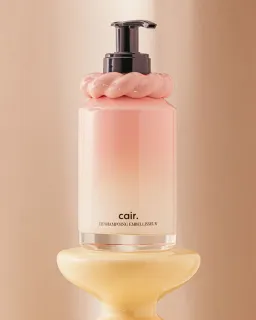
Works for
CleansingSodium cocoyl isethionate, Coco-glucoside + 8 moreCleanses gently
“Elle nettoie délicatement le cuir chevelu tout en gainant naturellement la fibre.”
This product works by removing dirt and oil from the surface of the skin. It uses a combination of mild cleansing agents (cholesterol, coco-betaine, coco-glucoside, decyl glucoside, glyceryl oleate, glycol distearate, lauryl glucoside, palmitic acid, sodium cocoyl isethionate, sodium lauroyl sarcosinate) and should be able to cleanse the skin gently. Still keep in mind that any cleansing can disrupt the skin barrier, and most people do not need to cleanse their skin more than once per day.
Even though this formulation is mild, the following cleansing agents could trigger an irritation or allergy for some people: coco-betaine, coco-glucoside, decyl glucoside, glyceryl oleate
Can it cause trouble?
Irritancy1 strong irritant: ParfumMedium risk
ComedogenicClean of flagged comedogenic ingredientsNone flagged
User reviews
Be the first — your take helps the next person decide.
Ingredients
Filter by role to see what each ingredient is doing.
Oryza sativa bran water~22–33%
- Irritation risk
- Low
Might be somewhat helpful for attracting water to the upper layer of the skin
More about Oryza sativa bran waterWater~11–16%
Sodium cocoyl isethionate~5.1–7.7%
- Irritation risk
- Medium
Helps water and oil mix together. Can be used as a cleansing agent
More about Sodium cocoyl isethionateCoco-glucoside~4.3–6.5%
- Irritation risk
- High
Used as a cleansing agent (surfactant) in cleansers. Helps water and oil mix together in lotions. Can be irritating
More about Coco-glucosideErythritol~2.6–3.9%
- Irritation risk
- Low
Helps to attract water to the upper layer of the skin
More about ErythritolGlycerin~2–3%
- Irritation risk
- Low
One of the best moisturizing ingredients. Naturally present in skin. It attracts water to the upper layer of the skin working as a humectant
More about GlycerinAloe barbadensis leaf juice~1.5–2.3%
- Irritation risk
- Medium
Traditionally used to treat sunburns, dermatitis and inflammation, but evidence for its effectiveness is lacking. The extract can contain humectants that help attract water into the skin
More about Aloe barbadensis leaf juiceDecyl glucoside~1.4–2.1%
- Irritation risk
- High
Helps oil and water mix together. Can be irritating
More about Decyl glucosideLauryl glucoside~1.2–1.8%
Parfum~0.9–1.4%
- Irritation risk
- High
An aromatic blend of unspecified and possibly irritating ingredients
More about ParfumHordeum vulgare juice~0.8–1.25%
- Irritation risk
- Low
Sodium lauroyl sarcosinate~1.2–1.9%
- Irritation risk
- Medium
Helps oil and water mix together and works as a cleansing agent
More about Sodium lauroyl sarcosinateCoco-betaine~1–1.5%
- Irritation risk
- High
Helps oil and water mix together and works as a cleansing agent. Can be allergenic
More about Coco-betaineInulin~0.45–1%
- Irritation risk
- Low
Helps attract water to the upper layer of the skin. Is claimed to support the growth of "good" bacteria in skin (as a "prebiotic"), but the research is lacking
More about InulinSclerotium gum~0.4–0.95%
- Irritation risk
- Low
Used to create gel-like formulas and stabilize emulsions
More about Sclerotium gumCitric acid~0.4–0.95%
- Irritation risk
- Medium
Can work as an exfoliant but is typically used to adjust the product pH
More about Citric acidAcetum~0.4–0.95%
- Irritation risk
- Low
Glycol distearate~0.4–1%
- Irritation risk
- Medium
Helps water and oil mix together
More about Glycol distearateTetramethyl acetyloctahydronaphthalenes~0.3–0.75%
- Irritation risk
- Low
Butylene glycol~0.35–0.8%
- Irritation risk
- Low
Used to create a nice product texture and help delivery of other ingredients. Might be somewhat helpful in attracting water to the upper layer of the skin
More about Butylene glycolGuar hydroxypropyltrimonium chloride~0.4–0.95%
- Irritation risk
- Low
Helps water and oil mix together and create a nice product texture
More about Guar hydroxypropyltrimonium chloridePolyquaternium-10~0.45–1%
- Irritation risk
- Low
Helps soften the upper layer of the skin and create a nice product finish
More about Polyquaternium-10Potassium sorbate~0.3–0.6%
Sodium benzoate~0.25–0.5%
Ascorbyl glucoside~0.2–0.75%
- Irritation risk
- Medium
A vitamin C derivative that is more stable but less potent than pure form of vitamin C. Has a potential to boost collagen production, nutralise free radicals and reduce hyperpigmentation, but the required concentration is likely to be much higher than for the pure form of vitamin C, limiting the ingredient's effectiveness in products
More about Ascorbyl glucosideSaccharomyces ferment lysate filtrate~0.2–0.75%
- Irritation risk
- Low
Helps attract water to the upper layer of the skin
More about Saccharomyces ferment lysate filtrateGlyceryl oleate~0.2–0.8%
- Irritation risk
- High
Helps oil and water mix together. Can be irritating
More about Glyceryl oleateSodium hydroxide~0.2–0.75%
Rubus idaeus fruit extract~0.15–0.7%
- Irritation risk
- Medium
A fruit extract that might have some anti-oxidant properties but evidence of effectiveness in skin is lacking
More about Rubus idaeus fruit extractRicinus communis seed oil~0.2–0.75%
- Irritation risk
- Medium
A plant oil that can help soften the skin. It might be helpful in calming down inflammation, but solid research is lacking. Is often used in lip products to create the needed product consistency
More about Ricinus communis seed oilHydroxypropyltrimonium hyaluronate~0.35–0.8%
- Irritation risk
- Low
Pentylene glycol~0.2–0.8%
- Irritation risk
- Medium
Used to preserve products, dissolve other ingredients and create a nice product texture
More about Pentylene glycolLactic acid~0.15–0.6%
- Irritation risk
- Medium
An exfoliating and moisturizing alpha-hydroxy acid (AHA). Typically causes less irritation than other AHAs, for example, glycolic acid. At high concentrations (about 15%), lactic acid can help reduce lines and wrinkles. Recent studies show that lactic acid can support the "good" bacteria living on skin's surface (healthy skin microbiome)
More about Lactic acidSodium lactate~0.15–0.55%
- Irritation risk
- Medium
Helps attract water to the upper layer of the skin. Is often used to adjust the pH level of the product
More about Sodium lactateMacadamia integrifolia seed oil~0.2–0.7%
- Irritation risk
- Low
A plant oil that helps soften the upper layer of the skin
More about Macadamia integrifolia seed oilOlea europaea fruit oil~0.1–0.45%
- Irritation risk
- Medium
An emollient that helps soften the skin but is not effective for restoring its barrier function. Might be helpful to calm down inflammation
More about Olea europaea fruit oilEthylhexylglycerin~0.1–0.35%
Palmitic acid~0.1–0.45%
- Irritation risk
- Low
An emollient that is naturally present in skin and helps soften it
More about Palmitic acidCeramide ng~0.1–0.45%
- Irritation risk
- Low
A type of lipid similar to ceramides naturally present in skin. Helps to soften the upper layer of the skin and supports the skin barrier function to keep it hydrated. Can help to prevent inflammation in skin
More about Ceramide ngCholesterol~0.1–0.4%
- Irritation risk
- Low
An emollient that is naturally found in skin
More about CholesterolHydrolyzed collagen~0.15–0.65%
- Irritation risk
- Low
A typically plant-derived compound that is supposed mimic human collagen. Cannot penetrate the skin barrier so is not particularly useful in skincare products beyond attracting water to the upper layer of the skin
More about Hydrolyzed collagenIngredient list view
Oryza sativa bran water, Water, Sodium cocoyl isethionate, Coco-glucoside, Erythritol, Glycerin, Aloe barbadensis leaf juice, Decyl glucoside, Lauryl glucoside, Parfum, Hordeum vulgare juice, Sodium lauroyl sarcosinate, Coco-betaine, Inulin, Sclerotium gum, Citric acid, Acetum, Glycol distearate, Tetramethyl acetyloctahydronaphthalenes, Butylene glycol, Guar hydroxypropyltrimonium chloride, Polyquaternium-10, Potassium sorbate, Sodium benzoate, Ascorbyl glucoside, Saccharomyces ferment lysate filtrate, Glyceryl oleate, Sodium hydroxide, Rubus idaeus fruit extract, Ricinus communis seed oil, Hydroxypropyltrimonium hyaluronate, Pentylene glycol, Lactic acid, Sodium lactate, Macadamia integrifolia seed oil, Olea europaea fruit oil, Ethylhexylglycerin, Palmitic acid, Ceramide ng, Cholesterol, Hydrolyzed collagen
Compare prices
Retailers ranked by price — lowest first.

Worth comparing, line by line.
Match % combines shared ingredients, the first five ingredients, shared actives and hero ingredients, irritancy (lower counts in the alternative's favour), texture and body area. Only products in the same routine step are compared.
| CairLe Shampoing Embellisseur CairYOUR PRODUCT | NaturiumThe Calmer Ceramide Body Wash | ATTITUDEShower Gel : SENSITIVE SKIN | Fitglow BeautyGentle Ceramide Gel Cleanser | |
|---|---|---|---|---|
| Match | — | 21% | 21% | 20% |
| Price | $82.00 | $14.03−$67.97 | $8.99−$73.01 | $10.99−$71.01 |
| Shared key ingredients | — | 5 of 19 | 4 of 19 | 5 of 19 |
| Key difference | — | Ceramide Eop | Vitis Vinifera Seed Oil | Ceramide Np |
| Irritancy | Medium | Low | Low | Low |
| Drying alcohol | — | — | — | — |
| View product | Shop | Shop | Shop |
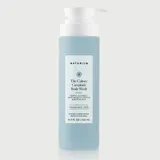

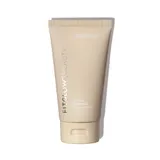
More alternatives: L'Oréal Paris Daily Foaming Gel CleanserSuper leaves™ - Maternity Body Wash - Pregnancy
Sources cited in this review
Every concentration estimate and effectiveness label is anchored to one of these 20 studies and safety reviews.
- 1Final Report on the Safety Assessment of Sodium Cocoyl Isethionatejournals.sagepub.com
- 2
- 3Allergen of the Year—Alkyl Glucosidepracticeupdate.com
- 4
- 5
- 6

Affiliate links · As an Amazon Associate, WIMJ earns from qualifying purchases.