Works for
1 of 2 advertised claims delivered
MoisturizingRicinus communis seed oil, Saccharomyces ferment + 25 moreGood evidence
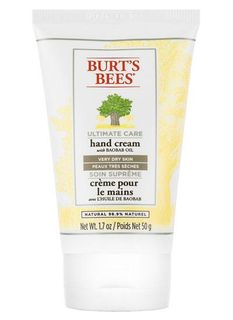
“Ultimate Care Hand Cream”
This product can help improve hydration of the skin with the two types of ingredients.
The first type is called “humectants”:
these ingredients help attract water.
When humectants are on the surface of the skin, they “pull in” the moisture from the outside environment, or from
within deeper layers of the skin. The following ingredients in this product do the job:
arginine, biosaccharide gum-1.
This product also contains ingredients called “occlusives”. They help reduce the speed with which our skin loses moisture to the outside environment. These ingredients also help soften the upper layer of the skin, so it feels less tight and nicer to the touch. The following ingredients in this product do the job: arginine, beeswax.
ExfoliationLactic acidWeak evidence
“This lotion for dry skin not only moisturizers, but it gently exfoliates with a natural Fruit Acid Complex NATURAL LOTION.”
This product does not contain effective exfoliating ingredients. It might be able to deliver physical exfoliation, that is scrub off some of the dead cells on the surface of the skin. We do not recommend physical exfoliation, because it is not uniform (some bits of skin can get exfoliated too much while others not at all). It can also traumatize the skin and aggrevate acne and other skin conditions.
Can it cause trouble?
Irritancy10 strong irritants: Aniba rosaeodora wood extract, Citrus aurantium bergamia fruit extract + 8 more — patch-test recommendedHigh risk
Comedogenic4 ingredients rated 2 or more on the 0–5 pore-clogging scale4 flagged

User reviews
Be the first — your take helps the next person decide.
Ingredients
Filter by role to see what each ingredient is doing.
Water~45–55%
Glycerin~4.4–5.4%
- Irritation risk
- Low
One of the best moisturizing ingredients. Naturally present in skin. It attracts water to the upper layer of the skin working as a humectant
More about GlycerinCocos nucifera oil~4.1–5%
- Irritation risk
- Low
- Comedogenicity
- 3/5
An emollient. Found to be as effective as a moisturizer for dry skin as mineral oil. Could be comedogenic
More about Cocos nucifera oilCetyl alcohol~2.4–3%
- Irritation risk
- Low
A non-drying alcohol that works to soften the skin and stabilize product formulations helping oil and water mix together
More about Cetyl alcoholHelianthus annuus seed oil~2.4–2.9%
- Irritation risk
- Low
A great emollient due to its high linoleic acid content. One of the most effective plant oils in helping skin hydration and repairing skin barrier function
More about Helianthus annuus seed oilCaprylic/capric triglyceride~1.9–2.4%
- Irritation risk
- Medium
A good mix of fatty acids that forms a protective layer on the skin. Improves the shelf life of products. Derived from coconut and glycerin
More about Caprylic/capric triglycerideAdansonia digitata oil~1.6–1.9%
- Irritation risk
- Low
Baobab oil. Helps soften the upper layer of the skin
More about Adansonia digitata oilCitrullus lanatus seed oil~1.4–1.7%
- Irritation risk
- Low
Cucurbita pepo seed oil~1.2–1.4%
- Irritation risk
- Low
Helps soften the upper layer of the skin
More about Cucurbita pepo seed oilBuddleja davidii leaf extract~0.9–1.1%
- Irritation risk
- Low
Bisabolol~0.6–0.9%
- Irritation risk
- Low
An active component of chamomile plant that historically has been used to calm down irritated skin. A recent study shows that bisabolol indeed can have some anti-inflammatory effect on skin, even though conclusive data is lacking. Bisabolol has a sweet floral scent and can be added to products for its aromatic properties
More about BisabololCera alba~0.75–1.1%
- Irritation risk
- Medium
Forms a protective barrier that holds water and keeps dry skin hydrated. Keeps an emulsion from separating into its oil and liquid components, and increases the thickness of a product. Can be an allergen
More about Cera albaBeeswax~0.55–0.85%
- Irritation risk
- Low
Forms a protective barrier that holds water and keeps dry skin hydrated. Keeps an emulsion from separating into its oil and liquid components, and increases the thickness of a product. Can be an allergen
More about BeeswaxButyrospermum parkii butter~0.5–0.8%
- Irritation risk
- Low
- Comedogenicity
- 3/5
A great moisturising ingredient that softens the skin and reduces water loss from its upper layer. It also can be helpful in protecting skin from free radicals
More about Butyrospermum parkii butterSimmondsia chinensis butter~0.4–0.65%
- Irritation risk
- Medium
Helps soften the upper layer of the skin
More about Simmondsia chinensis butterTheobroma grandiflorum seed butter~0.4–0.6%
- Irritation risk
- Medium
Helps soften the upper layer of the skin and might as well help to attract moisture to its upper layer
More about Theobroma grandiflorum seed butterRicinus communis seed oil~0.45–0.65%
- Irritation risk
- Medium
A plant oil that can help soften the skin. It might be helpful in calming down inflammation, but solid research is lacking. Is often used in lip products to create the needed product consistency
More about Ricinus communis seed oilAniba rosaeodora wood extract~0.3–0.6%
- Irritation risk
- High
Artemisia umbelliformis extract~0.3–0.55%
- Irritation risk
- Low
Camellia sinensis leaf extract~0.3–0.55%
- Irritation risk
- Low
Can contain potent anti-oxidant compounds (abbreviated ECG, GCG, EGC, and EGCG) that might help protect the skin from free radicals. Can help calm down inflammation and has some anti-bacterial properties. Unfortunately, these antioxidants are unstable and lose their effectiveness very quickly in products. The concentration of the antioxidant compounds in the extract also tends to be low to be effective in topical formulation
More about Camellia sinensis leaf extractCitrus aurantium bergamia fruit extract~0.25–0.5%
- Irritation risk
- High
Citrus aurantium dulcis fruit extract~0.25–0.45%
- Irritation risk
- High
A plant extract that is used as a fragrance. Can be irritating and lead to photosensitivity
More about Citrus aurantium dulcis fruit extractCitrus limon fruit extract~0.25–0.45%
- Irritation risk
- High
Used as a fragrance. Can be irritating and cause photosensitivity
More about Citrus limon fruit extractCoriandrum sativum fruit/leaf extract~0.25–0.45%
- Irritation risk
- Low
Jasminum officinale flower/leaf extract~0.2–0.35%
Lavandula angustifolia flower/leaf/stem extract~0.25–0.45%
Cupressus sempervirens leaf/stem extract~0.25–0.45%
- Irritation risk
- Low
Fucus vesiculosus extract~0.25–0.45%
- Irritation risk
- Low
- Comedogenicity
- 3/5
Peucedanum ostruthium leaf extract~0.25–0.45%
- Irritation risk
- Low
Molasses extract~0.25–0.45%
- Irritation risk
- Low
Helps attract water to the upper layer of the skin. Might have a weak skin-lightening effect, but solid research is missing
More about Molasses extractSucrose~0.2–0.4%
- Irritation risk
- Low
Can help attract water to the upper layer of the skin. In crystal form, it can work as a gentle exfoliant, gentler than the salt scrub. Helps stabilize the emulsion
More about SucroseDecane~0.25–0.45%
- Irritation risk
- Low
Rosa damascena extract~0.25–0.45%
- Irritation risk
- High
Oil of a very fragrant pink rose used as fragrance in cosmetics. Extensive research has shown it has mixed benefits. In the pro column, inhaling this flower’s scent seems to have relaxing properties and the plant’s petals contain skin-soothing and antioxidant compounds that can benefit skin. On the flipside, the numerous chemicals that create this rose’s distinctive fragrance pose a risk of causing skin aggravation.
More about Rosa damascena extractPrunus persica fruit extract~0.35–0.6%
- Irritation risk
- High
A fruit extact. Might have some anti-oxidant properties
More about Prunus persica fruit extractRose extract~0.25–0.45%
Rosmarinus officinalis leaf extract~0.25–0.4%
- Irritation risk
- High
Can be helpful in reducing inflammation in skin, including inflamed acne. It can be irritating
More about Rosmarinus officinalis leaf extractVaccinium myrtillus fruit extract~0.25–0.45%
- Irritation risk
- Medium
A plant extract that might help neutralize free radicals in skin, but research on its efficacy in skin is lacking
More about Vaccinium myrtillus fruit extractVanilla planifolia fruit extract~0.25–0.45%
- Irritation risk
- High
A plant extract used as a fragrance. Can be irritating
More about Vanilla planifolia fruit extractAcer saccharum extract~0.25–0.45%
- Irritation risk
- Medium
A plant extract that contains small percentage of AHAs. Is unlikely to have any skin benefit due the small concentration of the active compounds
More about Acer saccharum extractTocopherol~0.25–0.45%
- Irritation risk
- Low
Pure form of vitamin E. Can help moisturise and protect the skin from free radicals. Often used to help stabilise other ingredients or the formula itself
More about TocopherolAcacia decurrens/jojoba/sunflower seed wax polyglyceryl-3 esters~0.25–0.5%
- Irritation risk
- Medium
Helps soften the upper layer of the skin and create a nice product texture
More about Acacia decurrens/jojoba/sunflower seed wax polyglyceryl-3 estersSaccharomyces ferment~0.25–0.45%
- Irritation risk
- Low
A product of yeast fermentation. Helps attract water to the upper layer of the skin
More about Saccharomyces fermentHydrogenated castor oil~0.3–0.55%
- Irritation risk
- Medium
A plant oil that can help soften the skin. It might be helpful in calming down inflammation, but solid research is lacking. Is often used in lip products to create the needed product consistency
More about Hydrogenated castor oilCitric acid~0.25–0.45%
- Irritation risk
- Medium
Can work as an exfoliant but is typically used to adjust the product pH
More about Citric acidLactic acid~0.25–0.45%
- Irritation risk
- Medium
An exfoliating and moisturizing alpha-hydroxy acid (AHA). Typically causes less irritation than other AHAs, for example, glycolic acid. At high concentrations (about 15%), lactic acid can help reduce lines and wrinkles. Recent studies show that lactic acid can support the "good" bacteria living on skin's surface (healthy skin microbiome)
More about Lactic acidXanthan gum~0.25–0.45%
- Irritation risk
- Low
Used to create a thicker product consistency
More about Xanthan gumSucrose stearate~0.3–0.55%
Sucrose polystearate~0.3–0.55%
- Irritation risk
- Medium
Helps oil and water mix together
More about Sucrose polystearateStearic acid~0.35–0.65%
- Irritation risk
- Low
Helps oil and water mix together and works as an emollient
More about Stearic acidGlyceryl stearate citrate~0.3–0.5%
- Irritation risk
- Low
Helps oil and water mix together while softening the upper layer of the skin
More about Glyceryl stearate citrateArginine~0.2–0.4%
- Irritation risk
- Low
An amino acid that is naturally present in skin and helps keep it hydrated. When used together with AHAs, it can reduce their irritating effect on the skin
More about ArginineBiosaccharide gum-1~0.2–0.4%
- Irritation risk
- Low
Helps attract water to the upper layer of the skin and is claimed to provide a longer-lasting hydration because of its ability to create a water-binding film on the surface of the skin
More about Biosaccharide gum-1Glyceryl caprylate~0.25–0.5%
- Irritation risk
- Low
An emollient that can also help water and oil mix together, as well as prevent bacteria growth in products
More about Glyceryl caprylateGlycine soja oil~0.2–0.4%
- Irritation risk
- Medium
- Comedogenicity
- 2/5
A good emollient that helps soften the skin and helps repair its barrier function. It can clog pores if used in high concentrations.
More about Glycine soja oilMagnesium aluminum silicate~0.2–0.4%
- Irritation risk
- Low
Might be helpful in restoring skin barrier function and, when combined with zinc carbonate and malonic acid, reducing fine lines and wrinkles by stimulating elastin production. Also helps stabilize the product formulation
More about Magnesium aluminum silicatePotassium sorbate~0.15–0.25%
Phenoxyethanol~0.15–0.25%
- Irritation risk
- Low
A preservative. It helps prevent bacterial growth in cosmetic products
More about PhenoxyethanolSodium anisate~0.15–0.3%
Sodium benzoate~0.15–0.25%
Sodium levulinate~0.1–0.2%
Sodium stearoyl lactylate~0.1–0.15%
- Irritation risk
- Medium
Helps oil and water mix together
More about Sodium stearoyl lactylateIngredient list view
Water, Glycerin, Cocos nucifera oil, Cetyl alcohol, Helianthus annuus seed oil, Caprylic/capric triglyceride, Adansonia digitata oil, Unknown, Citrullus lanatus seed oil, Cucurbita pepo seed oil, Buddleja davidii leaf extract, Bisabolol, Cera alba, Beeswax, Butyrospermum parkii butter, Simmondsia chinensis butter, Theobroma grandiflorum seed butter, Ricinus communis seed oil, Aniba rosaeodora wood extract, Artemisia umbelliformis extract, Camellia sinensis leaf extract, Citrus aurantium bergamia fruit extract, Citrus aurantium dulcis fruit extract, Citrus limon fruit extract, Coriandrum sativum fruit/leaf extract, Jasminum officinale flower/leaf extract, Lavandula angustifolia flower/leaf/stem extract, Cupressus sempervirens leaf/stem extract, Fucus vesiculosus extract, Peucedanum ostruthium leaf extract, Molasses extract, Sucrose, Unknown, Decane, Rosa damascena extract, Prunus persica fruit extract, Rose extract, Rosmarinus officinalis leaf extract, Vaccinium myrtillus fruit extract, Vanilla planifolia fruit extract, Acer saccharum extract, Tocopherol, Acacia decurrens/jojoba/sunflower seed wax polyglyceryl-3 esters, Saccharomyces ferment, Hydrogenated castor oil, Citric acid, Lactic acid, Xanthan gum, Sucrose stearate, Sucrose polystearate, Stearic acid, Glyceryl stearate citrate, Arginine, Biosaccharide gum-1, Glyceryl caprylate, Glycine soja oil, Magnesium aluminum silicate, Potassium sorbate, Phenoxyethanol, Sodium anisate, Sodium benzoate, Sodium levulinate, Sodium stearoyl lactylate
Compare prices
Retailers ranked by price — lowest first.


.png)
Worth comparing, line by line.
Match % combines shared ingredients, the first five ingredients, shared actives and hero ingredients, irritancy (lower counts in the alternative's favour), texture and body area. Only products in the same routine step are compared.
| Burt's BeesUltimate Care Hand CreamYOUR PRODUCT | GatineauBurt's Bees Ultimate Care Hand Cream | |
|---|---|---|
| Match | — | 50% |
| Price | $3.25 | $12.02+$8.77 |
| Shared key ingredients | — | 20 of 22 |
| Key difference | — | Saccharum Officinarum Extract |
| Irritancy | High | High |
| Drying alcohol | — | — |
| View product | Shop |

Sources cited in this review
Every concentration estimate and effectiveness label is anchored to one of these 26 studies and safety reviews.
- 1
- 2
- 3
- 4Effect of topically applied lipids on surfactant-irritated skinonlinelibrary.wiley.com
- 5
- 6

Affiliate links · As an Amazon Associate, WIMJ earns from qualifying purchases.