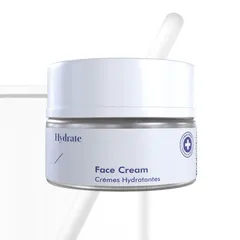
Works for:
based on ingredients and %- Anti-aging
- Moisturizing
- Anti-oxidation
Can it cause trouble?
- Irritation risk: medium
- Comedogenic risk ingredients: 4
Key actives


Works for
Anti-aging
What does the product description say?
Read More Scientifically proven Benefits. . Nourishes for improved hydration and regeneration Plumps fine lines and wrinkles for smoother texture Detoxifies, energizes and homogenizes the complexion Decreases cutaneous oxidation and protects from external aggressors Promotes clarity, luminosity and healthy-looking complexion
Source: N/A
This product contains folic acid. This ingredient might be able to help reduce and prevent fine lines and wrinkles, improve skin elasticity and firmness, but there is not enough evidence that it actually works.
Can help stimulate collagen production in skin. While available studies are promising, more research is needed to confirm the efficacy in skin
A stable derivative of vitamin C. It is oil-soluble which means it is more likely to penetrate the skin compared to the pure form of vitamin C (which is water-soluble), but it is less bio-available and is way less effective in stimulating collagen and reducing wrinkles compared to the pure form of vitamin C (L-ascorbic acid) and its other derivatives (for example, magnesium ascorbyl phosphate). At the same time, this vitamin C derivative has been shown in studies to be effective in reducing acne, blemishes and clogged pores. It is less irritating then the pure form of vitamin C
Is proven to be effective in reducing blemishes, evening out skin tone and helping to improve lines and wrinkles. It helps the skin to repair sun damage, calm down inflammation and keep maintain good levels of moisture. The concentration of about 2% is effective for supporting the skin barrier and evening out the skin tone. Concentration of 4-6% is better for helping with acne and balancing the sebum production
Pure form of vitamin E. Can help moisturise and protect the skin from free radicals. Often used to help stabilise other ingredients or the formula itself
Anti-oxidation
This product contains antioxidants (sodium ascorbyl phosphate) that might be able to help neutralize free radicals in skin to lessen the damage it gets from the UV light (sun). There is not enough evidence to confirm their effectiveness in skin though.
A stable derivative of vitamin C. It is oil-soluble which means it is more likely to penetrate the skin compared to the pure form of vitamin C (which is water-soluble), but it is less bio-available and is way less effective in stimulating collagen and reducing wrinkles compared to the pure form of vitamin C (L-ascorbic acid) and its other derivatives (for example, magnesium ascorbyl phosphate). At the same time, this vitamin C derivative has been shown in studies to be effective in reducing acne, blemishes and clogged pores. It is less irritating then the pure form of vitamin C
Might help neutralize free radicals in skin
Pure form of vitamin E. Can help moisturise and protect the skin from free radicals. Often used to help stabilise other ingredients or the formula itself
A more stable but less bio-available form of vitamin E compared to Tocopherol. Might help moisturize and protect the skin from free radicals, but mostly used in low concentrations to stabilize other ingredients.
A plant extract that might have some antioxidant properties, but mostly used in cosmetics for its color
Moisturizing
What does the product description say?
Face Cream
Source: From product name
This product can help improve hydration of the skin with the two types of ingredients.
The first type is called “humectants”:
these ingredients help attract water.
When humectants are on the surface of the skin, they “pull in” the moisture from the outside environment, or from
within deeper layers of the skin. The following ingredients in this product do the job:
arginine, fructooligosaccharides.
This product also contains ingredients called “occlusives”. They help reduce the speed with which our skin loses moisture to the outside environment. These ingredients also help soften the upper layer of the skin, so it feels less tight and nicer to the touch. The following ingredients in this product do the job: arginine, cocos nucifera oil.
One of the best moisturizing ingredients. Naturally present in skin. It attracts water to the upper layer of the skin working as a humectant
A great emollient due to its high linoleic acid content. One of the most effective plant oils in helping skin hydration and repairing skin barrier function
Helps attract water to the upper layer of the skin
Helps soften the upper layer of the skin and might as well help to attract moisture to its upper layer
An amino acid that is naturally present in skin and helps keep it hydrated. When used together with AHAs, it can reduce their irritating effect on the skin
Helps support skin barrier function improving skin hydration and reducing sensitivity
An emollient. Found to be as effective as a moisturizer for dry skin as mineral oil. Could be comedogenic
Can support skin barrier function and reduce inflammation in skin
Help attract water to the upper layer of the skin
Helps soften the upper layer of the skin
A non-drying alcohol. Works as an emollient. Helps water and oil mix together and creates a nice product texture
Derived from brown algae. Helps attract water to the upper layer of the skin
Helps soften the skin and attract water to its upper layer. Helps create nice product texture
Helps oil and water mix together while softening the upper layer of the skin
Used to preserve products, dissolve other ingredients and create a nice product texture
Is proven to be effective in reducing blemishes, evening out skin tone and helping to improve lines and wrinkles. It helps the skin to repair sun damage, calm down inflammation and keep maintain good levels of moisture. The concentration of about 2% is effective for supporting the skin barrier and evening out the skin tone. Concentration of 4-6% is better for helping with acne and balancing the sebum production
Pure form of vitamin E. Can help moisturise and protect the skin from free radicals. Often used to help stabilise other ingredients or the formula itself
How honest is this product?
| Promise | Can it deliver? |
|---|---|
| Anti-aging | |
| Moisturizing |
Total Promises Fulfilled score: 75/100.
We receive a small commission for purchases made through these links at no cost for you. Thank you for your support! Learn more
Potential irritants
Comedogenic ingredients
User reviews (0)
Averages from community submissions.
No reviews yet for this product.
Be the first to share your experience!
Tried this product?
Help capture what the ingredient list can't—texture, finish, pilling, scent, and more. Answer what you can, skip the rest.
Takes ~30 seconds.
Reviews are shown in aggregate. No personal details.
| Product | Similarity | Price | Irritancy |
|---|---|---|---|
 BubbaSkin Face Cream | Current | $58.00 | |
The INKEY List CA Vitamin B, C and E Moisturizer | 86% | ≈ $7.92 | |
NEOGEN X SUR.MEDIC V.Biome Soothing Cream | 85% | $28.00 | |
 Secret Key Hyaluron Aqua Soft Cream | 82% | $11.40 | |
 Fleur & Bee Crème de la Cream / Natural Moisturizer | 81% | $80.00 | |
 Melyon Day Cream - Niacinamide, Vitamin E, Vitamin C | 80% | $36.00 |
Key Actives
Is proven to be effective in reducing blemishes, evening out skin tone and helping to improve lines and wrinkles. It helps the skin to repair sun damage, calm down inflammation and keep maintain good levels of moisture. The concentration of about 2% is effective for supporting the skin barrier and evening out the skin tone. Concentration of 4-6% is better for helping with acne and balancing the sebum production
Pure form of vitamin E. Can help moisturise and protect the skin from free radicals. Often used to help stabilise other ingredients or the formula itself
Helps support skin barrier function improving skin hydration and reducing sensitivity
Can support skin barrier function and reduce inflammation in skin
An emollient. Found to be as effective as a moisturizer for dry skin as mineral oil. Could be comedogenic
One of the best moisturizing ingredients. Naturally present in skin. It attracts water to the upper layer of the skin working as a humectant
Helps soften the upper layer of the skin and might as well help to attract moisture to its upper layer
Help attract water to the upper layer of the skin
Helps attract water to the upper layer of the skin
An amino acid that is naturally present in skin and helps keep it hydrated. When used together with AHAs, it can reduce their irritating effect on the skin
A great emollient due to its high linoleic acid content. One of the most effective plant oils in helping skin hydration and repairing skin barrier function
Can help stimulate collagen production in skin. While available studies are promising, more research is needed to confirm the efficacy in skin
Potential irritants
Can be drying and contribute to skin irritation. Used in formulars to dissolve other ingredients, create a thinner product consistency or for its antibacterial properties
Used to preserve products, dissolve other ingredients and create a nice product texture
Helps soften the upper layer of the skin and might as well help to attract moisture to its upper layer
Helps oil and water mix together while creating a nice finish on the skin
A plant extract that might have some antioxidant properties, but mostly used in cosmetics for its color
Helps to control the skin's pH level. Maintains the skin's natural film of amino-lactic acids and oils. Helps to preserve products
Can work as an exfoliant but is typically used to adjust the product pH
Can help attract water to the upper layer of the skin. Is studied as a mosquito repellent
A stable derivative of vitamin C. It is oil-soluble which means it is more likely to penetrate the skin compared to the pure form of vitamin C (which is water-soluble), but it is less bio-available and is way less effective in stimulating collagen and reducing wrinkles compared to the pure form of vitamin C (L-ascorbic acid) and its other derivatives (for example, magnesium ascorbyl phosphate). At the same time, this vitamin C derivative has been shown in studies to be effective in reducing acne, blemishes and clogged pores. It is less irritating then the pure form of vitamin C
A more stable but less bio-available form of vitamin E compared to Tocopherol. Might help moisturize and protect the skin from free radicals, but mostly used in low concentrations to stabilize other ingredients.
Comedogenic ingredients
An emollient. Found to be as effective as a moisturizer for dry skin as mineral oil. Could be comedogenic
A non-drying alcohol. Works as an emollient. Helps water and oil mix together and creates a nice product texture
Derived from brown algae. Helps attract water to the upper layer of the skin
All ingredients
Used to preserve products, dissolve other ingredients and create a nice product texture
An emollient. Found to be as effective as a moisturizer for dry skin as mineral oil. Could be comedogenic
One of the best moisturizing ingredients. Naturally present in skin. It attracts water to the upper layer of the skin working as a humectant
Helps soften the upper layer of the skin and might as well help to attract moisture to its upper layer
Helps soften the skin and attract water to its upper layer. Helps create nice product texture
A non-drying alcohol. Works as an emollient. Helps water and oil mix together and creates a nice product texture
Helps oil and water mix together while softening the upper layer of the skin
Helps oil and water mix together while creating a nice finish on the skin
Dissolves other ingredients. It does not have additional skin benefits compared to plain water
A plant extract that might have some antioxidant properties, but mostly used in cosmetics for its color
Help attract water to the upper layer of the skin
Acts as a solvent for other ingredients. Speeds up the absorption of other ingredients into the skin
An amino acid that is naturally present in skin and helps keep it hydrated. When used together with AHAs, it can reduce their irritating effect on the skin
Pure form of vitamin E. Can help moisturise and protect the skin from free radicals. Often used to help stabilise other ingredients or the formula itself
A great emollient due to its high linoleic acid content. One of the most effective plant oils in helping skin hydration and repairing skin barrier function
Derived from brown algae. Helps attract water to the upper layer of the skin
Helps to control the skin's pH level. Maintains the skin's natural film of amino-lactic acids and oils. Helps to preserve products
Can work as an exfoliant but is typically used to adjust the product pH
Is proven to be effective in reducing blemishes, evening out skin tone and helping to improve lines and wrinkles. It helps the skin to repair sun damage, calm down inflammation and keep maintain good levels of moisture. The concentration of about 2% is effective for supporting the skin barrier and evening out the skin tone. Concentration of 4-6% is better for helping with acne and balancing the sebum production
Can help stimulate collagen production in skin. While available studies are promising, more research is needed to confirm the efficacy in skin
Can help attract water to the upper layer of the skin. Is studied as a mosquito repellent
Used to stabilize the product formulation and can help absorb oil
Helps support skin barrier function improving skin hydration and reducing sensitivity
A stable derivative of vitamin C. It is oil-soluble which means it is more likely to penetrate the skin compared to the pure form of vitamin C (which is water-soluble), but it is less bio-available and is way less effective in stimulating collagen and reducing wrinkles compared to the pure form of vitamin C (L-ascorbic acid) and its other derivatives (for example, magnesium ascorbyl phosphate). At the same time, this vitamin C derivative has been shown in studies to be effective in reducing acne, blemishes and clogged pores. It is less irritating then the pure form of vitamin C
Can be drying and contribute to skin irritation. Used in formulars to dissolve other ingredients, create a thinner product consistency or for its antibacterial properties
A more stable but less bio-available form of vitamin E compared to Tocopherol. Might help moisturize and protect the skin from free radicals, but mostly used in low concentrations to stabilize other ingredients.
Can support skin barrier function and reduce inflammation in skin
Ingredient list view
Water, Pentylene glycol, Cocos nucifera oil, Glycerin, Theobroma grandiflorum seed butter, C10-18 triglycerides, Cetearyl alcohol, Glyceryl stearate citrate, Hydrogenated coco-glycerides, Polyglyceryl-3 stearate, Sea water, Beta vulgaris root extract, Fructooligosaccharides, Saccharide isomerate, Xanthan gum, Propanediol, Adansonia digitata seed oil, Arginine, Tocopherol, Magnolia officinalis bark extract, Unknown, Water, Sodium phytate, Helianthus annuus seed oil, Hydrolyzed algin, Sodium citrate, Citric acid, Hydrolyzed rhodophyceae extract, Niacinamide, Folic acid, Thiamine hcl, Maltodextrin, Sodium starch octenylsuccinate, Calcium pantothenate, Sodium ascorbyl phosphate, Alcohol, Pyridoxine hcl, Tocopheryl acetate, Silica, Cyanocobalamin
- Glycerol and the skin: holistic approach to its origin and functions
- Advanced Skin Care – A Novel Ingredient
- Vitamin E in dermatology
- Vitamin E and Skin Health
- Effect of Olive and Sunflower Seed Oil on the Adult Skin Barrier: Implications for Neonatal Skin Care
- Topically Applied Sunflower Seed Oil Prevents Invasive Bacterial Infections in Preterm Infants in Egypt
- Effect of topically applied lipids on surfactant-irritated skin
- Impact of topical oils on the skin barrier: possible implications for neonatal health in developing countries
- Safety Assessment of Plant Polysaccharide Gums as Used in Cosmetics
- Niacinamide - mechanisms of action and its topical use in dermatology
- Gehring, W. (2004). Nicotinic acid/niacinamide and the skin. Journal of Cosmetic Dermatology, 3(2), 88–93. doi:10.1111/j.1473-2130.2004.00115.x
- Folic acid and creatine improve the firmness of human skin in vivo
- Calcium pantothenate modulates gene expression in proliferating human dermal fibroblasts
- Dexpanthenol Modulates Gene Expression in Skin Wound Healing in vivo
- Dexapanthenol enhances skin barrier repair and reduces inflammation after sodium lauryl sulphate-induced irritation
- Sodium ascorbyl phosphate shows in vitro and in vivo efficacy in the prevention and treatment of acne vulgaris
- Sodium ascorbyl phosphate in topical microemulsions
- Final report of the safety assessment of L-Ascorbic Acid, Calcium Ascorbate, Magnesium Ascorbate, Magnesium Ascorbyl Phosphate, Sodium Ascorbate, and Sodium Ascorbyl Phosphate as used in cosmetics
- Regulation of collagen synthesis in human dermal fibroblasts by the sodium and magnesium salts of ascorbyl-2-phosphate
- Comparison of clinical efficacies of sodium ascorbyl phosphate, retinol and their combination in acne treatment
- Application of l-ascorbic acid and its derivatives (sodium ascorbyl phosphate and magnesium ascorbyl phosphate) in topical cosmetic formulations: stability studies
- Sodium L-ascorbyl-2-phosphate 5% lotion for the treatment of acne vulgaris: a randomized, double-blind, controlled trial
- Topical vitamin B12--a new therapeutic approach in atopic dermatitis-evaluation of efficacy and tolerability in a randomized placebo-controlled multicentre clinical trial
- Superiority of a vitamin B12-containing emollient compared to a standard emollient in the maintenance treatment of mild-to-moderate plaque psoriasis