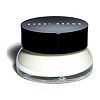
Bobbi Brown Extra Repair Moisturizing Balm SPF25
Works for
2 of 3 advertised claims delivered
Sun protectionSPF 25 · 5 UV filters · Broad spectrumWeak protectionSPF under 30
This product offers broad spectrum sun protection, but it is weak. We recommend to use a broad spectrum sunscreen with at least SPF 30.
Moisturizing18 ingredients credited for this claimStrong support
“Extra Repair Moisturizing Balm SPF25”
This product can help improve hydration of the skin with the two types of ingredients.
The first type is called “humectants”:
these ingredients help attract water.
When humectants are on the surface of the skin, they “pull in” the moisture from the outside environment, or from
within deeper layers of the skin. The following ingredients in this product do the job:
glucosamine hcl, sodium hyaluronate.
This product also contains ingredients called “occlusives”. They help reduce the speed with which our skin loses moisture to the outside environment. These ingredients also help soften the upper layer of the skin, so it feels less tight and nicer to the touch. The following ingredients in this product do the job: bis-diglyceryl polyacyladipate-2, butyrospermum parkii butter.
The following ingredients in this product are especially good for supporting the skin barrier and helping with the hydration level: acetyl hexapeptide-8, linoleic acid
Anti-aging4 ingredients credited for this claimModerate support
“All the powerful ingredients of our cult-favorite moisturizing formula plus broad-spectrum sun protection; this uniquely rich and emollient balm texture helps promote immediate and long-term moisturization while Extra Repair Complex boosts skin's natural collagen production.”
This product contains acetyl hexapeptide-8. This ingredient might be able to help reduce and prevent fine lines and wrinkles, improve skin elasticity and firmness, but there is not enough evidence that it actually works. The biggest anti-aging effect in this product comes from sun protection. Sun damage is the main factor causing early signs of skin aging. We, however, do not recommend using this product as a sunscreen because the protection it offers is not strong enough).
Evens skin toneNot advertised by the brand · 3 ingredients credited for this claimModerate support
The following ingredient (ingredients) in this product might be helpful, but there is no evidence to confirm that it actually works: glucosamine hcl.
The biggest effect for evening out skin tone in this product comes from sun protection. Sun damage is the main factor causing age spots, darkening of post-acne marks and other discolorations. This is why sun protection is the best strategy for maintaining an even skin tone. We, however, do not recommend using this product as a sunscreen because the protection it offers is not strong enough).
Can it cause trouble?
Irritancy11 strong irritants: Benzophenone-3, Salvia sclarea extract + 9 more — patch-test recommendedHigh risk
Comedogenic3 ingredients rated 2 or more on the 0–5 pore-clogging scale3 flagged


User reviews
Ingredients
Filter by role to see what each ingredient is doing.
Ethylhexyl methoxycinnamate7.5%
- Irritation risk
- High
Octinoxate. When used in higher concentrations, works as a sunscreen protecting the skin from UVB rays. When used in lower concentration, helps to preserve the product formulation. Is shown to be harmful to coral reefs - consider avoiding bathing in coral reef areas when wearing a product with this ingredient. It can be irritating
More about Ethylhexyl methoxycinnamateHomosalate5%
- Irritation risk
- Medium
A weak sunscreen that offers some protection against the sun rays that cause sunburn (UVB), but does not offer meaningful protection against protect against the most aging sun rays (UVA). It loses its effectiveness quickly when exposed to sunlight. It is an organic, or so called "chemical" sunscreen. When used in low concentrations, helps to stabilize the product formulation
More about HomosalateBenzophenone-33%
- Irritation risk
- High
Same as oxybenzone. Protects in the UVB and short UVA range. In small concentrations, used to stabilize product formulation. Can be irritating. Is shown to be harmful to coral reefs - consider avoiding bathing in coral reef areas when wearing a product with this ingredient. It can penetrate the skin and get absorbed into bloodstream faster than other popular filters available in the US. The study that produced this finding did not address any potential health effects of the absorption
More about Benzophenone-3Butyl methoxydibenzoylmethane2%
- Irritation risk
- Medium
Avobenzone. An organic, or so-called "chemical" UV filter. Protects against both UVA and UVB rays. Needs to be combined with other filters in a formulation to be stable.
More about Butyl methoxydibenzoylmethaneWater~45–55%
C12-15 alkyl ethylhexanoate~5.5–6.8%
- Irritation risk
- Low
Helps soften the upper layer of the skin and create a nice product finish
More about C12-15 alkyl ethylhexanoateButyloctyl salicylate~5.5–6.7%
- Irritation risk
- Medium
A synthetic ester of salicylic acid that is used to help disperse pigments and boost effectiveness of sunscreen ingredients. It is able to absorb UV light (working as an organic, or chemical filter), but is not approved as a sunscreen ingredient on its own
More about Butyloctyl salicylateButyrospermum parkii butter~4.5–5.5%
- Irritation risk
- Low
- Comedogenicity
- 3/5
A great moisturising ingredient that softens the skin and reduces water loss from its upper layer. It also can be helpful in protecting skin from free radicals
More about Butyrospermum parkii butterPropanediol~3.1–3.8%
- Irritation risk
- Low
Acts as a solvent for other ingredients. Speeds up the absorption of other ingredients into the skin
More about PropanediolCetyl alcohol~2.5–3.1%
- Irritation risk
- Low
A non-drying alcohol that works to soften the skin and stabilize product formulations helping oil and water mix together
More about Cetyl alcoholCetearyl alcohol~2–2.4%
- Irritation risk
- Low
- Comedogenicity
- 2/5
A non-drying alcohol. Works as an emollient. Helps water and oil mix together and creates a nice product texture
More about Cetearyl alcoholGlyceryl stearate~1.7–2.1%
- Irritation risk
- Low
An emollient that softens the skin and forms a protective layer on its surface. Helps water and oil mix together
More about Glyceryl stearateBis-diglyceryl polyacyladipate-2~1.6–2%
- Irritation risk
- Low
Helps soften the upper layer of the skin and reduce water loss from its surface
More about Bis-diglyceryl polyacyladipate-2Polyacrylamide~1.2–1.4%
- Irritation risk
- Medium
Used to improve product texture and help oil and water mix together
More about PolyacrylamideTocopheryl acetate~0.75–1.1%
- Irritation risk
- Medium
A more stable but less bio-available form of vitamin E compared to Tocopherol. Might help moisturize and protect the skin from free radicals, but mostly used in low concentrations to stabilize other ingredients.
More about Tocopheryl acetateNeopentyl glycol diheptanoate~0.7–1.05%
- Irritation risk
- Low
Helps soften the upper layer of the skin and create a nice product consistency
More about Neopentyl glycol diheptanoateSucrose~0.35–0.65%
- Irritation risk
- Low
Can help attract water to the upper layer of the skin. In crystal form, it can work as a gentle exfoliant, gentler than the salt scrub. Helps stabilize the emulsion
More about SucrosePolyethylene~0.95–1.15%
Olea europaea fruit extract~0.6–0.85%
- Irritation risk
- Low
An emollient that helps soften the skin but is not effective for restoring its barrier function. Might be helpful to calm down inflammation
More about Olea europaea fruit extractSalvia sclarea extract~0.4–0.65%
- Irritation risk
- High
Used as a fragrance. Can be irritating
More about Salvia sclarea extractEpilobium angustifolium extract~0.5–0.7%
- Irritation risk
- Medium
A plant extract that might help neutralize free radicals and calm down irritation in skin. However, it can contain compounds that can be irritating themselves
More about Epilobium angustifolium extractTriticum vulgare seed extract~0.45–0.65%
- Irritation risk
- Low
- Comedogenicity
- 2/5
Pisum sativum extract~0.45–0.65%
- Irritation risk
- Medium
Might be helpful in protecting skin collagen and elastin from breaking down but solid research is lacking
More about Pisum sativum extractBambusa vulgaris extract~0.35–0.65%
- Irritation risk
- Low
Rosmarinus officinalis extract~0.3–0.6%
- Irritation risk
- High
Oenothera biennis oil~0.45–0.65%
- Irritation risk
- Medium
Helps soften the upper layer of the skin and can support skin barrier function
More about Oenothera biennis oilPelargonium graveolens flower oil~0.3–0.6%
- Irritation risk
- High
An essential oil. Can be irritating. Can become an allergen with oxidation
More about Pelargonium graveolens flower oilCitrus grandis peel oil~0.3–0.5%
- Irritation risk
- High
A plant oil with high content of volatile compounds that, especially when exposed to air, can cause allergic reactions and irritate the skin
More about Citrus grandis peel oilCitrus aurantium amara flower oil~0.3–0.55%
- Irritation risk
- High
Used as a fragrance. Can be irritating
More about Citrus aurantium amara flower oilAnthemis nobilis flower oil~0.3–0.5%
- Irritation risk
- High
An essential oil that is used as a fragrance and can be irritating. It might have some anti-oxidant effect in skin
More about Anthemis nobilis flower oilChamomilla recutita extract~0.3–0.55%
- Irritation risk
- High
Plant extract that can have healing and anti-inflammatory properties. It is a potential allergen and can be irritating
More about Chamomilla recutita extractWhey protein~0.4–0.65%
- Irritation risk
- Low
A protein derived from milk. In skincare products, might help to soften the upper layer of the skin
More about Whey proteinCholesterol~0.45–0.65%
- Irritation risk
- Low
An emollient that is naturally found in skin
More about CholesterolLinoleic acid~0.6–0.85%
- Irritation risk
- Low
An excellent emollient. Helps soften the skin, restore its barrier function, and can help to calm down inflammation. It can be helpful to prevent blemishes and clogged pores
More about Linoleic acidCaffeine~0.3–0.5%
- Irritation risk
- Medium
Might be helpful in neutralizing free radicals. Can have a dehydration effect that might somewhat decrease the look of puffy eyes
More about CaffeineAcetyl hexapeptide-8~0.3–0.55%
- Irritation risk
- Low
A type of peptide. Peptides are excellent moisturizers and might be able support collagen production reducing fine lines and wrinkles
More about Acetyl hexapeptide-8Sorbitan stearate~0.3–0.6%
Peg-40 stearate~0.35–0.6%
C13-14 isoparaffin~0.4–0.65%
- Irritation risk
- Low
Helps soften the upper layer of the skin, dissolve other ingredients and create a thicker product consistency
More about C13-14 isoparaffinCaprylyl glycol~0.4–0.6%
- Irritation risk
- Medium
Helps preserve products and creates a nice product texture
More about Caprylyl glycolDicetyl phosphate~0.3–0.6%
Ceteth-10 phosphate~0.45–0.7%
Laureth-7~0.35–0.65%
Glucosamine hcl~0.3–0.6%
- Irritation risk
- Low
Might be able to stimulate production of skin's natural moisturizing compounds such as hyaluronic acid. Could be helpful for evening the skin tone.
More about Glucosamine hclTetrahexyldecyl ascorbate~0.3–0.55%
- Irritation risk
- Medium
Being a lipid soluble form of vitamin C, it is more stable than ascorbic acid, but still degrades quickly and needs to be stabilized in a formulation with another ingredient. It is claimed to penetrate skin better than pure vitamin C and have the the similar benefits, but solid studies of its effectiveness are lacking. Is likely to require a higher concentration in a product than pure vitamin C to be effective. It might be able to help reduce pore clogging.
More about Tetrahexyldecyl ascorbateSodium hyaluronate~0.4–0.6%
- Irritation risk
- Low
One of the best moisturizing ingredients. Attracts water into the upper layer of the skin
More about Sodium hyaluronateSodium hydroxide~0.4–0.6%
Hexylene glycol~0.4–0.6%
- Irritation risk
- Medium
Helps create a more spreadable product texture
More about Hexylene glycolXanthan gum~0.4–0.6%
- Irritation risk
- Low
Used to create a thicker product consistency
More about Xanthan gumCitric acid~0.25–0.5%
- Irritation risk
- Medium
Can work as an exfoliant but is typically used to adjust the product pH
More about Citric acidTetrasodium edta~0.25–0.5%
Geraniol~0.2–0.35%
Linalool~0.2–0.35%
Limonene~0.2–0.4%
- Irritation risk
- High
A common frangrance that can easily irritate skin, especially if exposed to air, light or heat
More about LimoneneCitral~0.2–0.35%
Citronellol~0.15–0.25%
Phenoxyethanol~0.2–0.35%
- Irritation risk
- Low
A preservative. It helps prevent bacterial growth in cosmetic products
More about PhenoxyethanolIngredient list view
Ethylhexyl methoxycinnamate, Homosalate, Benzophenone-3, Butyl methoxydibenzoylmethane, Water, C12-15 alkyl ethylhexanoate, Butyloctyl salicylate, Butyrospermum parkii butter, Propanediol, Cetyl alcohol, Cetearyl alcohol, Glyceryl stearate, Bis-diglyceryl polyacyladipate-2, Polyacrylamide, Tocopheryl acetate, Neopentyl glycol diheptanoate, Sucrose, Polyethylene, Olea europaea fruit extract, Salvia sclarea extract, Epilobium angustifolium extract, Triticum vulgare seed extract, Pisum sativum extract, Bambusa vulgaris extract, Rosmarinus officinalis extract, Oenothera biennis oil, Pelargonium graveolens flower oil, Citrus grandis peel oil, Citrus aurantium amara flower oil, Anthemis nobilis flower oil, Chamomilla recutita extract, Whey protein, Cholesterol, Linoleic acid, Caffeine, Acetyl hexapeptide-8, Sorbitan stearate, Peg-40 stearate, C13-14 isoparaffin, Caprylyl glycol, Dicetyl phosphate, Ceteth-10 phosphate, Laureth-7, Glucosamine hcl, Tetrahexyldecyl ascorbate, Sodium hyaluronate, Sodium hydroxide, Hexylene glycol, Xanthan gum, Citric acid, Tetrasodium edta, Geraniol, Linalool, Limonene, Citral, Citronellol, Phenoxyethanol
Compare prices
Retailers ranked by price — lowest first.

Affiliate links · prices updated regularly
Worth comparing, line by line.
Match % combines shared ingredients, the first five ingredients, shared actives and hero ingredients, irritancy (lower counts in the alternative's favour), texture and body area. Only products in the same routine step are compared.
| Bobbi BrownExtra Repair Moisturizing Balm SPF25YOUR PRODUCT | OriginsPlantscription SPF25 Power Anti-Aging Oil-Free Cream | M-61Hydraboost Moisturizer SPF 30 | |
|---|---|---|---|
| Match | — | 59% | 59% |
| Price | $91.22 | $43.89−$47.33 | $78.00−$13.22 |
| Shared key ingredients | — | 9 of 15 | 5 of 15 |
| Key difference | — | Phytosphingosine | Urea |
| Irritancy | High | High | Medium |
| SPF | SPF 25 | SPF 25 | SPF 30 |
| Drying alcohol | — | — | — |
| View product | Shop | Shop |

Product summary
"Bobbi Brown - Extra Repair Moisturizing Balm SPF25" offers broad spectrum protection. It means that it protects from both UVA and UVB rays (you can remember UVB as "burning" sunlight - they cause sunburn. You can remember UVA rays as "aging" - they do not lead to sunburn, but they cause photodamage and contribute to early signs of skin aging and hyperpigmentation). On the negative side, the SPF of this moisturizer is not high enough. We recommend to use a sunscreen with at least SPF 30 daily.
This moisturizer should also be hydrating enough to use without an additional moisturizer during the day.
Sunscreen filters
This is a so-called "chemical" sunscreen. It means that it uses organic UV filters. They typically offer good sun protection and rarely leave a white cast, but they can be irritating for some people with sensitive skin. The UV filters in this sunscreen are: oxybenzone 3.00% (declared), avobenzone 2.00% (declared), butyloctyl salicylate 5.50% - 6.70%, octinoxate 7.50% (declared) and homosalate 5.00% (declared).
Irritation risk
This moisturizer contains a bunch of common irritants, including ingredients that do not provide any known benefit for the skin. It might not be the best choice if your skin is sensitive. We assess the overall irritancy of this moisturizer to be high. For a detailed overview of all potential irritants: click here
You can see the detailed formula review with the breakdown of all actives in the product and the full ingredient list with estimated concentrations in the tables below.
What our users say
Based on 1 review 100% recommend this product- When it comes to comedogenicity, the reviewer believes that it clogs pores.
- As for the white cast, it did not leave a noticeable white residue for the reviewer.
- When it comes to using this sunscreen under makeup, the user found that it pills under a foundation.
Price
The product retails for 110.00$ in the United States.
For a detailed price comparison: click here.
Sources cited in this review
Every concentration estimate and effectiveness label is anchored to one of these 22 studies and safety reviews.
- 1
- 2
- 3
- 4On Photostability of Oxybenzonecore.ac.uk
- 5
- 6

Affiliate links · As an Amazon Associate, WIMJ earns from qualifying purchases.