Works for:
based on ingredients and %- Cleansing
Can it cause trouble?
- Irritation risk: high
- Comedogenic risk ingredients: 2
Key actives

Works for
Cleansing
What does the product description say?
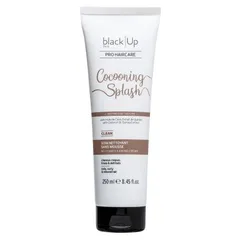
No-Foam Cleansing Cream
Source: From product name
This product works by removing dirt and oil from the surface of the skin.
The following cleansing agents are typically mild, but still can cause an irritation or allergy for some people cetrimonium chloride.
Keep in mind that cleansing can disrupt the skin barrier, and most people do not need to cleanse their skin more than once per day.
How honest is this product?
| Promise | Can it deliver? |
|---|---|
| Cleansing |
Total Promises Fulfilled score: 75/100.
We receive a small commission for purchases made through these links at no cost for you. Thank you for your support! Learn more
Potential irritants
Comedogenic ingredients
User reviews (0)
Averages from community submissions.
No reviews yet for this product.
Be the first to share your experience!
Tried this product?
Help capture what the ingredient list can't—texture, finish, pilling, scent, and more. Answer what you can, skip the rest.
Takes ~30 seconds.
Reviews are shown in aggregate. No personal details.
Key Actives
A plant oil that can help soften the skin. It might be helpful in calming down inflammation, but solid research is lacking. Is often used in lip products to create the needed product consistency
An emollient. Found to be as effective as a moisturizer for dry skin as mineral oil. Could be comedogenic
Potential irritants
Helps to stabilize the product formulation while softening the upper layer of the skin. Can be irritating
An aromatic blend of unspecified and possibly irritating ingredients
Helps oil and water mix together and can enhance the penetration of other ingredients into the skin. It can be irritating
A preservative. Is a frequent allergen in cosmetics
A plant oil that can help soften the skin. It might be helpful in calming down inflammation, but solid research is lacking. Is often used in lip products to create the needed product consistency
An emollient that helps to soften the skin. It has a high contetn of oleic acid that might weaken the skin barrier. Might have some anti-oxidant properties. It might be somewhat helpful against hyperpigmentation.
Can work as an exfoliant but is typically used to adjust the product pH
Comedogenic ingredients
An emollient. Found to be as effective as a moisturizer for dry skin as mineral oil. Could be comedogenic
All ingredients
Helps to stabilize the product formulation while softening the upper layer of the skin. Can be irritating
An aromatic blend of unspecified and possibly irritating ingredients
An emollient. Found to be as effective as a moisturizer for dry skin as mineral oil. Could be comedogenic
A plant oil that can help soften the skin. It might be helpful in calming down inflammation, but solid research is lacking. Is often used in lip products to create the needed product consistency
An emollient that helps to soften the skin. It has a high contetn of oleic acid that might weaken the skin barrier. Might have some anti-oxidant properties. It might be somewhat helpful against hyperpigmentation.
Can work as an exfoliant but is typically used to adjust the product pH
Helps oil and water mix together and can enhance the penetration of other ingredients into the skin. It can be irritating
Might help to attract water to the upper layer of the skin
A preservative. Is a frequent allergen in cosmetics
Pure form of vitamin E. Can help moisturise and protect the skin from free radicals. Often used to help stabilise other ingredients or the formula itself
Ingredient list view
Water, Myristyl alcohol, Cetrimonium chloride, Parfum, Cocos nucifera oil, Potassium sorbate, Sodium benzoate, Butyrospermum parkii oil, Ricinus communis seed oil, Sclerocarya birrea seed oil, Calophyllum inophyllum seed oil, Citric acid, Propylene glycol, Hydrolyzed quinoa, Hydrolyzed silk, Gardenia taitensis flower, Methylchloroisothiazolinone, Tocopherol, Methylisothiazolinone
- Cosmetic allergy from myristyl alcohol
- Contact Sensitization to Emulsifying Agents: An Underrated Issue?
- Patch testing with myristyl alcohol
- Final report on the safety assessment of Ricinus Communis (Castor) Seed Oil, Hydrogenated Castor Oil, Glyceryl Ricinoleate, Glyceryl Ricinoleate SE, Ricinoleic Acid, Potassium Ricinoleate, Sodium Ricinoleate, Zinc Ricinoleate, Cetyl Ricinoleate, Ethyl Ricinoleate, Glycol Ricinoleate, Isopropyl Ricinoleate, Methyl Ricinoleate, and Octyldodecyl Ricinoleate
- Castor Oil: Properties, Uses, and Optimization of Processing Parameters in Commercial Production
- Effect of ricinoleic acid in acute and subchronic experimental models of inflammation
- Anti-aging potential of extracts from Sclerocarya birrea (A. Rich.) Hochst and its chemical profiling by UPLC-Q-TOF-MS
- Physico-chemical composition and characterisation of the seed and seed oil of Sclerocarya birrea
- Assessment of the potential irritancy of oleic acid on human skin: Evaluation in vitro and in vivo
- Surfactants and experimental irritant contact dermatitis
- Propylene Glycol
- Skin-sensitizing and irritant properties of propylene glycol
- Moisturizing efficiency of silk protein hydrolysate: Silk fibroin
- Vitamin E in dermatology
- Vitamin E and Skin Health
- Methylisothiazolinone contact allergy: a review