Works for:
based on ingredients and %- Moisturizing
- Anti-oxidation
- Anti-aging
Can it cause trouble?
- Irritation risk: high
- Comedogenic risk ingredients: 4
Key actives


Product Summary
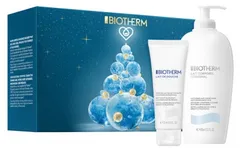
Based on the ingredient list, "BIOTHERM - My Moisturizing Body Routine" can work well for skin moisturization. This moisturizer uses a good combo of humectants and emollients. These both types of ingredients are essentials for improving the skin hydration and keeping the skin barrier healthy. Humectants in this product (urea, alanine, aspartic acid, fructose and glutamic acid) help to increase the water content in the upper layer of the skin. (These ingredients do so by "capturing" water molecules from the outside air or from within the deeper layers of the skin). Emollients in this formulation (paraffinum liquidum, glycine soja oil, dimethicone, dimethiconol and cetyl alcohol) help to reduce the moisture loss from the skin. They also soften the skin surface and relieve the feeling of dryness and tightness.
This product contains ingredients that could be beneficial, but their concentrations are too low in this formulation: vitamin eIrritation risk
This moisturizer contains a bunch of common irritants, including ingredients that do not provide any known benefit for the skin. It might not be the best choice if your skin is sensitive. We assess the overall irritancy of this moisturizer to be high. For a detailed overview of all potential irritants: click here
You can see the detailed formula review with the breakdown of all actives in the product and the full ingredient list with estimated concentrations in the tables below.
Price
The product retails for 19.73£ in the United Kingdom.
For a detailed price comparison: click here.
Works for
Moisturizing
What does the product description say?
My Moisturizing Body Routine
Source: From product name
This product can help improve hydration of the skin with the two types of ingredients.
The first type is called “humectants”:
these ingredients help attract water.
When humectants are on the surface of the skin, they “pull in” the moisture from the outside environment, or from
within deeper layers of the skin. The following ingredients in this product do the job:
alanine, aspartic acid.
This product also contains ingredients called “occlusives”. They help reduce the speed with which our skin loses moisture to the outside environment. These ingredients also help soften the upper layer of the skin, so it feels less tight and nicer to the touch. The following ingredients in this product do the job: dimethicone, dimethiconol.
The following ingredients in this product are especially good for supporting the skin barrier and helping with the hydration level: paraffinum liquidum, urea
Can help attract water to the upper layer of the skin. In crystal form, it can work as a gentle exfoliant, gentler than the salt scrub. Helps stabilize the emulsion
A silicone that helps to reduce water loss from the surface of the skin. Can temporarily "fill in" lines and wrinkles, absorb oil, and create a nice product finish
Mineral oil. One of the most effective and well studied occlusive and emollient moisturizing ingredients. Helps reduce moisture loss in skin and repair skin barrier function
A silicone that makes products more spreadable and keeps skin smooth. Helps to add gloss to skin and may visually fill in fine lines/wrinkles for short time
Helps attract water to the upper layer of the skin
An amino-acid that helps to attract water to the upper layer of the skin and might help to lighten the skin, but solid evidence is lacking
An amino-acid that helps attract water to the upper layer of the skin
One of the best moisturizing ingredients. Naturally present in skin. It attracts water to the upper layer of the skin working as a humectant
An amino-acid that helps increase skin hydration and might help to slightly improve skin firmness, potentially reducing lines and wrinkles
A good emollient that helps soften the skin and helps repair its barrier function. It can clog pores if used in high concentrations.
Naturally present in skin (urea makes up about 7% of natural moisturizing factors in skin). Attracts water to the upper layer of the skin. Also has a positive effect on the skin barrier beyond the humectant action. Can enhance penetration of other ingredients. Is an exfoliating ingredient when used in high concentrations
An emollient that helps soften the skin but is not effective for restoring its barrier function. Might be helpful to calm down inflammation
Helps attract water to the upper layer of the skin. Could be helpful in restoring the skin barrier function
A non-drying alcohol that works to soften the skin and stabilize product formulations helping oil and water mix together
An AHA (alpha-hydroxy acid). It oxidizes quickly which makes it less effective in skincare formulations. It can support skin's barrier and moisture levels
Prevents water loss from the skin surface and thickens the product consistency
Helps oil and water mix together and can enhance the penetration of other ingredients into the skin. It can be irritating
An emollient that softens the skin and forms a protective layer on its surface. Helps water and oil mix together
An emollient that is naturally present in skin and helps soften it
A sugar that is used to stabilize the product formulation. Can help attract water to the upper layer of the skin
Helps soften the upper layer of the skin and create a thicker product consistency
Helps oil and water mix together and works as an emollient
Pure form of vitamin E. Can help moisturise and protect the skin from free radicals. Often used to help stabilise other ingredients or the formula itself
Anti-aging
This product contains aspartic acid. This ingredient might be able to help reduce and prevent fine lines and wrinkles, improve skin elasticity and firmness, but there is not enough evidence that it actually works.
An amino-acid that helps increase skin hydration and might help to slightly improve skin firmness, potentially reducing lines and wrinkles
Pure form of vitamin E. Can help moisturise and protect the skin from free radicals. Often used to help stabilise other ingredients or the formula itself
Anti-oxidation
This product contains antioxidants (tartaric acid) that might be able to help neutralize free radicals in skin to lessen the damage it gets from the UV light (sun). There is not enough evidence to confirm their effectiveness in skin though.
An AHA (alpha-hydroxy acid). It oxidizes quickly which makes it less effective in skincare formulations. It can support skin's barrier and moisture levels
Pure form of vitamin E. Can help moisturise and protect the skin from free radicals. Often used to help stabilise other ingredients or the formula itself
How honest is this product?
| Promise | Can it deliver? |
|---|---|
| Moisturizing |
Total Promises Fulfilled score: 100/100.
We receive a small commission for purchases made through these links at no cost for you. Thank you for your support! Learn more
Affiliate link · supports WIMJ at no cost to you
Potential irritants
Comedogenic ingredients
User reviews (0)
Averages from community submissions.
No reviews yet for this product.
Be the first to share your experience!
Tried this product?
Help capture what the ingredient list can't—texture, finish, pilling, scent, and more. Answer what you can, skip the rest.
Takes ~30 seconds.
Reviews are shown in aggregate. No personal details.
| Product | Similarity | Price | Irritancy |
|---|---|---|---|
 BIOTHERM My Moisturizing Body Routine | Current | $19.73 | |
SVR XERIAL 30 Body Cream | 80% | $15.00 | |
 Avène Akérat Body Cream | 77% | $11.00 | |
Eau Thermale Avene Akerat 10 Body Cream | 77% | $15.00 | |
 Clinique iD™: Dramatically Different Moisturizing Lotion™ + ACC for Fatigue | 70% | $41.00 | |
 Garnier Ultimate Blends Honey Body Lotion Very Dry Skin | 70% | $2.99 |
Key Actives
Used for skin exfoliation. It has an anti-inflammatory and anti-bacterial effect, helps to unclog pores, prevent blemishes and speed up healing of the existing ones. Sometimes referred to as a BHA (beta-hydroxy acid)
Pure form of vitamin E. Can help moisturise and protect the skin from free radicals. Often used to help stabilise other ingredients or the formula itself
An AHA (alpha-hydroxy acid). It oxidizes quickly which makes it less effective in skincare formulations. It can support skin's barrier and moisture levels
A silicone that helps to reduce water loss from the surface of the skin. Can temporarily "fill in" lines and wrinkles, absorb oil, and create a nice product finish
Naturally present in skin (urea makes up about 7% of natural moisturizing factors in skin). Attracts water to the upper layer of the skin. Also has a positive effect on the skin barrier beyond the humectant action. Can enhance penetration of other ingredients. Is an exfoliating ingredient when used in high concentrations
An amino-acid that helps increase skin hydration and might help to slightly improve skin firmness, potentially reducing lines and wrinkles
An amino-acid that helps to attract water to the upper layer of the skin and might help to lighten the skin, but solid evidence is lacking
One of the best moisturizing ingredients. Naturally present in skin. It attracts water to the upper layer of the skin working as a humectant
Mineral oil. One of the most effective and well studied occlusive and emollient moisturizing ingredients. Helps reduce moisture loss in skin and repair skin barrier function
A good emollient that helps soften the skin and helps repair its barrier function. It can clog pores if used in high concentrations.
Helps attract water to the upper layer of the skin
A silicone that makes products more spreadable and keeps skin smooth. Helps to add gloss to skin and may visually fill in fine lines/wrinkles for short time
Can help attract water to the upper layer of the skin. In crystal form, it can work as a gentle exfoliant, gentler than the salt scrub. Helps stabilize the emulsion
An amino-acid that helps attract water to the upper layer of the skin
Might be able to enhance blood flow in the skin. Can be irritating and result in skin redness
One of the best moisturizing ingredients. Naturally present in skin. It attracts water to the upper layer of the skin working as a humectant
Potential irritants
Helps oil and water mix together and can enhance the penetration of other ingredients into the skin. It can be irritating
A common frangrance that can easily irritate skin, especially if exposed to air, light or heat
Used as a fragrance. It can be irritating and cause photosensitivity
A plant oil with high content of volatile compounds that, especially when exposed to air, can cause allergic reactions and irritate the skin
Might be able to enhance blood flow in the skin. Can be irritating and result in skin redness
An aromatic blend of unspecified and possibly irritating ingredients
Works as a foaming cleansing agent
Helps oil and water mix together and works as a cleansing agent. Can be allergenic
A common frangrance that can easily irritate skin, especially if exposed to air, light or heat
Used as a fragrance. It can be irritating and cause photosensitivity
Used for skin exfoliation. It has an anti-inflammatory and anti-bacterial effect, helps to unclog pores, prevent blemishes and speed up healing of the existing ones. Sometimes referred to as a BHA (beta-hydroxy acid)
An aromatic blend of unspecified and possibly irritating ingredients
An emollient that helps soften the skin but is not effective for restoring its barrier function. Might be helpful to calm down inflammation
Used to adjust pH of the product and can help improve the product's smell
Helps soften the upper layer of the skin and create a thicker product consistency
A good emollient that helps soften the skin and helps repair its barrier function. It can clog pores if used in high concentrations.
Helps oil and water mix together. Could be comedogenic
Helps oil and water mix together and works as a cleansing agent
Maintains the texture of skincare products. Allows the product to spread evenly. Helps oil and water mix together
An AHA (alpha-hydroxy acid). It oxidizes quickly which makes it less effective in skincare formulations. It can support skin's barrier and moisture levels
An emollient that helps soften the skin but is not effective for restoring its barrier function. Might be helpful to calm down inflammation
Can work as an exfoliant but is typically used to adjust the product pH
Comedogenic ingredients
Helps soften the upper layer of the skin and create a thicker product consistency
A good emollient that helps soften the skin and helps repair its barrier function. It can clog pores if used in high concentrations.
Helps oil and water mix together. Could be comedogenic
Works as a foaming cleansing agent
All ingredients
An emollient that helps soften the skin but is not effective for restoring its barrier function. Might be helpful to calm down inflammation
One of the best moisturizing ingredients. Naturally present in skin. It attracts water to the upper layer of the skin working as a humectant
A silicone that helps to reduce water loss from the surface of the skin. Can temporarily "fill in" lines and wrinkles, absorb oil, and create a nice product finish
Helps oil and water mix together and can enhance the penetration of other ingredients into the skin. It can be irritating
Used to adjust pH of the product and can help improve the product's smell
A common frangrance that can easily irritate skin, especially if exposed to air, light or heat
Helps soften the upper layer of the skin and create a thicker product consistency
Used as a fragrance. It can be irritating and cause photosensitivity
Mineral oil. One of the most effective and well studied occlusive and emollient moisturizing ingredients. Helps reduce moisture loss in skin and repair skin barrier function
A non-drying alcohol that works to soften the skin and stabilize product formulations helping oil and water mix together
A good emollient that helps soften the skin and helps repair its barrier function. It can clog pores if used in high concentrations.
A plant oil with high content of volatile compounds that, especially when exposed to air, can cause allergic reactions and irritate the skin
Naturally present in skin (urea makes up about 7% of natural moisturizing factors in skin). Attracts water to the upper layer of the skin. Also has a positive effect on the skin barrier beyond the humectant action. Can enhance penetration of other ingredients. Is an exfoliating ingredient when used in high concentrations
An amino-acid that helps increase skin hydration and might help to slightly improve skin firmness, potentially reducing lines and wrinkles
Prevents water loss from the skin surface and thickens the product consistency
Helps create a thicker or gel-like product texture. It is not a surfactant but can be used in gentle cleansing formulations
Helps attract water to the upper layer of the skin. Could be helpful in restoring the skin barrier function
An emollient that softens the skin and forms a protective layer on its surface. Helps water and oil mix together
A silicone that makes products more spreadable and keeps skin smooth. Helps to add gloss to skin and may visually fill in fine lines/wrinkles for short time
Helps oil and water mix together. Could be comedogenic
An emollient that is naturally present in skin and helps soften it
An amino-acid that helps to attract water to the upper layer of the skin and might help to lighten the skin, but solid evidence is lacking
Can help attract water to the upper layer of the skin. In crystal form, it can work as a gentle exfoliant, gentler than the salt scrub. Helps stabilize the emulsion
An amino-acid that helps attract water to the upper layer of the skin
A sugar that is used to stabilize the product formulation. Can help attract water to the upper layer of the skin
Might be able to enhance blood flow in the skin. Can be irritating and result in skin redness
Pure form of vitamin E. Can help moisturise and protect the skin from free radicals. Often used to help stabilise other ingredients or the formula itself
A preservative. It helps prevent bacterial growth in cosmetic products
An aromatic blend of unspecified and possibly irritating ingredients
Works as a foaming cleansing agent
One of the best moisturizing ingredients. Naturally present in skin. It attracts water to the upper layer of the skin working as a humectant
Helps oil and water mix together and works as a cleansing agent. Can be allergenic
A common frangrance that can easily irritate skin, especially if exposed to air, light or heat
Used as a fragrance. It can be irritating and cause photosensitivity
Used to stabilize mixtures of oil and water, and create thicker, gel-like product textures
Helps oil and water mix together and works as a cleansing agent
Maintains the texture of skincare products. Allows the product to spread evenly. Helps oil and water mix together
A preservative. It helps prevent bacterial growth in cosmetic products
An AHA (alpha-hydroxy acid). It oxidizes quickly which makes it less effective in skincare formulations. It can support skin's barrier and moisture levels
Used for skin exfoliation. It has an anti-inflammatory and anti-bacterial effect, helps to unclog pores, prevent blemishes and speed up healing of the existing ones. Sometimes referred to as a BHA (beta-hydroxy acid)
Helps soften the upper layer of the skin and create a nice product finish
An emollient that helps soften the skin but is not effective for restoring its barrier function. Might be helpful to calm down inflammation
An aromatic blend of unspecified and possibly irritating ingredients
Can work as an exfoliant but is typically used to adjust the product pH
Ingredient list view
Unknown, Milk, Water, Olea europaea fruit oil, Glycerin, Dimethicone, Propylene glycol, Triethanolamine, Limonene, Isopropyl palmitate, Citrus aurantium dulcis oil, Stearic acid, Paraffinum liquidum, Cetyl alcohol, Glycine soja oil, Citrus grandis peel oil, Urea, Aspartic acid, Paraffin, Carbomer, Glucose, Fructose, Glyceryl stearate, Dimethiconol, Sodium lauroyl oat amino acids, Myristic acid, Palmitic acid, Alanine, Sucrose, Vitreoscilla ferment, Xanthan gum, Glutamic acid, Dextrin, Ethylhexylglycerin, Hexyl nicotinate, Hexylene glycol, Tocopherol, Sodium dehydroacetate, Phenoxyethanol, Linalool, Citral, Parfum, Milk, Water, Sodium laureth sulfate, Hexylene glycol, Glycerin, Glycol distearate, Coco-betaine, Cocamide mea, Limonene, Citrus aurantium dulcis oil, Sodium chloride, Polysorbate 20, Disodium cocoamphodiacetate, Acrylates/c10-30 alkyl acrylate crosspolymer, Sodium benzoate, Phenoxyethanol, Sodium hydroxide, Tartaric acid, Salicylic acid, Citrus grandis seed oil, Polyquaternium-7, Ci 77891, Olea europaea fruit oil, Parfum, Citral, Linalool, Unknown, Citric acid
- Use of “natural” oils for moisturization: Review of olive, coconut, and sunflower seed oil
- Glycerol and the skin: holistic approach to its origin and functions
- Dimethicone as a protective ingredient in topical medications
- Final Report on the Safety Assessment of Dimethicone Copolyol
- Surfactants and experimental irritant contact dermatitis
- Propylene Glycol
- Skin-sensitizing and irritant properties of propylene glycol
- Final Report on the Safety Assessment of Isopropyl Isostearate
- Safety Assessment of Citrus-Derived Peel Oils as Used in Cosmetics
- Oxidized citrus oil (R-limonene): A frequent skin sensitizer in Europe
- Air oxidation increases skin irritation from fragrance terpenes
- A review on the extensive skin benefits of mineral oil
- Topical urea in skincare: A review
- Acetyl aspartic acid, a novel active ingredient, demonstrates potential to improve signs of skin ageing: from consumer need to clinical proof
- In vivo topical application of acetyl aspartic acid increases fibrillin-1 and collagen IV deposition leading to a significant improvement of skin firmness
- Topical Glucose Induces Claudin-1 and Filaggrin Expression in a Mouse Model of Atopic Dermatitis and in Keratinocyte Culture, Exerting Anti-inflammatory Effects by Repairing Skin Barrier Function
- The fatty acid profile of the skin surface lipid layer in papulopustular rosacea
- Combination of amino acids reduces pigmentation in B16F0 melanoma cells
- The effects of topically applied hexyl nicotinate lotion on the cutaneous blood flow in patients with Raynaud's phenomenon
- Hexyl-Nicotinate-Induced Vasodilation in Normal Human Skin
- Differences among moisturizers in affecting skin susceptibility to hexyl nicotinate, measured as time to increase skin blood flow
- Vitamin E in dermatology
- Vitamin E and Skin Health
- 4 Final Report on the Safety Assessment of Sodium Dehydroacetate and Dehydroacetic Acid
- Control of keratinization with á-hydroxy acids and related compounds: I. Topical treatment of ichthyotic disorders
- Dual Effects of Alpha-Hydroxy Acids on the Skin
- Method of treating wrinkles using tartaric acid
- Impact of the condition of storage of tartaric acid solutions on the production and stability of glyoxylic acid
- Salicylic acid as a peeling agent: a comprehensive review
- Beta Hydroxy Acids
- A review of toxicity from topical salicylic acid preparations
- Glycolic Acid Peels Versus Salicylic–Mandelic Acid Peels in Active Acne Vulgaris and Post‐Acne Scarring and Hyperpigmentation: A Comparative Study