Works for:
based on ingredients and %- Cleansing
Doesn't work for:
based on ingredients and %- Exfoliation
Can it cause trouble?
- Irritation risk: high
- Comedogenic risk ingredients: 2
Key actives

Cleansing
What does the product description say?
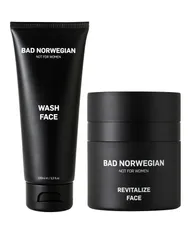
Revitalize Face + Wash Face
Source: From product name
This product works by removing dirt and oil from the surface of the skin. It uses a combination of mild cleansing agents (carbomer, cetearyl alcohol, decyl glucoside, polyglyceryl-6 distearate, xanthan gum) and should be able to cleanse the skin gently. Still keep in mind that any cleansing can disrupt the skin barrier, and most people do not need to cleanse their skin more than once per day.
Even though this formulation is mild, the following cleansing agents could trigger an irritation or allergy for some people: decyl glucoside
Helps create a thicker or gel-like product texture. It is not a surfactant but can be used in gentle cleansing formulations
A non-drying alcohol. Works as an emollient. Helps water and oil mix together and creates a nice product texture
Helps oil and water mix together. Can be irritating
Helps oil and water mix together while softening the upper layer of the skin
Used to create a thicker product consistency
Helps oil and water mix together and works as an emollient
Exfoliation
What does the product description say?
The perfect daily cleansing scrub, Wash Face is laced with menthol to give skin an awakening boost first thing in the morning, apricot seed to help slough away dead and dulling skin cells to reveal bright, smooth skin, cannabis seed oil to maintain moisture balance, strengthen the skin's moisture barrier and keep skin looking happy and healthy.
Source: Cultbeauty
This product might help exfoliate the skin with urea, but This ingredient is not the most effective.
Naturally present in skin (urea makes up about 7% of natural moisturizing factors in skin). Attracts water to the upper layer of the skin. Also has a positive effect on the skin barrier beyond the humectant action. Can enhance penetration of other ingredients. Is an exfoliating ingredient when used in high concentrations
Used for skin exfoliation. It has an anti-inflammatory and anti-bacterial effect, helps to unclog pores, prevent blemishes and speed up healing of the existing ones. Sometimes referred to as a BHA (beta-hydroxy acid)
How honest is this product?
| Promise | Can it deliver? |
|---|---|
| Cleansing | |
| Exfoliation |
Total Promises Fulfilled score: 75/100.
We receive a small commission for purchases made through these links at no cost for you. Thank you for your support! Learn more
Affiliate link · supports WIMJ at no cost to you
Potential irritants
Comedogenic ingredients
User reviews (0)
Averages from community submissions.
No reviews yet for this product.
Be the first to share your experience!
Tried this product?
Help capture what the ingredient list can't—texture, finish, pilling, scent, and more. Answer what you can, skip the rest.
Takes ~30 seconds.
Reviews are shown in aggregate. No personal details.
| Product | Similarity | Price | Irritancy |
|---|---|---|---|
 BAD NORWEGIAN Revitalize Face + Wash Face | Current | ≈ $105.61 | |
SheaMoisture African Black Soap Clarifying Facial Wash and Scrub | 80% | ≈ $6.95 | |
Colleen Rothschild Beauty Purifying Cleanser | 80% | ≈ $104.97 | |
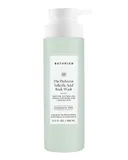 Naturium THE PERFECTOR SALICYLIC ACID BODY WASH | 79% | $6.00 | |
 YEOUTH Vitamin C Facial Cleanser Day/Night Cream | 79% | $41.90 | |
 Acnemy ZITCLEAN PURIFYING CLEANSING GEL | 79% | - |
Key Actives
Used for skin exfoliation. It has an anti-inflammatory and anti-bacterial effect, helps to unclog pores, prevent blemishes and speed up healing of the existing ones. Sometimes referred to as a BHA (beta-hydroxy acid)
Pure form of vitamin E. Can help moisturise and protect the skin from free radicals. Often used to help stabilise other ingredients or the formula itself
Pure form of vitamin E. Can help moisturise and protect the skin from free radicals. Often used to help stabilise other ingredients or the formula itself
A great moisturising ingredient that softens the skin and reduces water loss from its upper layer. It also can be helpful in protecting skin from free radicals
A non-drying alcohol. Works as an emollient. Helps water and oil mix together and creates a nice product texture
Helps support skin barrier function improving skin hydration and reducing sensitivity
Naturally present in skin (urea makes up about 7% of natural moisturizing factors in skin). Attracts water to the upper layer of the skin. Also has a positive effect on the skin barrier beyond the humectant action. Can enhance penetration of other ingredients. Is an exfoliating ingredient when used in high concentrations
A type of peptide. Peptides are excellent moisturizers and might be able support collagen production reducing fine lines and wrinkles
Helps oil and water mix together while softening the upper layer of the skin
Helps oil and water mix together and works as an emollient
One of the best moisturizing ingredients. Naturally present in skin. It attracts water to the upper layer of the skin working as a humectant
An oil naturally present in skin. Works as an emollient to soften the skin and form a protective layer on its surface without a greasy feeling.
A good mix of fatty acids that forms a protective layer on the skin. Improves the shelf life of products. Derived from coconut and glycerin
Softens the upper layer of skin and helps restore the healthy skin barrier. Has shown to help calm down inflammation in skin. It is a stable oil, meaning that it retains its properties even when exposed to air.
Helps create a thicker or gel-like product texture. It is not a surfactant but can be used in gentle cleansing formulations
Used to create a thicker product consistency
Helps oil and water mix together. Can be irritating
An oil naturally present in skin. Works as an emollient to soften the skin and form a protective layer on its surface without a greasy feeling.
One of the best moisturizing ingredients. Naturally present in skin. It attracts water to the upper layer of the skin working as a humectant
A good mix of fatty acids that forms a protective layer on the skin. Improves the shelf life of products. Derived from coconut and glycerin
An emollient made of jojoba oil. Helps soften the skin and support its barrier function
Helps soften the upper layer of the skin and support skin's barrier function while creating a thicker product consistency
Helps to attract water to the upper layer of the skin
A plant oil that due to its high linoleic acid content can help strengthen skin's barrier function and soften its upper layer
Used to create a thicker product consistency
A great emollient due to its high linoleic acid content. One of the most effective plant oils in helping skin hydration and repairing skin barrier function
Potential irritants
Claimed to have anti-oxidant properties but it is unlikely that it can have an effect in the skin
Used for skin exfoliation. It has an anti-inflammatory and anti-bacterial effect, helps to unclog pores, prevent blemishes and speed up healing of the existing ones. Sometimes referred to as a BHA (beta-hydroxy acid)
A plant extract that might have some anti-oxidant properties, but evidence of effectiveness in skin is lacking
Helps preserve products. Can mask unpleasant smell. Could be irritating
Can be drying and contribute to skin irritation. Used in formulars to dissolve other ingredients, create a thinner product consistency or for its antibacterial properties
Traditionally used to treat sunburns, dermatitis and inflammation, but evidence for its effectiveness is lacking. The extract can contain humectants that help attract water into the skin
A good mix of fatty acids that forms a protective layer on the skin. Improves the shelf life of products. Derived from coconut and glycerin
Softens the upper layer of skin and helps restore the healthy skin barrier. Has shown to help calm down inflammation in skin. It is a stable oil, meaning that it retains its properties even when exposed to air.
A more stable but less bio-available form of vitamin E compared to Tocopherol. Might help moisturize and protect the skin from free radicals, but mostly used in low concentrations to stabilize other ingredients.
Maintains the texture of skincare products. Allows the product to spread evenly. Helps oil and water mix together
Helps preserve products and creates a nice product texture
Helps to control the skin's pH level. Maintains the skin's natural film of amino-lactic acids and oils. Helps to preserve products
Can work as an exfoliant but is typically used to adjust the product pH
Helps oil and water mix together while softening the upper layer of the skin
An emollient made of jojoba oil. Helps soften the skin and support its barrier function
A plant oil that due to its high linoleic acid content can help strengthen skin's barrier function and soften its upper layer
Comedogenic ingredients
A great moisturising ingredient that softens the skin and reduces water loss from its upper layer. It also can be helpful in protecting skin from free radicals
A non-drying alcohol. Works as an emollient. Helps water and oil mix together and creates a nice product texture
All ingredients
Traditionally used to treat sunburns, dermatitis and inflammation, but evidence for its effectiveness is lacking. The extract can contain humectants that help attract water into the skin
Claimed to have anti-oxidant properties but it is unlikely that it can have an effect in the skin
One of the best moisturizing ingredients. Naturally present in skin. It attracts water to the upper layer of the skin working as a humectant
An oil naturally present in skin. Works as an emollient to soften the skin and form a protective layer on its surface without a greasy feeling.
A good mix of fatty acids that forms a protective layer on the skin. Improves the shelf life of products. Derived from coconut and glycerin
A great moisturising ingredient that softens the skin and reduces water loss from its upper layer. It also can be helpful in protecting skin from free radicals
A non-drying alcohol. Works as an emollient. Helps water and oil mix together and creates a nice product texture
Softens the upper layer of skin and helps restore the healthy skin barrier. Has shown to help calm down inflammation in skin. It is a stable oil, meaning that it retains its properties even when exposed to air.
A preservative. It helps prevent bacterial growth in cosmetic products
A more stable but less bio-available form of vitamin E compared to Tocopherol. Might help moisturize and protect the skin from free radicals, but mostly used in low concentrations to stabilize other ingredients.
Pure form of vitamin E. Can help moisturise and protect the skin from free radicals. Often used to help stabilise other ingredients or the formula itself
Maintains the texture of skincare products. Allows the product to spread evenly. Helps oil and water mix together
Helps create a thicker or gel-like product texture. It is not a surfactant but can be used in gentle cleansing formulations
Helps support skin barrier function improving skin hydration and reducing sensitivity
Naturally present in skin (urea makes up about 7% of natural moisturizing factors in skin). Attracts water to the upper layer of the skin. Also has a positive effect on the skin barrier beyond the humectant action. Can enhance penetration of other ingredients. Is an exfoliating ingredient when used in high concentrations
Helps preserve products and creates a nice product texture
Helps to control the skin's pH level. Maintains the skin's natural film of amino-lactic acids and oils. Helps to preserve products
Helps attract water to the upper layer of the skin. Could be helpful in restoring the skin barrier function
Can work as an exfoliant but is typically used to adjust the product pH
Used for skin exfoliation. It has an anti-inflammatory and anti-bacterial effect, helps to unclog pores, prevent blemishes and speed up healing of the existing ones. Sometimes referred to as a BHA (beta-hydroxy acid)
A type of peptide. Peptides are excellent moisturizers and might be able support collagen production reducing fine lines and wrinkles
Helps oil and water mix together while softening the upper layer of the skin
An oil naturally present in skin. Works as an emollient to soften the skin and form a protective layer on its surface without a greasy feeling.
One of the best moisturizing ingredients. Naturally present in skin. It attracts water to the upper layer of the skin working as a humectant
A good mix of fatty acids that forms a protective layer on the skin. Improves the shelf life of products. Derived from coconut and glycerin
Helps soften the upper layer of the skin while creating a non-greasy feel on the skin. Helps to dissolve other ingredients
An emollient made of jojoba oil. Helps soften the skin and support its barrier function
Helps soften the upper layer of the skin and support skin's barrier function while creating a thicker product consistency
A plant oil that due to its high linoleic acid content can help strengthen skin's barrier function and soften its upper layer
A plant extract that might have some anti-oxidant properties, but evidence of effectiveness in skin is lacking
Pure form of vitamin E. Can help moisturise and protect the skin from free radicals. Often used to help stabilise other ingredients or the formula itself
Used to thicken product formulations and create gel-like textures
A more stable but less bio-available form of vitamin E compared to Tocopherol. Might help moisturize and protect the skin from free radicals, but mostly used in low concentrations to stabilize other ingredients.
Can work as an exfoliant but is typically used to adjust the product pH
Helps preserve products. Can mask unpleasant smell. Could be irritating
A great emollient due to its high linoleic acid content. One of the most effective plant oils in helping skin hydration and repairing skin barrier function
Can be drying and contribute to skin irritation. Used in formulars to dissolve other ingredients, create a thinner product consistency or for its antibacterial properties
Ingredient list view
Water, Aloe barbadensis leaf juice, Actinidia chinensis fruit water, Glycerin, Squalane, Caprylic/capric triglyceride, Butyrospermum parkii butter, Cetearyl alcohol, Simmondsia chinensis seed oil, Phenoxyethanol, Pseudoalteromonas ferment extract, Tocopheryl acetate, Tocopherol, Acrylates/c10-30 alkyl acrylate crosspolymer, Carbomer, Ethylhexylglycerin, Xanthan gum, Sodium hydroxide, Calcium pantothenate, Urea, Caprylyl glycol, Magnesium chloride, Potassium chloride, Potassium lactate, Magnesium lactate, Sodium citrate, Glucose, Citric acid, Vanillyl butyl ether, Salicylic acid, Acetyl hexapeptide-8, Water, Decyl glucoside, Polyglyceryl-6 distearate, Squalane, Glycerin, Caprylic/capric triglyceride, Stearic acid, Dicaprylyl ether, Jojoba esters, Helianthus annuus seed wax, Acacia decurrens flower wax, Polyglycerin-3, Cannabis sativa seed oil, Xanthan gum, Actinidia chinensis fruit extract, Menthol, Tocopherol, Hydroxyethylcellulose, Levulinic acid, Tocopheryl acetate, Sodium levulinate, Prunus armeniaca seed powder, Citric acid, P-anisic acid, Helianthus annuus seed oil, Sodium phytate, Potassium sorbate, Sodium benzoate, Alcohol
- Glycerol and the skin: holistic approach to its origin and functions
- Vitamin E in dermatology
- Vitamin E and Skin Health
- Calcium pantothenate modulates gene expression in proliferating human dermal fibroblasts
- Dexpanthenol Modulates Gene Expression in Skin Wound Healing in vivo
- Dexapanthenol enhances skin barrier repair and reduces inflammation after sodium lauryl sulphate-induced irritation
- Topical urea in skincare: A review
- Topical Glucose Induces Claudin-1 and Filaggrin Expression in a Mouse Model of Atopic Dermatitis and in Keratinocyte Culture, Exerting Anti-inflammatory Effects by Repairing Skin Barrier Function
- Salicylic acid as a peeling agent: a comprehensive review
- Beta Hydroxy Acids
- A review of toxicity from topical salicylic acid preparations
- Glycolic Acid Peels Versus Salicylic–Mandelic Acid Peels in Active Acne Vulgaris and Post‐Acne Scarring and Hyperpigmentation: A Comparative Study
- Ecofriendly surfactant is allergen of the year
- Effect of Olive and Sunflower Seed Oil on the Adult Skin Barrier: Implications for Neonatal Skin Care
- Final Report of the Safety Assessment of Acacia Catechu Gum, Acacia Concinna Fruit Extract, Acacia Dealbata Leaf Extract, Acacia Dealbata Leaf Wax, Acacia Decurrens Extract, Acacia Farnesiana Extract, Acacia Farnesiana Flower Wax, Acacia Farnesiana Gum, Acacia Senegal Extract, Acacia Senegal Gum, and Acacia Senegal Gum Extract1
- Hemp (Cannabis sativa L.) seed oil: Analytical and phytochemical characterization of unsaponifiable fraction
- Hemp (Cannabis sativa L.) as a Resource for Green Cosmetics
- Sodium anisate
- Topically Applied Sunflower Seed Oil Prevents Invasive Bacterial Infections in Preterm Infants in Egypt
- Effect of topically applied lipids on surfactant-irritated skin
- Impact of topical oils on the skin barrier: possible implications for neonatal health in developing countries