Works for:
based on ingredients and %- Moisturizing
- Anti-aging
Can it cause trouble?
- Irritation risk: high
- Comedogenic risk ingredients: 0
Key actives

Works for
Moisturizing
What does the product description say?
Moisture-boosting Hyaluronic Acid Skin-improving Copper Peptides Nourishing plant probiotics.
Source: Content
This product contains good ingredients to attract water to the upper layer of the skin. These ingredients are called "humectants": glycerin, hydrolyzed hyaluronic acid.
When humectants are on the surface of the skin, they “pull in” the moisture from the outside environment, or from within deeper layers of the skin. If the air is dry, humectants can speed up the moisture loss from the skin. This is why it is a good idea to use another product on top of this one to help "seal in" the moisture (look for ingredients like dimethicone, squalane, oils and butters).
The following ingredients in this product are especially good for supporting the skin barrier and helping with the hydration level: pisum sativum peptide
A plant extract that can help attract water to the upper layer of the skin and might help to reduce inflammation
One of the best moisturizing ingredients. Naturally present in skin. It attracts water to the upper layer of the skin working as a humectant
One of the best moisturizing ingredients. Attracts water into the upper layer of the skin. A version of it is naturally present in skin
A fermentation product created by bacteria Lactobacillus. The fermented product has anti-bacterial properties and might be helpful in calming down inflammation, but studies are lacking. Helps attract water to the upper layer of the skin. Can be used as a preservative
Helps attract water to the upper layer of the skin. Could be helpful in restoring the skin barrier function
Used to preserve products, dissolve other ingredients and create a nice product texture
Traditionally used to treat sunburns, dermatitis and inflammation, but evidence for its effectiveness is lacking. The extract can contain humectants that help attract water into the skin
Used to add a nice rose smell to the product. Might help attract water to the upper layer of the skin and have some anti-oxidant effect. Can be irritating
A plant extract that might be able to attract water to the upper layer of the skin, soften it and have some antioxidant effect, but evidence of effectiveness in skin is lacking
Used as a fragrance. Can be irritating
Anti-aging
This product contains pisum sativum peptide. This ingredient might be able to help reduce and prevent fine lines and wrinkles, improve skin elasticity and firmness, but there is not enough evidence that it actually works.
How honest is this product?
| Promise | Can it deliver? |
|---|---|
| Moisturizing |
Total Promises Fulfilled score: 100/100.
We receive a small commission for purchases made through these links at no cost for you. Thank you for your support! Learn more
Potential irritants
Comedogenic ingredients
No comedogenic ingredients detected
User reviews (0)
Averages from community submissions.
No reviews yet for this product.
Be the first to share your experience!
Tried this product?
Help capture what the ingredient list can't—texture, finish, pilling, scent, and more. Answer what you can, skip the rest.
Takes ~30 seconds.
Reviews are shown in aggregate. No personal details.
| Product | Similarity | Price | Irritancy |
|---|---|---|---|
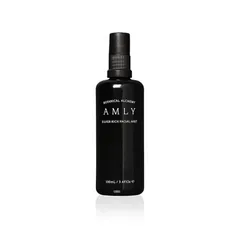
 AMLY Radiance Boost Face Mist | Current | $64.24 | |
 Illamasqua Hydra Setting Spray | 54% | ≈ $10.67 | |
 OSKIA Adaptive Tan Mist | 51% | ≈ $76.01 | |
 Nourish London Antioxidant Peptide Mist | 50% | ≈ $27.99 |
Key Actives
A fermentation product created by bacteria Lactobacillus. The fermented product has anti-bacterial properties and might be helpful in calming down inflammation, but studies are lacking. Helps attract water to the upper layer of the skin. Can be used as a preservative
A plant extract that might help neutralize free radicals in skin
A plant extract that can help attract water to the upper layer of the skin and might help to reduce inflammation
One of the best moisturizing ingredients. Naturally present in skin. It attracts water to the upper layer of the skin working as a humectant
One of the best moisturizing ingredients. Attracts water into the upper layer of the skin. A version of it is naturally present in skin
Potential irritants
Used to add a nice rose smell to the product. Might help attract water to the upper layer of the skin and have some anti-oxidant effect. Can be irritating
A plant extract that one one hand, can contain compounds that can help calm down skin irritation, but, on the other hand, its other compounds (especially fragrant ones) can themselves be irritating
A plant extract that can be irritating. It might contain a compound anthocyanin that could be helpful in neutralizing free radicals
A plant extract that might help neutralize free radicals in skin
A plant extract that can help attract water to the upper layer of the skin and might help to reduce inflammation
A plant extract that might have anti-oxidant properties. Can be irritating
A plant extract that is used as a fragrance. Its main fragrant compound is linalool
An essential oil that is used as a fragrance and can be irritating. It might have some anti-oxidant effect in skin
A preservative. Can be used to mask unpleasant smell. Can be irritating
A common frangrance that can easily irritate skin, especially if exposed to air, light or heat
Fragrance with sweet balsamic smell. Help to preserve products and dissolve other ingredients. Could trigger allergic reactions and be irritating
Traditionally used to treat sunburns, dermatitis and inflammation, but evidence for its effectiveness is lacking. The extract can contain humectants that help attract water into the skin
A plant extract that might help neutralize free radicals in skin, but research on its efficacy in skin is lacking
A plant extract that might be able to attract water to the upper layer of the skin, soften it and have some antioxidant effect, but evidence of effectiveness in skin is lacking
A preservative that comes from radishes fermented by a bacteria. New research suggests that the preservation properties in the ingredient come from an ammonium salt that is not present naturally in radish root but used in its cultivation. Is problematic because the exact amount of the preservative agents is difficult to determine
Used to preserve products, dissolve other ingredients and create a nice product texture
Can work as an exfoliant but is typically used to adjust the product pH
Comedogenic ingredients
We couldn't find any comedogenic ingredients in this product
All ingredients
Used to add a nice rose smell to the product. Might help attract water to the upper layer of the skin and have some anti-oxidant effect. Can be irritating
A plant extract that one one hand, can contain compounds that can help calm down skin irritation, but, on the other hand, its other compounds (especially fragrant ones) can themselves be irritating
Traditionally used to treat sunburns, dermatitis and inflammation, but evidence for its effectiveness is lacking. The extract can contain humectants that help attract water into the skin
One of the best moisturizing ingredients. Naturally present in skin. It attracts water to the upper layer of the skin working as a humectant
A fermentation product created by bacteria Lactobacillus. The fermented product has anti-bacterial properties and might be helpful in calming down inflammation, but studies are lacking. Helps attract water to the upper layer of the skin. Can be used as a preservative
A plant extract that can be irritating. It might contain a compound anthocyanin that could be helpful in neutralizing free radicals
A plant extract that might help neutralize free radicals in skin, but research on its efficacy in skin is lacking
A plant extract that might help neutralize free radicals in skin
A plant extract that can help attract water to the upper layer of the skin and might help to reduce inflammation
A plant extract that might have anti-oxidant properties. Can be irritating
A plant extract that is used as a fragrance. Its main fragrant compound is linalool
A plant extract that might be able to attract water to the upper layer of the skin, soften it and have some antioxidant effect, but evidence of effectiveness in skin is lacking
One of the best moisturizing ingredients. Attracts water into the upper layer of the skin. A version of it is naturally present in skin
A preservative that comes from radishes fermented by a bacteria. New research suggests that the preservation properties in the ingredient come from an ammonium salt that is not present naturally in radish root but used in its cultivation. Is problematic because the exact amount of the preservative agents is difficult to determine
An essential oil that is used as a fragrance and can be irritating. It might have some anti-oxidant effect in skin
Helps attract water to the upper layer of the skin. Could be helpful in restoring the skin barrier function
Used to preserve products, dissolve other ingredients and create a nice product texture
Can work as an exfoliant but is typically used to adjust the product pH
A preservative. Can be used to mask unpleasant smell. Can be irritating
A common frangrance that can easily irritate skin, especially if exposed to air, light or heat
Fragrance with sweet balsamic smell. Help to preserve products and dissolve other ingredients. Could trigger allergic reactions and be irritating
Ingredient list view
Water, Citrus aurantium dulcis flower water, Rosa damascena flower water, Anthemis nobilis flower extract, Aloe barbadensis leaf extract, Glycerin, Lactobacillus ferment, Pisum sativum peptide, Hibiscus sabdariffa flower extract, Rosa damascena flower extract, Vaccinium myrtillus fruit extract, Crataegus monogyna fruit extract, Sambucus nigra flower extract, Althaea officinalis root extract, Equisetum arvense extract, Hypericum perforatum leaf extract, Alchemilla vulgaris leaf extract, Achillea millefolium flower extract, Selaginella lepidophylla extract, Hydrolyzed hyaluronic acid, Bis(tripeptide-1) copper acetate, Leuconostoc/radish root ferment filtrate, Citrus aurantium flower oil, Rosa damascena flower oil, Boswellia carterii gum oil, Jasminum officinale flower oil, Rosa damascena flower oil, Anthemis nobilis flower oil, Silver citrate, Polyglyceryl-4 caprate, Rapeseed acid, Glucose, Hydroxyacetophenone, Dehydroacetic acid, Pentylene glycol, Citric acid, Benzyl alcohol, Limonene, Linalool, Geraniol, Citronellol, Benzyl benzoate, Farnesol
- Annex I: Clinical evidence regarding sensitisation to individual fragrance chemicals and to natural extracts
- Glycerol and the skin: holistic approach to its origin and functions
- The effect of probiotics on immune regulation, acne, and photoaging
- Comparison of clinical and histological effects between lactobacillus-fermented Chamaecyparis obtusa and tea tree oil for the treatment of acne: an eight-week double-blind randomized controlled split-face study
- Use of Probiotics for Dermal Applications
- Anthocyanin-rich extract from Hibiscus sabdariffa calyx counteracts UVC-caused impairments in rats
- Hibiscus sabdariffa L. – A phytochemical and pharmacological review
- Liposome-containing Hibiscus sabdariffa calyx extract formulations with increased antioxidant activity, improved dermal penetration and reduced dermal toxicity
- Lonicera caerulea and Vaccinium myrtillus fruit polyphenols protect HaCaT keratinocytes against UVB-induced phototoxic stress and DNA damage
- Herbal Medicine: Biomolecular and Clinical Aspects. 2nd edition.
- The antioxidant properties of alcoholic extracts from Sambucus nigra L. (antioxidant properties of extracts)
- Inhibition of Proinflammatory Activities of Major Periodontal Pathogens by Aqueous Extracts From Elder Flower (Sambucus nigra)
- Amended Safety Assessment of Achillea Millefolium-Derived Ingredients as Used in Cosmetics
- Natural products from resurrection plants: Potential for medical applications
- Efficacy of a New Topical Nano-hyaluronic Acid in Humans
- Physiochemical properties and application of hyaluronic acid: a systematic review
- Safety Assessment of Anthemis nobilis– Derived Ingredients as Used in Cosmetics
- Topical Glucose Induces Claudin-1 and Filaggrin Expression in a Mouse Model of Atopic Dermatitis and in Keratinocyte Culture, Exerting Anti-inflammatory Effects by Repairing Skin Barrier Function
- 4 Final Report on the Safety Assessment of Sodium Dehydroacetate and Dehydroacetic Acid