Works for:
based on ingredients and %- Exfoliation
- Cleansing
Can it cause trouble?
- Irritation risk: high
- Comedogenic risk ingredients: 3
Key actives

Works for
Exfoliation
What does the product description say?
The creamy formula of the cleanser features a blend of skin friendly AHAs and papaya enzymes to perform a gentle but effective exfoliating action.
Source: SpaceNK
This product can help exfoliate the skin. In other words, it helps break down the bonds between dead cells on the surface of the skin and speed up the skin turnover. Skin often appears softer and brighter after exfoliation, but overdoing it can result in disrupted skin barrier. The following ingredient is doing the exfoliating job in this product: glycolic acid.
An alpha-hydroxy acid (AHA) that helps to remove the dead skin cells on the surface of the skin reveling a more even, smoother complexation. It is also able to stimulate collagen production with long-term use. Could help to reduce pore congestion. It can be irritating to the skin. Apply sunscreen daily if using products with glycolic acid
An enzyme-based exfoliant
An exfoliating and moisturizing alpha-hydroxy acid (AHA). Typically causes less irritation than other AHAs, for example, glycolic acid. At high concentrations (about 15%), lactic acid can help reduce lines and wrinkles. Recent studies show that lactic acid can support the "good" bacteria living on skin's surface (healthy skin microbiome)
Cleansing
What does the product description say?
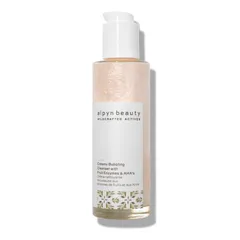
Creamy Bubbling Cleanser
Source: SpaceNK
This product works by removing dirt and oil from the surface of the skin.
The following cleansing agents are typically mild, but still can cause an irritation or allergy for some people sodium methyl cocoyl taurate.
Keep in mind that cleansing can disrupt the skin barrier, and most people do not need to cleanse their skin more than once per day.
Helps oil and water mix together and works as an emollient
Helps water and oil mix together. Can be used as a cleansing agent
Helps oil and water mix together. Can be used as cleansing agent
A non-drying alcohol. Works as an emollient. Helps water and oil mix together and creates a nice product texture
Helps create a more spreadable product texture
Helps water and oil mix together. Has anti-bacterial properties that might be helpful in preventing blemishes
An excellent emollient. Helps soften the skin, restore its barrier function, and can help to calm down inflammation. It can be helpful to prevent blemishes and clogged pores
Helps oil and water mix together. Could be comedogenic
An emollient that is naturally present in skin and helps soften it
How honest is this product?
| Promise | Can it deliver? |
|---|---|
| Exfoliation | |
| Cleansing |
Total Promises Fulfilled score: 87/100.
We receive a small commission for purchases made through these links at no cost for you. Thank you for your support! Learn more
Potential irritants
Comedogenic ingredients
User reviews (0)
Averages from community submissions.
No reviews yet for this product.
Be the first to share your experience!
Tried this product?
Help capture what the ingredient list can't—texture, finish, pilling, scent, and more. Answer what you can, skip the rest.
Takes ~30 seconds.
Reviews are shown in aggregate. No personal details.
| Product | Similarity | Price | Irritancy |
|---|---|---|---|
 Alpyn Beauty Creamy Bubbling Cleanser | Current | $36.00 | |
 CeraVe Gel Moussant Anti-Imperfections | 48% | - | |
 YEOUTH Vitamin C Facial Cleanser Day/Night Cream | 48% | $41.90 | |
 Cinch Skin Cleanse + Glow Micellar Water | 47% | ≈ $14.01 | |
 endota spa Glycolic Exfoliating Cleanser | 46% | ≈ $35.12 | |
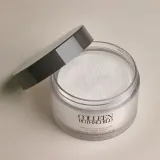 Colleen Rothschild Beauty Glycolic Acid Peel Pads with Blue Agave | 45% | - |
Key Actives
An alpha-hydroxy acid (AHA) that helps to remove the dead skin cells on the surface of the skin reveling a more even, smoother complexation. It is also able to stimulate collagen production with long-term use. Could help to reduce pore congestion. It can be irritating to the skin. Apply sunscreen daily if using products with glycolic acid
An exfoliating and moisturizing alpha-hydroxy acid (AHA). Typically causes less irritation than other AHAs, for example, glycolic acid. At high concentrations (about 15%), lactic acid can help reduce lines and wrinkles. Recent studies show that lactic acid can support the "good" bacteria living on skin's surface (healthy skin microbiome)
An excellent emollient. Helps soften the skin, restore its barrier function, and can help to calm down inflammation. It can be helpful to prevent blemishes and clogged pores
Helps water and oil mix together. Has anti-bacterial properties that might be helpful in preventing blemishes
A non-drying alcohol. Works as an emollient. Helps water and oil mix together and creates a nice product texture
Helps oil and water mix together and works as an emollient
A type of lipid similar to ceramides naturally present in skin. Helps to soften the upper layer of the skin and supports the skin barrier function to keep it hydrated. Can help to prevent inflammation in skin
A plant extract that has anti-bacterial properties. Can be used to preserve the product. Can be irritating
An emollient that is naturally present in skin and helps soften it
One of the best moisturizing ingredients. Naturally present in skin. It attracts water to the upper layer of the skin working as a humectant
Helps water and oil mix together. Can be used as a cleansing agent
Helps oil and water mix together. Can be used as cleansing agent
Helps oil and water mix together. Could be comedogenic
One of the best moisturizing ingredients. Attracts water into the upper layer of the skin
Softens the upper layer of skin and helps restore the healthy skin barrier. Has shown to help calm down inflammation in skin. It is a stable oil, meaning that it retains its properties even when exposed to air.
Helps create a more spreadable product texture
Potential irritants
Helps oil and water mix together. Can be used as cleansing agent
A plant extract that can help calm down inflammation in skin. Can, however, itself be irritating
An enzyme-based exfoliant
An alpha-hydroxy acid (AHA) that helps to remove the dead skin cells on the surface of the skin reveling a more even, smoother complexation. It is also able to stimulate collagen production with long-term use. Could help to reduce pore congestion. It can be irritating to the skin. Apply sunscreen daily if using products with glycolic acid
The most well-researched antioxidant that works in skin. Helps neutralize free radicals supporting collagen production, helping to even out the skin tone and preventing early signs of aging
A plant extract that has some anti-oxidant and anti-bacterial properties. Can be irritating
A preservative. Can be used to mask unpleasant smell. Can be irritating
Can be drying and contribute to skin irritation. Used in formulars to dissolve other ingredients, create a thinner product consistency or for its antibacterial properties
An essentil oil from orange peel. Potential allergen and can be irritating
An essential oil. Potential allergen and can be irritating. It has some anti-bacterial properties
A plant extract that might help neutralize free radicals in skin. It can be irritating
A plant extract that has anti-bacterial properties. Can be used to preserve the product. Can be irritating
Helps oil and water mix together and works as a cleansing agent
A common frangrance that can easily irritate skin, especially if exposed to air, light or heat
Helps water and oil mix together. Can be used as a cleansing agent
Helps oil and water mix together. Could be comedogenic
An exfoliating and moisturizing alpha-hydroxy acid (AHA). Typically causes less irritation than other AHAs, for example, glycolic acid. At high concentrations (about 15%), lactic acid can help reduce lines and wrinkles. Recent studies show that lactic acid can support the "good" bacteria living on skin's surface (healthy skin microbiome)
Softens the upper layer of skin and helps restore the healthy skin barrier. Has shown to help calm down inflammation in skin. It is a stable oil, meaning that it retains its properties even when exposed to air.
A plant oil that helps soften the upper layer of the skin. Is unlikely to be helpful in restoring skin barrier function due to the low content of linoleic acid
Helps water and oil mix together. Has anti-bacterial properties that might be helpful in preventing blemishes
A preservative that comes from radishes fermented by a bacteria. New research suggests that the preservation properties in the ingredient come from an ammonium salt that is not present naturally in radish root but used in its cultivation. Is problematic because the exact amount of the preservative agents is difficult to determine
Comedogenic ingredients
Helps oil and water mix together. Could be comedogenic
A non-drying alcohol. Works as an emollient. Helps water and oil mix together and creates a nice product texture
Helps water and oil mix together. Has anti-bacterial properties that might be helpful in preventing blemishes
All ingredients
One of the best moisturizing ingredients. Naturally present in skin. It attracts water to the upper layer of the skin working as a humectant
Helps water and oil mix together. Can be used as a cleansing agent
Helps oil and water mix together. Can be used as cleansing agent
A plant extract that can help calm down inflammation in skin. Can, however, itself be irritating
Helps oil and water mix together. Could be comedogenic
A non-drying alcohol. Works as an emollient. Helps water and oil mix together and creates a nice product texture
An enzyme-based exfoliant
An alpha-hydroxy acid (AHA) that helps to remove the dead skin cells on the surface of the skin reveling a more even, smoother complexation. It is also able to stimulate collagen production with long-term use. Could help to reduce pore congestion. It can be irritating to the skin. Apply sunscreen daily if using products with glycolic acid
An exfoliating and moisturizing alpha-hydroxy acid (AHA). Typically causes less irritation than other AHAs, for example, glycolic acid. At high concentrations (about 15%), lactic acid can help reduce lines and wrinkles. Recent studies show that lactic acid can support the "good" bacteria living on skin's surface (healthy skin microbiome)
The most well-researched antioxidant that works in skin. Helps neutralize free radicals supporting collagen production, helping to even out the skin tone and preventing early signs of aging
One of the best moisturizing ingredients. Attracts water into the upper layer of the skin
A type of lipid similar to ceramides naturally present in skin. Helps to soften the upper layer of the skin and supports the skin barrier function to keep it hydrated. Can help to prevent inflammation in skin
An excellent emollient. Helps soften the skin, restore its barrier function, and can help to calm down inflammation. It can be helpful to prevent blemishes and clogged pores
Softens the upper layer of skin and helps restore the healthy skin barrier. Has shown to help calm down inflammation in skin. It is a stable oil, meaning that it retains its properties even when exposed to air.
A plant extract that has some anti-oxidant and anti-bacterial properties. Can be irritating
A preservative. Can be used to mask unpleasant smell. Can be irritating
Can be drying and contribute to skin irritation. Used in formulars to dissolve other ingredients, create a thinner product consistency or for its antibacterial properties
An essentil oil from orange peel. Potential allergen and can be irritating
An essential oil. Potential allergen and can be irritating. It has some anti-bacterial properties
A plant extract that might help neutralize free radicals in skin. It can be irritating
A plant extract that has anti-bacterial properties. Can be used to preserve the product. Can be irritating
A plant oil that helps soften the upper layer of the skin. Is unlikely to be helpful in restoring skin barrier function due to the low content of linoleic acid
An emollient that is naturally present in skin and helps soften it
Helps water and oil mix together. Has anti-bacterial properties that might be helpful in preventing blemishes
Used to stabilize mixtures of oil and water, and create thicker, gel-like product textures
Helps oil and water mix together and works as a cleansing agent
A preservative that comes from radishes fermented by a bacteria. New research suggests that the preservation properties in the ingredient come from an ammonium salt that is not present naturally in radish root but used in its cultivation. Is problematic because the exact amount of the preservative agents is difficult to determine
A common frangrance that can easily irritate skin, especially if exposed to air, light or heat
Ingredient list view
Water, Glycerin, Sodium cocoyl isethionate, Sodium methyl cocoyl taurate, Hamamelis virginiana leaf extract, Myristic acid, Cetearyl alcohol, Lactobacillus/punica granatum fruit ferment extract, Stearic acid, Polyacrylate-33, Carica papaya fruit extract, Sodium cocoyl apple amino acids, Glycolic acid, Lactic acid, Ascorbic acid, Coconut acid, Tromethamine, Sodium hyaluronate, Ceramide ng, Linoleic acid, Simmondsia chinensis seed oil, Unknown, Unknown, Calendula officinalis flower extract, Unknown, Salvia officinalis leaf extract, Dehydroacetic acid, Benzyl alcohol, Potassium sorbate, Alcohol, Citrus aurantium dulcis peel oil, Lavandula angustifolia oil, Eclipta prostrata extract, Melia azadirachta leaf extract, Moringa oleifera seed oil, Palmitic acid, Lauric acid, Sodium isethionate, Sodium chloride, Sodium methyltaurate, Hexylene glycol, Tetrasodium glutamate diacetate, Sodium benzoate, Leuconostoc/radish root ferment filtrate, Limonene, Linalool
- Glycerol and the skin: holistic approach to its origin and functions
- Final Report on the Safety Assessment of Sodium Cocoyl Isethionate
- Safety Assessment of Alkyl Taurate Amides and Taurate Salts as Used in Cosmetics
- The fatty acid profile of the skin surface lipid layer in papulopustular rosacea
- Photoprotective and antiinflammatory effects of topical glycolic acid
- Glycolic acid peel therapy – a current review
- Dual Effects of Alpha-Hydroxy Acids on the Skin
- Epidermal and dermal effects of topical lactic acid
- Dual Effects of Alpha-Hydroxy Acids on the Skin
- Safety Assessment of Tromethamine as Used in Cosmetics
- Hyaluronic acid: A key molecule in skin aging
- Hyaluronan (Hyaluronic Acid): a natural moisturizer for skin care
- Topical emulsions containing ceramides: Effects on the skin barrier function and anti‐inflammatory properties
- Topically Applied Ceramides Interact with the Stratum Corneum Lipid Matrix in Compromised Ex Vivo Skin
- The Permeability Barrier in Essential Fatty Acid Deficiency: Evidence for a Direct Role for Linoleic Acid in Barrier Function
- Digital image analysis of the effect of topically applied linoleic acid on acne microcomedones.
- Topical application of Calendula officinalis (L.): Formulation and evaluation of hydrophilic cream with antioxidant activity
- The seamy side of natural medicines: contact sensitization to arnica (Arnica montana L.) and marigold (Calendula officinalis L.)
- Final report on the safety assessment of Calendula officinalis extract and Calendula officinalis
- Contact dermatitis as an adverse reaction to some topically used European herbal medicinal products – part 1: Achillea millefolium–Curcuma longa
- Allergic contact dermatitis caused by Salvia officinalis extract
- 4 Final Report on the Safety Assessment of Sodium Dehydroacetate and Dehydroacetic Acid
- Potent Antioxidative and UVB Protective Effect of Water Extract of Eclipta prostrata L.
- Melia azedarach
- Preliminary and Pharmacological Profile of Melia azedarach L.: An Overview
- Moringa oleifera seed oil: Composition, nutritional aspects and health attributes
- Moringa oleifera Seeds and Oil: Characteristics and Uses for Human Health