Doesn't work for:
based on ingredients and %- Moisturizing
- Exfoliation
- Evens skin tone
Can it cause trouble?
- Irritation risk: high
- Comedogenic risk ingredients: 1
Key actives
Does not work for
Moisturizing
What does the product description say?
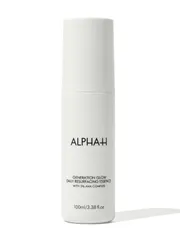
But what makes this formulation so unique is the combination of AHAs with fermented postbiotic-rich Australian botanicals, including Native Snowflower, Tasmanian Blue Gum, Chamomile, which work in tandem to support the skin’s barrier function, maintain hydration, and protect against free radical damage.
Source: Sephora New Zealand
Does not contain the most effective ingredients for moisturization. The emollients (coco-caprylate/caprate, caprylyl glycol) can help soften the upper layer of the skin. Keep in mind though that this product lacks humectants that attract water. You might want to use a separate product with ingredients like hyaluronic acid or glycerin in addition (use before this product for the best results).
Sugar extract that helps attract water to the upper layer of the skin
Helps to soften the upper layer of the skin without creating a greasy texture
A "broth" with parts of dead cells of lactobacteria. Might be helpful supporting diverse microbiome in skin, but evidence is lacking
Helps preserve products and creates a nice product texture
Improves the texture of the product and helps soften the skin. Helps oil and water mix together and can be used as a cleansing agent
Used to create a nice product texture and help delivery of other ingredients. Might be somewhat helpful in attracting water to the upper layer of the skin
An exfoliating and moisturizing alpha-hydroxy acid (AHA). Typically causes less irritation than other AHAs, for example, glycolic acid. At high concentrations (about 15%), lactic acid can help reduce lines and wrinkles. Recent studies show that lactic acid can support the "good" bacteria living on skin's surface (healthy skin microbiome)
Can contain potent anti-oxidant compounds (abbreviated ECG, GCG, EGC, and EGCG) that might help protect the skin from free radicals. Can help calm down inflammation and has some anti-bacterial properties. Unfortunately, these antioxidants are unstable and lose their effectiveness very quickly in products. The concentration of the antioxidant compounds in the extract also tends to be low to be effective in topical formulation
Evens skin tone
What does the product description say?
5% AHAs including Lactic, Citric, Tartaric, and Malic Acid to increase luminosity, even tone and texture.
Source: Alpha-H
Effective ingredients missing or their concentration is too low
An exfoliating and moisturizing alpha-hydroxy acid (AHA). Typically causes less irritation than other AHAs, for example, glycolic acid. At high concentrations (about 15%), lactic acid can help reduce lines and wrinkles. Recent studies show that lactic acid can support the "good" bacteria living on skin's surface (healthy skin microbiome)
Can contain potent anti-oxidant compounds (abbreviated ECG, GCG, EGC, and EGCG) that might help protect the skin from free radicals. Can help calm down inflammation and has some anti-bacterial properties. Unfortunately, these antioxidants are unstable and lose their effectiveness very quickly in products. The concentration of the antioxidant compounds in the extract also tends to be low to be effective in topical formulation
Exfoliation
What does the product description say?
A gentle yet powerful daily AHA exfoliator designed to smooth, even and brighten complexions.
Source: Alpha-H
This product does not contain effective exfoliating ingredients. It might be able to deliver physical exfoliation, that is scrub off some of the dead cells on the surface of the skin. We do not recommend physical exfoliation, because it is not uniform (some bits of skin can get exfoliated too much while others not at all). It can also traumatize the skin and aggrevate acne and other skin conditions.
An exfoliating and moisturizing alpha-hydroxy acid (AHA). Typically causes less irritation than other AHAs, for example, glycolic acid. At high concentrations (about 15%), lactic acid can help reduce lines and wrinkles. Recent studies show that lactic acid can support the "good" bacteria living on skin's surface (healthy skin microbiome)
How honest is this product?
| Promise | Can it deliver? |
|---|---|
| Moisturizing | |
| Exfoliation | |
| Evens skin tone |
Total Promises Fulfilled score: 16/100.
We receive a small commission for purchases made through these links at no cost for you. Thank you for your support! Learn more
Affiliate link · supports WIMJ at no cost to you
Potential irritants
Comedogenic ingredients
User reviews (0)
Averages from community submissions.
No reviews yet for this product.
Be the first to share your experience!
Tried this product?
Help capture what the ingredient list can't—texture, finish, pilling, scent, and more. Answer what you can, skip the rest.
Takes ~30 seconds.
Reviews are shown in aggregate. No personal details.
Key Actives
Sugar extract that helps attract water to the upper layer of the skin
Potential irritants
A plant extract that is used as a fragrance. Can be irritating and lead to photosensitivity
Used as a fragrance. Can be irritating and cause photosensitivity
An essential oil that can be irritating. Has some anti-bacterial properties
Plant extract that can have healing and anti-inflammatory properties. It is a potential allergen and can be irritating
A plant extract that one one hand, can contain compounds that can help calm down skin irritation, but, on the other hand, its other compounds (especially fragrant ones) can themselves be irritating
A plant extract that might help neutralize free radicals in skin, but research on its efficacy in skin is lacking
A more stable but less bio-available form of vitamin E compared to Tocopherol. Might help moisturize and protect the skin from free radicals, but mostly used in low concentrations to stabilize other ingredients.
Helps preserve products and creates a nice product texture
An exfoliating and moisturizing alpha-hydroxy acid (AHA). Typically causes less irritation than other AHAs, for example, glycolic acid. At high concentrations (about 15%), lactic acid can help reduce lines and wrinkles. Recent studies show that lactic acid can support the "good" bacteria living on skin's surface (healthy skin microbiome)
A plant extract that contains small percentage of AHAs. Is unlikely to have any skin benefit due the small concentration of the active compounds
Can work as an exfoliant but is typically used to adjust the product pH
Comedogenic ingredients
All ingredients
Used to create a nice product texture and help delivery of other ingredients. Might be somewhat helpful in attracting water to the upper layer of the skin
A plant extract that might help neutralize free radicals in skin, but research on its efficacy in skin is lacking
Helps water and oil mix together and create gel-like textures
Sugar extract that helps attract water to the upper layer of the skin
A preservative. It helps prevent bacterial growth in cosmetic products
Improves the texture of the product and helps soften the skin. Helps oil and water mix together and can be used as a cleansing agent
Used to thicken product formulations and create gel-like textures
A more stable but less bio-available form of vitamin E compared to Tocopherol. Might help moisturize and protect the skin from free radicals, but mostly used in low concentrations to stabilize other ingredients.
Helps preserve products and creates a nice product texture
Helps create a thicker or gel-like product texture. It is not a surfactant but can be used in gentle cleansing formulations
A plant extract that is used as a fragrance. Can be irritating and lead to photosensitivity
Used as a fragrance. Can be irritating and cause photosensitivity
Helps to soften the upper layer of the skin without creating a greasy texture
An exfoliating and moisturizing alpha-hydroxy acid (AHA). Typically causes less irritation than other AHAs, for example, glycolic acid. At high concentrations (about 15%), lactic acid can help reduce lines and wrinkles. Recent studies show that lactic acid can support the "good" bacteria living on skin's surface (healthy skin microbiome)
An essential oil that can be irritating. Has some anti-bacterial properties
A plant extract that contains small percentage of AHAs. Is unlikely to have any skin benefit due the small concentration of the active compounds
Plant extract that can have healing and anti-inflammatory properties. It is a potential allergen and can be irritating
A plant extract that one one hand, can contain compounds that can help calm down skin irritation, but, on the other hand, its other compounds (especially fragrant ones) can themselves be irritating
Can contain potent anti-oxidant compounds (abbreviated ECG, GCG, EGC, and EGCG) that might help protect the skin from free radicals. Can help calm down inflammation and has some anti-bacterial properties. Unfortunately, these antioxidants are unstable and lose their effectiveness very quickly in products. The concentration of the antioxidant compounds in the extract also tends to be low to be effective in topical formulation
Can work as an exfoliant but is typically used to adjust the product pH
A "broth" with parts of dead cells of lactobacteria. Might be helpful supporting diverse microbiome in skin, but evidence is lacking
Ingredient list view
Water, Butylene glycol, Dodecane, Vaccinium myrtillus fruit extract, Acrylamide/sodium acryloyldimethyltaurate copolymer, Saccharum officinarum extract, Phenoxyethanol, Polysorbate 80, Isohexadecane, Hydroxyethylcellulose, Tocopheryl acetate, Caprylyl glycol, Eucalyptus globulus leaf extract, Carbomer, Citrus aurantium dulcis fruit extract, Citrus limon fruit extract, Coco-caprylate/caprate, Lactic acid, Melaleuca alternifolia leaf extract, Acer saccharum extract, Chamomilla recutita flower extract, Sorbitan oleate, Hydroxyacetophenone, Sodium benzoate, 1,2-hexanediol, Anthemis nobilis flower extract, Camellia sinensis leaf extract, Citric acid, Decyl glucoside, Lauryl glucoside, Lavandula angustifolia flower/leaf/stem extract, Mentha viridis extract, Pogostemon cablin leaf extract, Rose extract, Lactobacillus ferment lysate, Saccharomyces lysate
- Lonicera caerulea and Vaccinium myrtillus fruit polyphenols protect HaCaT keratinocytes against UVB-induced phototoxic stress and DNA damage
- Herbal Medicine: Biomolecular and Clinical Aspects. 2nd edition.
- Safety Assessment of Citrus Fruit-Derived Ingredients as Used in Cosmetics
- Photosensitivity in children: An approach to diagnosis and management
- Safety Assessment of Citrus-Derived Peel Oils as Used in Cosmetics
- Safety Assessment of Alkyl Esters as Used in Cosmetics