Works for:
based on ingredients and %- Cleansing
Doesn't work for:
based on ingredients and %- Exfoliation
Can it cause trouble?
- Irritation risk: high
- Comedogenic risk ingredients: 0
Key actives

Cleansing
What does the product description say?
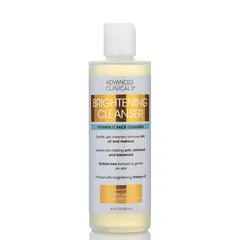
Vitamin C Face Cleanser
Source: From product name
This product works by removing dirt and oil from the surface of the skin. It uses a combination of mild cleansing agents (cocamidopropyl betaine, coco-glucoside, decyl glucoside, glyceryl oleate, peg-150 distearate, peg-150 pentaerythrityl tetrastearate, polysorbate 20, ppg-2 hydroxyethyl cocamide, sodium c14-16 olefin sulfonate) and should be able to cleanse the skin gently. Still keep in mind that any cleansing can disrupt the skin barrier, and most people do not need to cleanse their skin more than once per day.
Even though this formulation is mild, the following cleansing agents could trigger an irritation or allergy for some people: cocamidopropyl betaine, coco-glucoside, decyl glucoside, glyceryl oleate, sodium c14-16 olefin sulfonate
Helps water and oil mix together. Used as a cleansing ingredient. Could be an allergen
Used as a cleansing agent (surfactant) in cleansers. Helps water and oil mix together in lotions. Can be irritating
Helps oil and water mix together. Can be irritating
Helps oil and water mix together. Can be irritating
Helps oil and water mix together
Helps oil and water mix together
Helps oil and water mix together
Helps oil and water mix together and used as a cleansing agent. Can be irritating and is better avoided for sensitive skin
Exfoliation
What does the product description say?
Exfoliating formula helps to soften skin imperfections and uneven tones with Ferulic Acid.
Source: Advanced Clinicals
This product does not contain effective exfoliating ingredients. It might be able to deliver physical exfoliation, that is scrub off some of the dead cells on the surface of the skin. We do not recommend physical exfoliation, because it is not uniform (some bits of skin can get exfoliated too much while others not at all). It can also traumatize the skin and aggrevate acne and other skin conditions.
How honest is this product?
| Promise | Can it deliver? |
|---|---|
| Cleansing | |
| Exfoliation |
Total Promises Fulfilled score: 50/100.
We receive a small commission for purchases made through these links at no cost for you. Thank you for your support! Learn more
Potential irritants
Comedogenic ingredients
No comedogenic ingredients detected
User reviews (0)
Averages from community submissions.
No reviews yet for this product.
Be the first to share your experience!
Tried this product?
Help capture what the ingredient list can't—texture, finish, pilling, scent, and more. Answer what you can, skip the rest.
Takes ~30 seconds.
Reviews are shown in aggregate. No personal details.
| Product | Similarity | Price | Irritancy |
|---|---|---|---|
 ADVANCED CLINICALS Vitamin C Face Cleanser | Current | $15.95 | |
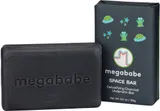 megababe Space Bar Detoxifying Charcoal Underarm Bar | 57% | $15.94 |
Key Actives
Can contain potent anti-oxidant compounds (abbreviated ECG, GCG, EGC, and EGCG) that might help protect the skin from free radicals. Can help calm down inflammation and has some anti-bacterial properties. Unfortunately, these antioxidants are unstable and lose their effectiveness very quickly in products. The concentration of the antioxidant compounds in the extract also tends to be low to be effective in topical formulation
A potent anti-oxidant that has been shown to be effective in neutralizing free radicals in skin. There seem to have a synergetic effect of ferulic acid, vitamin E and C, meaning that when the ingredients are used together, they enhance each other's ability protect the skin against free radicals. Ferulic acid also helps to stabilize other ingredients - including vitamins C and E. It can help to even out the skin tone. Ferulic acid is approved for use as a sunscreen ingredient in Japan in concentrations up to 10%
Pure form of vitamin E. Can help moisturise and protect the skin from free radicals. Often used to help stabilise other ingredients or the formula itself
The most well-researched antioxidant that works in skin. Helps neutralize free radicals supporting collagen production, helping to even out the skin tone and preventing early signs of aging
One of the best moisturizing ingredients. Naturally present in skin. It attracts water to the upper layer of the skin working as a humectant
Helps oil and water mix together and used as a cleansing agent. Can be irritating and is better avoided for sensitive skin
Helps water and oil mix together. Used as a cleansing ingredient. Could be an allergen
Helps oil and water mix together. Can be irritating
Used as a cleansing agent (surfactant) in cleansers. Helps water and oil mix together in lotions. Can be irritating
Helps oil and water mix together. Can be irritating
Helps oil and water mix together
Potential irritants
Helps oil and water mix together and used as a cleansing agent. Can be irritating and is better avoided for sensitive skin
Helps water and oil mix together. Used as a cleansing ingredient. Could be an allergen
The most well-researched antioxidant that works in skin. Helps neutralize free radicals supporting collagen production, helping to even out the skin tone and preventing early signs of aging
An essential oil that can be irritating. Has some anti-bacterial properties
A plant extract that might have some anti-inflammatory properties, but solid evidence is lacking. It can be irritating
Used as a cleansing agent (surfactant) in cleansers. Helps water and oil mix together in lotions. Can be irritating
A common frangrance that can easily irritate skin, especially if exposed to air, light or heat
Traditionally used to treat sunburns, dermatitis and inflammation, but evidence for its effectiveness is lacking. The extract can contain humectants that help attract water into the skin
Might be somewhat helpful in reducing hyperpigmentation and neutralizing free radicals but its typical concentration in a product is too low for having an effect
Can work as an exfoliant but is typically used to adjust the product pH
Comedogenic ingredients
We couldn't find any comedogenic ingredients in this product
All ingredients
One of the best moisturizing ingredients. Naturally present in skin. It attracts water to the upper layer of the skin working as a humectant
Helps oil and water mix together and used as a cleansing agent. Can be irritating and is better avoided for sensitive skin
Helps water and oil mix together. Used as a cleansing ingredient. Could be an allergen
The most well-researched antioxidant that works in skin. Helps neutralize free radicals supporting collagen production, helping to even out the skin tone and preventing early signs of aging
Traditionally used to treat sunburns, dermatitis and inflammation, but evidence for its effectiveness is lacking. The extract can contain humectants that help attract water into the skin
An essential oil that can be irritating. Has some anti-bacterial properties
A potent anti-oxidant that has been shown to be effective in neutralizing free radicals in skin. There seem to have a synergetic effect of ferulic acid, vitamin E and C, meaning that when the ingredients are used together, they enhance each other's ability protect the skin against free radicals. Ferulic acid also helps to stabilize other ingredients - including vitamins C and E. It can help to even out the skin tone. Ferulic acid is approved for use as a sunscreen ingredient in Japan in concentrations up to 10%
Might be somewhat helpful in reducing hyperpigmentation and neutralizing free radicals but its typical concentration in a product is too low for having an effect
A plant extract that might have some anti-inflammatory properties, but solid evidence is lacking. It can be irritating
Can contain potent anti-oxidant compounds (abbreviated ECG, GCG, EGC, and EGCG) that might help protect the skin from free radicals. Can help calm down inflammation and has some anti-bacterial properties. Unfortunately, these antioxidants are unstable and lose their effectiveness very quickly in products. The concentration of the antioxidant compounds in the extract also tends to be low to be effective in topical formulation
Used as a cleansing agent (surfactant) in cleansers. Helps water and oil mix together in lotions. Can be irritating
Helps soften the upper layer of the skin and create a nice product finish
Helps soften the upper layer of the skin and create a nice product texture
Can work as an exfoliant but is typically used to adjust the product pH
Pure form of vitamin E. Can help moisturise and protect the skin from free radicals. Often used to help stabilise other ingredients or the formula itself
A preservative. It helps prevent bacterial growth in cosmetic products
Used to stabilize mixtures of oil and water, and create thicker, gel-like product textures
A common frangrance that can easily irritate skin, especially if exposed to air, light or heat
Ingredient list view
Water, Glycerin, Sodium c14-16 olefin sulfonate, Cocamidopropyl betaine, Peg-150 distearate, Decyl glucoside, Ascorbic acid, Citrus paradisi peel oil, Citrus limon peel oil, Aloe barbadensis leaf juice, Melaleuca alternifolia leaf oil, Ferulic acid, Cucumis sativus fruit extract, Panax ginseng root extract, Camellia sinensis leaf extract, Coco-glucoside, Glyceryl oleate, Polyquaternium-10, Hydroxyacetophenone, Peg-150 pentaerythrityl tetrastearate, Ppg-2 hydroxyethyl cocamide, Peg-12 dimethicone, Citric acid, Ethylhexylglycerin, Tocopherol, Phenoxyethanol, Tetrasodium glutamate diacetate, Sodium chloride, Polysorbate 20, Sodium hydroxide, Limonene
- Glycerol and the skin: holistic approach to its origin and functions
- Final Report On the Safety Assessment of Sodium Alpha-Olefin Sulfonates
- Ecofriendly surfactant is allergen of the year
- Ferulic Acid: Therapeutic Potential Through Its Antioxidant Property
- Ferulic acid stabilizes a solution of vitamins C and E and doubles its photoprotection of skin
- Antioxidant Properties of Ferulic Acid and Its Possible Application
- Ginseng in Dermatology: A Review
- Antiaging effects of the mixture of Panax ginseng and Crataegus pinnatifida in human dermal fibroblasts and healthy human skin
- In Vitro Assessment of Skin Irritation Potential of Surfactant-based Formulations by Using a 3-D Skin Reconstructed Tissue Model and Cytokine Response
- Allergen of the Year—Alkyl Glucoside
- Contact Sensitization to Emulsifying Agents: An Underrated Issue?
- Augmentation of sebaceous lipogenesis by an ethanol extract of Grifola frondosa (Maitake mushroom) in hamsters in vivo and in vitro
- Vitamin E in dermatology
- Vitamin E and Skin Health