Works for:
based on ingredients and %- Moisturizing
Doesn't work for:
based on ingredients and %- Anti-aging
Can it cause trouble?
- Irritation risk: high
- Comedogenic risk ingredients: 1
Key actives
Moisturizing
What does the product description say?
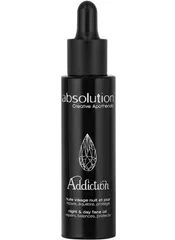
Improves dullness, irritation and dehydration .
Source: Naturisimo
This product can help soften the skin and reduce its moisture loss with emollients and occlusives: helianthus annuus seed oil, simmondsia chinensis seed oil.
Keep in mind that this product does not contain effective ingredients to attract water to the upper layer of the skin. This is why an additional product with humectants like glycerin or hyaluronic acid can be helpful (apply it before this product for the best results).
An oil naturally present in skin. Works as an emollient to soften the skin and form a protective layer on its surface without a greasy feeling.
A great emollient due to its high linoleic acid content. One of the most effective plant oils in helping skin hydration and repairing skin barrier function
Helps soften the upper layer of the skin and can support skin barrier function
An emollient that helps soften the skin
Softens the upper layer of skin and helps restore the healthy skin barrier. Has shown to help calm down inflammation in skin. It is a stable oil, meaning that it retains its properties even when exposed to air.
An emollient that helps soften the upper layer of the skin. Might have some weak anti-oxidant properties
A good moisturizing plant oil. Due to the high linoleic acid content, it helps soften the upper layer of the skin, reduce water loss and support skin barrier function
Helps soften the upper layer of the skin
Used as a fragrance. Can be irritating
Pure form of vitamin E. Can help moisturise and protect the skin from free radicals. Often used to help stabilise other ingredients or the formula itself
Anti-aging
What does the product description say?
Argan oil neutralises free radicals, revitalising your skin and reducing fine lines .
Source: Naturisimo
Effective ingredients missing or their concentration is too low.
Pure form of vitamin E. Can help moisturise and protect the skin from free radicals. Often used to help stabilise other ingredients or the formula itself
How honest is this product?
| Promise | Can it deliver? |
|---|---|
| Moisturizing | |
| Anti-aging |
Total Promises Fulfilled score: 37/100.
We receive a small commission for purchases made through these links at no cost for you. Thank you for your support! Learn more
Affiliate link · supports WIMJ at no cost to you
Potential irritants
Comedogenic ingredients
User reviews (0)
Averages from community submissions.
No reviews yet for this product.
Be the first to share your experience!
Tried this product?
Help capture what the ingredient list can't—texture, finish, pilling, scent, and more. Answer what you can, skip the rest.
Takes ~30 seconds.
Reviews are shown in aggregate. No personal details.
Key Actives
Helps soften the upper layer of the skin and can support skin barrier function
Pure form of vitamin E. Can help moisturise and protect the skin from free radicals. Often used to help stabilise other ingredients or the formula itself
An emollient that helps soften the upper layer of the skin. Might have some weak anti-oxidant properties
An emollient that helps soften the skin
A good moisturizing plant oil. Due to the high linoleic acid content, it helps soften the upper layer of the skin, reduce water loss and support skin barrier function
Softens the upper layer of skin and helps restore the healthy skin barrier. Has shown to help calm down inflammation in skin. It is a stable oil, meaning that it retains its properties even when exposed to air.
A great emollient due to its high linoleic acid content. One of the most effective plant oils in helping skin hydration and repairing skin barrier function
An oil naturally present in skin. Works as an emollient to soften the skin and form a protective layer on its surface without a greasy feeling.
Potential irritants
Aromatic plant oil used in cosmetics as a fragrance. A likely irritant
A plant extract that can be irritating. It can have some anti-bacterial properties, but there are no evidence of a beneficial effect for skin
An essential oil. Can be irritating. Can become an allergen with oxidation
A plant extract. Used as a fragrance. Can be irritating
Fragrance with sweet balsamic smell. Help to preserve products and dissolve other ingredients. Could trigger allergic reactions and be irritating
A common frangrance that can easily irritate skin, especially if exposed to air, light or heat
A preservative. Can be used to mask unpleasant smell. Can be irritating
Softens the upper layer of skin and helps restore the healthy skin barrier. Has shown to help calm down inflammation in skin. It is a stable oil, meaning that it retains its properties even when exposed to air.
An emollient that helps soften the upper layer of the skin. Might have some weak anti-oxidant properties
Helps soften the upper layer of the skin and can support skin barrier function
Comedogenic ingredients
Cottonseed oil. It is used as an emollient and occlusive in products. It is rich palmitic, oleic acid, and linoleic fatty acids.
All ingredients
A good moisturizing plant oil. Due to the high linoleic acid content, it helps soften the upper layer of the skin, reduce water loss and support skin barrier function
Softens the upper layer of skin and helps restore the healthy skin barrier. Has shown to help calm down inflammation in skin. It is a stable oil, meaning that it retains its properties even when exposed to air.
A great emollient due to its high linoleic acid content. One of the most effective plant oils in helping skin hydration and repairing skin barrier function
An oil naturally present in skin. Works as an emollient to soften the skin and form a protective layer on its surface without a greasy feeling.
An emollient that helps soften the upper layer of the skin. Might have some weak anti-oxidant properties
Cottonseed oil. It is used as an emollient and occlusive in products. It is rich palmitic, oleic acid, and linoleic fatty acids.
Helps soften the upper layer of the skin and can support skin barrier function
Pure form of vitamin E. Can help moisturise and protect the skin from free radicals. Often used to help stabilise other ingredients or the formula itself
Aromatic plant oil used in cosmetics as a fragrance. A likely irritant
A plant extract that can be irritating. It can have some anti-bacterial properties, but there are no evidence of a beneficial effect for skin
An essential oil. Can be irritating. Can become an allergen with oxidation
A plant extract. Used as a fragrance. Can be irritating
A plant oil that might help neutralize free radicals and have an anti-bacterial effect
Fragrance with sweet balsamic smell. Help to preserve products and dissolve other ingredients. Could trigger allergic reactions and be irritating
A common frangrance that can easily irritate skin, especially if exposed to air, light or heat
A preservative. Can be used to mask unpleasant smell. Can be irritating
Ingredient list view
Sesamum indicum seed oil, Simmondsia chinensis seed oil, Helianthus annuus seed oil, Squalane, Prunus domestica seed oil, Argania spinosa kernel oil, Corylus avellana seed oil, Gossypium herbaceum seed oil, Prunus armeniaca kernel oil, Oenothera biennis oil, Rosa moschata seed oil, Amyris balsamifera bark oil, Bulnesia sarmientoi wood oil, Tocopherol, Cymbopogon martini oil, Cananga odorata flower oil, Arnica montana flower extract, Lilium candidum flower extract, Pelargonium graveolens flower oil, Bellis perennis flower extract, Opuntia tuna flower/stem extract, Fusanus spicatus wood oil, Helichrysum italicum flower oil, Elettaria cardamomum seed oil, Ormenis multicaulis oil, Daucus carota sativa seed oil, Salvia sclarea oil, Cistus ladaniferus oil, Rosa damascena flower oil, Geraniol, Linalool, Benzyl benzoate, Citronellol, Farnesol, Benzyl salicylate, Citral, Limonene, Eugenol, Benzyl alcohol
- Protein and oil composition of sesame seeds (Sesamum indicum, L.) grown in the Gizan area of Saudi Arabia
- Triglyceride composition of Sesamum indicum seed oil
- Seed oil content and fatty acid composition in East African sesame (Sesamum indicum L.) accessions evaluated over 3 years
- Effect of Olive and Sunflower Seed Oil on the Adult Skin Barrier: Implications for Neonatal Skin Care
- Topically Applied Sunflower Seed Oil Prevents Invasive Bacterial Infections in Preterm Infants in Egypt
- Effect of topically applied lipids on surfactant-irritated skin
- Impact of topical oils on the skin barrier: possible implications for neonatal health in developing countries
- Natural vegetable fats in the prevention of irritant contact dermatitis
- Vitamin E in dermatology
- Vitamin E and Skin Health
- Effects of Topical Arnica Gel on Post-Laser Treatment Bruises
- Effects of microcurrent application alone or in combination with topical Hypericum perforatum L. and Arnica montana L. on surgically induced wound healing in Wistar rats
- The seamy side of natural medicines: contact sensitization to arnica (Arnica montana L.) and marigold (Calendula officinalis L.)
- Accelerated resolution of laser‐induced bruising with topical 20% arnica: a rater‐blinded randomized controlled trial
- Fragrance Compound Geraniol Forms Contact Allergens on Air Exposure. Identification and Quantification of Oxidation Products and Effect on Skin Sensitization
- New Claims for Wild Carrot (Daucus carota subsp. carota) Essential Oil
- Annex I: Clinical evidence regarding sensitisation to individual fragrance chemicals and to natural extracts