Works for:
based on ingredients and %- Moisturizing
- Anti-aging
- Anti-oxidation
Doesn't work for:
based on ingredients and %- Evens skin tone
Can it cause trouble?
- Irritation risk: medium
- Comedogenic risk ingredients: 1
Key actives

Anti-aging
What does the product description say?
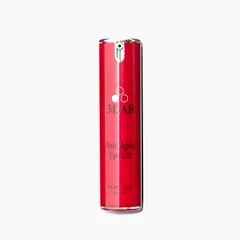
Anti-Aging Eye Lift
Source: From product name
This product can help reduce and prevent fine lines and wrinkles, improve skin elasticity and firmness because it contains adenosine.
These ingredients in the product can also be helpful, even though there is less evidence for their effectiveness: acetyl tetrapeptide-2, palmitoyl tripeptide-38.
Keep in mind that it typically takes at least 6 weeks to notice any results because the changes that are needed to improve fine lines and elasticity happen in the deeper layers of the skin. No topical anti-aging product can “erase” wrinkles or fully reverse signs of aging.
Might help improve cell turnover and reduce inflammation in skin. One study shows that the ingredients might be able to help reduce dynamic wrinkles (for example, in the corners of the eyes or on the forehead)
A type of peptide. Peptides are excellent moisturizers and might be able support collagen production reducing fine lines and wrinkles
A type of peptide. Peptides are excellent moisturizers and might be able support collagen production reducing fine lines and wrinkles
Might be able to protect the skin from free radicals, but further evidence of effectiveness is needed
The salt of salicylic acid. Helps exfoliate the upper layer of the skin. Can also work to preserve cosmetic products
A great moisturising ingredient that softens the skin and reduces water loss from its upper layer. It also can be helpful in protecting skin from free radicals
Being a lipid soluble form of vitamin C, it is more stable than ascorbic acid, but still degrades quickly and needs to be stabilized in a formulation with another ingredient. It is claimed to penetrate skin better than pure vitamin C and have the the similar benefits, but solid studies of its effectiveness are lacking. Is likely to require a higher concentration in a product than pure vitamin C to be effective. It might be able to help reduce pore clogging.
Pure form of vitamin E. Can help moisturise and protect the skin from free radicals. Often used to help stabilise other ingredients or the formula itself
Moisturizing
What does the product description say?
Enriched with Mango Shea Butter for optimum hydration, the powerful cream leaves skin feeling smooth and supple with a more even toned and rejuvenated appearance.
Source: Lookfantastic US
This product can help improve hydration of the skin with the two types of ingredients.
The first type is called “humectants”:
these ingredients help attract water.
When humectants are on the surface of the skin, they “pull in” the moisture from the outside environment, or from
within deeper layers of the skin. The following ingredients in this product do the job:
dextran, glycerin.
This product also contains ingredients called “occlusives”. They help reduce the speed with which our skin loses moisture to the outside environment. These ingredients also help soften the upper layer of the skin, so it feels less tight and nicer to the touch. The following ingredients in this product do the job: beeswax, butyrospermum parkii butter.
The following ingredients in this product are especially good for supporting the skin barrier and helping with the hydration level: acetyl tetrapeptide-2, palmitoyl tripeptide-38, panthenol
A red algae extract that can help attract water to the upper layer of the skin and might have some antioxidant properties
Helps to soften the upper layer of the skin and might have some anti-oxidant effect
Helps attract water to the upper layer of the skin and can help improve skin barrier function
Plant oil that due to its high content of linoleic acid can help support skin's barrier function improving its hydration
One of the best moisturizing ingredients. Attracts water into the upper layer of the skin
An oil naturally present in skin. Works as an emollient to soften the skin and form a protective layer on its surface without a greasy feeling.
A sugar that attracts water to the upper layer of the skin
A seaweed extract that helps attract water to the upper layer of the skin and might have an anti-oxidant effect
A type of peptide. Peptides are excellent moisturizers and might be able support collagen production reducing fine lines and wrinkles
Forms a protective barrier that holds water and keeps dry skin hydrated. Keeps an emulsion from separating into its oil and liquid components, and increases the thickness of a product. Can be an allergen
A great moisturising ingredient that softens the skin and reduces water loss from its upper layer. It also can be helpful in protecting skin from free radicals
A good mix of fatty acids that forms a protective layer on the skin. Improves the shelf life of products. Derived from coconut and glycerin
Helps attract water to the most upper layer of the skin. Derived from sugar
A silicone that helps to reduce water loss from the surface of the skin. Can temporarily "fill in" lines and wrinkles, absorb oil, and create a nice product finish
One of the best moisturizing ingredients. Naturally present in skin. It attracts water to the upper layer of the skin working as a humectant
A fermentation product created by bacteria Lactobacillus. The fermented product has anti-bacterial properties and might be helpful in calming down inflammation, but studies are lacking. Helps attract water to the upper layer of the skin. Can be used as a preservative
A type of peptide. Peptides are excellent moisturizers and might be able support collagen production reducing fine lines and wrinkles
Helps soften the upper layer of the skin
Might help improve cell turnover and reduce inflammation in skin. One study shows that the ingredients might be able to help reduce dynamic wrinkles (for example, in the corners of the eyes or on the forehead)
A non-drying alcohol that works to soften the skin and stabilize product formulations helping oil and water mix together
An emollient that softens the skin and forms a protective layer on its surface. Helps water and oil mix together
Helps preserve products and creates a nice product texture
Used to create a nice product texture and help delivery of other ingredients. Might be somewhat helpful in attracting water to the upper layer of the skin
Helps attract water to the upper layer of the skin and improves the product texture
Used to stabilize product formulations and help soften the upper layer of the skin
A salt derived from licorice. Works as an emollient to soften the upper layer of the skin and can help calm down inflammation. Might be helpful for skin lightening
Softens the upper layer of skin and helps restore the healthy skin barrier. Has shown to help calm down inflammation in skin. It is a stable oil, meaning that it retains its properties even when exposed to air.
Helps oil and water mix together and works as an emollient
Pure form of vitamin E. Can help moisturise and protect the skin from free radicals. Often used to help stabilise other ingredients or the formula itself
Used to create a nice product consistency while softening the upper layer of the skin
Anti-oxidation
This product contains antioxidants (decarboxy carnosine hcl) that might be able to help neutralize free radicals in skin to lessen the damage it gets from the UV light (sun). There is not enough evidence to confirm their effectiveness in skin though.
Might be able to protect the skin from free radicals, but further evidence of effectiveness is needed
A fermentation product created by bacteria Lactobacillus. The fermented product has anti-bacterial properties and might be helpful in calming down inflammation, but studies are lacking. Helps attract water to the upper layer of the skin. Can be used as a preservative
Might help improve cell turnover and reduce inflammation in skin. One study shows that the ingredients might be able to help reduce dynamic wrinkles (for example, in the corners of the eyes or on the forehead)
A seaweed extract that helps attract water to the upper layer of the skin and might have an anti-oxidant effect
A great moisturising ingredient that softens the skin and reduces water loss from its upper layer. It also can be helpful in protecting skin from free radicals
A red algae extract that can help attract water to the upper layer of the skin and might have some antioxidant properties
Helps to soften the upper layer of the skin and might have some anti-oxidant effect
Being a lipid soluble form of vitamin C, it is more stable than ascorbic acid, but still degrades quickly and needs to be stabilized in a formulation with another ingredient. It is claimed to penetrate skin better than pure vitamin C and have the the similar benefits, but solid studies of its effectiveness are lacking. Is likely to require a higher concentration in a product than pure vitamin C to be effective. It might be able to help reduce pore clogging.
Pure form of vitamin E. Can help moisturise and protect the skin from free radicals. Often used to help stabilise other ingredients or the formula itself
Evens skin tone
What does the product description say?
Prevents puffiness, repairs damaged skin tissue on a cellular level and strengthens skin’s natural barrier Key Ingredients. . Marine Repair Complex is a proprietary complex of algae and other marine ingredients known to provide superior, lasting hydration. . Ephemer® is derived from Brown Macroalgae, this super antioxidant firms, plumps, and brightens the delicate eye area. . Sesame Seed Extract is a botanical-based volumising wrinkle filler that reduces fine lines and wrinkles. . Caper Extract is a moisturising soothing extract that reduces irritation of the skin. . St. Paulswort and Chinese Sage Bush is a plant-derived component that is proven to improve luminosity, and even out skin tone and texture. . Mango Shea Butter is extracted from mangos, reduces water loss and keeps the skin hydrated.
Source: Allbeauty
Effective ingredients missing or their concentration is too low
Being a lipid soluble form of vitamin C, it is more stable than ascorbic acid, but still degrades quickly and needs to be stabilized in a formulation with another ingredient. It is claimed to penetrate skin better than pure vitamin C and have the the similar benefits, but solid studies of its effectiveness are lacking. Is likely to require a higher concentration in a product than pure vitamin C to be effective. It might be able to help reduce pore clogging.
A salt derived from licorice. Works as an emollient to soften the upper layer of the skin and can help calm down inflammation. Might be helpful for skin lightening
How honest is this product?
| Promise | Can it deliver? |
|---|---|
| Anti-aging | |
| Moisturizing | |
| Evens skin tone |
Total Promises Fulfilled score: 66/100.
We receive a small commission for purchases made through these links at no cost for you. Thank you for your support! Learn more
Potential irritants
Comedogenic ingredients
User reviews (0)
Averages from community submissions.
No reviews yet for this product.
Be the first to share your experience!
Tried this product?
Help capture what the ingredient list can't—texture, finish, pilling, scent, and more. Answer what you can, skip the rest.
Takes ~30 seconds.
Reviews are shown in aggregate. No personal details.
Key Actives
A fermentation product created by bacteria Lactobacillus. The fermented product has anti-bacterial properties and might be helpful in calming down inflammation, but studies are lacking. Helps attract water to the upper layer of the skin. Can be used as a preservative
A great moisturising ingredient that softens the skin and reduces water loss from its upper layer. It also can be helpful in protecting skin from free radicals
Helps attract water to the upper layer of the skin and can help improve skin barrier function
Might help improve cell turnover and reduce inflammation in skin. One study shows that the ingredients might be able to help reduce dynamic wrinkles (for example, in the corners of the eyes or on the forehead)
A salt derived from licorice. Works as an emollient to soften the upper layer of the skin and can help calm down inflammation. Might be helpful for skin lightening
Helps to soften the upper layer of the skin and might have some anti-oxidant effect
A seaweed extract that helps attract water to the upper layer of the skin and might have an anti-oxidant effect
A type of peptide. Peptides are excellent moisturizers and might be able support collagen production reducing fine lines and wrinkles
A type of peptide. Peptides are excellent moisturizers and might be able support collagen production reducing fine lines and wrinkles
A red algae extract that can help attract water to the upper layer of the skin and might have some antioxidant properties
Might be able to protect the skin from free radicals, but further evidence of effectiveness is needed
A silicone that helps to reduce water loss from the surface of the skin. Can temporarily "fill in" lines and wrinkles, absorb oil, and create a nice product finish
One of the best moisturizing ingredients. Naturally present in skin. It attracts water to the upper layer of the skin working as a humectant
A good mix of fatty acids that forms a protective layer on the skin. Improves the shelf life of products. Derived from coconut and glycerin
An oil naturally present in skin. Works as an emollient to soften the skin and form a protective layer on its surface without a greasy feeling.
A sugar that attracts water to the upper layer of the skin
Plant oil that due to its high content of linoleic acid can help support skin's barrier function improving its hydration
Softens the upper layer of skin and helps restore the healthy skin barrier. Has shown to help calm down inflammation in skin. It is a stable oil, meaning that it retains its properties even when exposed to air.
One of the best moisturizing ingredients. Attracts water into the upper layer of the skin
Helps attract water to the most upper layer of the skin. Derived from sugar
Forms a protective barrier that holds water and keeps dry skin hydrated. Keeps an emulsion from separating into its oil and liquid components, and increases the thickness of a product. Can be an allergen
Potential irritants
An essential oil. Potential allergen and can be irritating. It has some anti-bacterial properties
A good mix of fatty acids that forms a protective layer on the skin. Improves the shelf life of products. Derived from coconut and glycerin
A plant extract that can contain an anti-inflammatory compound
Softens the upper layer of skin and helps restore the healthy skin barrier. Has shown to help calm down inflammation in skin. It is a stable oil, meaning that it retains its properties even when exposed to air.
Being a lipid soluble form of vitamin C, it is more stable than ascorbic acid, but still degrades quickly and needs to be stabilized in a formulation with another ingredient. It is claimed to penetrate skin better than pure vitamin C and have the the similar benefits, but solid studies of its effectiveness are lacking. Is likely to require a higher concentration in a product than pure vitamin C to be effective. It might be able to help reduce pore clogging.
The salt of salicylic acid. Helps exfoliate the upper layer of the skin. Can also work to preserve cosmetic products
Used to stabilize product formulations and help soften the upper layer of the skin
Helps to control the skin's pH level. Maintains the skin's natural film of amino-lactic acids and oils. Helps to preserve products
Helps preserve products and creates a nice product texture
Comedogenic ingredients
A great moisturising ingredient that softens the skin and reduces water loss from its upper layer. It also can be helpful in protecting skin from free radicals
All ingredients
One of the best moisturizing ingredients. Naturally present in skin. It attracts water to the upper layer of the skin working as a humectant
Used to create a nice product texture and help delivery of other ingredients. Might be somewhat helpful in attracting water to the upper layer of the skin
A great moisturising ingredient that softens the skin and reduces water loss from its upper layer. It also can be helpful in protecting skin from free radicals
A good mix of fatty acids that forms a protective layer on the skin. Improves the shelf life of products. Derived from coconut and glycerin
A fermentation product created by bacteria Lactobacillus. The fermented product has anti-bacterial properties and might be helpful in calming down inflammation, but studies are lacking. Helps attract water to the upper layer of the skin. Can be used as a preservative
Helps to soften the upper layer of the skin and might have some anti-oxidant effect
A non-drying alcohol that works to soften the skin and stabilize product formulations helping oil and water mix together
An oil naturally present in skin. Works as an emollient to soften the skin and form a protective layer on its surface without a greasy feeling.
Helps attract water to the upper layer of the skin and can help improve skin barrier function
A seaweed extract that helps attract water to the upper layer of the skin and might have an anti-oxidant effect
Dissolves other ingredients. It does not have additional skin benefits compared to plain water
A type of peptide. Peptides are excellent moisturizers and might be able support collagen production reducing fine lines and wrinkles
A type of peptide. Peptides are excellent moisturizers and might be able support collagen production reducing fine lines and wrinkles
A red algae extract that can help attract water to the upper layer of the skin and might have some antioxidant properties
Plant oil that due to its high content of linoleic acid can help support skin's barrier function improving its hydration
A plant extract that can contain an anti-inflammatory compound
Softens the upper layer of skin and helps restore the healthy skin barrier. Has shown to help calm down inflammation in skin. It is a stable oil, meaning that it retains its properties even when exposed to air.
Being a lipid soluble form of vitamin C, it is more stable than ascorbic acid, but still degrades quickly and needs to be stabilized in a formulation with another ingredient. It is claimed to penetrate skin better than pure vitamin C and have the the similar benefits, but solid studies of its effectiveness are lacking. Is likely to require a higher concentration in a product than pure vitamin C to be effective. It might be able to help reduce pore clogging.
Might help improve cell turnover and reduce inflammation in skin. One study shows that the ingredients might be able to help reduce dynamic wrinkles (for example, in the corners of the eyes or on the forehead)
Might be able to protect the skin from free radicals, but further evidence of effectiveness is needed
A salt derived from licorice. Works as an emollient to soften the upper layer of the skin and can help calm down inflammation. Might be helpful for skin lightening
One of the best moisturizing ingredients. Attracts water into the upper layer of the skin
The salt of salicylic acid. Helps exfoliate the upper layer of the skin. Can also work to preserve cosmetic products
Helps attract water to the upper layer of the skin and improves the product texture
Helps attract water to the most upper layer of the skin. Derived from sugar
Used to stabilize product formulations and help soften the upper layer of the skin
Forms a protective barrier that holds water and keeps dry skin hydrated. Keeps an emulsion from separating into its oil and liquid components, and increases the thickness of a product. Can be an allergen
Used to create a nice product texture
Used to dissolve other ingredients in a product and can enhance their ability to penetrate the skin
An emollient that softens the skin and forms a protective layer on its surface. Helps water and oil mix together
Helps oil and water mix togehter and creates a nice product texture
Used to create a nice product consistency while softening the upper layer of the skin
Helps to control the skin's pH level. Maintains the skin's natural film of amino-lactic acids and oils. Helps to preserve products
A silicone that helps to reduce water loss from the surface of the skin. Can temporarily "fill in" lines and wrinkles, absorb oil, and create a nice product finish
Helps preserve products and creates a nice product texture
A preservative. It helps prevent bacterial growth in cosmetic products
Used to increase stability of product formulations
Pure form of vitamin E. Can help moisturise and protect the skin from free radicals. Often used to help stabilise other ingredients or the formula itself
An essential oil. Potential allergen and can be irritating. It has some anti-bacterial properties
Ingredient list view
Water, Glycerin, Butylene glycol, Butyrospermum parkii butter, Caprylic/capric triglyceride, Lactobacillus ferment, Pseudoalteromonas ferment extract, Unknown, Hydrogenated castor oil isostearate, Mangifera indica seed butter, Cetyl alcohol, Stearyl alcohol, Squalane, Polysorbate 60, Octyldodecyl myristate, Bis-behenyl/isostearyl/phytosteryl dimer dilinoleyl dimer dilinoleate, Panthenol, Stearic acid, Trehalose, Undaria pinnatifida extract, Sea water, Acetyl tetrapeptide-2, Capparis spinosa fruit extract, Palmitoyl tripeptide-38, Kappaphycus alvarezii extract, Sesamum indicum seed extract, Sigesbeckia orientalis extract, Simmondsia chinensis seed oil, Rabdosia rubescens extract, Tetrahexyldecyl ascorbate, Adenosine, Copper lysinate/prolinate, Decarboxy carnosine hcl, Dipotassium glycyrrhizate, Sodium hyaluronate, Sodium salicylate, Sorbitol, Dextran, Hydroxypropyl cyclodextrin, Methylglucoside phosphate, Beeswax, C30-45 alkyldimethylsilyl polypropylsilsesquioxane, Dimethyl isosorbide, Glyceryl stearate, Peg-100 stearate, Pentaerythrityl tetraethylhexanoate, Sodium citrate, Sorbitan stearate, Dimethicone, Disodium edta, Caprylyl glycol, Phenoxyethanol, Pentaerythrityl tetra-di-t-butyl hydroxyhydrocinnamate, Tocopherol, Citrus aurantium amara peel oil, Lavandula angustifolia oil
- Glycerol and the skin: holistic approach to its origin and functions
- The effect of probiotics on immune regulation, acne, and photoaging
- Comparison of clinical and histological effects between lactobacillus-fermented Chamaecyparis obtusa and tea tree oil for the treatment of acne: an eight-week double-blind randomized controlled split-face study
- Use of Probiotics for Dermal Applications
- Extraction and Characteristics of Seed Kernel Oil from Mango
- Promising features of mango (Mangifera indica L.) kernel oil: a review
- Evaluation of the fatty acid composition of the seeds of Mangifera indica L. and their application
- Skin moisturizing effects of panthenol-based formulations
- Safety Assessment of Panthenol, Pantothenic Acid, and Derivatives as Used in Cosmetics
- Seed oil content and fatty acid composition in East African sesame (Sesamum indicum L.) accessions evaluated over 3 years
- Purified Pland Extracts
- Double-blind, half-face study comparing topical vitamin C and vehicle for rejuvenation of photodamage
- Application of tetra-isopalmitoyl ascorbic acid in cosmetic formulations: Stability studies and in vivo efficacy
- Evaluation of anti-wrinkle efficacy of adenosine-containing products using the FOITS technique
- Dynamic monitoring of glutathione redox status in UV-B irradiated reconstituted epidermis: effect of antioxidant activity on skin homeostasis
- Ameliorating effect of dipotassium glycyrrhizinate on an IL-4- and IL-13-induced atopic dermatitis-like skin-equivalent model
- Final report on the safety assessment of Glycyrrhetinic Acid, Potassium Glycyrrhetinate, Disodium Succinoyl Glycyrrhetinate, Glyceryl Glycyrrhetinate, Glycyrrhetinyl Stearate, Stearyl Glycyrrhetinate, Glycyrrhizic Acid, Ammonium Glycyrrhizate, Dipotassium Glycyrrhizate, Disodium Glycyrrhizate, Trisodium Glycyrrhizate, Methyl Glycyrrhizate, and Potassium Glycyrrhizinate.
- Hyaluronic acid: A key molecule in skin aging
- Hyaluronan (Hyaluronic Acid): a natural moisturizer for skin care
- Three clinical studies showing the anti-aging benefits of sodium salicylate in human skin
- Activity enhancement of ferulic acid with dimethyl isosorbride in cosmetic compositions
- Safety Assessment of Pentaerythrityl Tetraesters as Used in Cosmetics
- Dimethicone as a protective ingredient in topical medications
- Final Report on the Safety Assessment of Dimethicone Copolyol
- Safety Assessment of Pentaerythrityl Tetra-Di-t-Butyl Hydroxyhydrocinnamate as Used in Cosmetics
- Vitamin E in dermatology
- Vitamin E and Skin Health