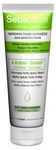
Works for
0 of 1 advertised claim delivered
Anti-blemish5 ingredients credited for this claimLimited support
“3C Pharma Sebactase Cream 50ml has been specially created to act against cutaneous imperfections spots, blackheads, redness, dilated pores, of combination, oily and acne prone skins.”
This product contains ingredients (zinc pca) that could help reduce blemishes and clogged pores in theory, but there is not enough evidence that they actually work.
MoisturizingNot advertised by the brand · 17 ingredients credited for this claimGood support
This product contains good ingredients to attract water to the upper layer of the skin. These ingredients are called "humectants": glycerin, saccharomyces/iron ferment.
When humectants are on the surface of the skin, they “pull in” the moisture from the outside environment, or from within deeper layers of the skin. If the air is dry, humectants can speed up the moisture loss from the skin. This is why it is a good idea to use another product on top of this one to help "seal in" the moisture (look for ingredients like dimethicone, squalane, oils and butters).
Can it cause trouble?
Irritancy3 strong irritants: Hamamelis virginiana water, Melaleuca alternifolia leaf oil + 1 more — patch-test recommendedHigh risk
Comedogenic2 ingredients rated 2 or more on the 0–5 pore-clogging scale2 flagged
User reviews
Be the first — your take helps the next person decide.
Ingredients
Filter by role to see what each ingredient is doing.
Water~45–55%
C12-15 alkyl benzoate~5.9–7.2%
- Irritation risk
- Low
Enhances the product texture and makes it more spreadable. Helps reduce water loss from the outer layer of skin. Extands the shelf life by preventing bacteria growth
More about C12-15 alkyl benzoateCyclopentasiloxane~4.5–5.5%
- Irritation risk
- Low
A silicone that helps improve the product texture and spreadability. Can absorb oil creating a short-term mattifying effect on the skin
More about CyclopentasiloxaneCyclohexane~3.2–3.9%
- Irritation risk
- Low
Isohexadecane~2.5–3.1%
- Irritation risk
- Low
Improves the texture of the product and helps soften the skin. Helps oil and water mix together and can be used as a cleansing agent
More about IsohexadecanePropylene glycol dicaprylate/dicaprate~2–2.5%
- Irritation risk
- Low
Ethylhexyl methoxycinnamate~2.1–2.6%
- Irritation risk
- High
Octinoxate. When used in higher concentrations, works as a sunscreen protecting the skin from UVB rays. When used in lower concentration, helps to preserve the product formulation. Is shown to be harmful to coral reefs - consider avoiding bathing in coral reef areas when wearing a product with this ingredient. It can be irritating
More about Ethylhexyl methoxycinnamatePolypropylene~1.5–1.8%
Aluminum starch octenylsuccinate~1.2–1.5%
- Irritation risk
- Medium
Used to thicken the product's consistency
More about Aluminum starch octenylsuccinateGlycerin~1–1.3%
- Irritation risk
- Low
One of the best moisturizing ingredients. Naturally present in skin. It attracts water to the upper layer of the skin working as a humectant
More about GlycerinPropylene glycol~0.7–1%
- Irritation risk
- High
Helps oil and water mix together and can enhance the penetration of other ingredients into the skin. It can be irritating
More about Propylene glycolSalix alba bark extract~0.35–0.65%
- Irritation risk
- High
A plant extract that can help neutralize free radicals in skin. It contains a compound salicin that can theoretically be converted into salicylic acid that, in turn, helps reduce inflammation in skin, but the evidence of effectiveness in skin is lacking and the extract is usually not used in a concentration that would enable an exfoliating effect
More about Salix alba bark extractGlyceryl stearate citrate~0.55–0.85%
- Irritation risk
- Low
Helps oil and water mix together while softening the upper layer of the skin
More about Glyceryl stearate citrateGlyceryl stearate se~0.5–0.75%
- Irritation risk
- Low
- Comedogenicity
- 2/5
Used to stabilize the product formulations and works as an emollient
More about Glyceryl stearate seButyl methoxydibenzoylmethane~0.6–0.9%
- Irritation risk
- Medium
Avobenzone. An organic, or so-called "chemical" UV filter. Protects against both UVA and UVB rays. Needs to be combined with other filters in a formulation to be stable.
More about Butyl methoxydibenzoylmethaneCetearyl alcohol~0.5–0.75%
- Irritation risk
- Low
- Comedogenicity
- 2/5
A non-drying alcohol. Works as an emollient. Helps water and oil mix together and creates a nice product texture
More about Cetearyl alcoholPotassium azeloyl diglycinate~0.4–0.65%
- Irritation risk
- Low
A derivative of azelaic acid. It is obtained by reacting the chloride of azelaic acid with two molecules of glycine (an amino acid) and potassium hydroxide. It is less studied than azelaic acid, but the available research suggests that it also can be effective in reducing skin redness, hyperpigmentation and blemishes. There are claims that it is more bio-available and more effective than azelaic acid, but no comparison study is available. Potassium azeloyl diglycinate is better soluble in water compared with azelaic acid. Because of this property, products with potassium azeloyl digclycinate can have a nicer texture
More about Potassium azeloyl diglycinateOctocrylene~0.55–0.85%
- Irritation risk
- Medium
A weak sunscreen that protects against the sun rays that cause sunburn (UVB) and is somewhat effective against the UVA rays. It is quite stable and can help stabilize other, more vulnerable, sunscreen ingredients like Avobenzone. It is an organic, or so called "chemical" sunscreen
More about OctocryleneAloe barbadensis leaf juice~0.3–0.6%
- Irritation risk
- Medium
Traditionally used to treat sunburns, dermatitis and inflammation, but evidence for its effectiveness is lacking. The extract can contain humectants that help attract water into the skin
More about Aloe barbadensis leaf juiceHydrolyzed caesalpinia spinosa gum~0.3–0.6%
- Irritation risk
- Medium
Helps softent the upper layer of the skin and create a thicker product consistency
More about Hydrolyzed caesalpinia spinosa gumHamamelis virginiana water~0.25–0.45%
- Irritation risk
- High
A plant extract that can help calm down inflammation in skin. Can, however, itself be irritating
More about Hamamelis virginiana waterAllantoin~0.25–0.45%
- Irritation risk
- Low
Helps calm down inflammation in skin and can help reduce itching. Helps to repair the skin barrier and keep skin hydrated
More about AllantoinTocopheryl acetate~0.25–0.5%
- Irritation risk
- Medium
A more stable but less bio-available form of vitamin E compared to Tocopherol. Might help moisturize and protect the skin from free radicals, but mostly used in low concentrations to stabilize other ingredients.
More about Tocopheryl acetateSaccharomyces/silicon ferment~0.25–0.45%
- Irritation risk
- Low
Yeast extract that contains silicon. Can help to attract water to the upper layer of the skin. Evidence of effectiveness for other benefits is missing
More about Saccharomyces/silicon fermentSaccharomyces/magnesium ferment~0.25–0.45%
- Irritation risk
- Low
Yeast extract that contains magnesium. Can help to attract water to the upper layer of the skin. Evidence of effectiveness for other benefits is missing
More about Saccharomyces/magnesium fermentSaccharomyces/iron ferment~0.25–0.45%
- Irritation risk
- Low
Yeast extract that contains iron. Can help to attract water to the upper layer of the skin. Evidence of effectiveness for other benefits is missing
More about Saccharomyces/iron fermentSaccharomyces/zinc ferment~0.25–0.45%
- Irritation risk
- Low
Yeast extract that contains zinc. Can help to attract water to the upper layer of the skin. Evidence of effectiveness for other benefits is missing
More about Saccharomyces/zinc fermentZinc pca~0.25–0.4%
- Irritation risk
- Low
A compound that combines zinc with a hydrating ingredient PCA. Might to be helpful against acne and clogged pores. Can help calm down inflammation in skin. Could be helpful in reducing the formation of free radicals in skin. Might help to reduce fine lines in wrinkles, but solid evidence is missing
More about Zinc pcaMelaleuca alternifolia leaf oil~0.2–0.4%
- Irritation risk
- High
An essential oil that can be irritating. Has some anti-bacterial properties
More about Melaleuca alternifolia leaf oilAcrylates/c10-30 alkyl acrylate crosspolymer~0.25–0.45%
- Irritation risk
- Medium
Maintains the texture of skincare products. Allows the product to spread evenly. Helps oil and water mix together
More about Acrylates/c10-30 alkyl acrylate crosspolymerXanthan gum~0.25–0.45%
- Irritation risk
- Low
Used to create a thicker product consistency
More about Xanthan gumPhenoxyethanol~0.2–0.35%
- Irritation risk
- Low
A preservative. It helps prevent bacterial growth in cosmetic products
More about PhenoxyethanolEthylhexylglycerin~0.2–0.35%
Disodium edta~0.15–0.3%
Sodium hydroxide~0.15–0.3%
2-bromo-2-nitropropane-1,3-diol~0.05–0.1%
- Irritation risk
- Low
Bha~0.1–0.15%
Limonene~0.05–0.15%
- Irritation risk
- High
A common frangrance that can easily irritate skin, especially if exposed to air, light or heat
More about LimoneneIngredient list view
Water, C12-15 alkyl benzoate, Cyclopentasiloxane, Cyclohexane, Isohexadecane, Propylene glycol dicaprylate/dicaprate, Ethylhexyl methoxycinnamate, Polypropylene, Aluminum starch octenylsuccinate, Glycerin, Propylene glycol, Salix alba bark extract, Glyceryl stearate citrate, Glyceryl stearate se, Butyl methoxydibenzoylmethane, Cetearyl alcohol, Potassium azeloyl diglycinate, Octocrylene, Aloe barbadensis leaf juice, Hydrolyzed caesalpinia spinosa gum, Hamamelis virginiana water, Allantoin, Tocopheryl acetate, Saccharomyces/silicon ferment, Saccharomyces/magnesium ferment, Saccharomyces/iron ferment, Saccharomyces/zinc ferment, Zinc pca, Melaleuca alternifolia leaf oil, Acrylates/c10-30 alkyl acrylate crosspolymer, Xanthan gum, Phenoxyethanol, Ethylhexylglycerin, Disodium edta, Sodium hydroxide, 2-bromo-2-nitropropane-1,3-diol, Bha, Limonene
Compare prices
Retailers ranked by price — lowest first.
Affiliate links · prices updated regularly · As an Amazon Associate, WIMJ earns from qualifying purchases.
Worth comparing, line by line.
Match % combines shared ingredients, the first five ingredients, shared actives and hero ingredients, irritancy (lower counts in the alternative's favour), texture and body area. Only products in the same routine step are compared.
| 3C PharmaSebactase CreamYOUR PRODUCT | Medik8Calmwise Colour Correct Cream | SkinTraLet Your Skin Drink Up - hydrating face cream | Skincare by Dr VTrio Blemish AM Gel Moisturiser | |
|---|---|---|---|---|
| Match | — | 84% | 80% | 77% |
| Price | $9.12 | $62.00+$52.88 | — | $50.17+$41.05 |
| Shared key ingredients | — | 2 of 12 | 1 of 12 | 3 of 12 |
| Key difference | — | Niacinamide | Niacinamide | Niacinamide |
| Irritancy | High | Medium | Low | Medium |
| Drying alcohol | — | — | — | — |
| View product | Shop | Shop | Shop |


Sources cited in this review
Every concentration estimate and effectiveness label is anchored to one of these 14 studies and safety reviews.
- 1
- 2Surfactants and experimental irritant contact dermatitisncbi.nlm.nih.gov
- 3Propylene Glycolpubmed.ncbi.nlm.nih.gov
- 4Skin-sensitizing and irritant properties of propylene glycolonlinelibrary.wiley.com
- 5Efficacy and Safety of White Willow Bark (Salix alba) Extractonlinelibrary.wiley.com
- 6

Affiliate links · As an Amazon Associate, WIMJ earns from qualifying purchases.